
Kyoto is not a theme park. It is a living city of 1,200 years where wooden machiya houses still line narrow alleys, where neighbors hang laundry in the sun, and where geiko hurry to their next appointment. Every year, millions of travelers arrive drawn by its temples and gardens, but that success has created a palpable tension: mass tourism threatens the daily life of those who live in the historic neighborhoods.
This report proposes a journey through Kyoto that prioritizes coexistence. It is not about giving up its wonders, but about discovering them with a more attentive and respectful eye, choosing less crowded times, exploring areas beyond the central circuit, and understanding that every street is someone’s home.
A map that extends beyond the center
The most repeated image of Kyoto is concentrated in a few square kilometers: the Golden Pavilion, Fushimi Inari Shrine, the Arashiyama bamboo grove. However, the city unfolds across a much larger territory, with peripheral neighborhoods that retain their character and barely receive visitors.
To the north, the valleys of Keihoku and Miyama offer rural landscapes of thatched roofs and cultivated fields. To the south, Fushimi is synonymous with sake, with its centuries-old breweries along the canal. To the west, Nishiyama combines bamboo forests with temples of deep history. And to the east, beyond Higashiyama, extend the residential neighborhoods of Yamashina, where life goes on oblivious to the tourist bustle.
«Visiting Kyoto is not about consuming its monuments, but understanding that you are walking through the home of thousands of people.»
The city’s own tourism office recommends spreading visits throughout the day and across the territory. Getting up early to see the temples at dawn, when they open their doors, not only avoids crowds: it also grants a light and silence that transform the experience.
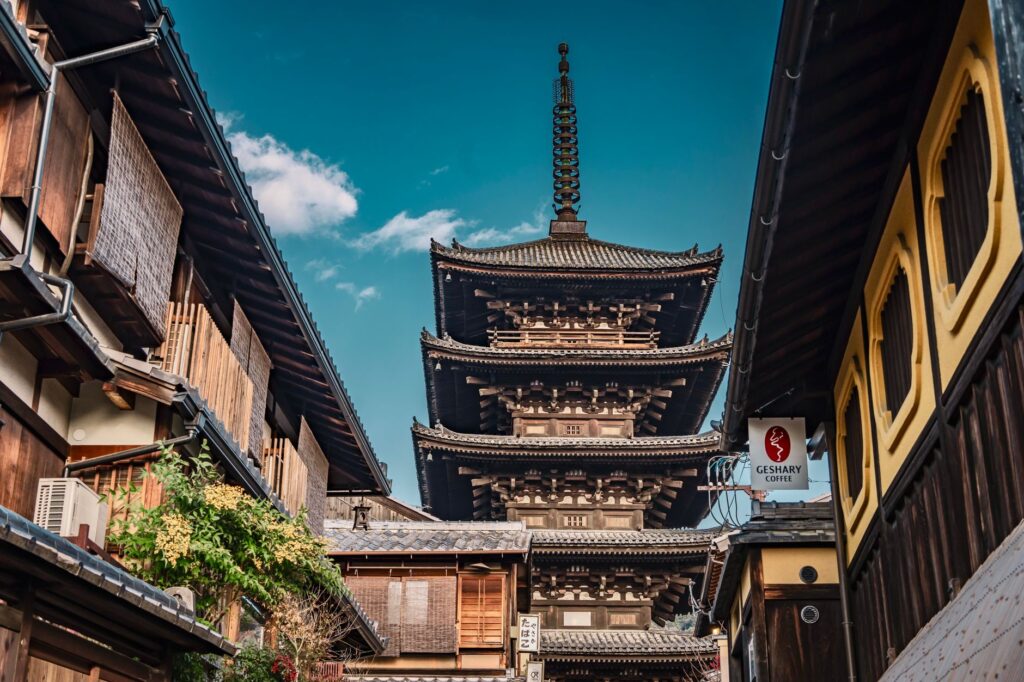
Gion and Higashiyama: the geiko district
Gion is Japan’s most famous hanamachi district, where geiko and maiko live and work. Its wooden streets, paper lanterns, and teahouses create a scene that attracts crowds. But that same scene is a place of work and residence.
Geiko move to their engagements on a strict schedule. Stopping them for a photo, touching their kimonos, or following them through the streets interferes with their work and their privacy. The official recommendation is clear: if you want an experience with a maiko, there are activities and performances at Gion Corner or other venues where interaction occurs in a respectful and consensual setting.
In Higashiyama, Kiyomizu-dera Temple and its surrounding streets receive such a flow that the city council has restricted access to certain areas at certain times. Walking through the less-traveled side alleys allows you to appreciate the architecture without contributing to congestion.
One street, two realities
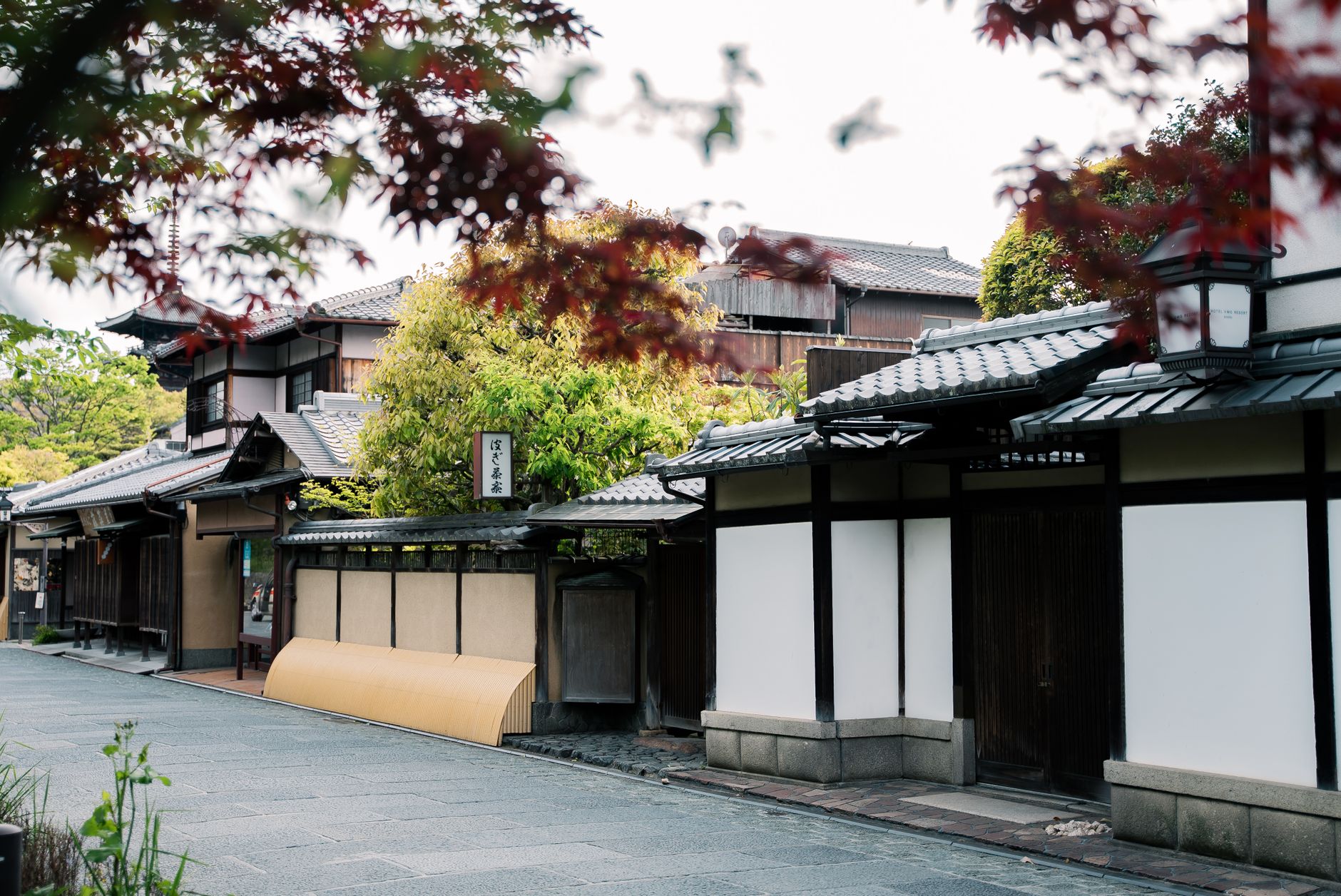
Sannen-zaka Street, with its craft shops, is an example of how tourist commerce coexists with private homes. Residents have expressed discomfort over noise and litter. The solution involves not blocking doorways, not leaving waste, and remembering that behind every facade there is a family.
Nishiki Market: flavors with rules
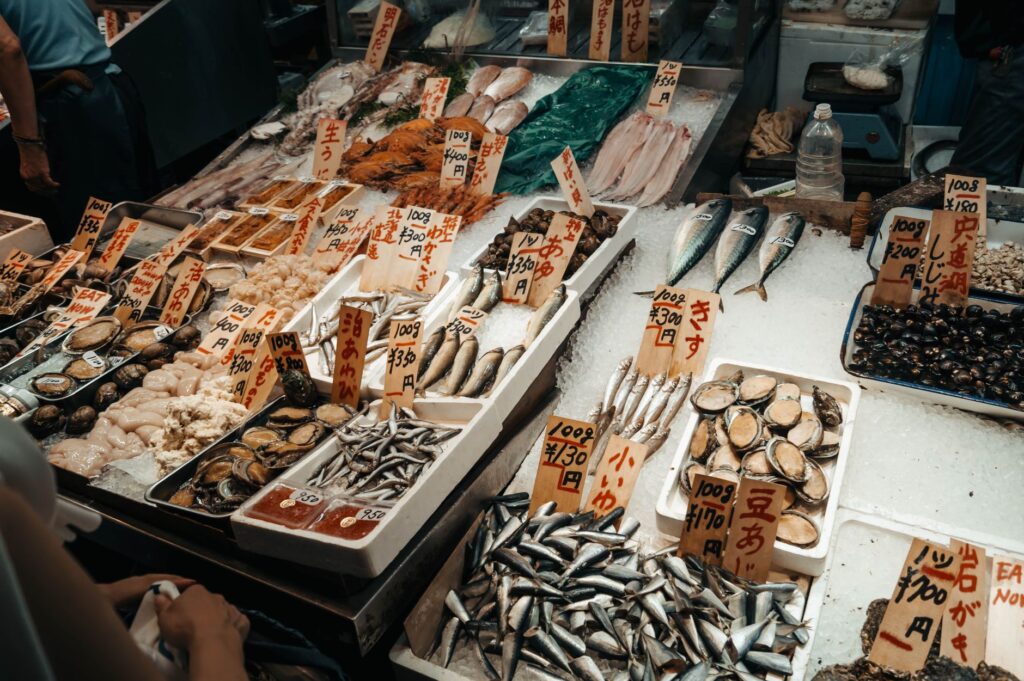
Nishiki Market, known as «Kyoto’s kitchen,» is a narrow five-block passage packed with stalls selling pickles, fish, sweets, and utensils. Its popularity has grown so much that it has become a critical point of crowding.
The fundamental rule is simple: eat at the establishment where you buy and dispose of waste there. Littering in the street is strictly prohibited and can result in fines. Carrying a bag for trash is a useful precaution when no nearby bin is available.
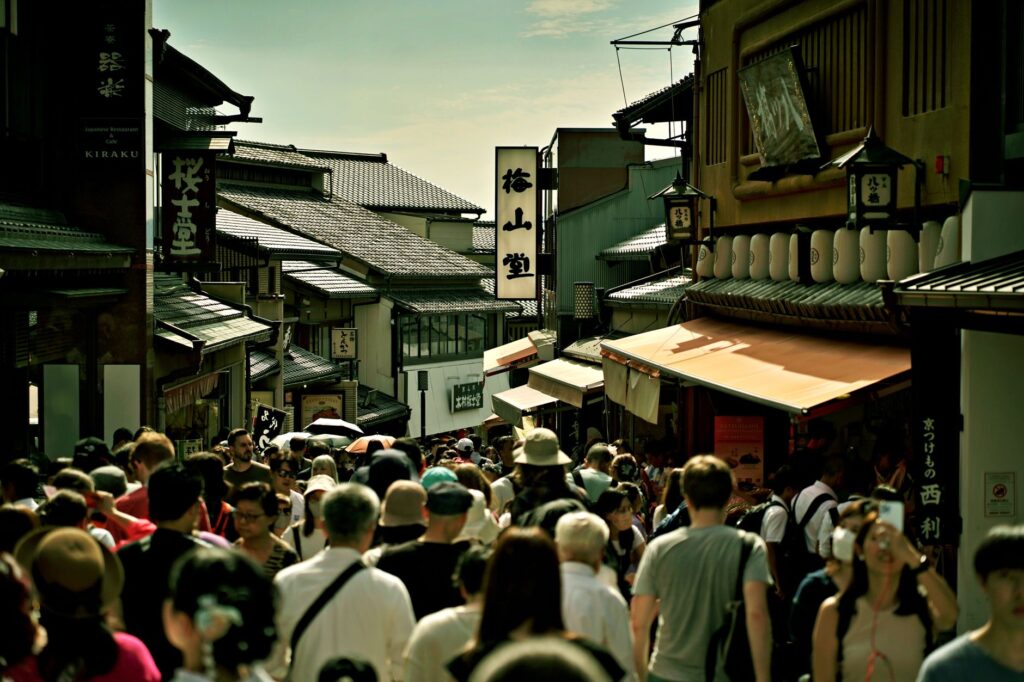
«Respect in Kyoto is shown in small gestures: not smoking in the street, not trespassing on private property, not leaving waste.»
Additionally, the city council has banned outdoor smoking in the center, including the areas of Kiyomizu, Gion, and around Kyoto Station. Those who need to smoke must find a designated area to avoid penalties.
Beyond the temples: neighborhoods that breathe
North of the city, the Ohara area offers a respite. Its temples, such as Sanzen-in, are integrated into a landscape of mountains and crops. Bus access from Kyoto Station is straightforward and allows combining the visit with walks along rural paths.
To the west, the Saga-Toriimoto neighborhood preserves thatched-roof farmhouses and craft shops. Nearby, Adashino Nenbutsu-ji Temple, with its thousands of stone statues, invites reflection. The area is accessible by train or bus and is usually less crowded than Arashiyama.
Fushimi, to the south, is the capital of sake. Its historic breweries, some centuries old, offer tours and tastings. Strolling along its canals at dusk, when the lanterns light up, is a serene and authentic experience.
The tea of Uji
Uji, on the outskirts, is famous for its green tea. Visiting its plantations and teahouses provides insight into the tea culture that permeates Kyoto. The train from Kyoto Station arrives in less than half an hour.
Moving with intelligence
Kyoto’s public transport is efficient but can become saturated. Using the bus or subway during off-peak hours, renting a bicycle for short distances, or walking along secondary routes are alternatives that reduce pressure on the system.
Station lockers and luggage storage allow you to leave your bags and move freely. The tourism office publishes a congestion forecast map that helps choose the least crowded times and places.
To reach areas like Miyama or Amanohashidate, you need to combine train and bus, so planning ahead is advisable. The rail network covers the south and west well, while buses reach the northern valleys.
The ethics of the traveler in Kyoto
The city has launched campaigns to promote sustainable tourism. The message is clear: visitors are welcome, but they must behave as guests. This means not chasing geiko, not eating while walking through the market, not smoking outside designated areas, and not entering private property.
It also means supporting the local economy: buying in craft shops, staying in traditional ryokan, savoring kyo-ryori cuisine, and participating in pottery or ikebana workshops. Every choice has a direct impact on the community.
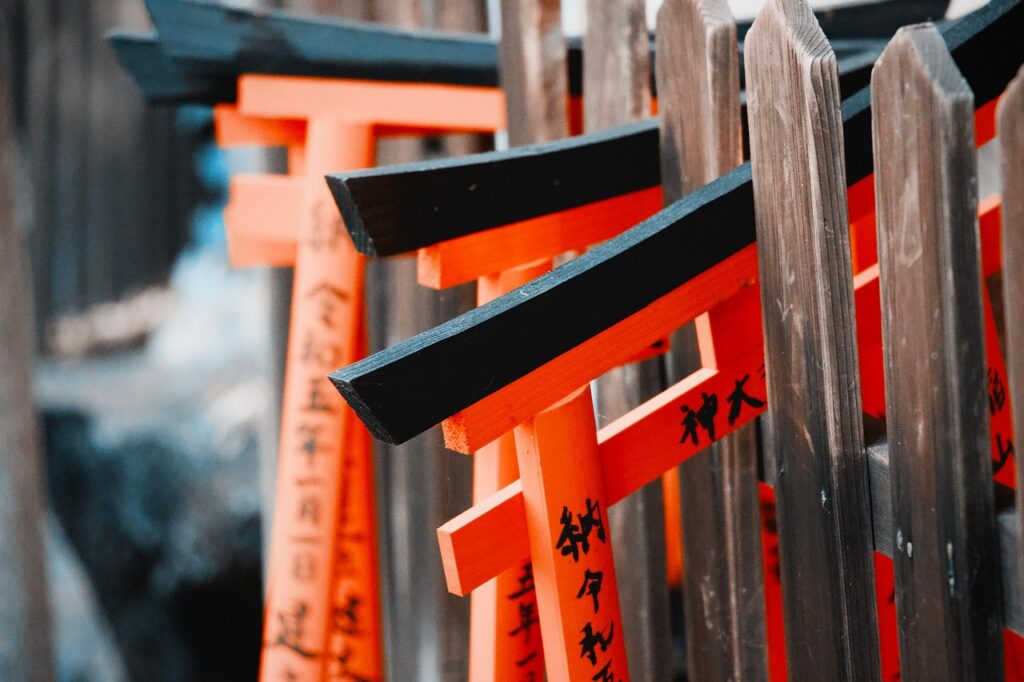
Accommodation with conscience
Peripheral neighborhoods offer restored machiya as lodging. Sleeping in a traditional wooden house, with its inner courtyard and wooden bath, is a way to connect with history without contributing to the saturation of the center.
Practical guide
When to go: Spring (late March to April) and autumn (November) are the busiest seasons. If you seek tranquility, winter offers snowy landscapes and fewer visitors, although some temples reduce hours. Summer is hot and humid; early mornings are your best ally.
Getting around: The city bus covers most tourist spots but can be crowded. The subway is faster for long journeys. Bicycles are ideal for exploring neighborhoods like Nishiyama or Fushimi. Taxis are comfortable but expensive.
Where to stay: The center (Shijo-Karasuma) is practical but noisy. The neighborhoods of Gion or Higashiyama offer charm but can be expensive and crowded. For a quieter experience, consider areas like Fushimi, Yamashina, or even Uji.
What to eat: Don’t miss yudofu (hot tofu), kyo-yasai (local vegetables), kyo-gashi sweets, and Uji tea. At Nishiki Market, eat at the stall and don’t wander with food.
Coexistence rules: No smoking in the street (fines), no littering, no blocking the way, no touching geiko or asking for photos without permission, no entering private property. Use designated bins or carry a bag for waste.
Budget: Kyoto can be expensive. Temples charge entrance fees between 300 and 600 yen. A simple meal costs around 1,000 yen; a ryokan with dinner can exceed 20,000 yen per night. One-day bus passes (600 yen) are useful.
Language: English is not universal. Learning basic Japanese phrases and using translation apps facilitates communication. Signs at stations are usually in English.
A closing look to the future
Kyoto faces a global challenge: how to preserve its soul while sharing its beauty with the world. The answer is not to close doors, but to manage flows and educate the visitor. Every traveler who decides to rise early, who ventures into a peripheral neighborhood, who respects an unwritten rule, contributes to the city remaining a place where daily life and history intertwine.
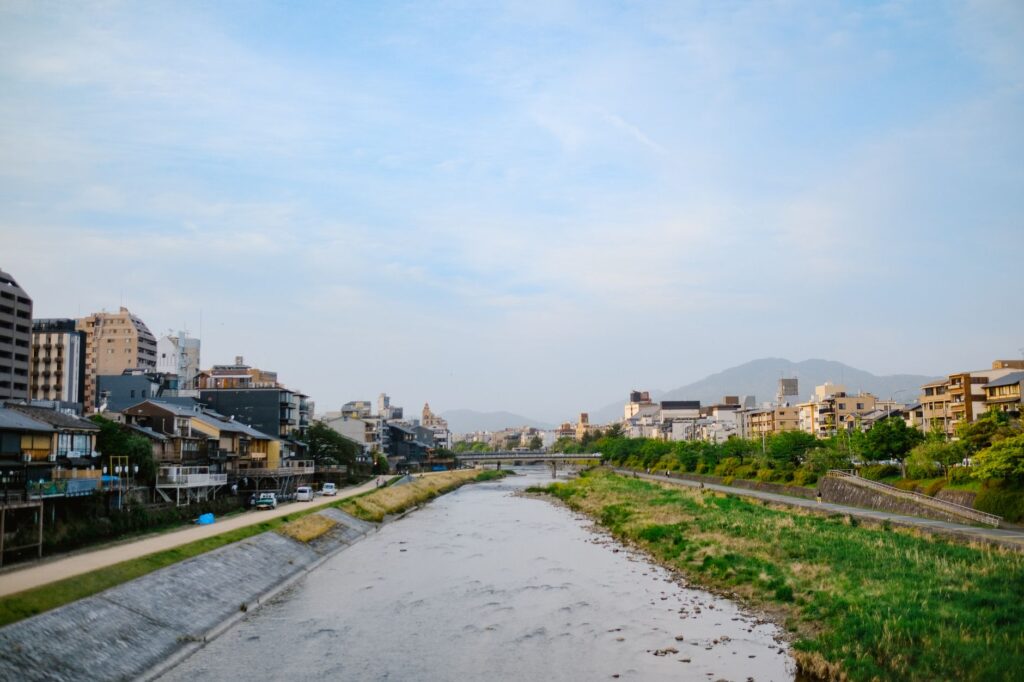
At the end of the day, when lights reflect on the Kamo River and the streets empty, Kyoto recovers its pulse. Residents come out for a walk, cats sleep on windowsills, and silence returns to the alleys. That is the Kyoto worth discovering: the one that beats in stillness, the one that offers itself to those who arrive with respect.