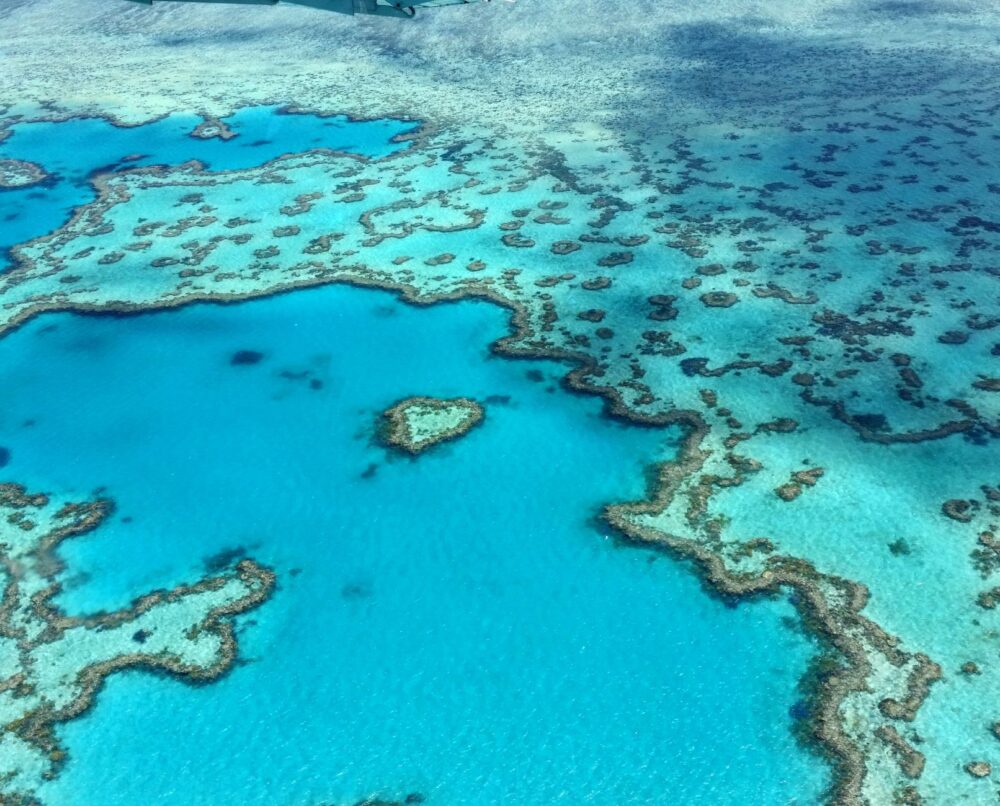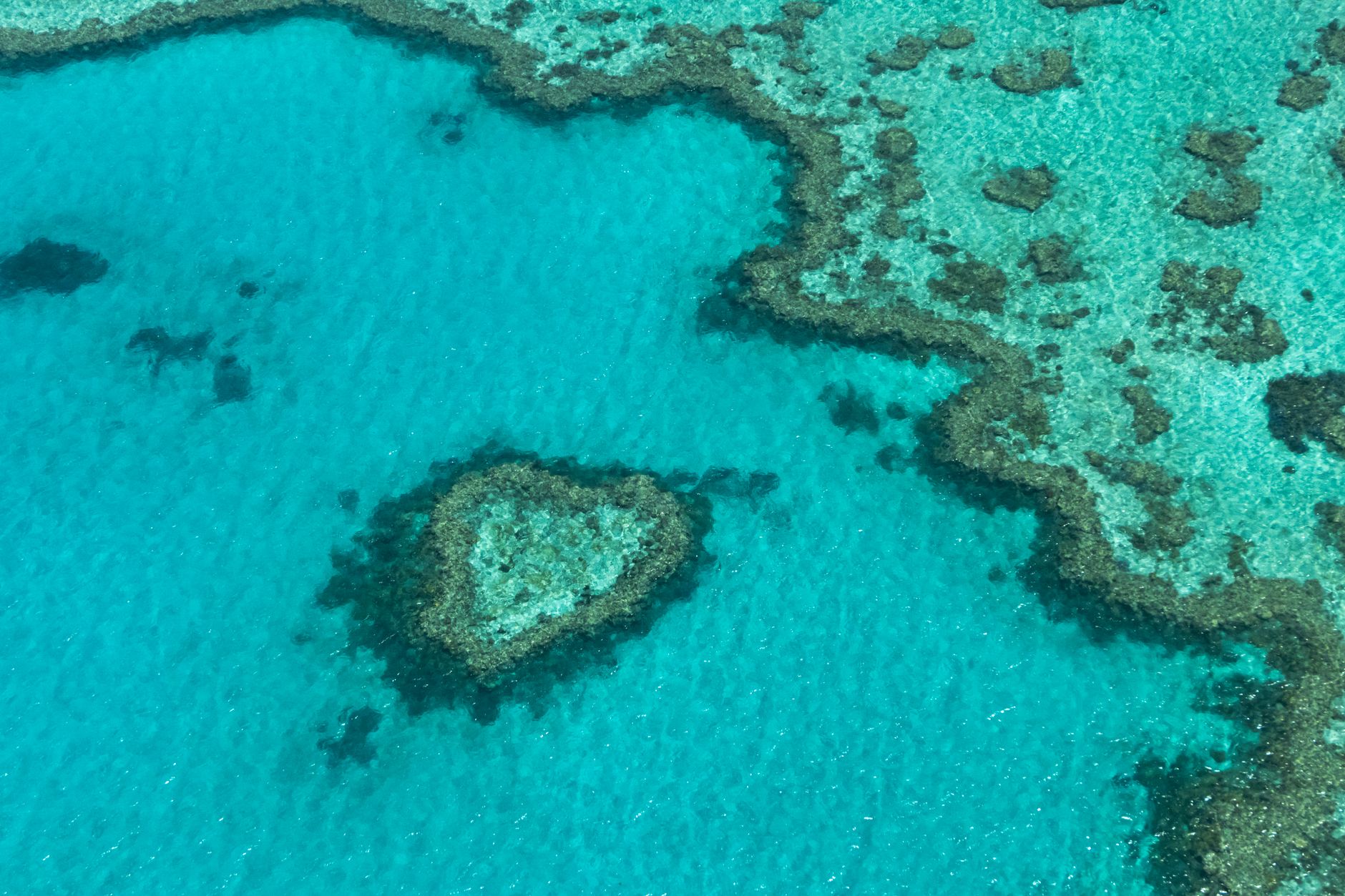

Off the northeast coast of Australia, along Queensland, stretches the largest coral reef system on Earth. The Great Barrier Reef covers roughly 348,000 square kilometres, contains around 2,500 individual reefs and more than 900 islands, and stands as one of the most complex and richest ecosystems on the planet. It is not merely a diving destination: it is a living structure that has evolved over millennia and now faces unprecedented pressures.
Visiting this place raises an uncomfortable but necessary question: how do you explore an ecosystem this fragile without contributing to its decline? The answer lies not in giving up on seeing it, but in understanding its rules, choosing wisely, and acting with awareness. This report offers a journey through its ecosystems, its inhabitants, and the decisions every traveller can make so their presence becomes part of the solution rather than the problem.
A mosaic of reefs, islands, and depths
The Great Barrier Reef extends for about 2,000 kilometres along the Queensland coast, from the Cape York region to near Bundaberg. Its diversity is not only horizontal but also vertical. It includes shallow inshore reefs, mid-shelf reefs, exposed outer reefs, and oceanic waters that plunge beyond 2,000 metres past the edge of the continental shelf.
This range of environments—from mangroves and seagrass meadows to sandy cays and large continental islands—explains why UNESCO inscribed it as a World Heritage site in 1981. What was protected was not an isolated reef but an entire system with its ecological connections.
The cross-shelf span is equally remarkable. The reef system stretches from the low water mark along the mainland coast to roughly 250 kilometres offshore, covering an area larger than many countries. Some continental islands rise more than 1,100 metres above sea level, while the surrounding waters drop into deep oceanic basins. This combination of shallow and deep habitats, of sheltered and exposed zones, creates a range of ecological niches that few other places on Earth can match.
Understanding this mosaic is the first step toward visiting responsibly. A reef is not a single destination but a network of interconnected environments, each with its own sensitivity and its own rules for human presence.
Four hundred corals, fifteen hundred fish
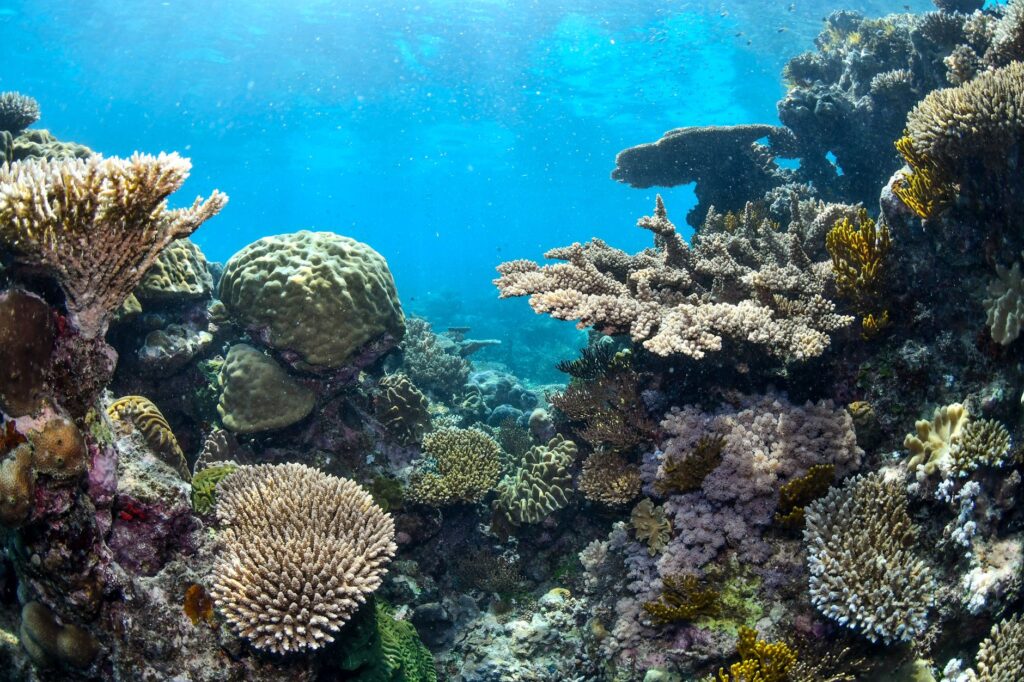
The figures UNESCO works with are telling: around 400 species of coral, some 1,500 species of fish, 4,000 species of molluscs, and about 240 species of birds. Add to that sponges, anemones, marine worms, and crustaceans in a diversity unmatched by any other World Heritage property.
Among the most emblematic inhabitants are the dugong, a herbivorous marine mammal related to the manatee, and the large green turtle. Both species are threatened and find critical habitat in the Great Barrier Reef. Raine Island, in the far north, hosts the world’s largest green turtle nesting area.
The reef also supports at least 30 species of whales and dolphins, and serves as a significant calving area for humpback whales. Six of the world’s seven species of marine turtle occur here. These are not isolated curiosities: they are indicators of an ecosystem healthy enough to sustain large, mobile animals that depend on multiple habitats across vast distances.
For a visitor, this abundance translates into a simple rule: observe, do not interfere. Marine wildlife is not an attraction to be chased or handled. Every interaction that alters an animal’s behaviour carries a cost, often invisible but real.
The Great Barrier Reef is not a static landscape viewed from a window: it is a living system that responds to every pressure, including that of poorly managed tourism.
An ecosystem shaped over millennia
The geological history of the Great Barrier Reef helps explain its value. The area has gone through at least four glacial and interglacial cycles. During glacial periods, sea levels dropped and the reefs were exposed as eroded limestone hills. During interglacials, the water rose again and corals recolonised the continental shelf.
That process continues today. Reefs grow, erode, and rebuild. Cores of old massive corals act as natural archives recording those changes. Understanding this timescale is key to appreciating what is at stake.
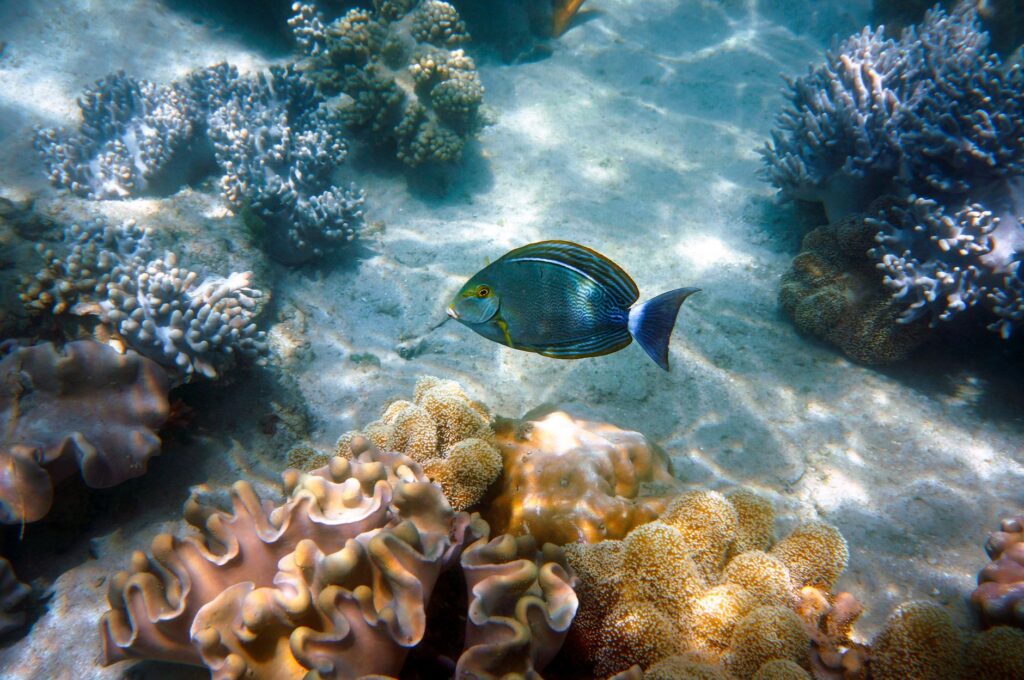
The reef as we know it is relatively young in geological terms: most of its current structure formed over the past 15,000 years, after the last glacial period. Yet the processes that shaped it are ongoing. Erosion and accretion of reefs, sand banks, and cays continue, influenced by currents, waves, and the slow work of calcifying organisms. Extensive beds of Halimeda algae, for instance, represent active calcification and accretion over thousands of years.
This long view matters for conservation. A reef that took millennia to develop cannot be restored in a decade. Protecting it means protecting the conditions that allow it to continue evolving.
The threats you cannot see from the surface
The Great Barrier Reef faces pressures of many kinds. Cyclones and outbreaks of the crown-of-thorns starfish are natural phenomena the ecosystem has faced before. But added to them are human impacts: warming waters, nutrient runoff from the coast, shipping, and coastal development.
Coral bleaching, caused by rising sea temperatures, is one of the most visible threats. When heat stress is prolonged, corals expel the symbiotic algae that give them colour and energy. If the phenomenon repeats too often, reefs have no time to recover.
Other pressures are less visible but equally significant. Runoff from agricultural and urban areas can carry sediments and nutrients that cloud the water and encourage algal growth, competing with corals for space and light. Shipping traffic, while regulated, carries risks of accidents and introduces invasive species through ballast water. Coastal development can alter currents and destroy nursery habitats such as mangroves and seagrass beds.
For visitors, the lesson is not to despair but to act within their sphere of influence. Choosing responsible operators, respecting regulations, and supporting conservation efforts are tangible ways to reduce individual impact.
Zoning: clear rules for multiple use
Most of the Great Barrier Reef lies within the Great Barrier Reef Marine Park, managed by an independent Australian government agency. The park operates as a multiple-use area: it allows commercial and recreational activities, but with different levels of protection depending on the zone.
Within the park there are approximately 115,000 square kilometres of no-take and no-entry zones. These areas function as integral reserves where no fishing or navigation is allowed. Zoning is the main management tool, complemented by specific plans, special management areas, and agreements with Traditional Owners.
The zoning system is not arbitrary. It is based on scientific assessment of habitats, species distributions, and ecological processes. No-take zones serve as reference areas where natural dynamics can unfold without direct human interference, and they help replenish adjacent areas through larval dispersal and adult movement.
The best way to protect a reef is to understand that not all sea is equal: some places must remain untouched so the rest can recover.
Traditional Owners and the sea as territory
The relationship between Aboriginal and Torres Strait Islander peoples and the Great Barrier Reef is not recent. Their ties to the sea include traditional fishing practices, places of cultural significance, and ecological knowledge passed down through generations.
That bond is reflected in the landscape: shell middens, fish traps, and sites associated with stories and marine totems form part of the area’s cultural heritage. Any responsible visit should acknowledge that this is not an empty territory but a space with deep human history.
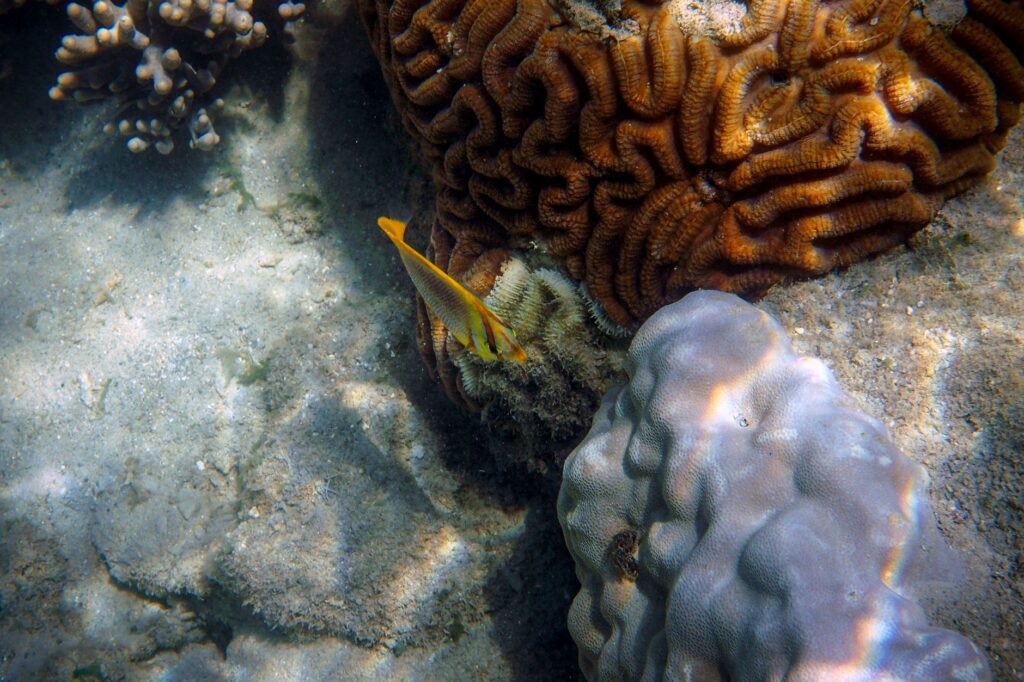
Today, Traditional Owners continue to play a role in managing sea country, often through formal agreements with park authorities. Their knowledge complements scientific research, offering insights into long-term changes and sustainable practices. Recognising this contribution is part of respecting the place.
What a visitor can do to avoid harming the reef
A visit to the Great Barrier Reef can be a transformative experience or an added pressure. The difference lies in the decisions. Choosing operators with environmental certification, respecting no-entry zones, not touching corals or chasing wildlife, and using suitable sunscreen are concrete gestures.
Timing and technique also matter. Diving or snorkelling with controlled buoyancy, keeping distance from turtles and dugongs, and not feeding fish are basic rules. Many operators offer interpretive talks explaining the ecosystem and local regulations.
- Book with operators holding sustainable tourism certification.
- Do not touch or stand on corals, even in shallow areas.
- Keep your distance from marine life and do not chase it.
- Use sunscreen free of substances harmful to coral.
- Do not collect shells, corals, or fragments from the seabed.
- Respect no-entry zones and special management areas.
Beyond these rules, attitude matters. Ask questions, listen to guides, and treat the reef as a host rather than a backdrop. Small actions accumulate: a careless fin kick can damage decades of coral growth, while a well-placed mooring can prevent anchor damage.
Beyond the reef: islands, cays, and mangroves
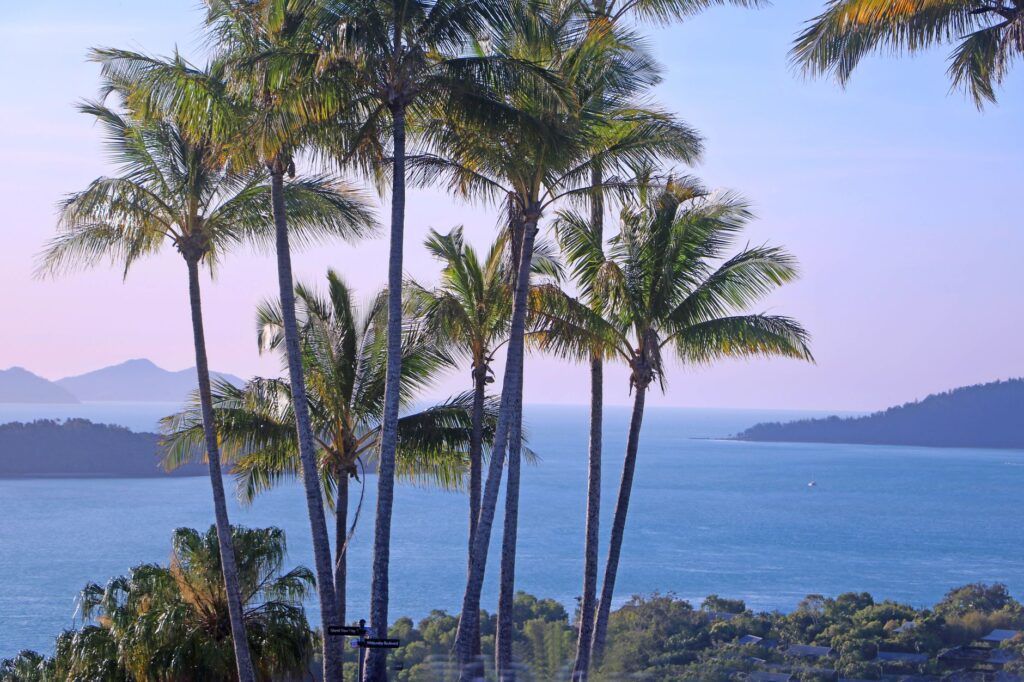
The Great Barrier Reef is not only coral. The Whitsunday Islands offer a landscape of green islands and sandy beaches over turquoise waters. Hinchinbrook Channel shelters extensive mangrove forests. On some continental islands, overwintering butterfly aggregations occur.
Sandy cays, formed by accumulated coral sediments, are nesting grounds for seabirds and turtles. Raine Island is the most prominent example, but not the only one. The diversity of habitats is what makes this place a complete system.
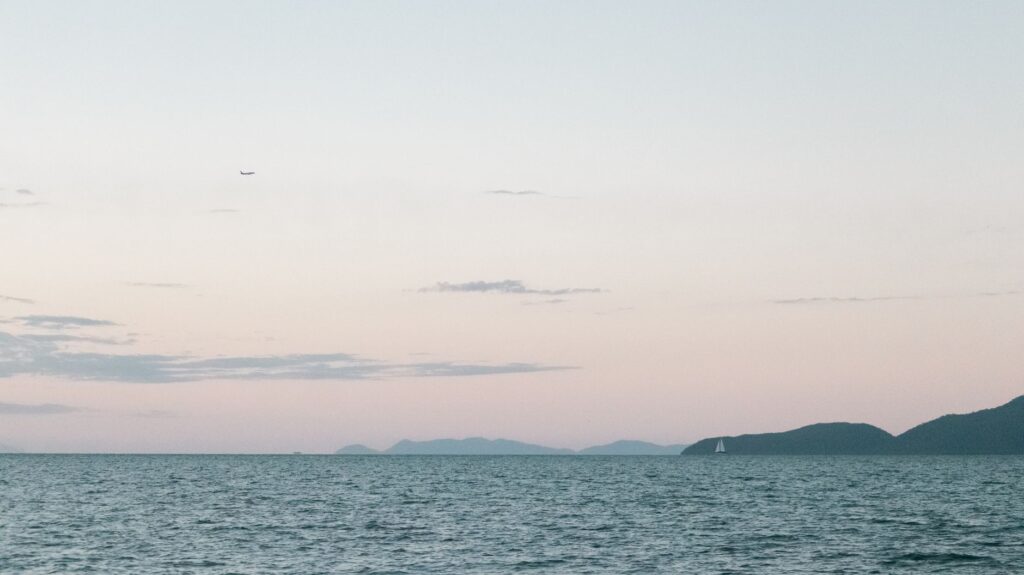
Mangroves and seagrass meadows, often overlooked by visitors focused on coral, are essential. They serve as nurseries for fish, feeding grounds for dugongs and turtles, and natural buffers against coastal erosion. Protecting them is as important as protecting the reefs themselves.
Practical guide
The best time to visit the Great Barrier Reef depends on the region. In the north, the wet season (November to April) brings heat, humidity, and possible cyclones. The dry season (May to October) usually offers more stable conditions. In the south, winters are milder and the water can be cooler.
The main access points are Cairns, Port Douglas, Townsville, and Airlie Beach, all in Queensland. From there, day trips and multi-day voyages depart. For diving, outer zones often offer better visibility; for snorkelling, inshore and mid-shelf reefs are more accessible.
It is advisable to book in advance during high season and verify that the operator complies with Marine Park regulations. Official information is available through the park’s managing authority. Bringing sun protection, water, and suitable footwear for boats is essential.
Beyond logistics, the key lies in attitude: observe without interfering, ask before acting, and understand that every visit leaves a mark. The Great Barrier Reef does not need tourists who admire it from afar, but visitors who understand and respect it.