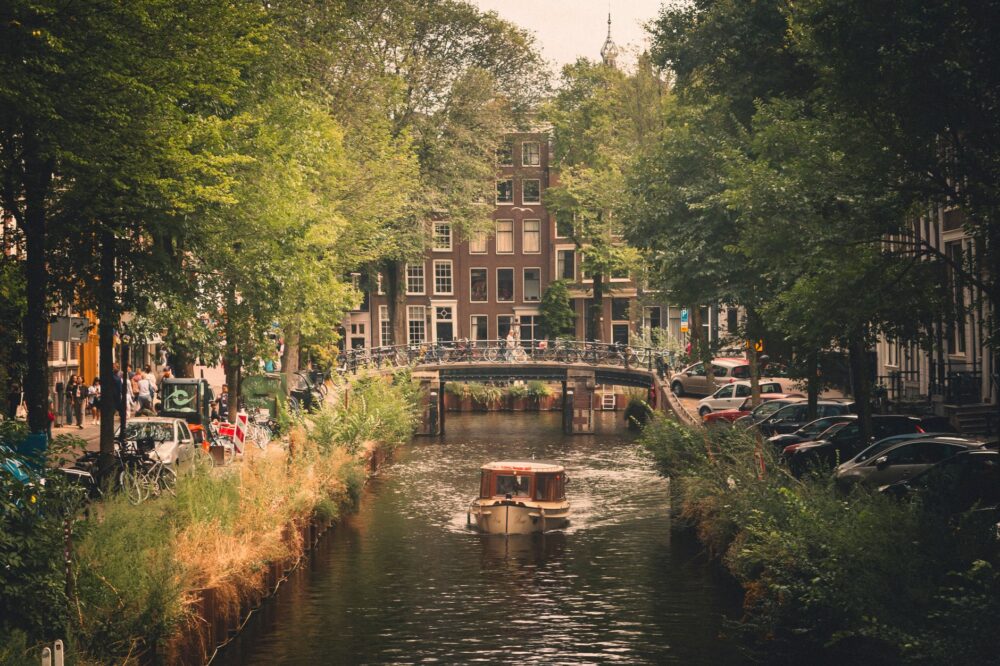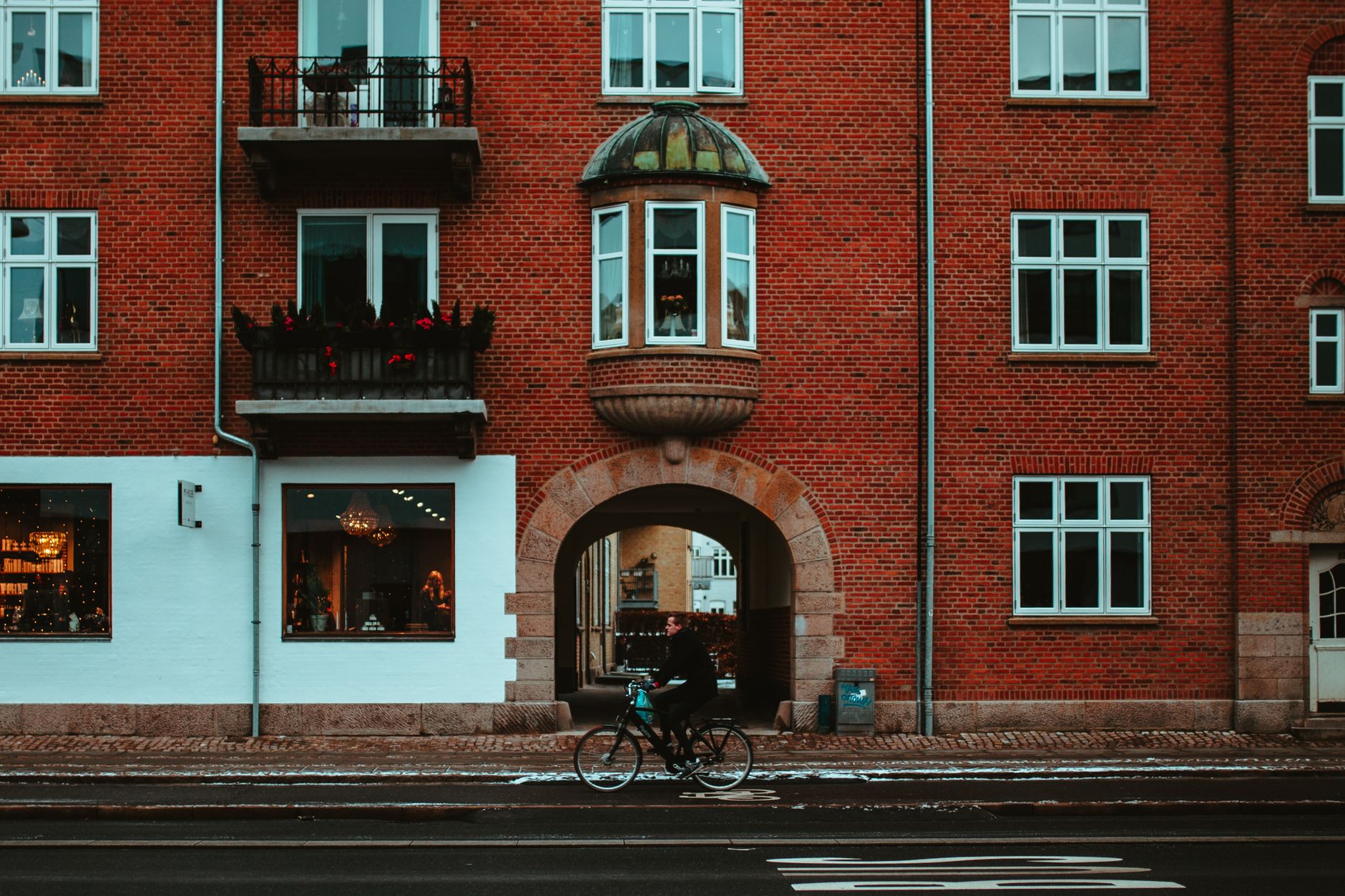

Copenhagen is not a city to be seen from a tour bus. It is to be experienced at handlebar height, with the Baltic wind in your face and the tinkle of bicycle bells as a soundtrack. In this city of just over 600,000 inhabitants, the bicycle is neither a trend nor a weekend accessory: it is the circulatory system of a metropolis that has chosen to prioritise people over cars. For the traveller, this means more than renting a bike: it means rethinking your own travel habits and discovering that sustainability, when well designed, is simply more convenient.
Denmark has spent decades investing in a network of segregated cycle lanes, bicycle-only bridges and a culture of coexistence that is learned from childhood. The result is a city where cycling is the fastest, safest and most pleasant way to get around. This report explores what visitors can learn from that model and how to participate in it without becoming an obstacle.
A network that is not improvised
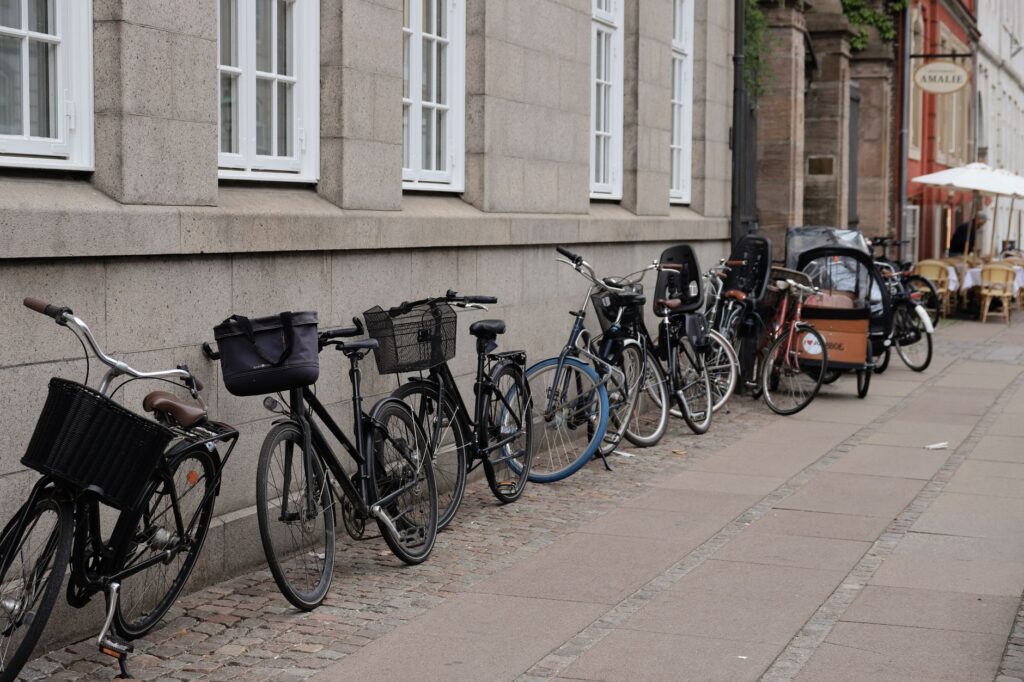
The first thing that strikes you on arriving in Copenhagen is the naturalness with which thousands of people cycle every morning. There is no fuss, no high-end gear: grandmothers with shopping, executives in suits, students with books in their baskets. The infrastructure makes it possible. Cycle lanes are separated from motor traffic and pavements, with their own signage, adapted traffic lights and priority at intersections.
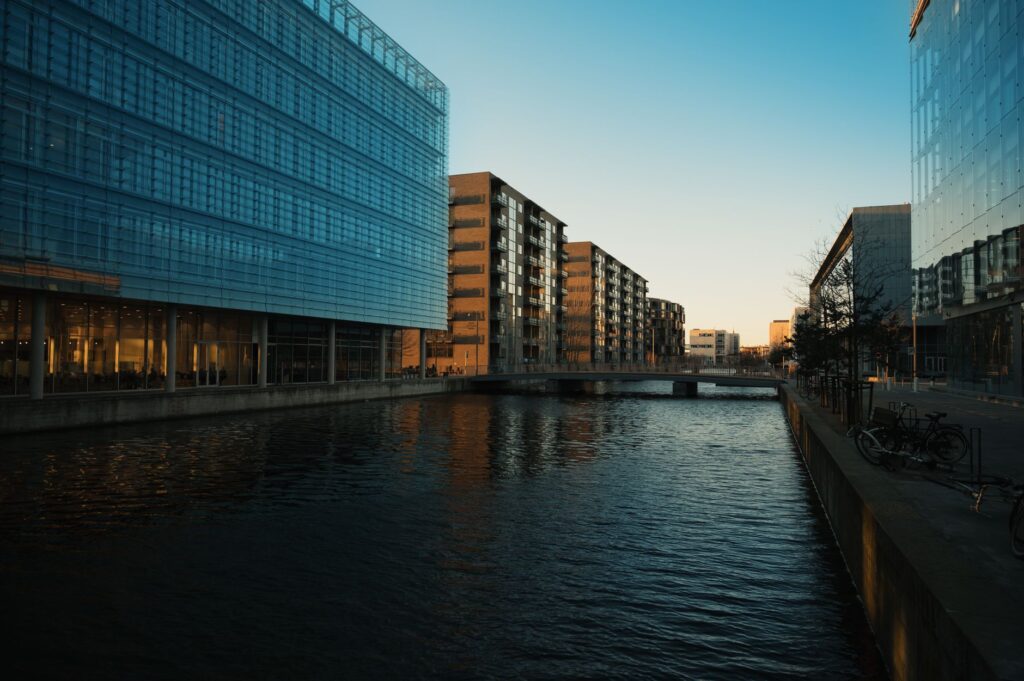
The city has more than 380 kilometres of cycle paths, according to municipal data, and a network of exclusive bridges crossing canals and the harbour. The Dronning Louises bridge, Bryggebroen and the recent Lille Langebro are examples of how engineering can blend into the landscape without breaking it. The key is not just the number of kilometres, but continuity and perceived safety.
For visitors, this translates into enormous freedom. You do not need to plan complicated routes: just follow the lanes and let yourself go. That said, it is wise to respect the unwritten rules: signal with your hand, do not invade the opposite lane and keep a steady pace.
More than bicycles: a culture of coexistence
Active mobility in Copenhagen is not limited to two wheels. Walking is equally pleasant, thanks to wide pavements, pedestrian streets and careful lighting that invites strolling even in winter. Public transport, with electric buses and a metro powered by renewable energy, completes an ecosystem where the private car is almost a rarity.
This coexistence was not always easy. Decades ago, as in so many cities, the automobile dominated public space. The transformation required political will, sustained investment and a profound cultural shift. Today, cafés with terraces next to cycle lanes, benches facing the flow of cyclists and linear parks are part of an urban design that prioritises social life.
“The bicycle is not an end in itself, but a tool to reclaim the city for people,” summarises a local urbanist who prefers to keep a low profile.
Visitors who opt for the bike discover that Copenhagen becomes smaller and more human. Journeys that seem long by metro become fifteen-minute rides. And, above all, you participate in a collective choreography that has something of a dance about it.
Neighbourhoods best explored by bike
Each area of Copenhagen has its own character, and the bicycle is the best way to savour it. In Vesterbro, the former working-class district now full of galleries and specialty coffee shops, cycle lanes wind between brick buildings and inner courtyards. In Nørrebro, the most multicultural, the bike shares space with food markets and parks where the community gathers.
On the other side of the harbour, Christianshavn offers canals and houseboats best discovered on two wheels. And in Østerbro, residential elegance combines with wide tree-lined avenues and quick access to urban beaches. The diversity of landscapes within just a few kilometres is one of the great attractions of the Danish capital.
For those seeking something quieter, the southern neighbourhoods, such as Amager, offer seaside routes and green areas where the pace slows down. The cycle network connects all these points without needing to touch a conventional road.
Sustainability as an everyday experience
Beyond infrastructure, Copenhagen has integrated sustainability into daily life. Supermarkets offer local products, restaurants compete to reduce waste and citizen initiatives, such as harbour clean-ups or urban gardens, invite participation. The CopenPay programme, promoted by the tourist office, rewards visitors who take responsible actions — from picking up litter to choosing the bike — with perks such as free coffee or museum entry.
This approach is not a marketing campaign, but an extension of the Danish philosophy of hygge: caring for the environment and enjoying the simple things. Travellers who join these practices not only reduce their footprint but also access a more authentic layer of the city.
“It is not about prohibiting, but about rewarding what we already do well,” explain those in the local tourism sector.
Eat, drink and pedal: the perfect route
Danish gastronomy has gained world fame, and the bicycle allows you to discover it without guilt. A typical route might start with a specialty coffee in Vesterbro, continue with a smørrebrød (open sandwich) at a market like Torvehallerne and finish with a craft beer in Nørrebro. In between, kilometres of safe lanes and parks to rest in.
The food trucks at Reffen, on Refshaleøen, are another must. You arrive by bike, eat outdoors and contemplate the harbour horizon. The offer is varied and many stalls prioritise organic ingredients. For the traveller, the combination of gentle exercise and quality food is hard to beat.
Beyond the centre: escapes on wheels
The cycle network does not end in the centre. Thanks to trains that allow bicycles on board, it is possible to explore the surroundings. To the north, the coast of Klampenborg and the Deer Park offer forests and beaches less than half an hour away. To the south, Dragør preserves a historic quarter of yellow houses and a quiet harbour. And to the east, the island of Amager surprises with fishing villages and nature reserves.
These excursions help you understand that active mobility is not only urban: it is also a form of slow tourism that reveals lesser-known landscapes. It is advisable, however, to check timetables and rules for carrying bicycles on trains, which can vary by season.
Responsible choices for visitors
Travelling to Copenhagen conscientiously means more than renting a bike. It means choosing accommodation with environmental certifications, avoiding single-use plastics and respecting public spaces. It also means informing yourself about traffic rules: cycle lanes are not for strolling, and pedestrians have priority on pavements.
Tourists can contribute by choosing low-impact activities, such as visits to local museums, farmers’ markets or guided walking routes. The city offers numerous options for those who want to learn without leaving a trace. The best way to thank Copenhagen for its hospitality is not to disrupt its rhythm.
Practical guide
Getting around: Renting a bicycle is easy; there are many rental points and public systems. Lanes are well signposted, but it is worth familiarising yourself with the rules: use your bell, signal turns and obey traffic lights. The metro and buses allow bicycles at certain times, though it is best to check current conditions.
When to go: From May to September the weather is milder, with long days. Autumn offers golden colours and fewer crowds. In winter, cycling is still viable if you wear appropriate clothing, although snow can complicate some sections.
Where to eat: Markets like Torvehallerne or Reffen are ideal for sampling local cuisine without great expense. Many cafés offer discounts to those who arrive by bike.
What to avoid: Do not ride on pavements or in pedestrian zones. Do not leave your bike in unauthorised places. And above all, do not underestimate the priority the city gives to cyclists: it is their space, and they defend it rightly.
Budget: Cycling is economical; daily rental costs about the same as a couple of coffees. Most main attractions are accessible at no extra cost.
A closing note on two wheels
At dusk, when the lanes fill with flashing lights and the air smells of sea and freshly baked bread, Copenhagen reveals its true nature. It is not a city to be seen from the outside, but experienced from within. Pedalling through its streets is accepting an invitation to be part of something bigger: a community that has chosen coexistence over speed, health over haste and sustainability over immediate comfort.
For visitors, the lesson is clear. You do not need to be an expert cyclist or an environmental activist. You just need to get on a bike, follow the flow and let yourself go. In Copenhagen, active mobility is not an obligation: it is a privilege the city offers to those who dare to pedal.