
Odisha, India: Where Ancient Traditions Still Shape Everyday Life
In the eastern Indian state of Odisha, tradition is not a spectacle for tourists but a way of life passed down through generations. From the ancient rock-cut caves of Khandagiri and Udaigiri to the dances offered to deities in temples, every corner of this region tells a story of devotion and continuity. Unlike other destinations where heritage has become a product, here cultural practices remain rooted in the daily lives of its people.
This report explores how communities in Odisha keep their traditions alive while facing the challenges of modernity. It is not a nostalgic journey but a journalistic look at a territory where the sacred and the profane coexist without apparent contradiction.
A land marked by stone and faith
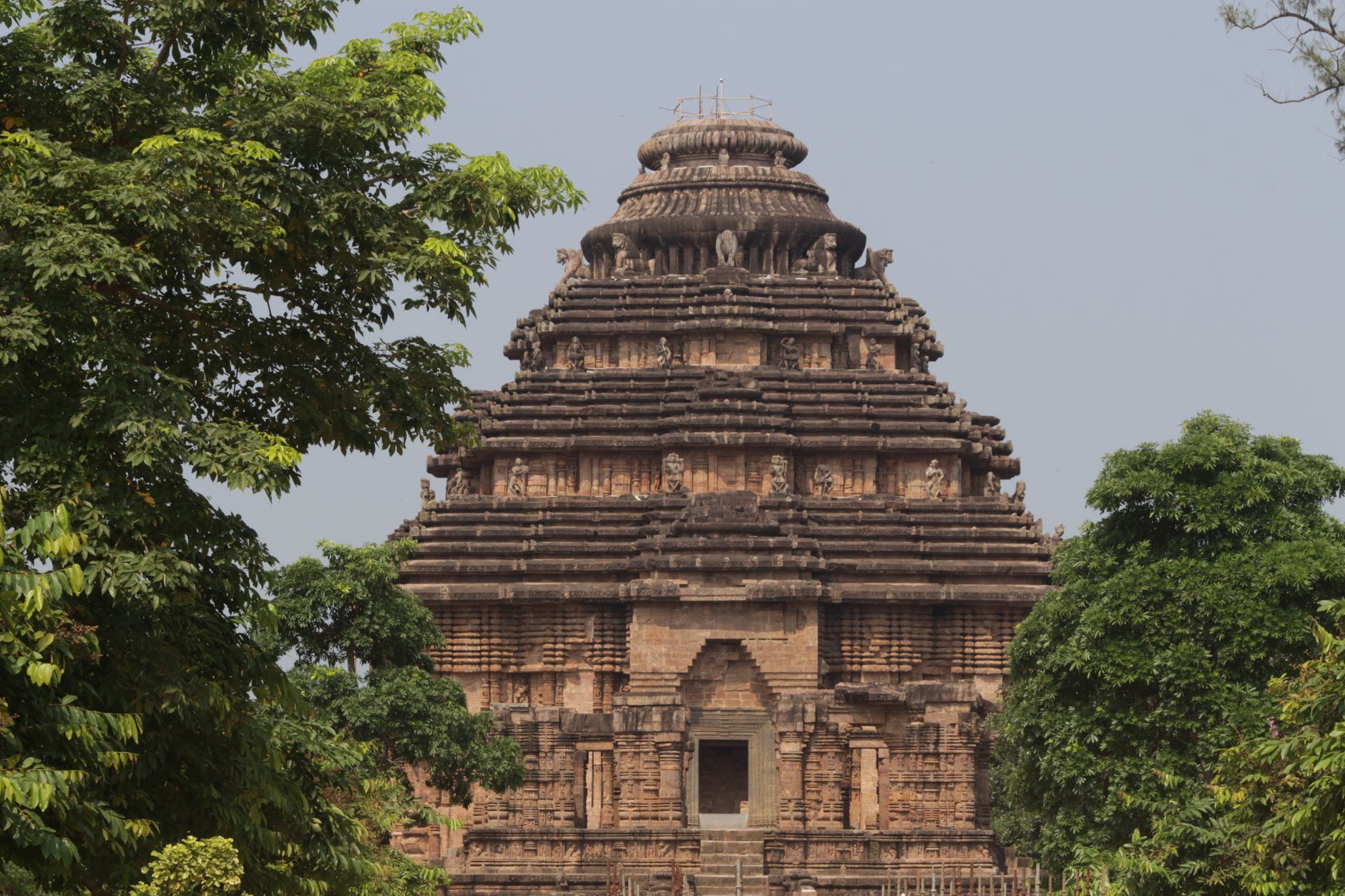
Odisha, located on India’s eastern coast, is known for its rich cultural heritage. Its temples, many of them UNESCO World Heritage sites, stand as testaments to dynasties that ruled for centuries. But beyond the monuments, what sets this state apart is the vitality of its traditions. In villages, artisans still shape metal and wood using ancestral techniques; in markets, the colors of spices and fabrics tell stories of trade and ritual.
Odisha’s geography combines fertile plains, forested hills, and an extensive coastline. This diversity is reflected in its cultural practices, from the water dances of fishermen to the agricultural rituals of the interior. Odia identity is built on a deep spirituality that permeates every aspect of daily life.
The state is also home to a significant tribal population, whose customs and languages add layers to the region’s cultural fabric. These communities have preserved their own festivals, healing practices, and crafts, often in harmony with the dominant Hindu traditions. For the visitor, this means that Odisha offers not a single narrative but a mosaic of voices, each with its own rhythm and reason.
Dances that tell sacred stories
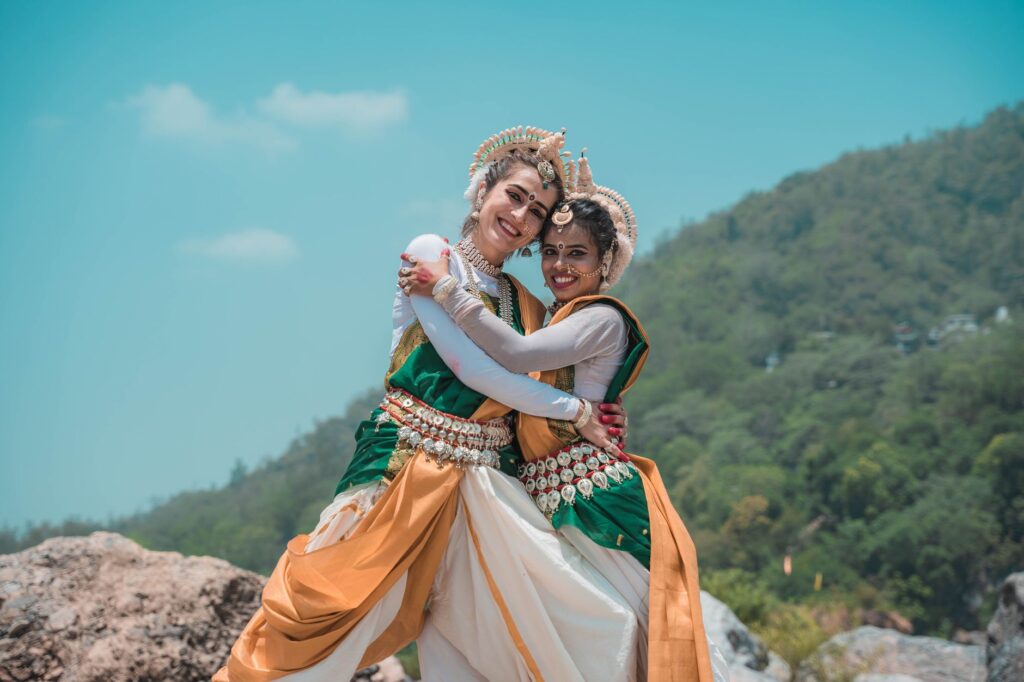
One of Odisha’s most emblematic expressions is Odissi dance, recognized as one of India’s eight classical forms. Its graceful movements and sculptural poses evoke the figures carved in temples. But dance is not just a performing art: in many communities, it remains an offering to deities. The dancers, known as maharis, traditionally dedicated their lives to temple service, though today the practice has evolved into more secular forms.
In villages near Bhubaneswar, the state capital, one can observe rehearsals and performances that maintain the purity of traditional styles. Masters pass on to their disciples not only the movements but also the spiritual meaning of each gesture. Dance thus becomes a vehicle of collective memory, a language connecting the present with the past.
«Dance is not just an art: it is a prayer offered with the body,» explains a local master, summarizing the essence of a tradition that resists being folklorized.
Other dance forms, such as Gotipua and Chhau, also thrive in Odisha. Gotipua, performed by young boys dressed as girls, is considered a precursor to Odissi and is still taught in villages like Raghurajpur. Chhau, a masked dance from the Mayurbhanj district, combines martial movements with storytelling, often depicting episodes from the epics. These forms are not mere relics; they are practiced regularly, especially during festivals, and are passed down through families and local academies.
Crafts that sustain ritual life
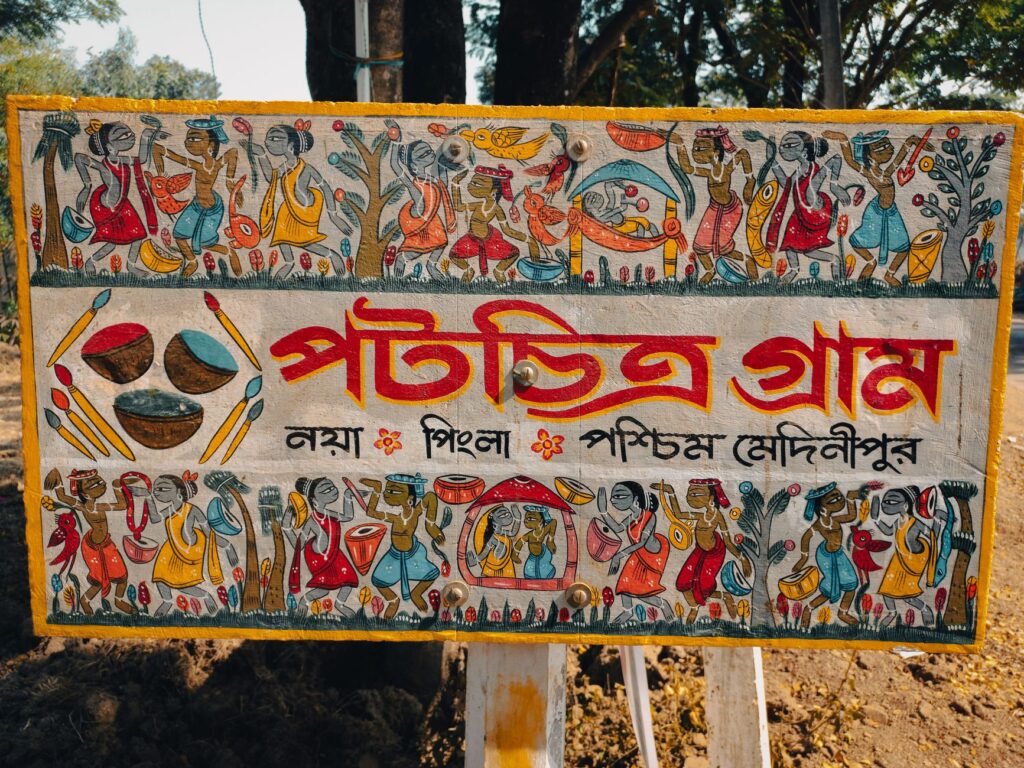
Odisha is famous for its artisans, whose works not only decorate temples but also serve ritual functions. The chitrakaras, traditional painters, create images of deities on cloth and wood; the patachitras, painted scrolls narrating epics, are unfurled during festivities. In the villages of Raghurajpur, a heritage village, families have perfected these techniques over centuries.
Pottery, stone carving, and silver filigree are other outstanding expressions. In the markets of Cuttack and Bhubaneswar, visitors can buy unique pieces but also observe the creative process. The value of these objects lies in their symbolic function: each is destined for a specific use in worship or community celebrations.
Silver filigree, known as tarkasi, is a specialty of Cuttack. Artisans twist fine silver wires into intricate designs, often depicting floral or geometric motifs. These pieces are used in jewelry and ritual objects, and their creation requires years of training. Similarly, the stone carvers of Lalitgiri and Ratnagiri continue a tradition that dates back to the Buddhist monasteries of the first millennium. Their work, however, faces competition from cheaper machine-made items, and many artisans struggle to find apprentices.
The Jagannath Temple: epicenter of devotion
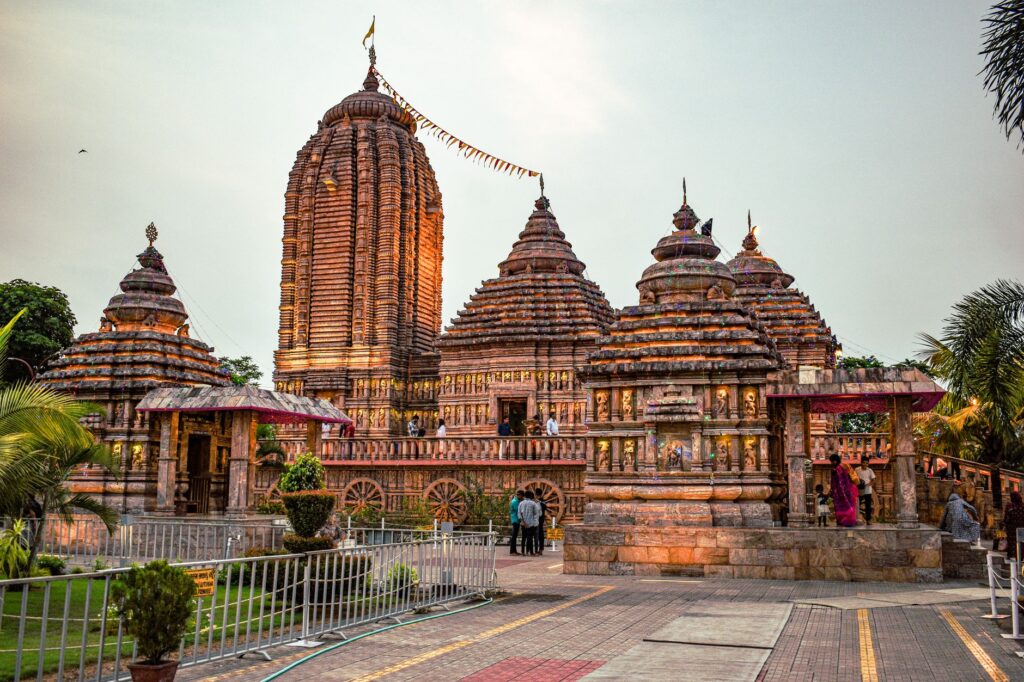
In the coastal city of Puri stands the Jagannath Temple, one of India’s most important pilgrimage centers. Every year, millions of devotees attend the Rath Yatra festival, during which images of the deities are transported on enormous wooden chariots. This event, dating back centuries, exemplifies how religion intertwines with the social and economic life of the region.
Around the temple, life revolves around offerings and rituals. The sevayats, or temple servants, perform hereditary duties dating back generations. Although access to the temple interior is restricted to Hindus, visitors can admire the exterior architecture and immerse themselves in the atmosphere of devotion that pervades the city.
The temple kitchen, one of the largest in the world, prepares the mahaprasad, a sacred meal cooked in earthen pots stacked over wood fires. This food is later distributed to pilgrims and sold in the Ananda Bazaar, the temple’s market. The scale of the operation is staggering, yet it remains a ritual act, performed with precise rules and devotion. For the visitor, observing the crowds and the orderly chaos around the temple is an experience in itself, even without entering the inner sanctum.
Rock-cut caves and ancient memory
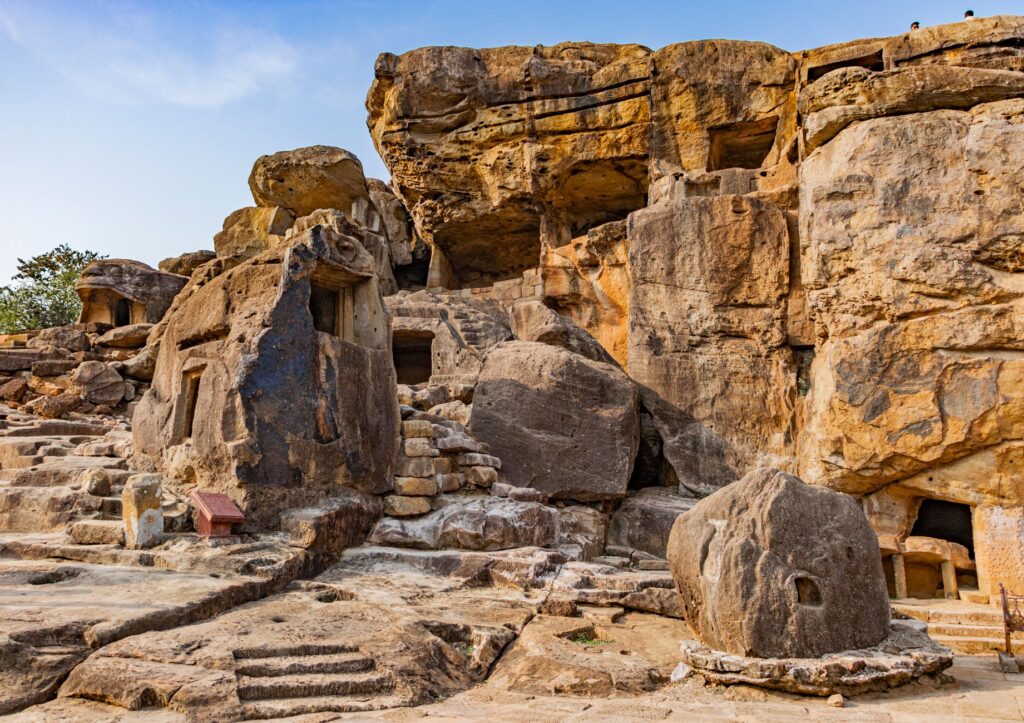
A few kilometers from Bhubaneswar, the hills of Khandagiri and Udaigiri house caves excavated by Jain monks in the 1st and 2nd centuries BC. These ancient shelters, with their inscriptions and reliefs, offer a window into a remote past. Although Jainism is no longer the dominant religion in the region, these sites are still revered and studied.
Preserving these monuments is a constant challenge. Local authorities and heritage organizations work to protect them from erosion and vandalism, but the balance between tourism and preservation is delicate. Odisha’s history is read in its stones, and every visitor has a responsibility to contribute to their care.
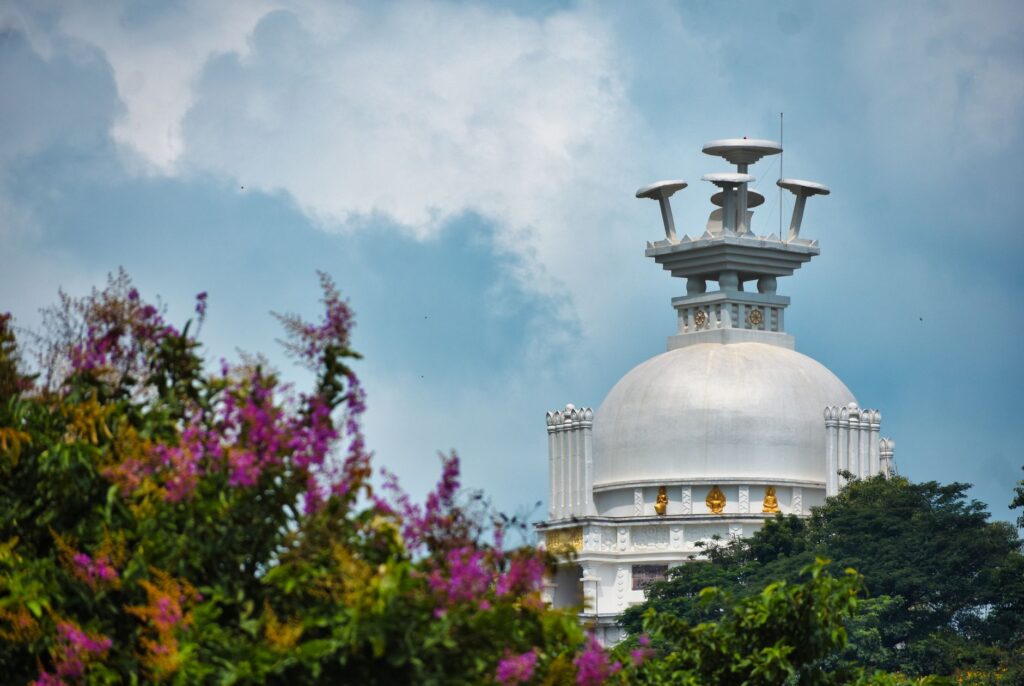
Nearby, the Udayagiri and Khandagiri caves are often visited together with the ancient site of Dhauli, where a rock edict of Emperor Ashoka stands. This edict, dating from the 3rd century BC, marks a turning point in Indian history, as it proclaims the emperor’s embrace of non-violence and his efforts to spread moral governance. The site is now a peace pagoda, and its serene atmosphere contrasts with the bustle of nearby Bhubaneswar.
Gastronomy: flavors of land and sea
Odisha’s cuisine reflects its geography and history. Rice is the staple, accompanied by lentils, vegetables, and fish in coastal areas. Dishes like dalma (lentils with vegetables) and chhena poda (a fresh cheese dessert) are emblematic. In markets, vendors offer freshly ground spices and traditional sweets made following family recipes.
Food is not just sustenance: it is also an offering. In temples, sacred meals are prepared and then distributed among the faithful. This practice, known as mahaprasad, underscores the connection between the material and the spiritual that defines Odia culture.
Street food in Odisha is a world of its own. In Cuttack, the dahibara aludum—lentil dumplings soaked in yogurt and served with spiced potato curry—is a popular breakfast. In Bhubaneswar, vendors sell gupchup (pani puri) with a distinct local tang. These foods are not just cheap eats; they are part of the social fabric, enjoyed by people from all walks of life. For the traveler, trying them is a way to taste the everyday rhythm of the state.
Challenges and hopes of a living tradition
As in many regions of the world, Odisha’s traditions face pressures from globalization and migration. Young people often move to cities in search of opportunities, leaving behind inherited trades. However, there are initiatives to revitalize the arts and ensure their continuity. Dance schools, artisan cooperatives, and community tourism programs seek to keep the legacy alive.
The responsible visitor can contribute to these efforts by buying directly from artisans, respecting sacred spaces, and participating in cultural activities with an attitude of learning. Odisha is not a museum but a living organism that adapts without losing its essence.
Environmental challenges also loom large. The coastline is vulnerable to cyclones, and the state has experienced severe storms in recent years. These events affect not only livelihoods but also heritage sites, as saltwater and wind erode ancient structures. Conservation efforts are ongoing, but they require resources and community involvement. Visitors can support by following local guidelines and avoiding activities that damage the environment.
Practical guide
For those wishing to explore Odisha, here are some recommendations:
- Best time to travel: October to March, when the climate is drier and festivities abound.
- Getting there: Bhubaneswar airport has connections to major Indian cities. There are also regular trains from Kolkata and Chennai.
- Accommodation: Bhubaneswar and Puri offer options for all budgets, from luxury hotels to guesthouses.
- What to bring: Light, modest clothing, especially for visiting temples. Comfortable walking shoes are recommended.
- Cultural respect: Avoid photographing without permission in sacred spaces. In some temples, access is restricted to Hindus.
- Shopping: Buy handicrafts directly from producers in villages like Raghurajpur.
- Health and safety: Drink bottled water, use mosquito repellent, and be mindful of the heat during midday.
- Local transport: Auto-rickshaws and taxis are available in cities; for rural areas, hiring a car with a driver is often the most practical option.
Experiencing Odisha requires time and curiosity. It is not a checklist of monuments but an encounter with a culture expressed in every gesture, object, and dish.
A closing amid colors and silences
At sunset, the streets of Bhubaneswar fill with lights and sounds. Temples glow, and floral offerings perfume the air. At that moment, one understands that Odisha is much more than a destination: it is a lesson in cultural resilience. Traditions are not preserved by decree but because communities consider them their reason for being. The traveler who approaches with respect and curiosity takes away not only images but the certainty that there are worlds where the sacred still has a place in everyday life.