Introduction to the Border of Ice and Rails in Siberia
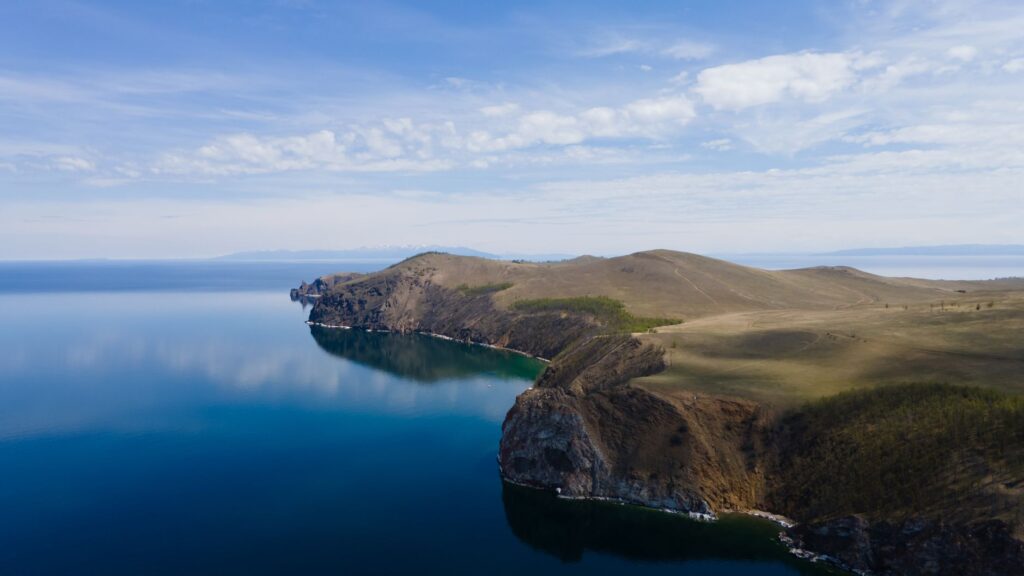
The territory hugging the southern shore of Lake Baikal in the heart of eastern Siberia represents one of the most remote engineering and adventure landscapes on the planet. The historic Circum-Baikal line, now transformed into a heritage detour and essential expedition corridor, winds between cliffs of black granite and the deep waters of the world’s most voluminous freshwater body. Planning a railway and trekking traverse along this steel scar requires understanding not only local matnia train schedules but also the extreme climate governing the Asian continent during seasonal transition months.
Throughout this report, we will examine the technical infrastructure that made boring thirty-nine tunnels across eighty-four kilometers of rugged coastline possible. We will analyze available rolling stock, mandatory stops at enclaves like Sludyanka and Port Baikal, and the indispensable logistical guidelines required to navigate geographical isolation where self-sufficiency remains the sole guarantee of success for specialized expedition and historical transport travelers.
Tunnel Engineering and the Living Rock of Baikal
The construction of the Circum-Baikal between 1902 and 1904 constituted a titanic challenge for the Russian Empire, which needed to connect the strategic Trans-Siberian section interrupted by the impassable waters of the lake during freezing winters. Engineers were forced to blast vertical metamorphic rock walls using rudimentary technology, imported dynamite, and the forced labor of thousands of convicts and displaced workers. Each tunnel possesses a unique architectural identity, lined in some sections with local ashlar stone and left as raw living rock in others to withstand the pressures of frozen terrain.
Navigating these passageways on foot or via diesel railcars popularly known as Monishka reveals the geometric precision with which curves were laid out to prevent continuous hillside rockfalls. The constant humidity dripping from arched ceilings contrasts with the arid surrounding steppe, creating an underground microclimate where ice icicles persist well into the spring thaw. Technical inspection of these structures requires continuous railway authority maintenance to prevent lake water erosion from undermining retaining wall foundations.

The roar of the diesel engine rebounding against the granite walls of tunnel number eighteen serves as the most eloquent reminder that machines continue to conquer the mountain in the Siberian frontier.
For travelers choosing to walk the route along the old service road, knowing the exact locations of emergency shelters and satellite communication points is as vital as proper technical footwear. Tunnels lack artificial illumination, making high-power headlamps and spare batteries an uncompromised safety rule before crossing dark sections exceeding three hundred meters in length.
Transport Logistics: Connections, Railways, and Access Routes
The backbone of access to the Circum-Baikal originates in the city of Irkutsk, eastern Siberia’s most important urban and cultural hub. From the main station, regional convoys connect with Sludyanka, situated at the southwestern tip of the lake and famous as the world’s only railway station built entirely of polished white marble. This exact point marks the beginning of the historic route descending along the water’s edge.
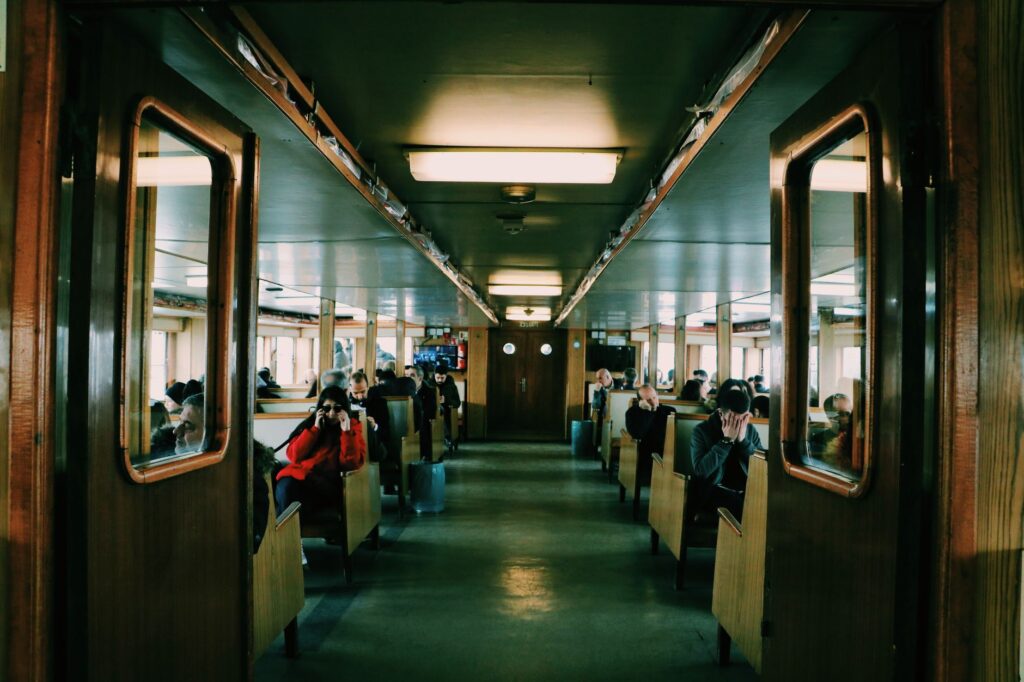
Passenger transport along the route relies on local commuter trains operating several times weekly, specifically adapted to withstand the region’s severe thermal rigors. These convoys feature coal-steam heating systems and reinforced wooden benches designed to endure backpackers, researchers, and local residents who depend entirely on this rail line for supplies. Punctuality may be unpredictably affected by track maintenance operations or minor rockfalls triggered by spring thaw cycles.
Another high-value logistical alternative for expeditioners involves motorboats or air-cushioned hovercraft departing from Port Baikal or Listvyanka. These vessels allow flexible stops at inaccessible coves and facilitate the transport of heavy cargo, such as camping gear or high-caloric food supplies necessary for multi-day coastal treks.
Railway Architecture and Industrial Heritage Along the Route
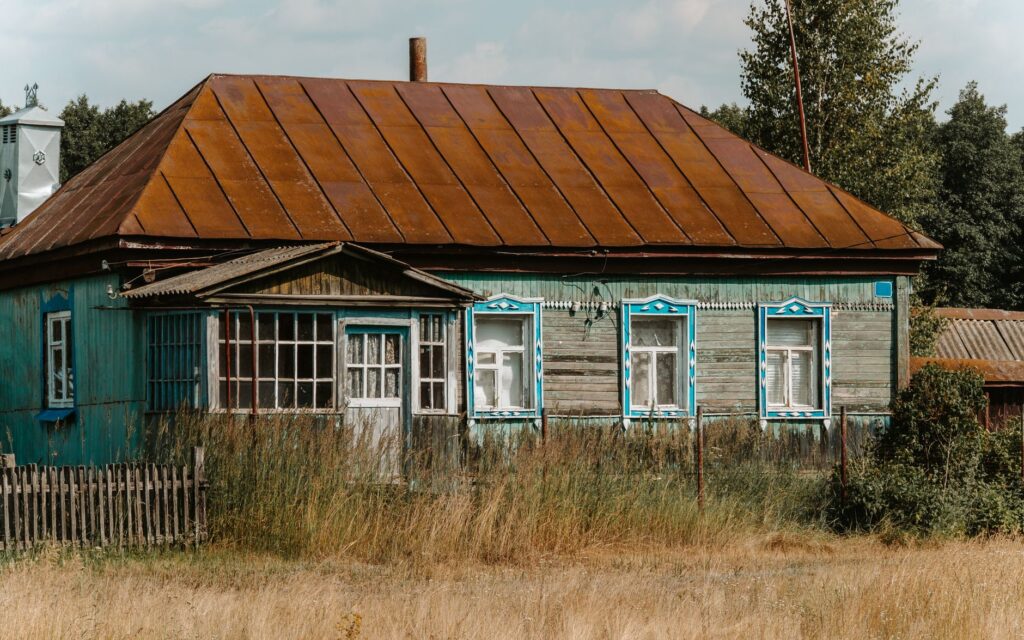
The Circum-Baikal’s heritage value transcends mere transport functionality, constituting an open-air museum of early 20th-century industrial architecture. Secondary stations, switchman posts, and signaling booths preserve traditional elements of noble wood carved with filigrees characteristic of Siberian imperial carpentry known as naryshkin style.
Every piece of infrastructure fulfilled a vital mission in an isolated environment: water reservoirs fed by mountain springs, lattice iron railway bridges imported from European workshops, and forged iron bolts that have withstood over a century of extreme thermal oscillation. Detailed analysis of these elements reveals the monumental logistical effort required to move heavy materials thousands of kilometers from the industrial centers of Saint Petersburg and Moscow.
Today, railway preservation associations collaborate with regional governments to prevent the deterioration of these historic buildings, many of which have been adapted as small interpretive centers or temporary shelters for authorized researchers and expeditioners documenting the endemic flora and fauna of the lake basin.
Human Geography and Riberean Communities of Baikal
Human communities settled along the railway route possess a culture deeply linked to the rhythms of water and taiga forest. Villages like Polovinny, Marituy, or Sharyzhalgay house families whose generations have traditionally worked in track maintenance, fishing for omul—the lake’s endemic salmonid—and managing limited local tourism services.
Interacting with local inhabitants requires a respectful understanding of social codes and hospitality rooted in self-sufficiency. Wooden houses heated by masonry stoves called pechka reflect millenary adaptation to extreme cold. During train stops, residents frequently offer artisanally smoked fish, wild berries harvested in birch forests, and dark rye bread baked in traditional ovens.
The winter isolation of these villages has forged a community character where mutual aid is not an option but the fundamental law of survival in the forested steppe.
The impact of controlled expedition tourism has diversified the local economy without drastically altering the ecological balance or traditional customs of these riberean communities, turning them into active guardians of the natural and railway heritage.
Safety, Meteorology, and Risk Management in the Siberian Frontier
Undertaking an expedition in the Circum-Baikal demands strict risk prevention protocols due to the remoteness of complex medical facilities and the volatility of extreme continental weather. Temperatures can fluctuate drastically within hours, and hurricane-force winds known as sarma or kultuk rush down from surrounding mountains, generating high waves on the lake, halting navigation, and complicating advance on foot through exposed gorges.
Essential safety equipment must include layered thermal clothing with windproof membranes, physical and chemical water purification systems, and two-way satellite communication devices, given that cellular coverage is practically non-existent along most of the coastal canyon. Furthermore, registering detailed itineraries with local emergency offices and railway operators is mandatory before starting any walking section along the parallel trails.

The occasional presence of wildlife, such as Siberian brown bears during active seasons, requires acoustic deterrent devices and airtight food storage in authorized base camps, minimizing any alteration to local animal behavior.
Practical guide
How to get there: International flight to Moscow and direct domestic connection to Irkutsk International Airport (IKT). From central Irkutsk, take municipal bus or tram to the main railway station to board the regional train toward Sludyanka.
Documentation and visas: Valid passport with at least six months’ validity and entry visa to the Russian Federation processed in advance, including official invitation letters issued by authorized tour operators.
Currency and payments: Russian Ruble (RUB). Carrying sufficient local cash is strongly recommended, as ATMs and card payment terminals do not exist in the small riberean settlements of Lake Baikal.
Best time for expedition: June through September for trekking and railway exploration without accumulated snow; February and March for traverses across the lake’s solid ice sheet.
Recommended technical gear: Mountain footwear with high-traction soles, telescoping poles, IPX6-certified headlamps, high-capacity power banks, and advanced thermal insulation clothing.
Special permits: Certain sections near integral nature reserves require prior authorizations issued by the Ministry of Natural Resources of the Irkutsk region.
The Silence of the Ancient Water
At dusk, when the final sun reflections fade over Baikal’s immense surface and the echo of the train dissolves among stone gorges, the true dimension of this Siberian territory reveals itself in full majesty. This is not merely an exercise in mechanical exploration or logistical analysis, but a profound re-encounter with the monumental scale of untouched nature. The crystal-clear water guarding millions of years of geological secrets continues to flow impassively beside old wooden sleepers, reminding every traveler that true adventure lies in the capacity to listen to the millenary silence of the earth.