
Introduction to High-Altitude Isolation and the Will to Cross the Stone
There are geographies where altitude represents not merely a topographic accident, but an insurmountable frontier for conventional wheels. In the heart of the eastern Pyrenees, the Nuria Valley has remained for centuries an isolated sanctuary, accessible solely on foot through dizzying gorges and paths carved by shepherds and pilgrims. The impossibility of laying a conventional road due to the harshness of the terrain and the constant risk of avalanches forced a radical rethinking of alpine mobility from the early twentieth century onwards. The goal was not to subdue nature through massive asphalt, but to weave a steel thread capable of climbing the vertical slope without altering the pulse of the ecosystem.
The result of this technical ambition is the historic rack railway, a meter-gauge rail line that overcomes an elevation gain of over a thousand meters in barely twelve kilometers of travel. This report examines the technical, human, and logistical framework sustaining this alpine corridor, demonstrating how Swiss railway engineering adapted to the Catalan Pyrenees became the true lifeline of connectivity for a valley where motor vehicles are strictly banned. Through this transport system, the high mountain ceases to be a hostile territory and transforms into an accessible space governed by rigorous sustainability criteria.
The Genesis of an Impossible Layout Against the Verticality
The history of the Nuria rack railway cannot be understood without grasping the magnitude of the geological challenge imposed by the Girona Pyrenees. By the late nineteenth century, the growing influx of pilgrims to the Marian sanctuary and the fascination with scientific excursionism demanded a safe, high-capacity transport solution. Stagecoaches and mule carts had reached their operational limit facing sheer rock walls and ravines carved by the Freser River. It became necessary to import an Abt-system rack railway, where a third toothed rail placed in the center of the track meshes firmly with the cogwheels of the locomotives, allowing traction on slopes where simple iron-on-iron adhesion would fail.
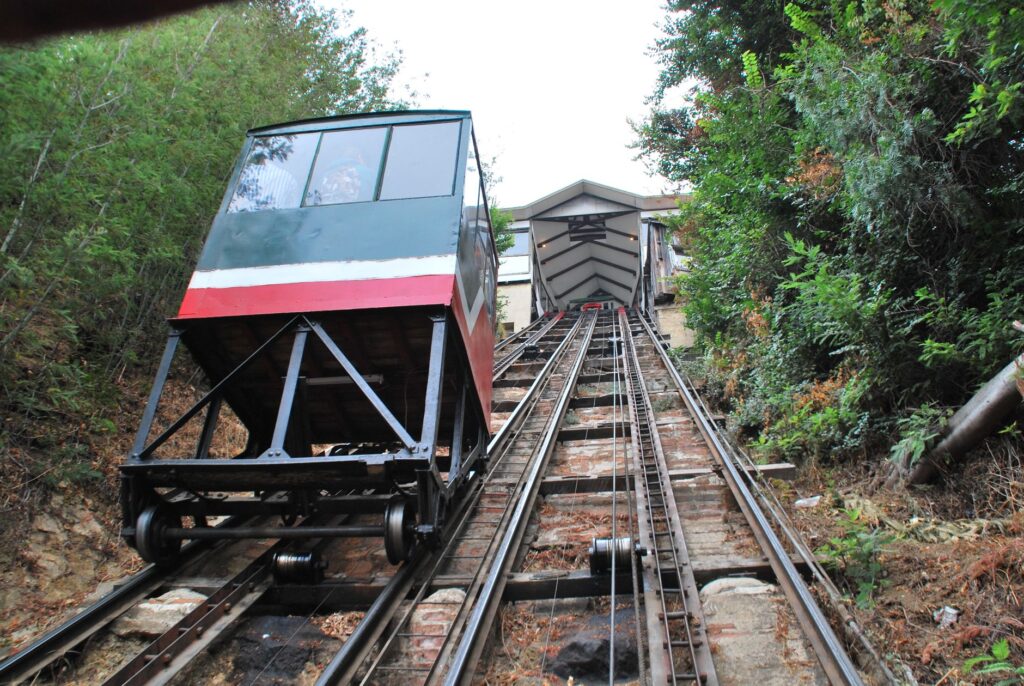
Construction works, initiated in the 1920s under the direction of visionary engineers, constituted a true epic of dynamite, pickaxe, and shovel. Hundreds of laborers, many of them seasonal workers from neighboring valleys, toiled in extreme conditions above two thousand meters of altitude to carve tunnels into the rock and raise metal bridges spanning the abysses. The track does not follow a straight line; rather, it serpentines to adapt to contour lines, minimizing environmental impact in a fragile ecological environment. Every steel sleeper and every meter of track cemented onto the rock represents a pact between machine and abyss.
The Architecture of the Track and Electromechanical Pulse
The daily operation of the Nuria railway is a masterclass in electromechanical precision. Unlike flatland lines where speed is the primary objective, here the supreme value is controlled safety via counterweights, jaw brakes on the rack rail, and hydraulic retention systems. Modern units, state-of-the-art electric railcars, combine traditional traction power with energy efficiency that harnesses descents to return electricity to the grid through regenerative braking. This system minimizes the carbon footprint in a valley protected within the Ter and Freser Headwaters Natural Park.
Maintenance of the infrastructure demands almost military discipline. Specialized brigades continuously inspect slopes to prevent rockfalls, clear water drainage channels, and minutely check the wear of rack teeth and bogie gears. During winter months, when heavy snowfalls blanket the peaks and accumulated snow reaches several meters, powerful snowplows coupled to the locomotives clear the morning path, ensuring that geographical isolation does not translate into social abandonment or economic interruption for the few families and workers residing in the sanctuary complex.

Ribes de Freser Station: The Threshold and Logistics of the Ascent
Every journey toward the heart of Nuria begins at the lower station of Ribes de Freser, a historic hub acting as the true dry port and operational center of the system. Here, conventional commuter rail lines connecting with Barcelona converge, transforming the station into an exemplary intermodal transfer point. Travelers leave the low-mountain trains to enter the dedicated platforms of the rack railway, where luggage logistics, provisions for high-altitude hotels, and the flow of skiers or mountaineers are organized with millimeter precision.
This enclave is not merely a stopover, but a permanent workshop where technicians conduct mechanical overhauls of the trains before tackling the ramp. In the maintenance bays, the smell of hot oil, steel shavings, and welding mingles with the Pyrenean atmosphere. Machinists review weather bulletins and load diagrams. Weight management is crucial: an imbalance in cargo distribution across cars can impair adhesion on twenty-percent gradients. Thus, the station operates as an operational brain anticipating any weather or mechanical contingency before the train crosses the first tunnel.
The Rack Tunnel and Transition to the Open Landscape
As the train leaves Ribes de Freser, the Mediterranean mid-mountain vegetation abruptly gives way to dense beech forests and, subsequently, alpine high meadows. The layout features several tunnels excavated into living rock, with the longest being a milestone in local underground engineering. Emerging from the darkness of the stone, the perspective opens suddenly over the Freser River canyon, offering passengers a dizzying view of the valley floor. It is along this stretch that the traveler perceives the true scale of the work: the abyss lies mere centimeters from the windows, and the metallic sound of the gear engaging the central rail becomes the sole compass marking the advance.

blockquote>The rack railway is not a mere tourist transport means, but the umbilical cord guaranteeing the sovereignty and habitability of an inaccessible valley for conventional wheels.
Along the route, intermediate stops like Queralbs act as connection points for hikers traversing the historic Nuria trail. In Queralbs, with its cobbled alleys and noble stone architecture, the contrast between the medieval village and high railway technology is absolute. Locals use the train as much as visitors do to procure supplies or descend to regional medical centers, weaving a relationship of daily interdependence with a transport system defining their territorial identity.
The Arrival Station: An Alpine Atrium Free of Cars
The journey concludes at an altitude of 1,964 meters, on the plaza preceding the Nuria sanctuary and mountain hotel. The complete absence of motor vehicles transforms this space into an extraordinary acoustic haven. Upon disembarking, the cold, crisp high-mountain air fills the lungs, accompanied solely by the sound of rushing torrents and the distant echo of cattle bells. The terminal station, architecturally integrated into the sanctuary’s stone complex, operates with impeccable logistical efficiency: luggage is unloaded via electric carts, and passengers disperse toward trails or ski resort lifts.
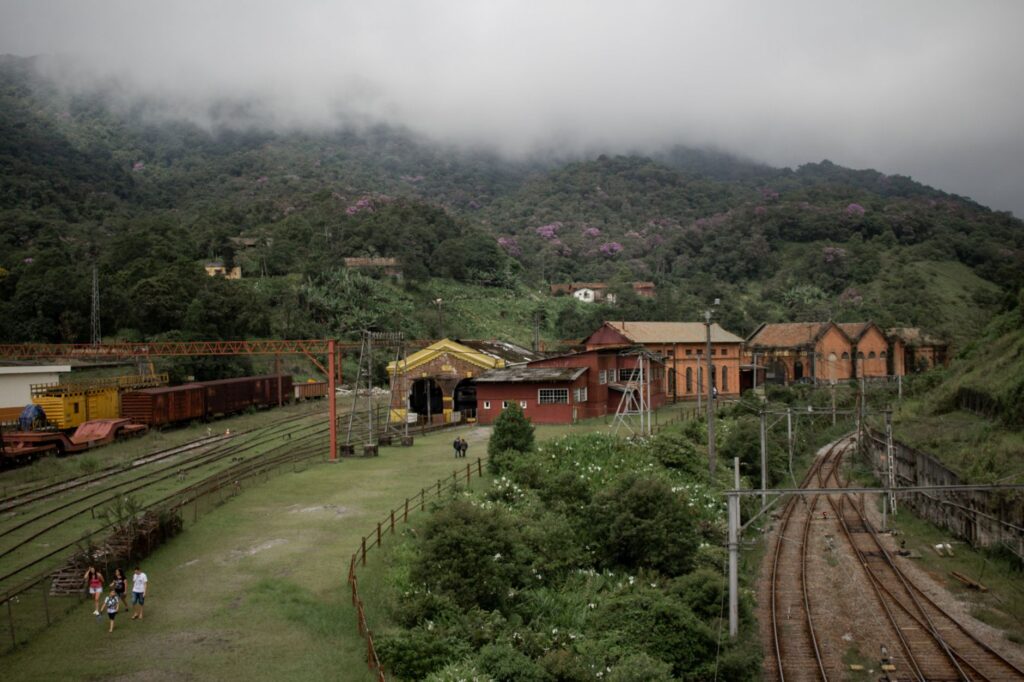
This mobility model proves that managing intense tourist flows without degrading the natural environment is entirely feasible. By eliminating the impact of private automobiles, the valley has preserved its native fauna, pristine meadows, and characteristic silence. Railway complex managers coordinate train schedules based on hotel occupancy and seasonal excursionist influx, preventing congestion and ensuring every visitor experiences the mountain with the respect such a fragile alpine environment demands.
Practical guide
How to get there: Access by car or via the R3 commuter rail line from Catalonia from Barcelona to Ribes de Freser station, where direct transfer to the rack railway is made.
Tickets and reservations: Purchasing tickets in advance via the official website is essential, especially during winter weekends and peak summer excursionist months.
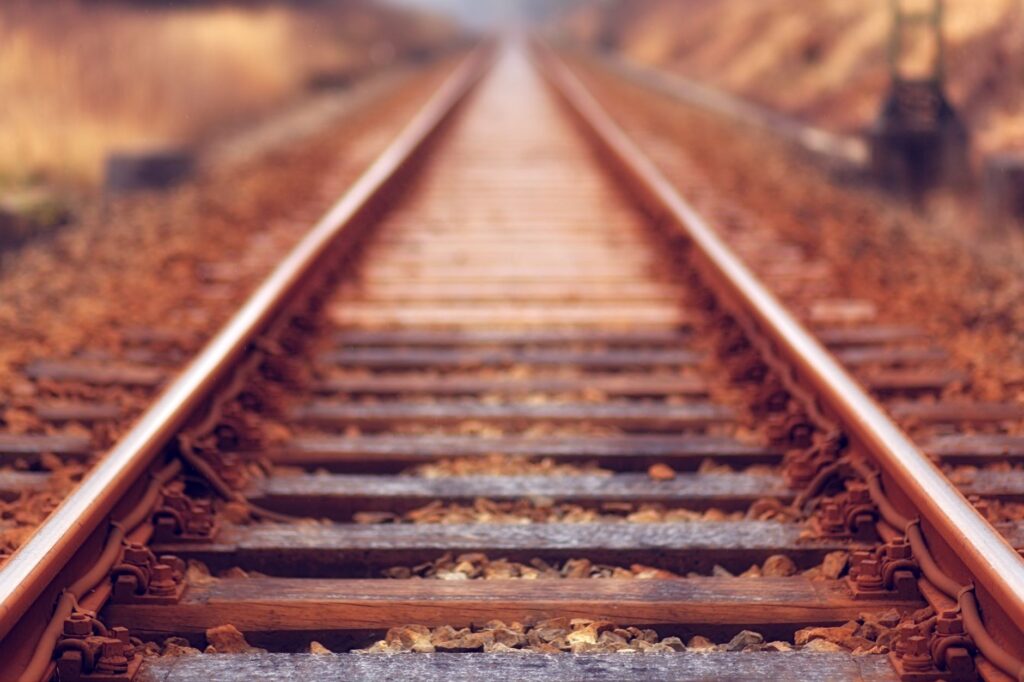
Luggage and restrictions: Space for large backpacks and ski equipment is optimized in the cars. Unrestrained large pets are prohibited, and no motor vehicles of any kind are allowed into the valley.
Climate and equipment: Weather at the arrival altitude is alpine and changeable. Even in summer, warm clothing, appropriate mountain footwear, and sun protection are mandatory.
Emotional Epilogue on the Threshold of the Sanctuary
When the last afternoon train begins its descent toward the valley floor, twilight starts tinting the rocky walls surrounding the Nuria sanctuary. In that instant of absolute silence, when the metallic echo of the rack rail finally fades into the gorge’s distance, the traveler understands the profound significance of this engineering feat. It is not merely about tracks, gears, and forged steel to conquer the slope, but a pact of respect between humanity and the mountain. The train has preserved the landscape’s virginity by offering a clean, silent access route respectful of the peaks’ millennial rhythm. As twilight light fades over the calm waters of the lake, the valley recovers its primordial sovereignty, reminding us that the earth’s most beautiful places only deserve to be inhabited and traversed when one learns to listen to their silence without altering it.