
The Sacred Geology of a Landscape Sculpted by Wind and Time
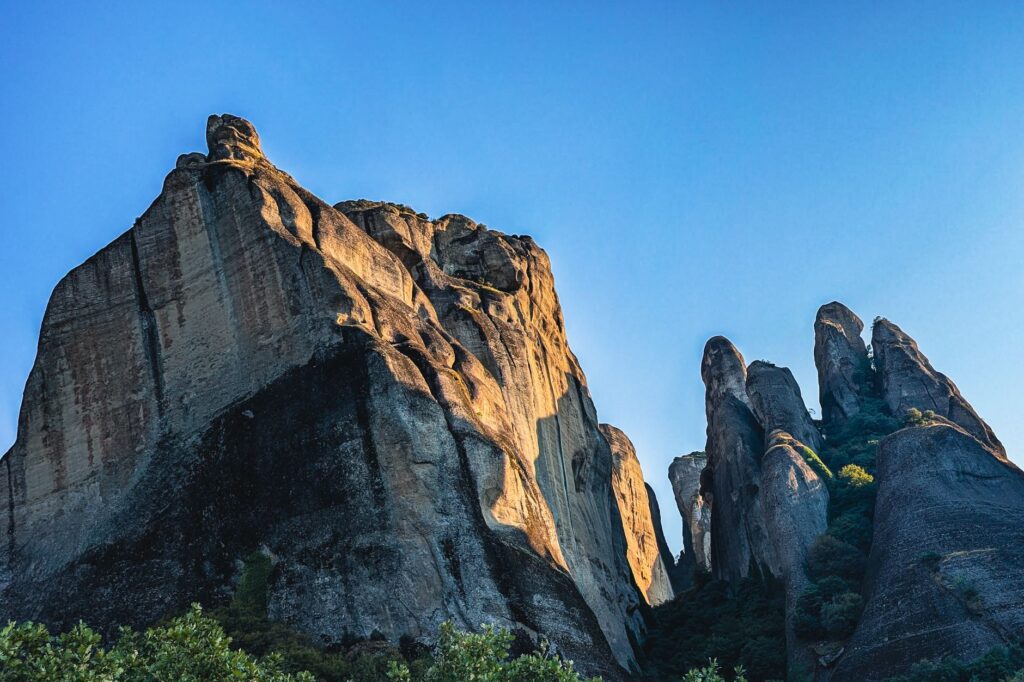
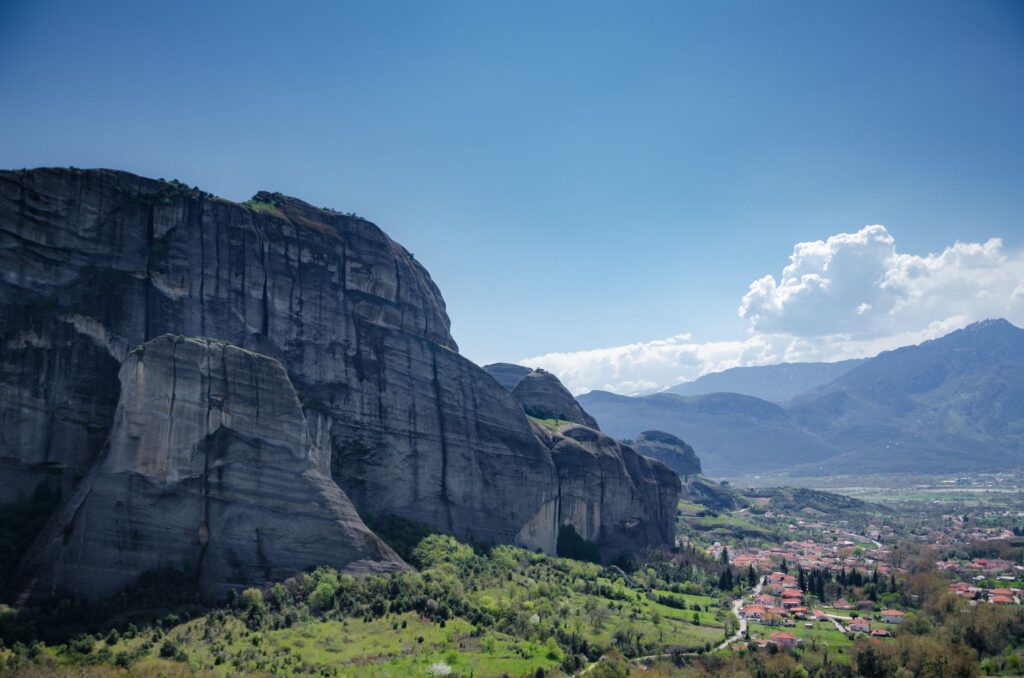
On the northwestern edge of the Thessalian plain in central Greece, the earth appears to have fractured in a vertical cataclysm, exposing geological formations that defy conventional logic. The monoliths of Meteora are not traditional mountains, but gigantic pillars of sandstone and conglomerate sculpted by millions of years of erosion, rising like dark, polished towers above a sea of olive groves and farmland. For the contemporary traveler arriving from the bustle of Athens or Thessaloniki, the initial impression of this scenery is not merely visual, but of an overwhelming physical force. The rocks, with their ochre, gray, and reddish hues, reach up to four hundred meters in height, creating a vertical labyrinth where the morning light casts long shadows that seem to slice through the air.
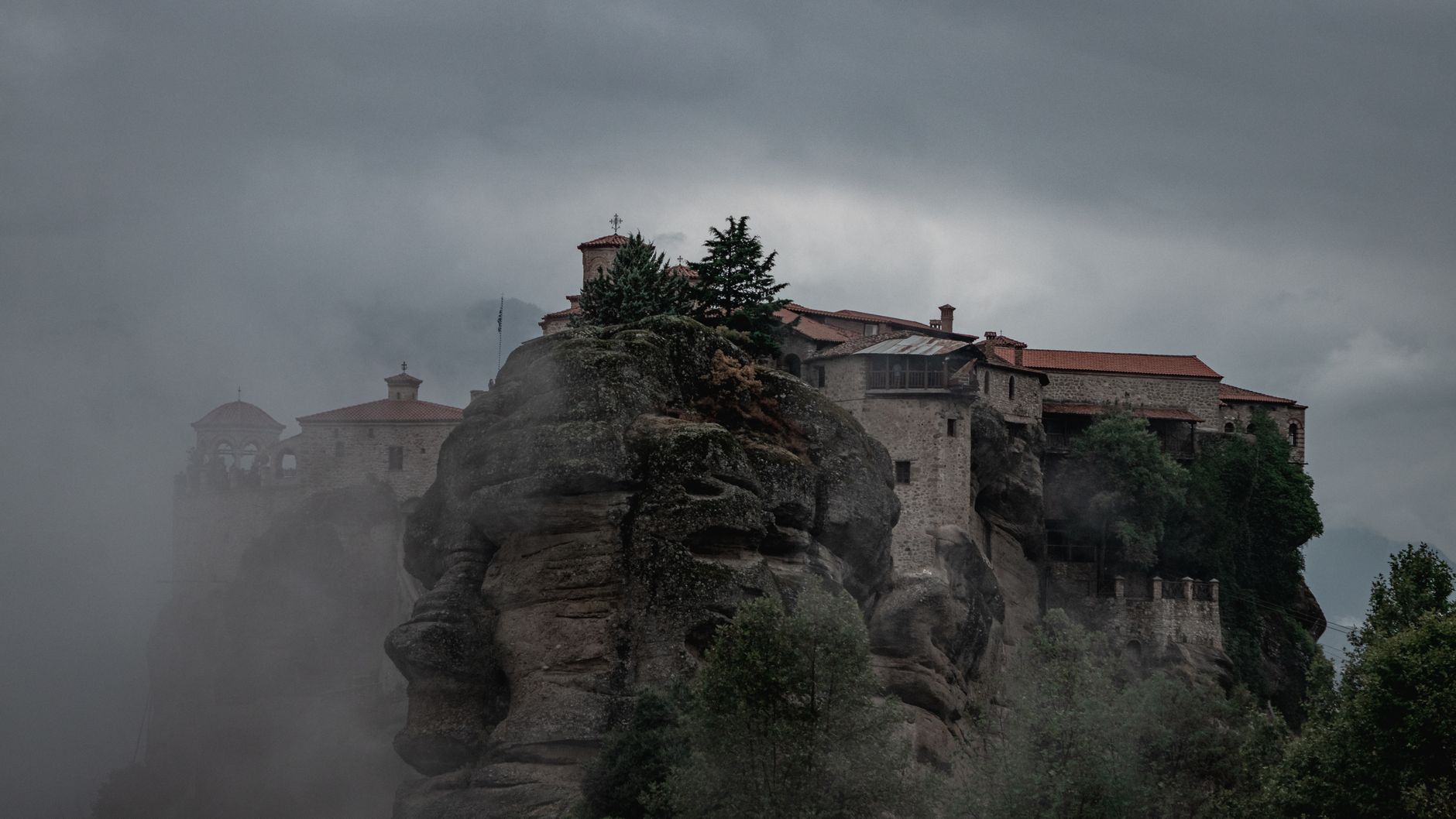
This environment, seemingly hostile and inaccessible, was transformed over the centuries into one of the most unique monastic centers in Eastern Christianity. The history of Meteora cannot be understood without the tension between the need for refuge and the pursuit of a mystical contact with the transcendent. Long before the first stone and timber walls were raised, hermits and ascetics sought out the caves and fissures of these vertical walls to live in radical solitude, far from the geopolitical turmoil of a crumbling Byzantine Empire and the constant incursions of invading peoples. Geology thus became the first architecture: the stone offered an impenetrable shield against earthly threats, but also a symbolic proximity to the sky that no temple built on the plains could ever match.
The Engineering of the Impossible: How Monasteries Rose into the Void
The true challenge posed by Meteora was not merely spiritual, but strictly structural. Raising monasteries on the summits of rock needles where barely a small platform existed required a titanic logistical effort, especially at a time when the only available motive power was human and animal muscle. Materials—stone, timber, tiles, lime, and beams—had to be hoisted by hand using rope nets, pulleys, and rudimentary windlasses operated from the cliff tops. Monks and local artisans had to entrust their safety to hemp cables and wooden structures suspended over the abyss, in a daily exercise of faith and courage that pushed the limits of medieval engineering.

The spatial organization of these monastic complexes responded to both defensive imperatives and basic community needs. Inside the compounds, every square meter was fully optimized. The main churches, or katholikon, decorated with frescoes of the Cretan school that have withstood the test of time, stood shoulder-to-shoulder with refectories, cells, kitchens, and cisterns carved into the rock to collect rainwater. The scarcity of arable soil on the summits forced communities to maintain a constant supply network from the valley, managed through steep footpaths cut into the stone and, for centuries, via the infamous basket-hoist system for people—a ritual invariably described by nineteenth-century travel chroniclers with a mixture of vertigo and fascination.
«Ascending to Meteora is not simply climbing a staircase carved into the rock; it is crossing an invisible border between the noise of the world and the geometry of silence.»
Monastic Life in the Twenty-First Century: Between Tradition and Global Tourism
Today, the experience of visiting Meteora is marked by a profound contemporary contradiction. Of the twenty-four original monasteries that once flourished during their zenith in the fourteenth and fifteenth centuries, only six remain active: Great Meteoron, Varlaam, Saint Stephen, Holy Trinity, Saint Nicholas Anapausas, and Roussanou. While some of these enclaves have been integrated into mass international tourism routes, receiving daily tour buses and steady streams of visitors during the summer months, the inner life of the monastic communities continues to be governed by secular liturgical calendars that have barely changed since the Byzantine Empire.

This contrast generates daily friction that local administrators, monks, and nuns attempt to manage with patience and regulatory rigor. Strict dress codes—mandatory long skirts for women, long trousers for men, and covered shoulders in all cases—are not mere conservative whims, but the visible expression that these spaces remain living sanctuaries of prayer rather than open-air museums. Conversing with the current guardians of these compounds reveals a persistent concern: how to preserve the contemplative character and the study of ancient manuscripts in an environment where mass tourism threatens to trivialize the sacredness of the landscape.
The Art of Byzantine Frescoes and the Resilience of Color
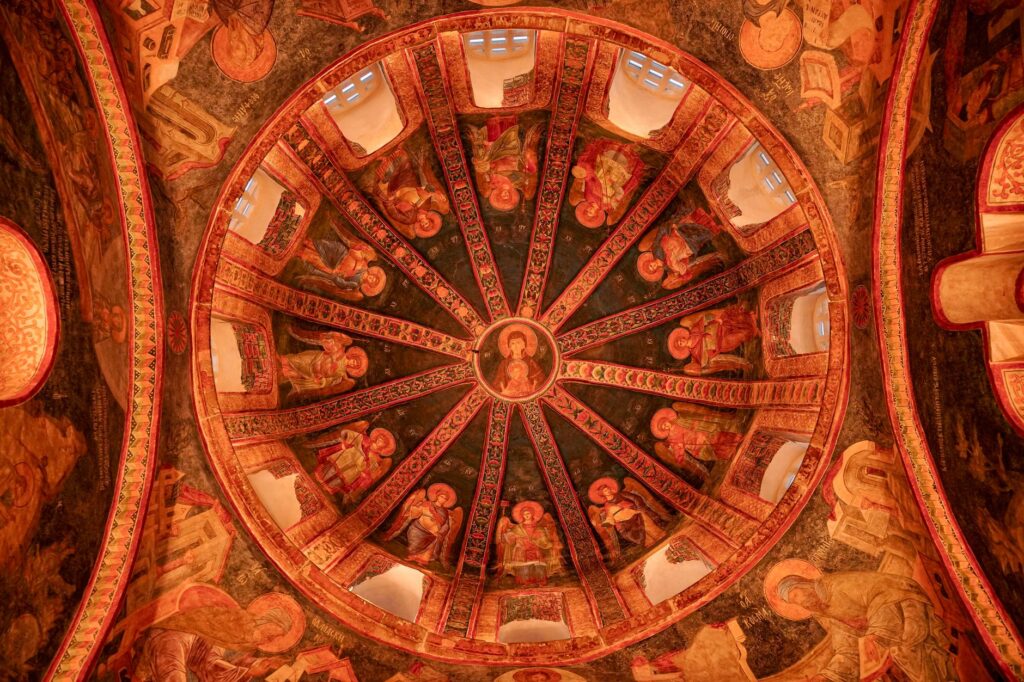
The interiors of Meteora’s churches house some of the most valuable pictorial heritage in post-Byzantine art. The church walls are entirely covered with murals where ochre tones, deep blues, and faded golds narrate New Testament episodes, lives of martyrs, and detailed representations of the Last Judgment. Anonymous masters and renowned painters such as Theophanes the Cretan left their mark on these heights, using traditional tempera techniques over a fresh mortar layer that demanded rapid, precise execution with no room for error.
The preservation of these masterpieces under extreme environmental conditions has historically been a titanic task. Thermal variations between the scorching heat of the Thessalian summer and freezing winters, compounded by moisture seeping through sandstone fissures, have tested the stability of the pigments. In recent decades, restoration interventions funded by European and local programs have stabilized mural supports and halted the deterioration caused by candle smoke and the carbon dioxide exhaled by thousands of annual visitors. Nevertheless, restorers warn that the balance is fragile and that every fresco is a delicate testament to a faith that refuses to fade.
Practical Guide
- How to get there: The most efficient way to reach Meteora from Athens is the daily direct train operated by Hellenic Train from Larissa station to Kalambaka (approximately 4.5 hours). It is also accessible by rental car via the Egnatia Odos highway.
- When to go: Spring (April to June) and autumn (September to November) offer ideal temperatures for exploring the footpaths on foot and avoiding summer tourism crowds.
- Access regulations: Each monastery has specific closing days throughout the week to regulate maintenance. It is essential to consult updated schedules before planning your route and strictly respect the dress code.
- Accommodation: Kalambaka and the traditional village of Kastraki, nestled right at the foot of the rocks, offer a wide range of family-run guesthouses and small boutique hotels integrated into the landscape.
- Hiking: Ancient pilgrimage trails and goat paths connect the various monasteries. Technical mountain footwear is recommended, and hikes should start early in the morning to avoid peak sun exposure.
The Territory as an Inner Refuge: The Echo of Solitude
When evening falls over Meteora and the last tourist coaches depart the parking lots, the mountain regains its ancient geological and spiritual dignity. The shadows of the sandstone pillars stretch across the Thessalian fields, and the sound of the wind sweeping across the upper plateaus once again becomes the absolute protagonist of the landscape. In that moment of transitional light, the monasteries no longer look like inaccessible fortresses or tourist attractions, but like what they were always meant to be: stone beacons suspended between earth and sky, designed to remind human beings of the fragility of their constructions and the unalterable permanence of silence.
That audacious architecture, conceived by men who sought in isolation a form of radical freedom, continues to resonate today with unexpected force. In a hyperconnected world where noise and immediacy dominate daily experience, the summits of Meteora offer something far more valuable than a photographic postcard: the opportunity to contemplate the horizon from a perspective where time seems to have stopped, reminding us that the true height of a place is measured by its capacity to elevate us above ourselves.