

Chile’s cultural horizon for the year 2026 is shaping up to be one of the most ambitious and complex periods in the modern history of its live entertainment industry. Far from being a mere accumulation of dates and technical riders, the major concert lineup scheduled for this cycle reflects the consolidation of the South American nation as an inescapable stop on global tour routes. This phenomenon is not merely the result of random artistic supply, but rather of the structural maturation of venues, the professionalization of local promoters, and an increasingly segmented and demanding audience.
Analyzing the 2026 season involves looking beyond the spotlights and delving into the machinery that allows stadiums and amphitheaters in Santiago and regional areas to vibrate with tens of thousands of attendees. From customs logistics for the transport of tons of audio equipment to the complex financial engineering underpinning advance ticket sales, the Chilean music industry today operates under rigorous global standards. This report examines the pulse of this programming, breaking down the factors that make Chile an intermittent epicenter of live music in the Southern Cone.
Metropolitan infrastructure and the decentralization of venues
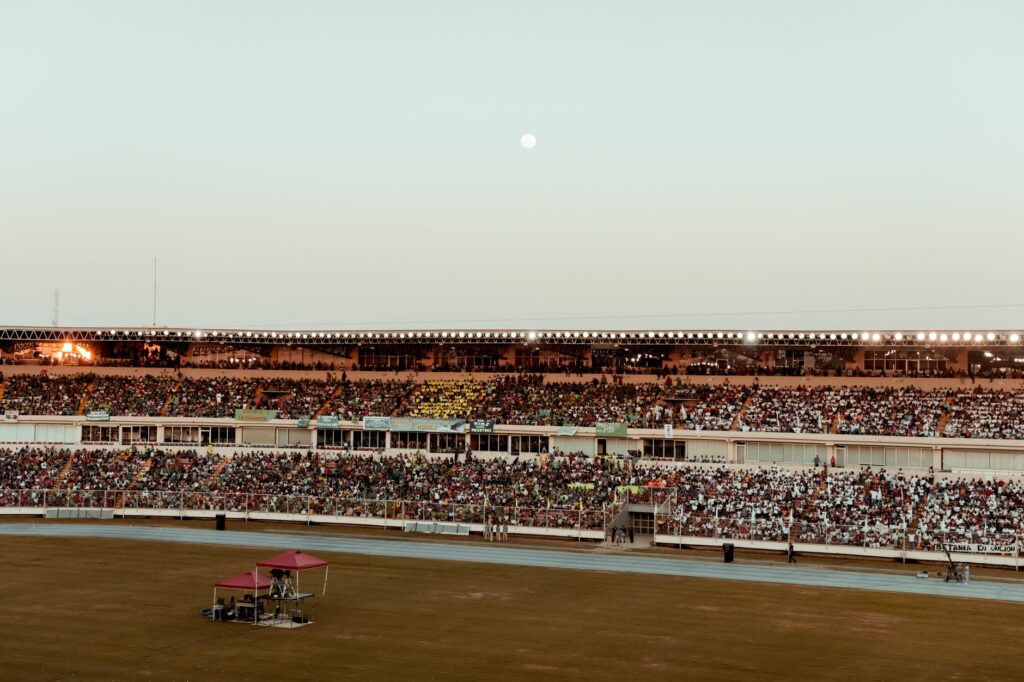
The Julio Martínez Prádanos National Stadium continues to be the flagship venue for large-scale mass events in Chile. Following its renovations and adaptations to host multidisciplinary events, the Ñuñoa arena stands as the primary barometer of musical turnout. However, the geography of concerts in 2026 requires a broader perspective that includes the Bicentenario Stadium in La Florida, the Movistar Arena in O’Higgins Park, and open-air spaces like the Cerrillos Bicentennial Park. This diversification of venues responds to the need to optimize acoustics and spectator experience, mitigating historical urban congestion issues.
At the same time, decentralization is beginning to transition from a theoretical aspiration to a logistical reality. Although the vast majority of major international productions land exclusively in the Metropolitan Region due to the concentration of airport and hotel infrastructure, cities in regions such as Concepción and Valparaíso are staking their claim within mid-sized circuits. Local producers and regional authorities constantly evaluate formulas so that the economic impact of macro-concerts spills over beyond the capital, although heavy freight transportation costs remain the primary obstacle for extended itineraries.
The economic impact and the value chain of music tourism
The massive influx of international tourists—primarily hailing from Argentina, Peru, and Bolivia—attending concerts scheduled in Chile during 2026 generates notable dynamism in peripheral sectors such as hospitality, gastronomy, and urban transport. Chambers of commerce and tourism associations estimate that each major event mobilizes millions of dollars in direct and indirect spending. This encompasses not only ticket sales, but also hotel occupancy in neighborhoods like Providencia, Las Condes, and downtown Santiago, alongside consumption in restaurants and private transit services.
This economic boom brings with it a series of regulatory and oversight challenges. The proliferation of unofficial ticket resale across digital platforms and social networks has compelled the National Consumer Service (Sernac) and organizers to implement stricter traceability technologies, such as dynamic QR codes and ticket nominativity. Public rights protection and pricing transparency regarding service fees have become central demands from consumer unions, requiring major ticketing corporations to adhere to ethical standards matching ticket prices.
Live music in Chile is no longer an isolated event of passive entertainment, but a cross-cutting economic driver that mobilizes tourism, technology, and specialized employment across the southern cone.
Artistic curation: between rock totems and emerging urban currents
The 2026 lineup highlights a fascinating generational phenomenon: the coexistence of living legends of world music with Latin American and global vanguards of urban music and electronic genres. On one hand, traditional stadium circuits secure the loyalty of intergenerational audiences seeking the consecration of historic catalogs. On the other hand, festivals and mid-sized arenas welcome exponents of trap, reggaeton, and experimental pop, genres that have found a mass-consumption and highly digitized market in Chile.
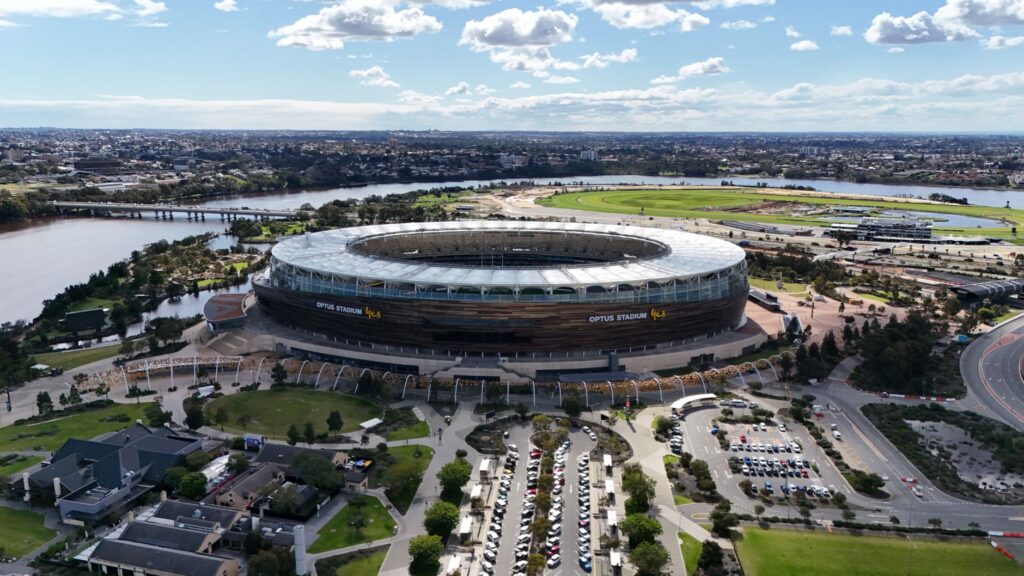
This curatorial contrast poses unprecedented challenges for crowd management and venue security. Promoters must adapt entry protocols, stage turnover times, and internal food and beverage offerings to satisfy the expectations of radically opposed demographics. While a classic rock concert demands assigned seating areas and optimized universal accessibility, urban music shows prioritize high-density standing fields, brand activation areas, and immersive experiences powered by cutting-edge visual technology.
Sustainability and environmental challenges in macro-events
The scale of mass concerts in the 21st century carries a considerable carbon footprint, driven by the energy consumption of giant LED screens, line-array sound systems, and freight logistics. Responding to this reality, regulations and best practices in Chile for 2026 demand stricter environmental mitigation plans. Festivals and independent producers have begun incorporating zero-waste policies, advanced single-use plastic management, and emission offsetting through the reforestation of native species in areas affected by wildfires.
Likewise, noise pollution in the vicinity of residential neighborhoods remains a friction point between producers and local governments. Municipalities require prior sound impact studies and the implementation of directional sound orientation systems to minimize disruption to residents. These measures, while driving up production budgets, are indispensable to guaranteeing peaceful coexistence between mass entertainment and urban rest in increasingly dense metropolises.

The attendee experience: connectivity, security, and accessibility
Attending a mass concert in Santiago or regional areas in 2026 requires sophisticated logistical planning by the public. Public transport networks, especially the Santiago Metro, typically extend operating hours on strategic lines connecting to the National Stadium and O’Higgins Park—a coordinated measure between transport authorities and promoters. Nevertheless, traffic congestion around security perimeters remains a critical bottleneck, advising the widespread use of active and underground transport.
Regarding internal security, coordination between the Carabineros de Chile, accredited private security guards, and production teams has evolved toward a preventive model based on real-time crowd flow analysis. Evacuation protocols, the availability of free hydration stations, and emergency medical assistance are subject to rigorous oversight by the Presidential Delegation. Simultaneously, the inclusion of individuals with reduced mobility has substantially improved, incorporating elevated platforms with clear sightlines, sign-language interpreters on giant screens, and dedicated assistance staff.
Practical guide
Ticket planning: Purchase your tickets exclusively through authorized official platforms to prevent fraud and ensure your ticket is nominalized if the event requires it.
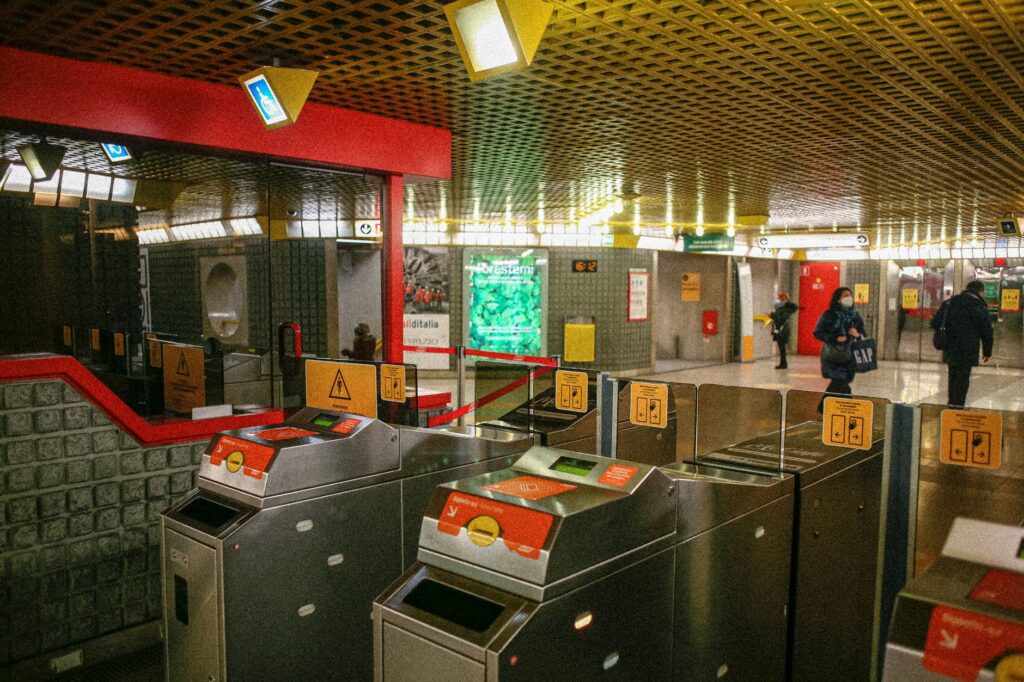
Transport and access: Prefer the use of the Santiago Metro and coordinated public transport. Review street closure maps and gate opening times published by production teams in advance.
Security and regulations: Familiarize yourself with prohibited items at venues (professional cameras, heavy objects, glass containers) and always carry your physical identification document.
Health and well-being: Wear comfortable clothing and footwear, stay hydrated using the free water stations provided inside venues, and locate medical assistance zones before the show begins.
The emotional pulse of live music in the global south
There is an inescapable sociological component in how the Chilean public experiences live music. The geographical distance separating the country from the major global industry hubs in North America and Europe endows every international visit with the character of an exceptional event. When stadium lights dim and the first chords ring out in the southern night, a collective catharsis unfolds that transcends mere cultural consumption. It is a space of encounter, identity resistance, and emotional communion where thousands share a single temporal and affective frequency.

This deep bond between artists and local audiences explains why globally renowned musicians frequently highlight the warmth and energy of the Chilean public in their memoirs and interviews. Ultimately, the concert lineup is nothing less than the mirror of a society seeking expression, relief, and community celebration through live art. Looking ahead to the season’s development, Chile cements its status as an undisputed cultural beacon in the Southern Cone.
The consecration of a major international tour stop in Santiago is not only a logistical triumph, but the testament of a community that finds refuge and a universal language in music.
Source in EN: Chile Travel (https://news.google.com/rss/articles/CBMipAFBVV95cUxNSnNaUG5tYVlITXlpYTNoRnlxcklhSktHc1pHMGZHQ3o0NDJ4MlVVZkFmOUhrTFJKbXdWUkg2MG9Bek1OMkVRWU5ZTVN3RlNNTjUzbDFnT2I3dFM0djUxOFEzQjc5M3Zxc3daX1JhTHNUMmlmbjRlcGpBQk43SEZrY0ZXY3BJUGRHLWFmeXBOMjB4NDUwZ1QxUURMNk9jenVmZHdQcg?oc=5)