
Conquering Vertical Rock: When Gravity Ceases to Be a Limit
In the heart of the Swiss Alps, where peaks of stone and ice slash the sky with relentless geometry, human mobility has historically been dictated by the brutality of the relief. For centuries, the valleys of the Bernese Oberland remained plunged in near-absolute isolation during the long winter months, dependent on impractical bridle paths and the herculean efforts of guides and porters. It was not until the late 19th century that civil engineering set out to defy the dogma of simple adhesion, introducing a mechanical invention that would forever change the human geography of the region: the rack-and-pinion system developed by Roman Abt and Niklaus Riggenbach. This mechanism, based on a third toothed rail positioned in the center of the track, allowed locomotives to literally bite into the slope, transforming impassable abysses into routes of everyday and scientific transit.
The impact of this revolution on rails was not limited to the transport of early romantic hikers and British alpinists. It became the umbilical cord for small agricultural settlements and high-altitude communities that otherwise would have been condemned to systematic depopulation. Today, the Bernese Oberland railway network operates with a chronometric precision that defies the most adverse weather conditions, from Siberian blizzards to sudden rockfalls on the slopes of the Eigerwand. This report examines the complex technical, human, and logistical framework that allows thousands of travelers to ascend daily toward the roof of Europe without altering the delicate ecological balance of the surrounding glaciers.
The Invisible Architecture of High-Altitude Viaducts and Tunnels
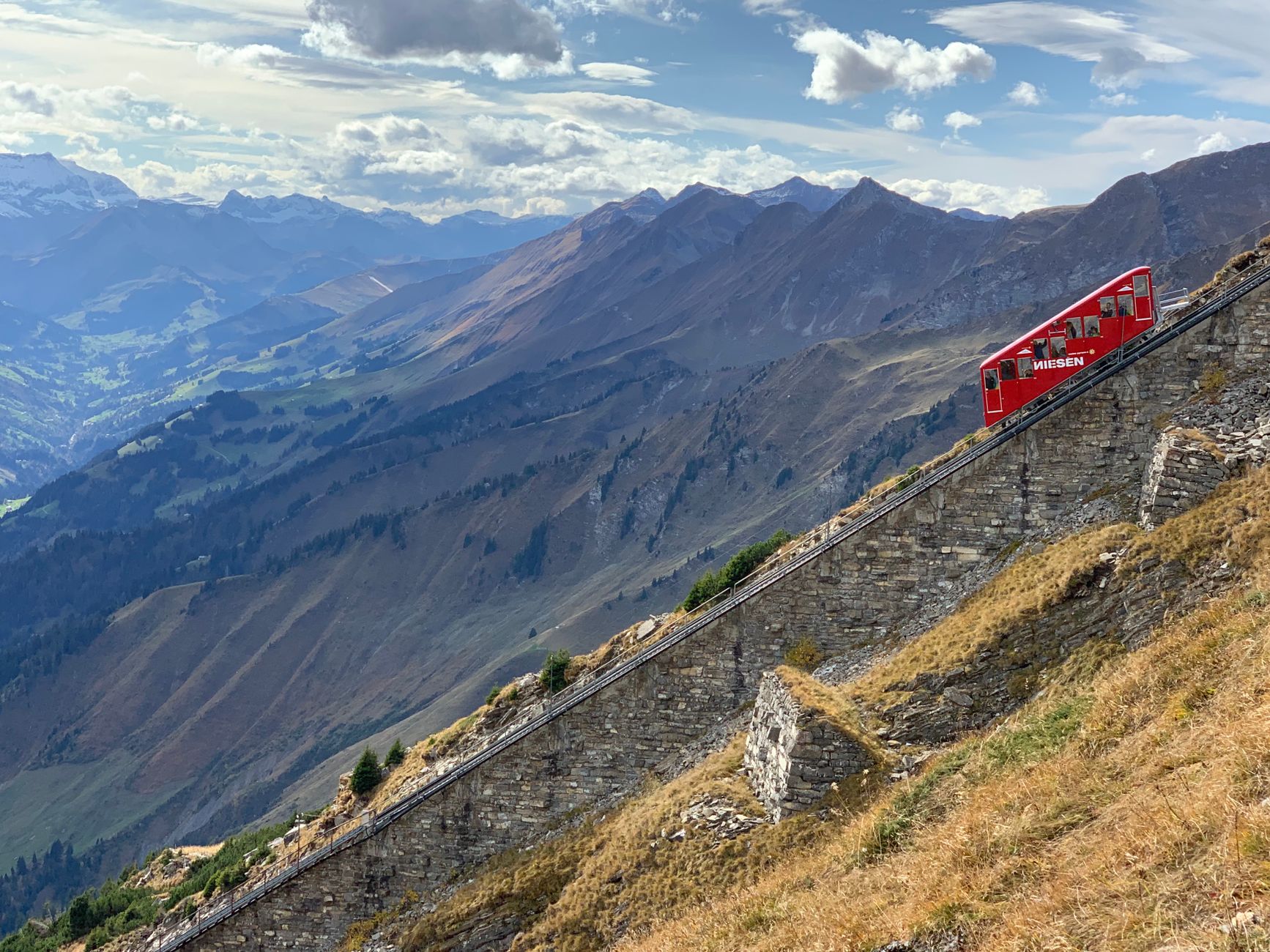
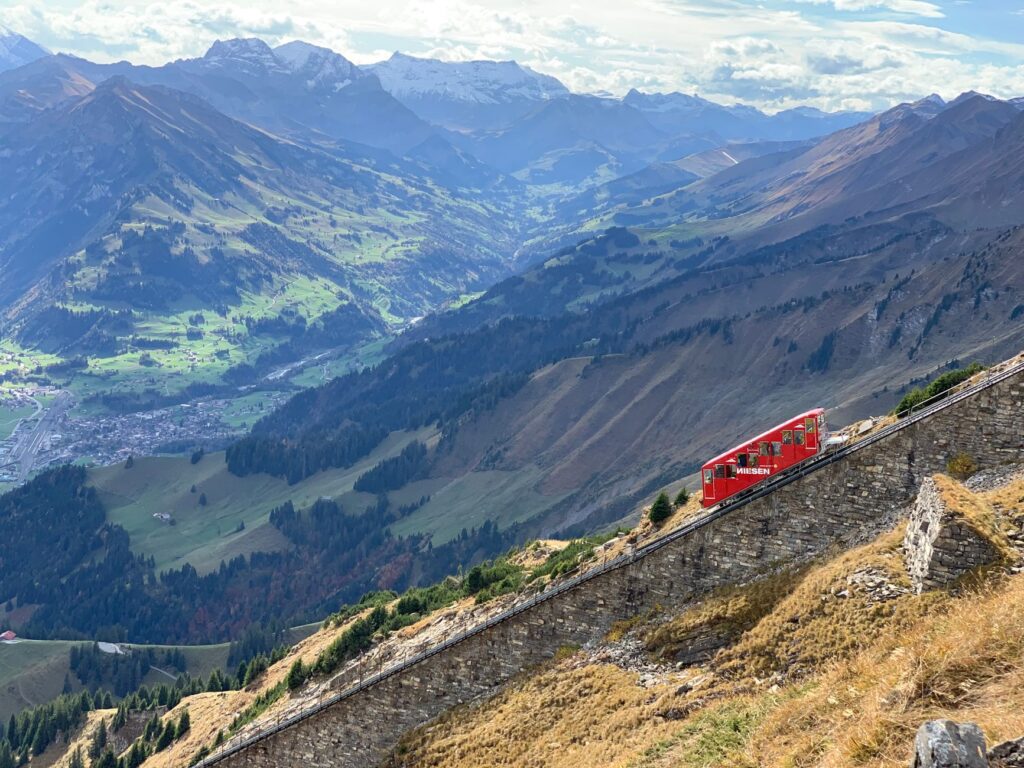
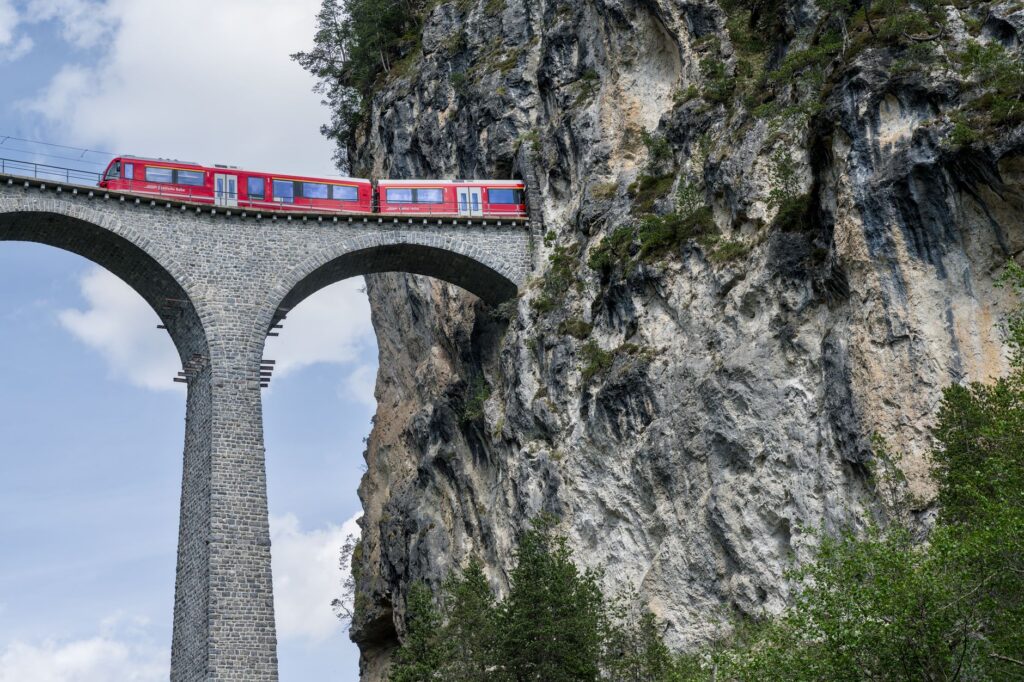
Building railway tracks at over two thousand meters of altitude demands an extreme symbiosis between topography and structural calculation. Victorian and Edwardian engineers had to map their blueprints onto vertical rock faces where the use of explosives and human labor represented a daily gamble with death. Unlike lowland lines, where routing favors straight paths, the longitudinal profile of an alpine rack railway is a mathematical succession of ramps with gradients frequently exceeding twenty-five percent. Every meter of track requires forged steel anchors embedded deep into the granitic substrate, capable of withstanding not only the weight of loaded convoys but also the colossal thermal stresses derived from temperature swings of up to forty degrees in just a few hours.
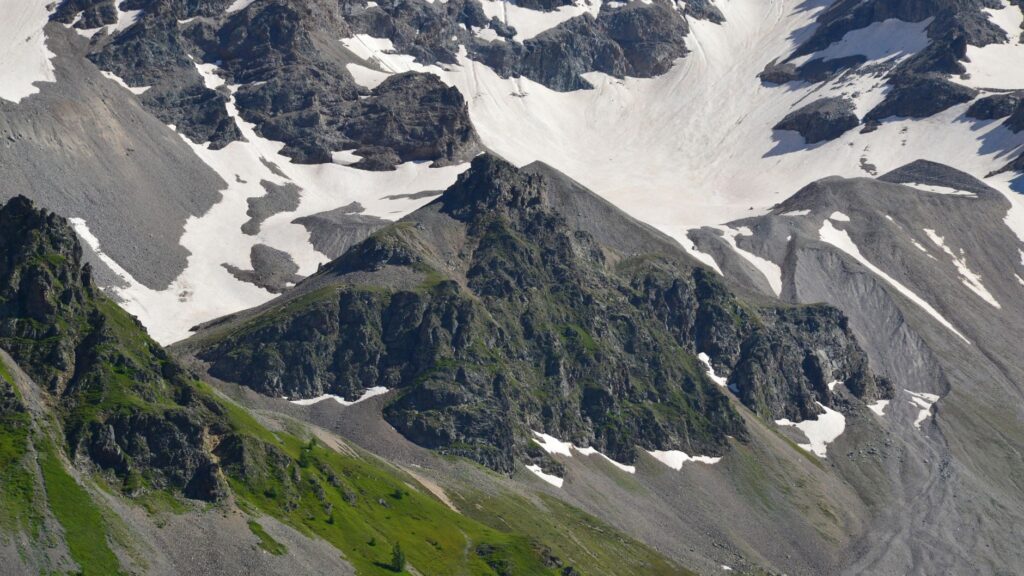
The tunnels, which account for more than half of the route on the upper stretches toward the Jungfraujoch, are not mere conduits carved in darkness, but authentic cathedrals of geological engineering. Inside, millimeter-precision drainage systems divert meltwater from the upper glaciers to prevent the formation of ice sheets on the rack teeth. Intermediate stations, carved directly out of the living rock, function as logistical nodes where supplies converge for meteorological observatories, high-altitude mail delivery, and the constant flow of track maintenance. The durability of these materials stands as living testimony to an era when infrastructure was projected with a vocation for eternity.
The Synergy of Hydroelectric Energy and Modern Electric Traction
The transition from steam traction to full electrification at the beginning of the 20th century marked an ecological and operational turning point for Swiss mountain railways. In an environment where transporting heavy coal across extreme slopes proved financially ruinous and logistically unsustainable, railway companies found an inexhaustible local solution: the power of water. Alpine torrents, fed by summer snowmelt, became the invisible fuel of locomotives thanks to the construction of small high-altitude hydroelectric plants supplying clean, constant energy directly to the catenary.
This model of energy self-sufficiency anticipated current global discussions on sustainable mobility by more than a century. Modern trains not only consume renewable energy during their ascent, but they also incorporate highly sophisticated regenerative braking systems. When a loaded convoy descends from terminal stations, electric motors act as dynamos, returning electricity to the general grid or powering trains climbing in the opposite direction. This real-time energy transfer drastically reduces the carbon footprint of an infrastructure transporting millions of passengers annually, proving that high technology and environmental conservation can coexist in the planet’s most fragile ecosystems.
Daily Life in Suspension: Workers, Stations, and Winter Maintenance
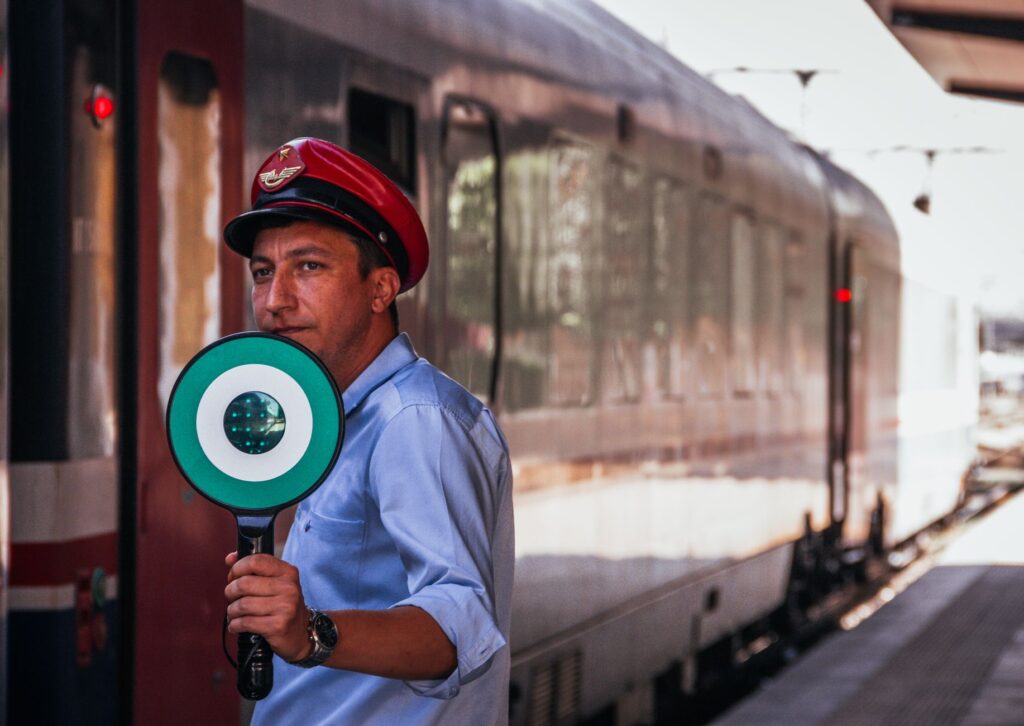
Behind the touristic facade projected by travel brochures lies an invisible labor community whose livelihood depends on the absolute reliability of the line. The drivers of these rack railways are not mere operators; they must possess an encyclopedic knowledge of rock behavior, katabatic winds, and micro-avalanches threatening the gorges. Their training requires years of practical apprenticeship under extreme conditions, where visual reading of track status and the tactile feel of mechanical resistance in the throttle are tools as important as the digital control panels in the cab.
At high-altitude stations like Kleine Scheidegg or Eigergletscher, maintenance teams work tirelessly during the brief weather windows offered by the alpine winter. Equipped with gigantic milling machines mounted on adapted rail platforms, they clear tons of compacted snow to ensure service is not interrupted longer than strictly necessary for safety reasons. For valley residents, these trains represent the sole secure connection with hospitals, schools, and supply centers when mountain road passes remain closed for months under thick layers of snow. It is, essentially, a silent pact of community survival.
Socioeconomic Impact in the Valleys: Between Global Tourism and Depopulation
The arrival of the railway radically transformed the economy of once-impoverished valleys like Lauterbrunnen and Grindelwald. What was once a subsistence economy based on dairy farming and high-altitude cheese production rapidly evolved into a highly specialized tourism services industry. However, this economic success has brought profound structural challenges. Real estate pressure, seasonal overcrowding, and soaring living costs threaten to displace local families who have inhabited the valley for generations, turning living alpine villages into mere seasonal theme parks.
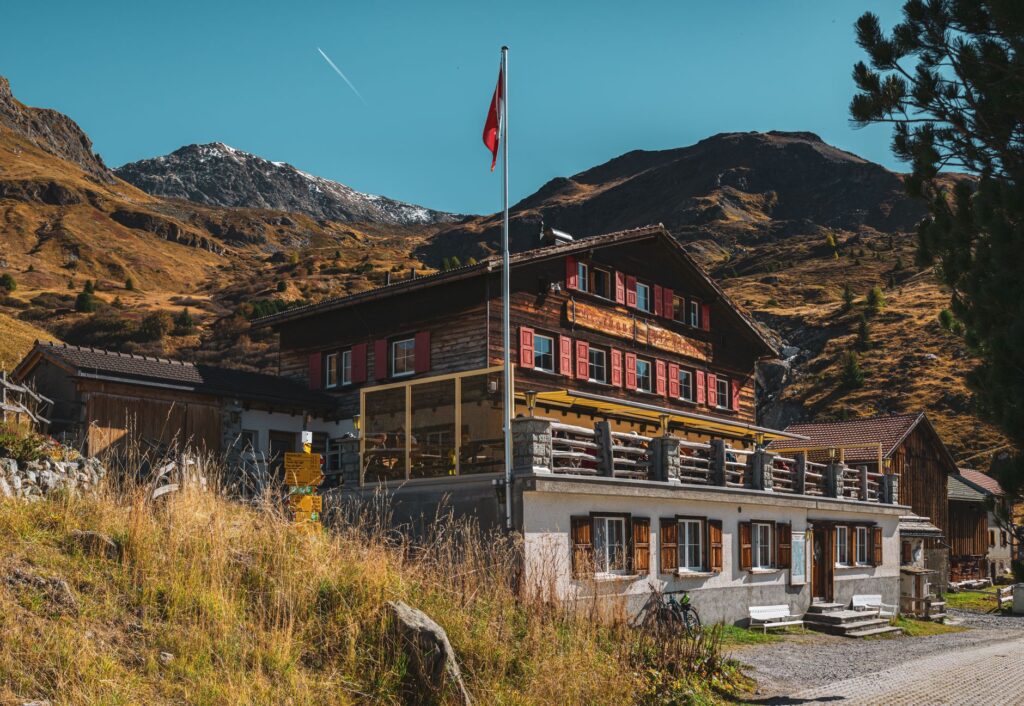
Facing this reality, cantonal authorities and the railway operators themselves have implemented strict flow management policies and differentiated pricing for residents. The goal is a precarious yet necessary balance between the economic profitability sustaining the costly infrastructure and the preservation of the native social fabric. Local agricultural cooperatives maintain direct supply agreements with high-altitude restaurants served by the train, closing a virtuous circle of circular economy that mitigates the negative effects of tourist globalization and preserves the traditional alpine cultural landscape.
Climate Challenges of the 21st Century: Permafrost and Glacier Retreat
Global warming is rewriting the rules of the game for civil engineering in high mountains. The most alarming phenomenon faced by Bernese Oberland engineers is no longer the severity of winter snowfalls, but the accelerated degradation of permafrost—the permanently frozen ground that has kept slopes and viaduct foundations stable for millennia. As summer temperatures rise, rock loses its natural ice cementation, triggering slope failures and instability in the metal anchors securing both adhesion tracks and rack structures.
To counter this existential threat, technical teams have deployed a massive network of fiber-optic sensors and laser inclinometers monitoring real-time millimeter displacement in critical slopes. Furthermore, tens of millions of Swiss francs have been invested in constructing dynamic retention walls, high-resistance mesh systems, and epoxy resin injection techniques to consolidate tunnel bases. This daily battle against climatic erosion proves that keeping Europe’s highest railway route open is an ongoing exercise in scientific adaptation and financial resilience.
Practical guide
- How to get there: The main access to the Bernese Oberland network is via Interlaken Ost, directly connected to the Swiss Federal Railways (SBB) national network from Zurich or Bern.
- Ticket planning: It is highly recommended to purchase the Bernese Oberland Pass or the Jungfrau Travel Pass to optimize costs, especially when combining multiple rack railway journeys.
- Best time to visit: June to September for complete hiking trails; December to marzo to experience the winter landscape in its ultimate state of isolation.
- Recommended gear: Even in summer, summit temperatures drop below freezing; sturdy hiking boots with gripped soles, a windproof jacket, and broad-spectrum sun protection are essential.
- Behavioral guidelines: Strictly obey signage on tracks and high-mountain zones; leaving marked trails is strictly prohibited to protect fragile alpine flora.
The Distant Echo of the Steam Whistle in the Memory of Stone
When evening falls over the peaks of the Bernese Oberland and the last convoy descends slowly toward the valley under a blanket of stars, the mountain reclaims its ancestral silence. In that moment of truce, the traveler understands that these rack railways are not mere mechanical gadgets destined for modern leisure, but living monuments to human perseverance. The steel tracks climbing the abysses and the gears biting the rock represent the temporary victory of collective intelligence over the hostility of the natural environment. The faint metallic echo resolving extreme gradients lingers in memory as the unmistakable heartbeat of a community that refused to accept the limits imposed by nature, weaving with iron and willpower a permanent bridge between earth and sky.