
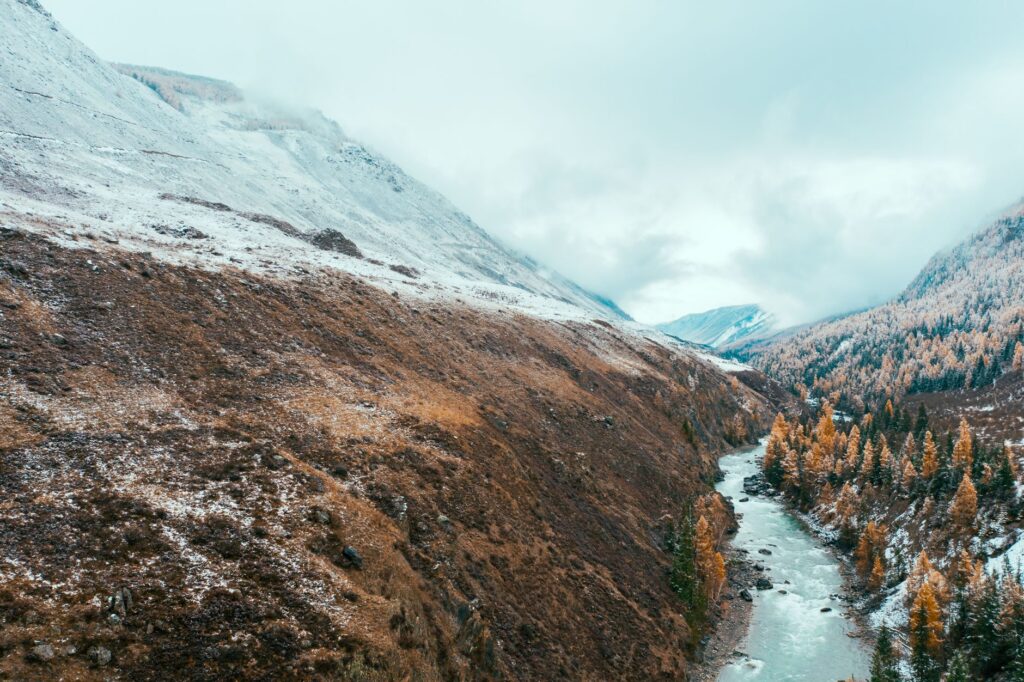
In the deep forested recesses of southwestern Germany, where sunlight struggles to pierce a dense canopy of ancient firs and pines, a water culture thrives that defies the breakneck pace of the twenty-first century. The Baden-Württemberg region, flanked by the Rhine valley and the shadowy peaks of the Black Forest, harbors not only postcard landscapes but a vast subterranean hydrothermal system fueled by deep geological fault lines. Since Roman times, when legions first discovered the healing properties of these mineral-rich springs, the territory has evolved into Europe’s epicenter of conscious well-being. Here, disconnection is not a mere marketing pitch, but a physiological and cultural necessity deeply embedded in the architecture and strict etiquette of its historic bathhouses.
The thermal phenomenon of this geographical zone rests on a delicate balance between extinct volcanic geology and strict forest preservation. The waters emerge at temperatures ranging from 35 to 68 degrees Celsius after completing a subterranean journey through layers of granite and red sandstone lasting thousands of years. This natural filtration process endows the liquid with a chemical composition rich in sodium chloride, lithium, and trace elements that stimulate blood circulation and relieve chronic muscular tension. Far from the artifice of modern resort complexes, the traditional baths of Baden integrate the surrounding nature as an active component of the cure, where steam laden with conifer essences works in perfect harmony with the monastic silence of the valleys.
The Invisible Geography of Thermal Springs
To comprehend the magnitude of hydrotherapy in the Black Forest, one must descend into the subsoil and examine the tectonic faults crisscrossing the Rhine depression. Rainwater penetrates the mountainous summits, descends thousands of meters into the earth’s interior where it is heated by geothermal gradients, and subsequently rises under pressure through specific fissures. This hydrogeological cycle explains why cities like Baden-Baden and Bad Wildbad have become global benchmarks in preventive medicine. Local authorities implacably regulate the extraction of these resources, ensuring the flow remains constant and free from any form of overzealous tourist exploitation.
The architecture protecting these springs stands as an eloquent testament to the evolution of healing design in Europe. From the imposing neoclassical porticos of Caracalla to the modernist structures of the early twentieth century, thermal buildings prioritize the golden ratio and noble materials such as local limestone, solid oak, and wrought iron. Inside, the acoustics are engineered to absorb external sound, inviting absolute introspection. The transitional corridors linking the hot water pools with dry sweating rooms are conceived as mental waystations, where the traveler gradually sheds the demands of digital life to attune with their own respiration.
Architecture of Noble Timber and Regional Stone
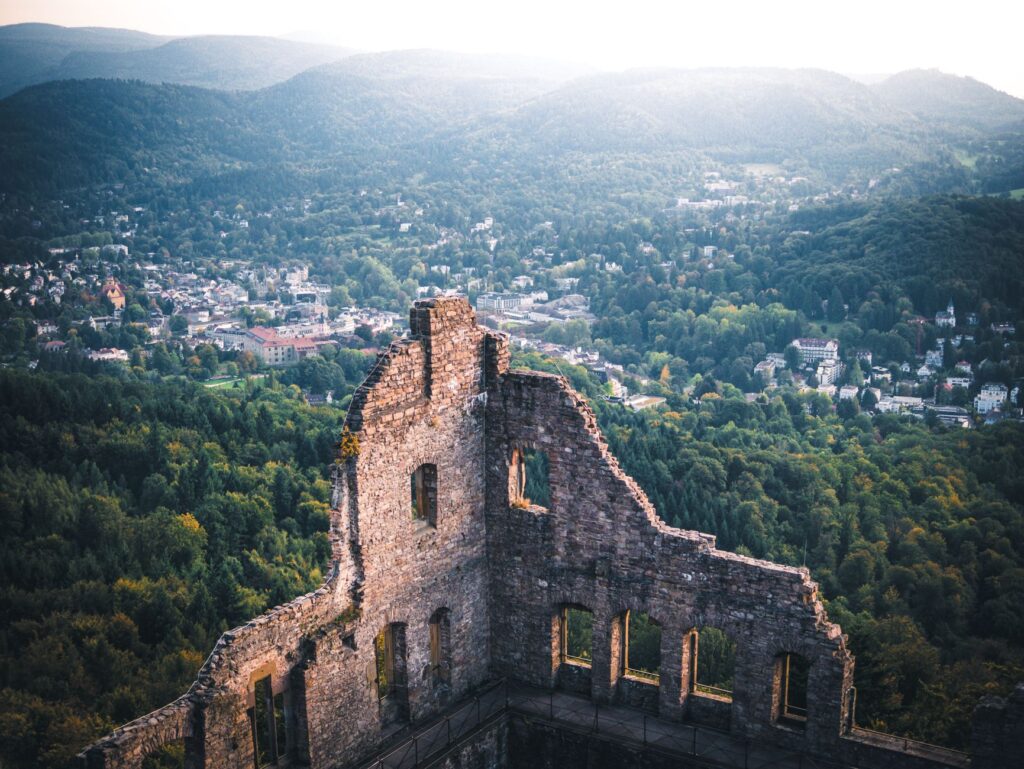
The dialogue between the forest setting and the bathhouse buildings is manifested in the sovereign use of conifer timber and hand-carved stone. The vaulted ceilings of traditional saunas are clad in silver fir slats sourced directly from the Black Forest itself—wood that, upon heating, releases natural resins with proven balsamic properties. This structural display does not pounce on fleeting aesthetic whims, but rather honors a carpentry tradition passed down through generations that prioritizes durability, natural hygiene, and organic thermal insulation over synthetic materials.
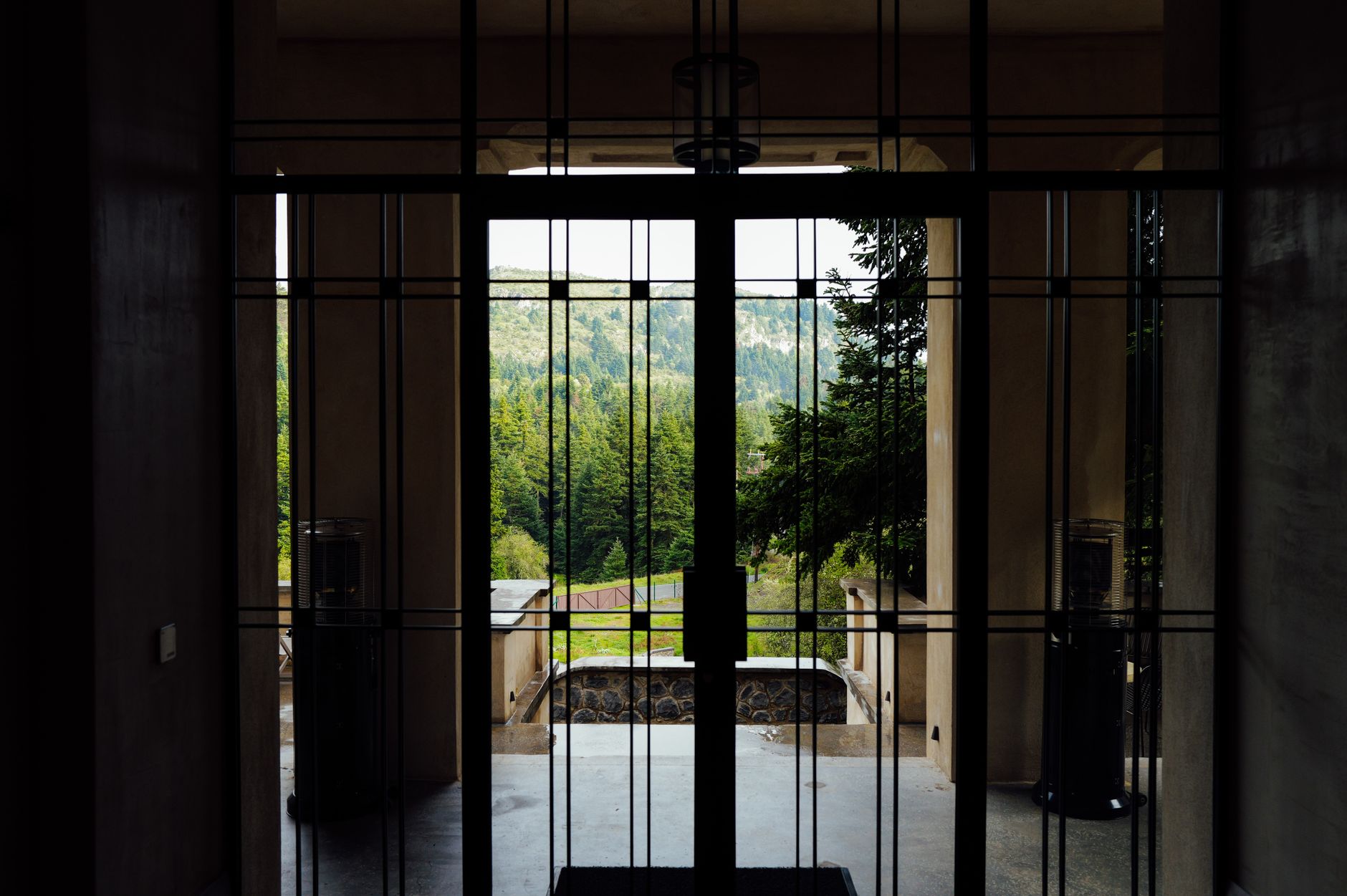
Exterior facades seamlessly blend with the forest’s chromatic palette through the use of Vosges red sandstone and dark slate. Architects tasked with restoring these sanctuaries over recent decades have understood that human intervention must remain respectful and discreet. Large tempered glass windows do not attempt to compete with the landscape, but rather frame it as if it were a living work of art. From the interior of a saline pool kept at thirty-eight degrees, watching the morning mist drift between the fir trees produces a gradual dissolution of boundaries between the human body and the natural environment.
Hot water is not a superficial luxury, but the medium through which the earth returns to us the balance that time and noise strip away each day.
This architectural integration is completed by thoughtful indirect lighting mirroring the natural compass of the seasons. During autumn and winter afternoons, when daylight shrinks drastically across the wooded valleys, indoor spaces are illuminated exclusively by candles and low-intensity lamps, encouraging the relaxation of the parasympathetic nervous system. The absence of screens, jarring noises, or aggressive visual stimuli turns each hydrotherapy session into an exercise in profound mental hygiene, where silence ceases to be an uncomfortable void and becomes the true protagonist of the stay.
The Ritual of the Aufguss and Vapor Purification
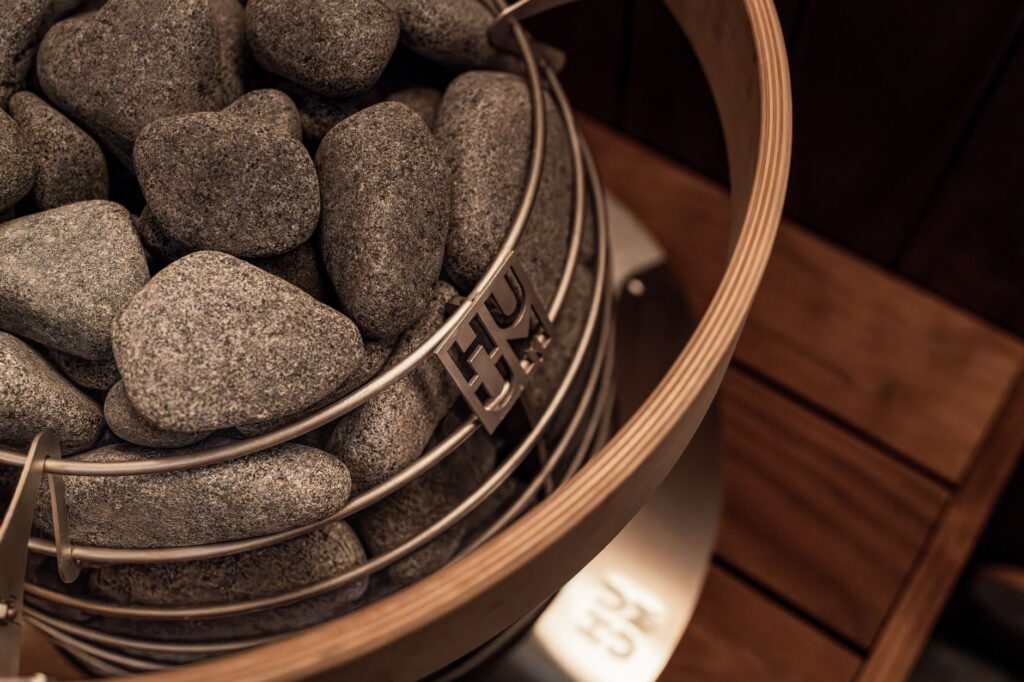
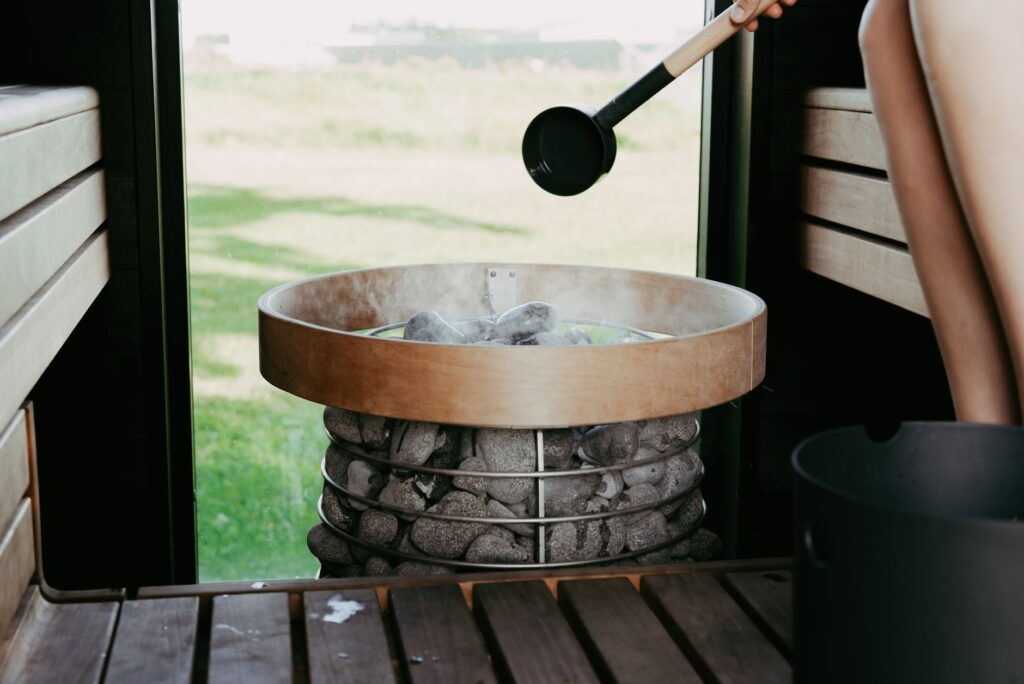
Within the wellness offerings of the Black Forest, the Aufguss ritual holds a central position due to its intensity and strict methodological rigor. Unlike conventional Nordic saunas, this practice in Baden’s thermal centers elevates itself almost to the category of artistic performance. A specialized sauna master pours water mixed with pure essential oils—typically extracted from silver fir shoots, eucalyptus, or wild mint—onto the incandescent stones of the central stove. Through precise, rhythmic movements performed with a large towel, vapor laden with active botanicals is directed straight toward the participants.
This process drastically stimulates cutaneous perspiration, eliminating toxins and promoting deep muscular relaxation that lingers for hours. The atmosphere inside the cabin is one of absolute respect; silence is broken only by the hiss of water evaporating and the rhythmic swish of displaced air. Following the intense heat session, the protocol demands a gradual cooldown including cold showers, immersion in contrast pools, and a mandatory rest period in rooms equipped with comfortable wooden loungers and virgin wool blankets.
Perspiration is not the sole objective of this ancient ritual; the social and mental dimension of the Aufguss fosters a silent communion among participants. Hierarchies and external distractions vanish inside the timber cabin. All visitors share the same vulnerability before heat and steam, generating an atmosphere of profound collective empathy. This shared experience contrasts sharply with the digital isolation characterizing contemporary urban routines, reminding the traveler of the paramount value of unhurried, respectful human contact within technology-free spaces.
Fluvial Hydrotherapy and the Legacy of Sebastian Kneipp
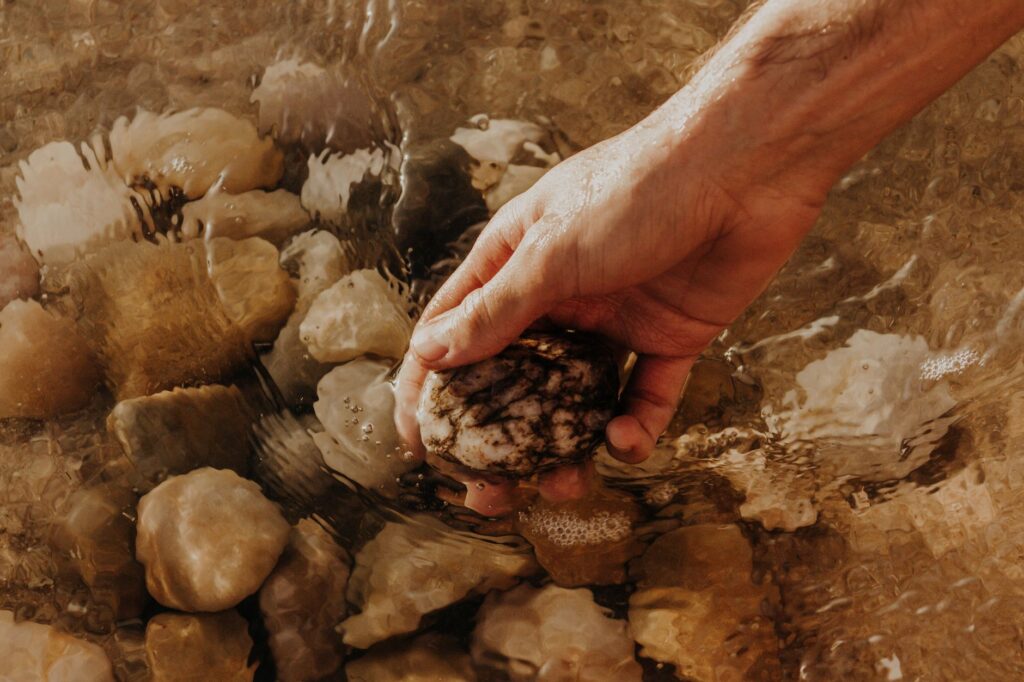
Beyond large indoor thermal complexes, the Black Forest basin keeps alive the tradition of open-air circuits inspired by the legacy of Pastor Sebastian Kneipp. Along crystal-clear streams descending forcefully from the peaks, public facilities known as Wassertretstellen have been established. These spaces consist of shallow stone pools where cold mountain water constantly flows, designed for short walks lifting feet from pebble beds. The thermal contrast stimulates skin receptors, accelerates metabolism, and naturally strengthens the immune system.
Locals integrate this practice into their morning walks regardless of the time of year. Walking barefoot through icy water while breathing pure air laden with phytoncides—volatile organic compounds emitted by trees—represents one of the purest forms of preventive medicine in Europe. This functional simplicity proves that true luxury in wellness tourism resides not in material ostentation, but in accessibility to pristine, rigorously preserved natural elements maintained by local communities.
Scientific rigor endorses these traditional practices. Various toxicological and cardiological studies conducted at universities in Baden-Württemberg confirm that combining mineral-rich thermal baths with cold hydrotherapy significantly reduces blood cortisol levels and improves arterial elasticity. Far from being a passing trend, this medical approach to health tourism guarantees that every visit to the Black Forest valleys constitutes a real, measurable investment in the traveler’s longevity and quality of life.
Practical guide
How to get there: Stuttgart International Airport and Frankfurt am Main Airport serve as the main gateways to the region, connected via an excellent network of ICE high-speed trains linking directly to major thermal towns like Baden-Baden and Bad Wildbad in under two hours.
When to go: The autumn and winter season (October through March) offers the most authentic and immersive experience, when the contrast between the freezing forest exterior and the warmth of thermal waters reaches its peak aesthetic and therapeutic expression.
Etiquette and rules: The vast majority of sauna zones in traditional Black Forest bathhouses are strictly textile-free (nude) for reasons of hygiene and cultural tradition. Bringing at least two large cotton towels and non-slip footwear for transit areas is mandatory.
Recommended accommodation: Opt for historic hotels integrated into the forested valleys offering direct access to private thermal sources or certified springs, avoiding overcrowded mass-tourism hotel complexes on urban peripheries.
Local gastronomy: During the thermal cure, guests are encouraged to pair their stay with zero-kilometer local Black Forest gastronomy based on game meat, root vegetables, seasonal warm soups, and purifying vegetable broths.
Preservation: Strictly respect silence rules in resting areas and refrain from using electronic devices throughout the perimeter of hydrotherapy facilities to preserve the collective atmosphere of calm.
Internal transport: The Konus guest card, provided free of charge when staying at most regional establishments, allows unlimited use of local buses and trains throughout the entire Black Forest territory, facilitating travel without needing to rent a car.
The Eternal Whisper of the Forest and Restored Calm
At dusk, as the shadows of the fir trees stretch across the slate rooftops of the valleys, the Black Forest reclaims an almost solemn silence. Sitting on a wooden terrace with a cup of local herbal tea while watching steam rise from thermal springs toward the dark fronds is an exercise transcending mere holiday rest. It is a reconnection with elemental biological rhythms that urban industrial civilization insists on erasing. In this corner of Baden, time is no longer measured in minutes but in deep breaths, in the texture of damp stone, and in the unhurried heartbeat of a heart that has finally found its original compass.
The true transformation offered by this territory is experienced not immediately, but in the days following return, when daily bustle attempts to penetrate the senses once more only to crash against an invisible wall of inner serenity. Conifer hydrotherapy and the architectural isolation of its bathhouses act as a protective shield for mental equilibrium. Thus, the Black Forest cements itself not merely as a premier geographical destination, but as an indispensable spiritual refuge for those who understand that authentic well-being is, above all, an act of returning to the essential.