The Invisible Horizon of Dubai 2026: How Artificial Intelligence and Conscious Luxury Redefine Global Travel
A deep immersion into the transformations presented at ATM Dubai 2026, where predictive technology and sustainable exclusivity shape a new era for international travelers.
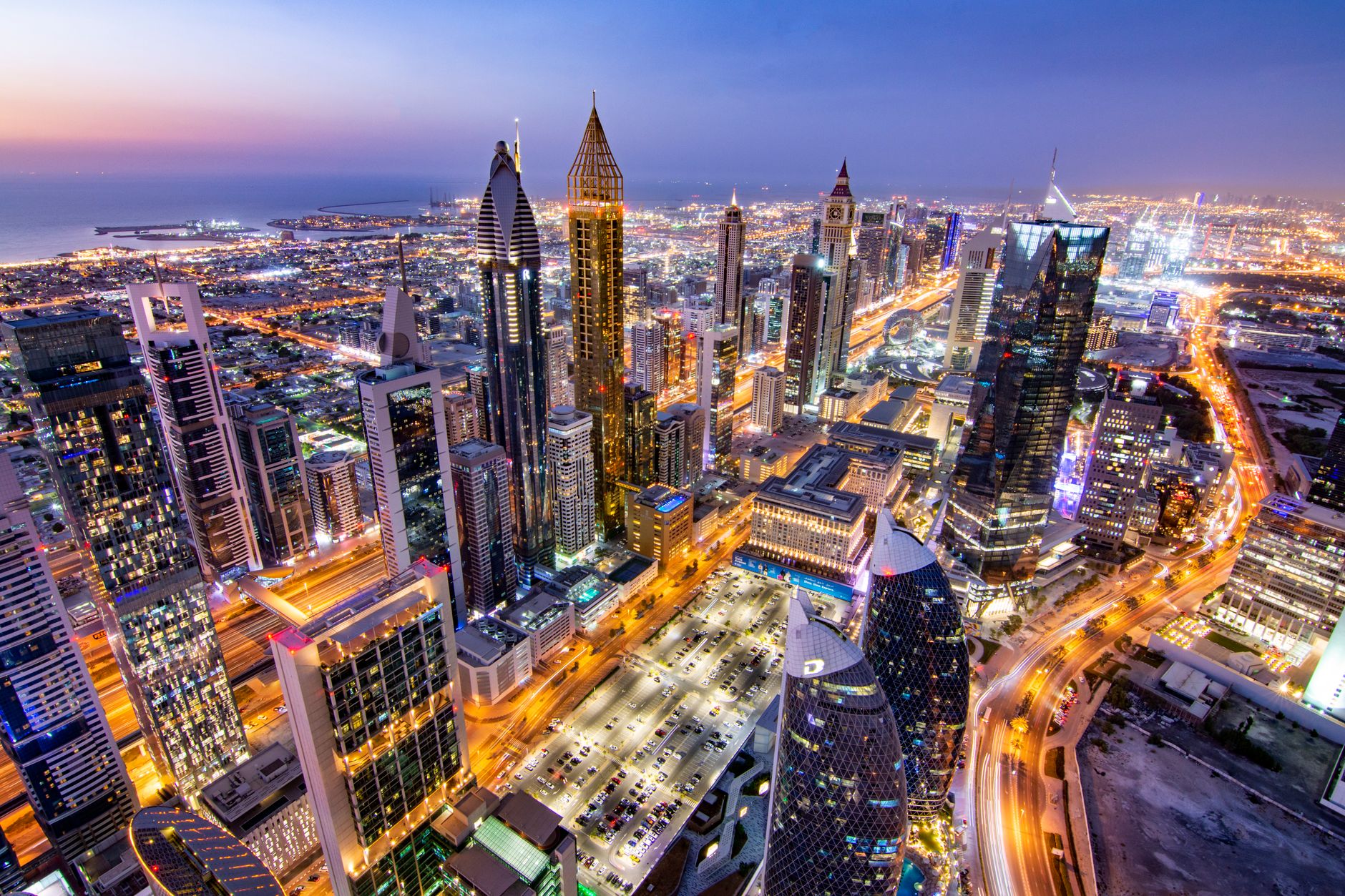
Dubai’s skyline, forever defined by architectural audacity, hides a mutation this year far deeper than the mere addition of skyscrapers. Within the halls of the Arabian Travel Market 2026, the global conversation on tourism has abandoned post-pandemic numerical euphoria to embrace an unusual maturity. It is no longer just a question of how many millions of visitors cross the borders of the United Arab Emirates, but what footprint they leave behind and how the experience anticipates the traveler’s desires even before they leave home.
This paradigm shift does not stem from improvisation, but from a precise confluence between climate urgency, the maturity of generative artificial intelligence, and a growing consumer demand for products where luxury means recovered time and absolute personalization rather than excess. Industry analysts gathered at the event agree: tourism has formally entered its phase of intelligent premiumization.
The Invisible Architecture of Algorithmic Personalization
To grasp the scope of these transformations, one only needs to observe how destination management systems will operate in the coming months. Artificial intelligence has ceased to be a friendly chatbot on an airline’s website and has become the central nervous system of modern hospitality. In Dubai, resorts and flag-carrier airlines are deploying predictive models capable of adjusting everything from suite lighting to private transport routes based on subtle biometrics and historical behavioral patterns.
However, this hyper-connectivity raises complex ethical questions that the industry is beginning to debate openly. Where does attentive service end, and where does algorithmic intrusion begin? The most advanced operators are opting for a granular consent model, where the traveler voluntarily chooses to share data in exchange for zero friction across airports, immigration checkpoints, and exclusive gastronomic experiences.
The Role of Digital Twins in Urban Planning
Technology is also transforming how tourist metropolises manage human pressure. Through the use of digital twins—real-time virtual replicas of entire urban infrastructures—Dubai’s authorities can simulate visitor flows in key districts such as Downtown or the Marina, redirecting pedestrian and vehicular traffic before congestion occurs.
This engineering of invisibility ensures that tourists perceive a city that is always open, spacious, and welcoming, when in reality every square meter is optimized through machine learning algorithms that balance visitor experience with the peace of local residents.
The Rise of Premiumization and the Value of Time
The term premiumization dominates every panel discussion at the event, but it is useful to strip away its commercial gloss to understand its operational meaning. The goal is no longer to sell gold in material details, but temporal and spatial exclusivity. The high-net-worth traveler of 2026 values privacy and access to experiences above all else—experiences that cannot be replicated through a simple digital booking.
This translates into an unprecedented surge in ultra-private accommodation bookings, the exploration of protected nature reserves via electric helicopters, and a demand for cultural itineraries co-created by local historians and anthropologists, far removed from traditional mass tourism circuits.
Contemporary luxury is no longer measured by the weight of gold in the lobby, but by the destination’s ability to gift silence, space, and meaning in a saturated world.
The Reconversion of the Traditional Hotel Model
Major hoteliers in the region are dismantling the classic concept of reception and standardized service. The rooms of the new complexes are designed as autonomous ecosystems that learn from the guest’s body temperature, sleep habits, and dietary preferences during their very first night.
Likewise, the gastronomic offering within these spaces is being decentralized: Michelin-starred chefs collaborate with local vertical-farming agriculturists in the desert to offer hyper-local menus whose carbon footprint is audited and offset in real time.
Sustainability and the Footprint Dilemma in the Desert
Talking about tourism in the United Arab Emirates necessarily entails addressing the ecological paradox of erecting luxury oases in an arid environment. Projections presented at ATM 2026 show a coordinated effort by authorities to certify carbon neutrality in new tourism developments before the end of the decade.
Desalination powered by solar energy, bioclimatic architecture that drastically reduces the need for air conditioning, and the strict protection of coastal turtle and mangrove reserves are no longer philanthropic initiatives, but essential commercial requirements to attract international investment funds demanding strict ESG criteria.
Autonomous Mobility and Low-Emission Transport
Urban and interurban transport is also undergoing a radical metamorphosis. Pilot projects for electric air taxis and the expansion of fully automated metro networks aim to eliminate automobile congestion in the densest tourism corridors.
These infrastructures not only optimize logistics, but transform the journey into an attraction in itself, offering panoramic views of the Persian Gulf and the desert without generating direct carbon emissions.
The Human Dimension Versus Automation
Despite the unprecedented technological deployment, one of the firmest consensus points emerging from the debate panels is the unrenounceable need to preserve the human factor. Artificial intelligence can predict which pillow a guest prefers or when their table will be ready, but it is incapable of conveying the genuine warmth of Emirati hospitality.
Tourism institutions are allocating record budgets to local talent training, ensuring that young professionals in the region act as cultural ambassadors capable of narrating Dubai’s living history beyond its futuristic facade.
The Rediscovery of Deep Cultural Heritage
Tourism in the UAE is experiencing a fascinating shift inward and backward. Visitors are no longer satisfied with coastal postcards; they demand expeditions deep into the desert to understand Bedouin life, traditional calligraphy workshops, and archaeological tours of the millennium-old settlements in the Hatta region.
This valorization of local history acts as a counterweight to the speed of urban modernization, offering travelers a balanced narrative that connects ancestral roots with technological vanguard.
Practical guide
When to plan: The optimal season to visit Dubai and participate in its major professional forums runs between November and March, when outdoor temperatures allow unrestricted enjoyment of open-air activities.
Access and connectivity: Dubai International Airport (DXB) and Al Maktoum International Airport (DWC) now integrate advanced biometric systems that allow immigration controls to be completed in seconds for travelers pre-registered in official applications.
Intelligent mobility: It is recommended to download the local government’s unified transport platforms to manage both the automated metro and authorized electric vehicle services, avoiding informal intermediaries.
Booking exclusive experiences: Visits to nature conservation reserves and signature gastronomic experiences require booking several months in advance due to strict daily quotas designed to protect the environment.
Etiquette and sustainability criteria: It is essential to respect local dress codes in traditional public spaces and cooperate with hotel initiatives aimed at plastic reduction and responsible water consumption.
Reuniting with Silence in the Dunes
Beyond the hustle and bustle of convention centers and the relentless glow of commercial boulevards, the true essence of the Emirati experience awaits where technology switches off. At dusk, when shadows lengthen across the red sand dunes of the Dubai Desert Conservation Reserve, silence regains its original hierarchy.
It is in this territory of clean horizons and mild temperatures that travelers grasp the true dimension of the changes debated at the forum. Technology advances to simplify the superfluous, luxury is refined to protect time, but the immensity of the desert landscape remains unaltered, reminding us that humanity’s greatest aspiration continues to be the pursuit of contemplation and inner peace.
In the silence of the desert, technological vanguard and ancient tradition join hands to offer travelers something impossible to replicate: the certainty of being truly present.
Source: Information adapted and verified from journalistic reports by noticiasdebariloche.com.ar under global tourism event coverage.
ATLAS LUME · BEFORE YOU GO
A story that continues at the destination
DocumentsCheck visas, health requirements and document validity with official sources.
BookingsConfirm the final price, taxes and conditions directly with the provider.
Responsible travelRespect local communities, heritage and ecosystems.