The Silent Transformation on the Roof of the World
For decades, the collective imagination has linked Nepal with vertical conquest: snow-capped summits, mass expeditions, and the individual pursuit of human limits across the Himalayan range. Yet, in the foothills of these colossal mountains, a profound mutation is underway. Far from the noise of ice axes and seasonal overcrowding at base camps, the country’s tourism sector is undergoing a process of radical reinvention driven by a conceptual framework known as the 3T model: Trend, Technology, and Time. This strategy does not merely seek to attract more visitors, but to redefine the relationship between the traveler, local communities, and the fragile alpine ecosystems that bear the weight of the industry.
The challenge is immense. The historical trails of the Annapurna and Everest regions have suffered for years from mass tourism, solid waste accumulation, and unsustainable pressure on local water resources. Faced with this reality, the shift toward sustainability ceased to be a theoretical option and became a matter of economic and ecological survival. The 3T approach proposes a paradigm shift: moving from the extractive consumption of the landscape to active, regenerative conservation. Through this report, we examine how rural communities, state planners, and local operators are weaving a resilient network aimed at turning Nepal into a global benchmark for responsible tourism.
Trend: From Mass Tourism to Conscious Regeneration
The first conceptual pillar of Nepal’s new model addresses alignment with the global currents of the contemporary traveler. Today’s trend no longer demands merely a static postcard or a summit trophy; it requires authenticity, ethical traceability, and a net-positive impact on the visited territory. In regions such as the Kathmandu Valley and the hills of Pokhara, this demand has catalyzed the rise of community-based tourism, where local families directly manage accommodation and dining, ensuring that per capita revenue remains within the village economy.
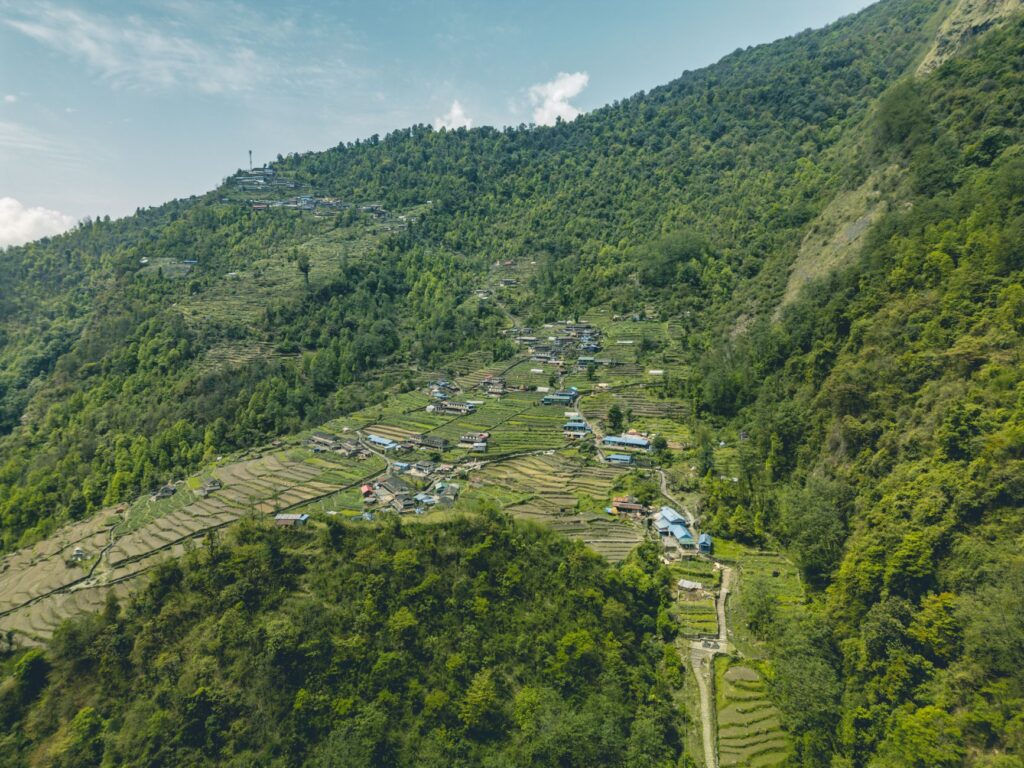
This shift in trends also involves de-seasoning and geographic diversification. Traditionally, tourist flows were concentrated in very brief windows during spring and autumn. Today, sustainable tourism initiatives promote the exploration of lesser-traveled routes in the middle hills, such as the Tamang Heritage Trail or the deep western protected areas, where pristine nature meets untouched cultural richness. The goal is to disperse human load to protect the soil and allow local ecosystems to breathe.
Tourism in the Himalayas is no longer measured by how many feet step onto the summit, but by how local communities manage to thrive without compromising their environment.
Experts point out that this evolution responds to a mature awakening by the international traveler. Satisfaction surveys and tourist behavior reports in the country show a sustained increase in the preference for low-impact experiences, prolonged stays in a single community, and participation in traditional crafts or organic agriculture workshops. This trend not only relieves pressure on natural sanctuaries but enriches the traveler’s experience, transforming them into an ally of conservation.
Technology: Digital Innovation at the Service of Alpine Conservation
The second lever of the model is technology, applied both to the management of visitor flows and environmental preservation. In terrain as rugged as Nepal’s, connectivity and digital tools have become invisible lifelines. From geolocation systems for monitoring endangered wildlife—such as the snow leopard and local fauna—to centralized booking platforms that monitor the carrying capacity of mountain lodges in real time, technological innovation is optimizing every link in the tourism chain.

A prominent example of this technological integration is the deployment of decentralized solar energy systems in high-altitude camps. These systems not only drastically reduce the felling of forests for firewood and heating, but also guarantee a clean energy source for lighting and charging essential devices. Likewise, local authorities have implemented mobile applications for hikers, allowing them to register generated waste, report environmental incidents, and access accurate weather maps to avoid high-altitude risks.
Technology also plays a crucial role in environmental education. Through QR codes located at national park entrance points, visitors can access interactive guides on endemic flora and fauna, as well as mandatory codes of conduct to minimize acoustic and physical impact on the natural habitat. This digitalization of information fosters a sense of civic responsibility in the visitor before they venture into the most sensitive trails.
Time: Temporal Management and the Value of the Pause
The third dimension, time, addresses one of the greatest ills of contemporary tourism: fleeting visits and seasonal saturation. Temporal management in the Nepalese context advocates for deceleration, proposing longer stays in specific territories rather than the frantic touring of multiple points in a few days. By encouraging travelers to linger longer in a single village or valley, the carbon footprint derived from constant transport is reduced, fostering a deeper and more meaningful cultural exchange.
This temporal perspective also applies to the long-term planning of tourism infrastructure. Local authorities, in collaboration with non-governmental organizations, are designing temporary moratoriums for the maintenance and recovery of heavily eroded trails. During these periods of ecological rest, nature regains its balance while local communities take the opportunity to train in sustainable hospitality management, mountain first aid, and bioclimatic construction techniques.

The concept of slow time clashes head-on with the digital immediacy we are accustomed to, but it fits perfectly with the majestic scale of the Himalayas. The mountains demand patience, physical, and mental acclimatization. Sustainable tourism based on time recognizes that haste is the enemy of safety and conservation. By slowing down the experience, visitors not only protect the environment but rediscover the original purpose of travel: contemplation and mutual learning.
Vernacular Architecture and Low-Footprint Transport in Valleys and Mountains
The development of sustainable tourism in Nepal cannot be conceived without a thorough overhaul of its physical infrastructure. The traditional architecture of stone, mud, and cedar wood—adapted for centuries to the seismic and climatic rigors of the region—had begun to be replaced by unsightly concrete and sheet metal structures designed to massively house hikers. Today, the architectural conservation movement promotes a return to local materials and vernacular techniques, integrating energy efficiency criteria and natural thermal insulation.
In parallel, land transport in mountain areas is undergoing a necessary transition. The uncontrolled opening of forest tracks for off-road vehicles had fragmented ecosystems and eroded slopes. The current strategy prioritizes the recovery of purely pedestrian trails and the use of mules and yaks as traditional load-bearing methods for supplying upper shelters. When motorization is unavoidable, electric and green hydrogen fleets are prioritized on key approach routes, drastically reducing greenhouse gas emissions in enclosed valleys.
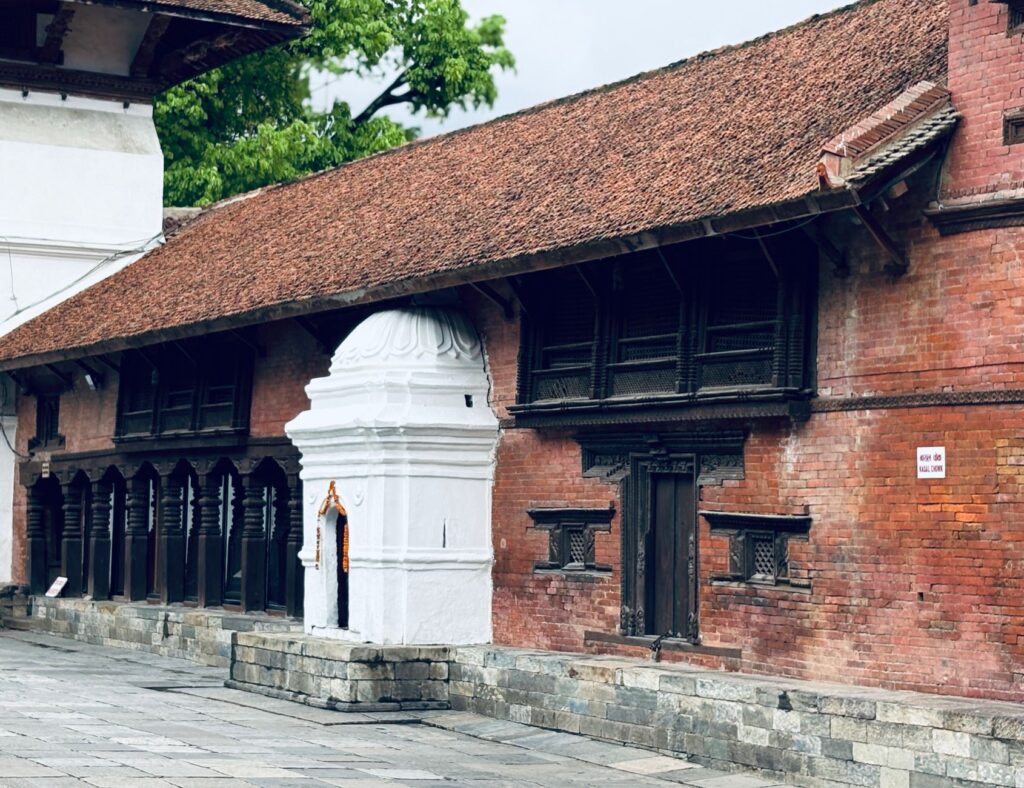
This combination of respectful architecture and low-impact mobility ensures that the cultural landscape of the Himalayas remains intact. Travelers traversing these paths not only observe a privileged natural environment but coexist with structures that dialogue harmoniously with the topography, demonstrating that human development and ecological preservation can coexist in perfect harmony.
Living Culture: Indigenous Communities as Stewards of Heritage
No conservation strategy in Nepal can succeed if it ignores the central role of indigenous peoples, such as the Sherpas, Tamangs, Gurungs, and Magars. These communities have inhabited the highest and most challenging valleys in the world, developing a profound traditional ecological knowledge that now stands as the first line of defense against environmental degradation. Sustainable tourism recognizes these populations not merely as service providers, but as legitimate custodians of the land.
Current capacity-building programs empower indigenous women and youth to lead ecotourism initiatives, ranging from mountain guide cooperatives to native seed conservation projects and traditional medicine. This approach ensures that the economic benefits of tourism reinforce social cohesion and prevent the depopulation of rural areas. The intergenerational transmission of local culture is strengthened when younger generations find a dignified, respected livelihood on their native soil.

Protecting Himalayan biodiversity is inseparable from preserving the language, traditions, and territorial sovereignty of its indigenous peoples.
Furthermore, community-managed cultural tourism fosters genuine respect for the region’s spiritual traditions. Buddhist monasteries and local shrines receive direct financial support through transparently managed entrance fees and donations, ensuring the restoration of historic buildings and the continuity of secular festivals that form a living part of world heritage.
Practical guide
Planning a sustainable trip to Nepal requires rigor, sensitivity, and respect for local regulations aimed at conserving the fragile alpine ecosystem and community well-being.
- When to travel: Avoid the crowds of deep spring and peak autumn. Consider transition months (early spring or late winter) or explore the southern and western regions during the mild winter.
- Accommodation: Prioritize teahouses and lodges managed by local families (homestays). Ensure they use solar energy and waste management practices backed by community cooperatives.
- Transport: Use public collective transport (local buses) for long journeys and walk whenever possible. Avoid short internal flights when viable land alternatives exist.
- Waste management: Apply the zero-waste principle. Carry a reusable bottle with a purification system, avoid single-use plastics, and pack out all non-organic trash you generate.
- Cultural respect: Dress modestly, ask permission before photographing local people, and show respect for Buddhist and Hindu places of worship by always walking clockwise around stupas and mani walls.
- Permits and fees: Ensure all mandatory permits (such as TIMS and conservation area permits) are processed through authorized agencies that guarantee the full payment of local environmental protection fees.
- Local economy: Buy handicrafts directly from local artisans and consume seasonal agricultural products grown in the valley you visit.
Emotional Epilogue: The Invisible Footprint on the Great Range
At dusk, when the last rays of sun gild the peaks of the ice giants and the wind whistles softly through the rhododendron forests, the Himalayas reclaim their eternal silence. In that moment of profound connection with nature, we understand that true travel is not measured by summits conquered or distances covered on maps, but by the lightness of our presence in the world. The 3T model in Nepal is not just an economic strategy or a technical response to the climate crisis; it is, in essence, an act of humility. It reminds us that we are temporary guests in a millennial sanctuary and that our noblest duty is to leave the trails as clean, the communities as vibrant, and the forests as lush as we found them upon arrival. At the end of the road, the only footprint that truly matters is the one that remains invisible to the eye, yet endures in the memory and health of the planet.
Source in EN: The Tourism Times – Rebranding Nepal’s tourism through 3T: Trend, Technology and Time (https://news.google.com/rss/articles/CBMirwFBVV95cUxQcE1NQWlYTjdOQnRqNGNTaXVvY3YtOE5VRUFNTk1zOVVwSGdkcXI4MUxXVUxic2dianZHcERCLXY0YzFsRzIySk9kQS05ZzJCQVhoMUlKa19jbkRJZTQxSjA2OTZ4YWR0UUlta2FQX1lxN0lEcWs5V3dBWG9kSlVUQWtzSWNvc0xiU0JuX2VZSDN6RXFvcS0xdU9hcDhoQ2tjSFh6YThxeHdCVEFORGhF?oc=5)