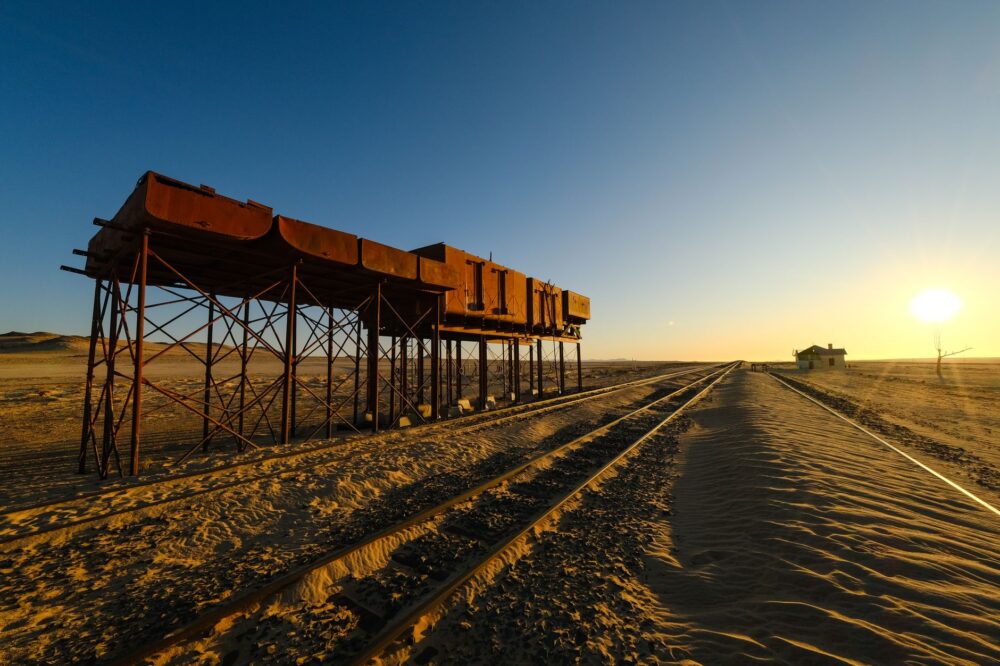
The Iron Artery That Challenged the Desert
In the vast geographical tapestry of West Africa, transport infrastructure has historically constituted the vital pulse upon which the region’s economic and social dynamics rest. The railway layout connecting the Atlantic coast with Senegal’s arid interior is not merely a vestige of French colonial engineering, but an organism in constant tension between material obsolescence and the pressing need for community connectivity. Understanding this system requires delving into the maintenance workshops of Thiès and the intermodal stations where steel meets the immensity of water.
The metric-gauge lines, deployed in the late 19th century and consolidated during the early decades of the 20th century, originally responded to an extractive and territorial control logic. However, over the decades, these tracks transformed into the daily sustenance for thousands of merchants, farmers, and travelers who rely on the predictability of the convoy against the harshness of unpaved dirt roads. The railway acts as an irreplaceable socioeconomic bridge that shortens temporal distances between coastal markets and the deep interior’s agricultural enclaves.
Along the main corridors, the interaction between fixed infrastructure and human flow reveals a complex logistical choreography. Mixed freight trains, transporting everything from sacks of peanuts to essential construction materials, share space with local passenger services operating under strict punctuality margins conditioned by extreme weather and the cumulative mechanical wear of continuous decades of service.
Fluvial Symbiosis: When the Train Meets the River
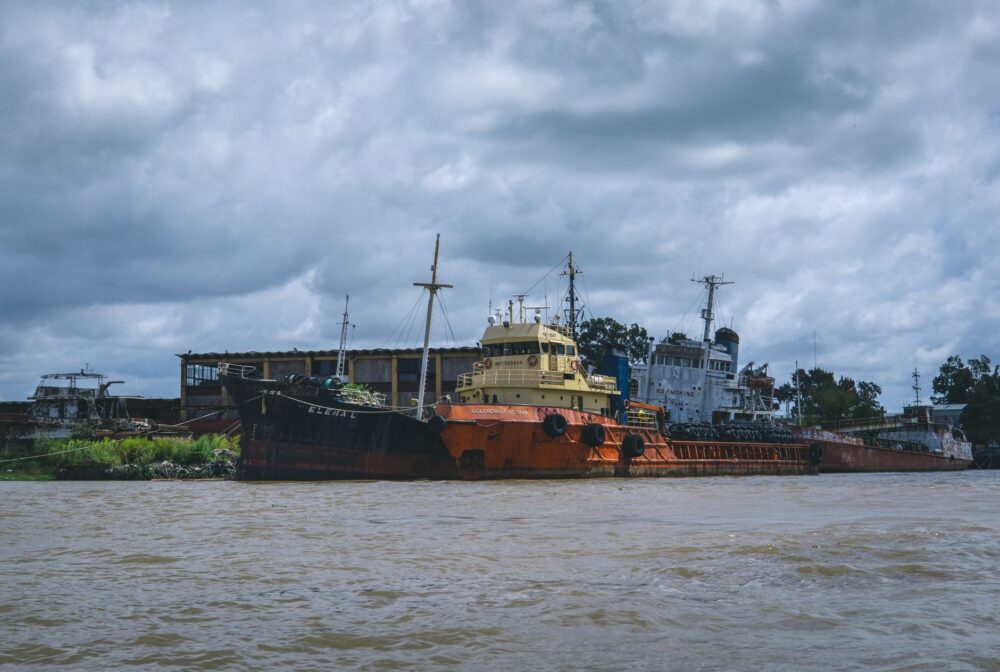
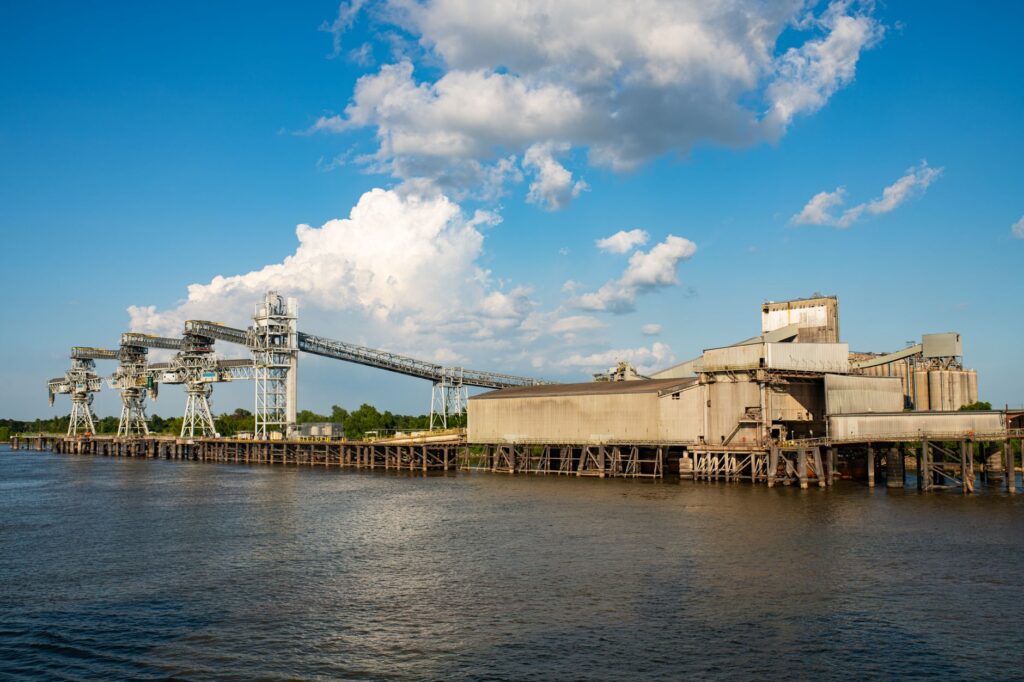
Connectivity in this region of West Africa is not understood solely through the rail; it finds its symbiotic counterpart in fluvial routes running parallel or transversely to the main track. The Senegal River, with its hydrological regime marked by the seasonality of monsoonal rains, has historically demanded the development of river port architecture adapted to drastic water level fluctuations. In Saint-Louis and river ports upstream, the transfer of cargo between cabotage boats and railway cars represents an exercise in intermodal precision.
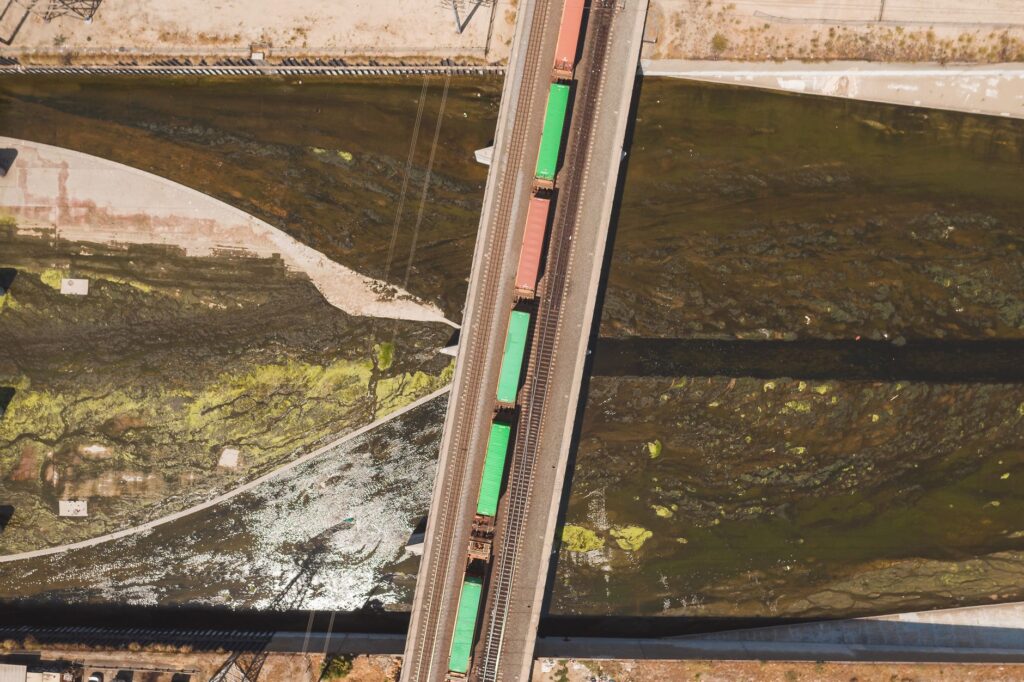
Fluvial and railway intermodality optimizes bulk transport in a territory where roads suffer prolonged cutoffs during flood seasons or extreme droughts. Local engineers and transport authorities have had to design seasonal dredging strategies and signaling systems adapted to the changing morphology of sandbars and river meanders, ensuring the supply chain remains unbroken at critical transfer points.
This two-headed system—composed of iron and water—generates a vital economy of scale for riparian communities. Local markets emerging near piers and terminal stations function as nodes of cultural and commercial exchange where local producers, river transporters, and railway workers converge, weaving a subsistence network that defies the structural vulnerabilities of the Sahelian environment.
Engineering Against the Elements: Technical Maintenance Challenges
Maintaining a transport network within the biogeographical environment of the Sahel presents monumental technical challenges. Extreme thermal oscillations, frequently exceeding forty degrees Celsius between day and night, cause constant expansion and contraction of steel rails, demanding millimeter-level geometric inspections by track and works crews. Likewise, dust storms known as the harmattan deposit thin layers of abrasive sand onto switch mechanisms and braking systems, accelerating mechanical wear.
To counteract these degradation factors, railway repair workshops have combined traditional methodologies with ultrasonic diagnostic technology to detect microcracks in wagon axles and track joints. Operational resilience rests upon accumulated technical knowledge by generations of railway workers who have turned artisanal repair and component reuse into an art of industrial survival.
blockquote>The true value of this infrastructure lies not in its commercial speed, but in its unwavering capacity to keep territories united that geography and climate constantly conspire to separate.blockquote>
Meanwhile, drainage infrastructure situated along the railway embankment has undergone constant redesigns to prevent platform undermining during sudden flash floods. Original masonry culverts, built at the beginning of the last century, coexist today with modern reinforced concrete structures designed to channel torrential flows without compromising ballast stability.
The Human Factor and the Culture of Moderate-Speed Travel
Traveling along this railway and fluvial corridor constitutes a profound anthropological experience that contrasts sharply with the standardized speed of contemporary air or high-speed transport. The leisurely pace of the convoy allows observers to note the gradual transition from thorny bush steppe landscapes to fertile river floodplain landscapes. At each intermediate stop, carriages transform into itinerant marketplaces trading local goods, from dried fish to seasonal fruits.
Local communities have integrated the train’s passage as an unalterable temporal reference in daily life. Children come out to greet the tracks with chronometric precision, while local artisans seize passenger arrival hours to offer their crafts on dirt platforms. This social complicity ensures the physical protection of infrastructure against vandalism or looting, turning users themselves into active guardians of the transport corridor.
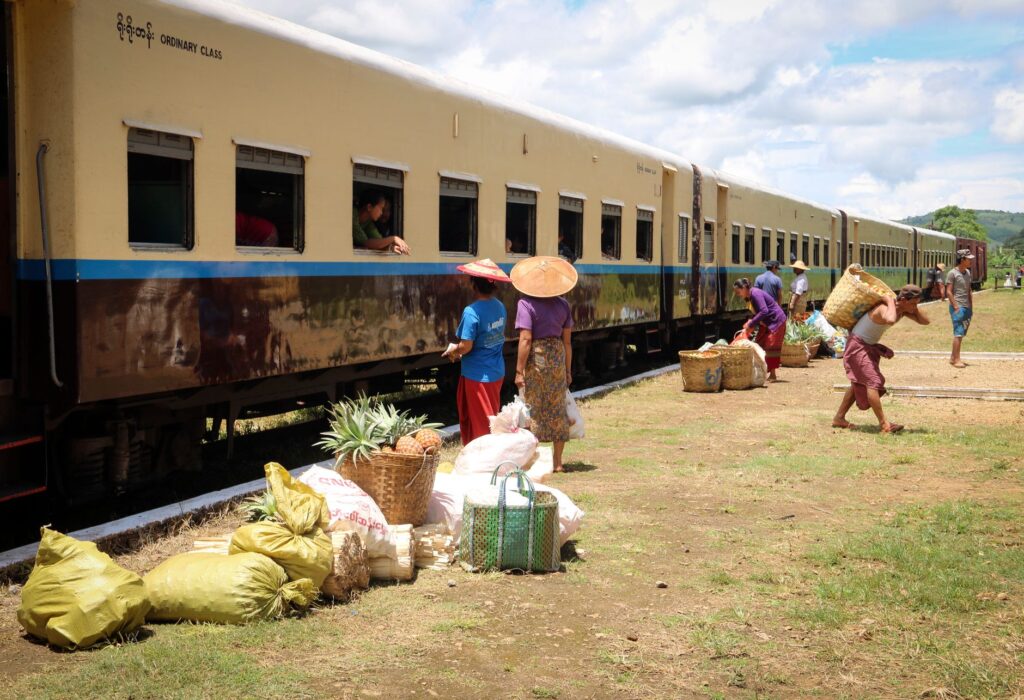
Passenger flow management also requires constant operational diplomacy by conductors and station masters, who must coordinate space allocation for bulky luggage, agricultural goods, and travelers on carriages where demand frequently exceeds nominal design capacity. This operational flexibility is the key that maintains social cohesion within a public service transport system.
Energy Transition and Modernization Projects
On the strategic horizon of regional transport, revitalization plans seek to integrate latest-generation diesel-electric locomotives and digitized signaling systems that increase operational safety and reduce carbon emissions per ton transported. However, this modernization process faces the delicate task of preserving the social character of the line, whose operating costs must remain accessible to lower-income populations depending exclusively on this service.
Technical feasibility studies conducted in collaboration with international organizations underscore the need to prioritize partial electrification of urban and suburban sections, where demographic pressure has transformed the trackside environment into high-density residential zones. Harmonious integration between urban development and railway safety represents the greatest regulatory challenge for transport administrations today.

Concurrently, specialized technical training for new generations of engineers is fostered in the polytechnic universities of Dakar and Thiès, ensuring generational turnover in a highly specialized sector demanding both mechanical dexterity and a deep understanding of the African logistical context.
The Logistical Horizon of the Western Sahel
Comprehensive analysis of Senegal’s transport network demonstrates that overcoming logistical bottlenecks relies not exclusively on massive external capital injections, but on intelligent optimization of existing resources and respect for local mobility dynamics. Integrating railway nodes with river ports and secondary roads configures a robust multimodal system capable of absorbing regional economic demand fluctuations.
Cross-border cooperation with neighboring countries, especially Mali, is equally decisive in ensuring the continuity of freight traffic along the international corridor. Simplified customs agreements and unified technical inspection protocols at border terminals reduce waiting times and enhance the commercial attractiveness of the railway compared to exclusive road transport.
Consolidating this infrastructure as a backbone axis ensures regional trade maintains a high-capacity transport alternative, energetically more efficient and less vulnerable to climatic interruptions periodically affecting the paved road network.
Practical Guide
Trip Planning and Accessibility: The best time to tour this transport corridor comprises the dry months, between November and May, when weather conditions are most stable and disruptions from monsoonal rains are avoided. It is essential to consult updated schedules directly at main stations, as frequencies may adjust based on rolling stock availability and track maintenance work.
Intermodal Logistics and Connections: To combine the rail journey with river navigation, establishing a base in major logistical hubs like Thiès or Saint-Louis is recommended. Passenger tickets should be purchased in advance at official ticket offices, and sufficient time margin should be allowed for potential transit time adjustments arising from terrain operational complexity.
Luggage and Health Recommendations: Traveling with lightweight luggage resistant to dust and high temperatures is advised. Having travel insurance covering medical assistance in remote areas is essential, alongside strictly following local hydration and sun protection guidelines during extended outdoor stops.
The Eternal Pulse on the Ballast
At dusk, when the golden light of the Sahel merges with the rust of century-old rails and the gentle surface of the river, Senegal’s transport system reveals its true poetic and human dimension. It is not merely a sum of locomotives, barges, and concrete stations, but a vital pulse beating at the leisurely rhythm of the African land. Every convoy crossing the expanse of the savanna carries not only goods and passengers, but the living memory of a collective effort to bridge distances, defying with steel tenacity the relentless passage of time and the vastness of the horizon.