
The Climatic Crossroads of the Iranian Plateau
The Iranian territory, characterized by vast arid plateaus, rugged mountain ranges, and extreme desert basins, has faced unprecedented environmental pressure for decades. The increase in average temperatures, prolonged drought cycles, and chronic water scarcity have radically transformed the landscape and the lives of the rural communities that inhabit it. In this context of ecological vulnerability, the travel and hospitality industry stands at a historic crossroads: continue with an extractive model of intensive water and energy consumption or transition toward regenerative practices capable of mitigating environmental impact.
Recent international forums, such as the ministerial meetings of the Standing Committee for Economic and Commercial Cooperation (COMCEC), have highlighted the urgency of redefining sector policies. In these spaces, the Iranian delegation has presented proposals aimed at integrating climate resilience into the core of its tourism offering. This is not merely a green marketing strategy, but a profound review of how travelers interact with the country’s fragile ecosystems, prioritizing conservation over mass tourism.
Ancestral Knowledge Facing Water Scarcity
The key to this tourism transformation does not lie in imported cutting-edge technologies, but in the recovery and revaluation of traditional wisdom developed over millennia to survive in arid environments. Qanats, underground systems for capturing and transporting water of Persian origin, are once again occupying a central place in territorial planning and heritage tourism routes, demonstrating that hydraulic sustainability was a millenary reality long before the contemporary crisis.
True innovation in sustainable tourism is not always technological; it frequently consists of listening carefully to the methods by which our ancestors managed to coexist in harmony with scarcity.
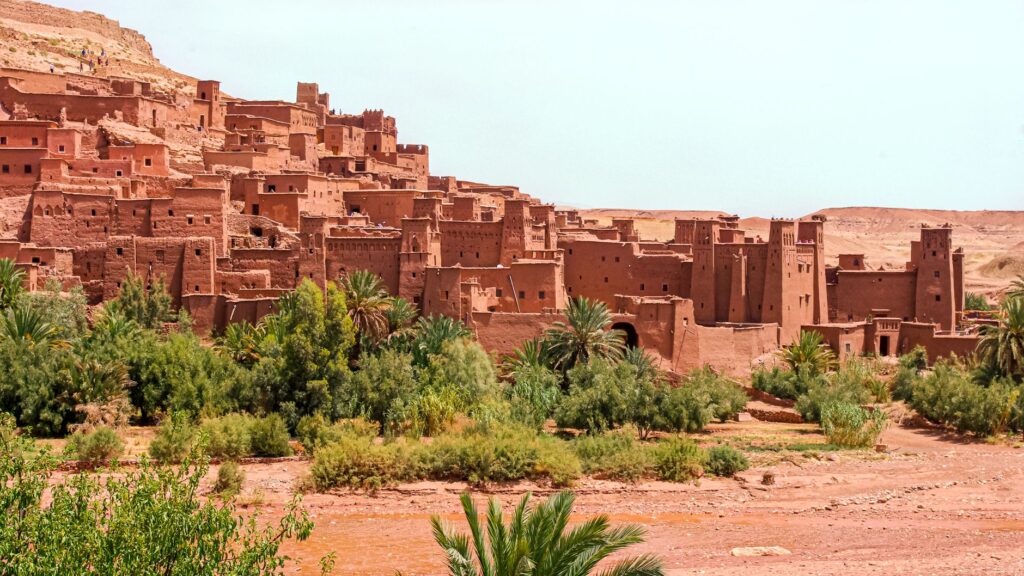
Local communities, especially in provinces such as Yazd, Kerman, or Khorasan, are using tourism as a tool to finance the restoration and maintenance of these historical water infrastructures. Visitors who tour these landscapes are not mere spectators, but conscious participants in a collective effort to preserve the delicate balance of the oases. By staying in adobe houses restored with bioclimatic techniques, travelers experience firsthand the natural thermal efficiency of raw earth architecture, drastically reducing the carbon footprint associated with air conditioning.
Earth Architecture and Bioclimatic Adaptation
The traditional architecture of Iran’s desert regions represents one of the greatest achievements of human adaptation to extreme climates. Adobe domes, vaulted roofs, and wind towers, locally known as badgirs, constitute highly efficient passive ventilation systems that capture breezes and cool the interiors of buildings without the need for electricity. Within the framework of the new resilient tourism initiatives, these structures are being rehabilitated not as static museum pieces, but as fully operational community accommodations.
This decentralized architectural approach avoids the construction of large energy-intensive hotel complexes, distributing economic benefits directly among local families. Artisans and builders who master raw earth construction techniques find in tourism demand an economic incentive to pass their crafts on to younger generations, guaranteeing the survival of a material and intangible heritage that would otherwise be lost to the expansion of concrete and asphalt.
The Oasis Economy and Regenerative Agriculture
Climate resilience in Iranian tourism also extends to the agri-food sector and the gastronomy offered to visitors. In the fragile ecosystems of oases, where every drop of water counts, agriculture has historically depended on drought-resistant crops and highly efficient drip irrigation methods. Today, rural tourism initiatives connect travelers directly with local farmers, promoting the consumption of zero-kilometer products such as dates, pomegranates, saffron, and pistachios grown without industrial agrochemicals.
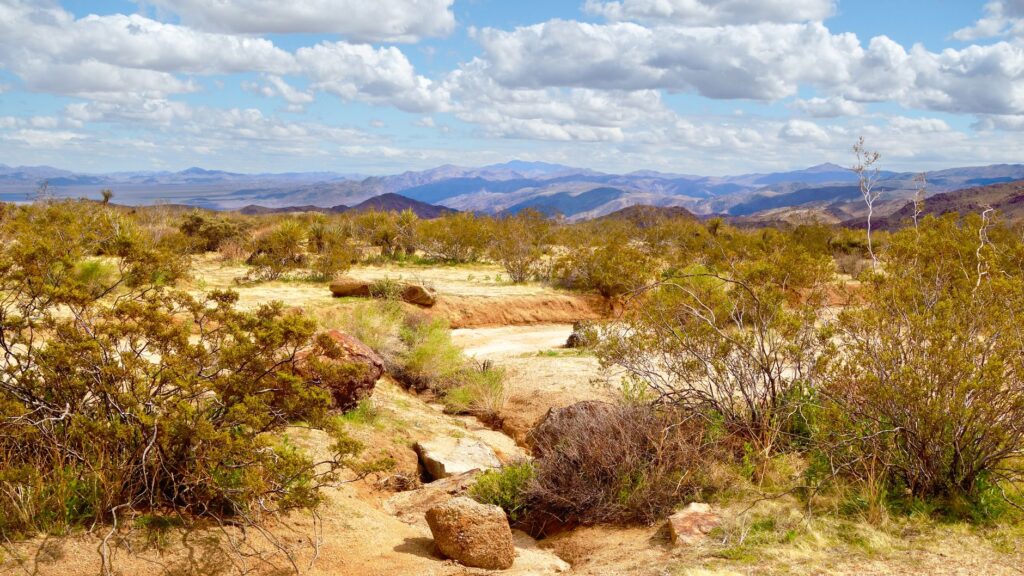
This symbiosis between agriculture and tourism generates a circular economy that strengthens the food security of rural communities against the volatility of global markets and extreme weather events. Visitors participate in traditional harvest workshops, understand the real value of water in the desert, and financially support agricultural practices that regenerate soils instead of depleting them.
Decentralization and Community Governance
One of the most significant advances in Iran’s sustainable tourism strategy is the shift toward community governance. Instead of decisions made from ministerial offices in Tehran, local communities are acquiring an active role in managing visitor flows, establishing their own carrying capacity, and deciding which areas must be protected from human pressure. This local empowerment is essential to prevent rural gentrification and the loss of cultural identity.
Women’s cooperatives play a leading role in this governance structure. By managing small lodging projects, craft workshops, and guided ecotourism routes, rural women gain economic independence and unprecedented social recognition in the country’s most traditional areas. This gender inclusion not only enriches the traveler’s experience with authentic accounts and diverse human perspectives, but also consolidates the community social fabric against rural depopulation.

Sustainable Mobility in Remote Territories
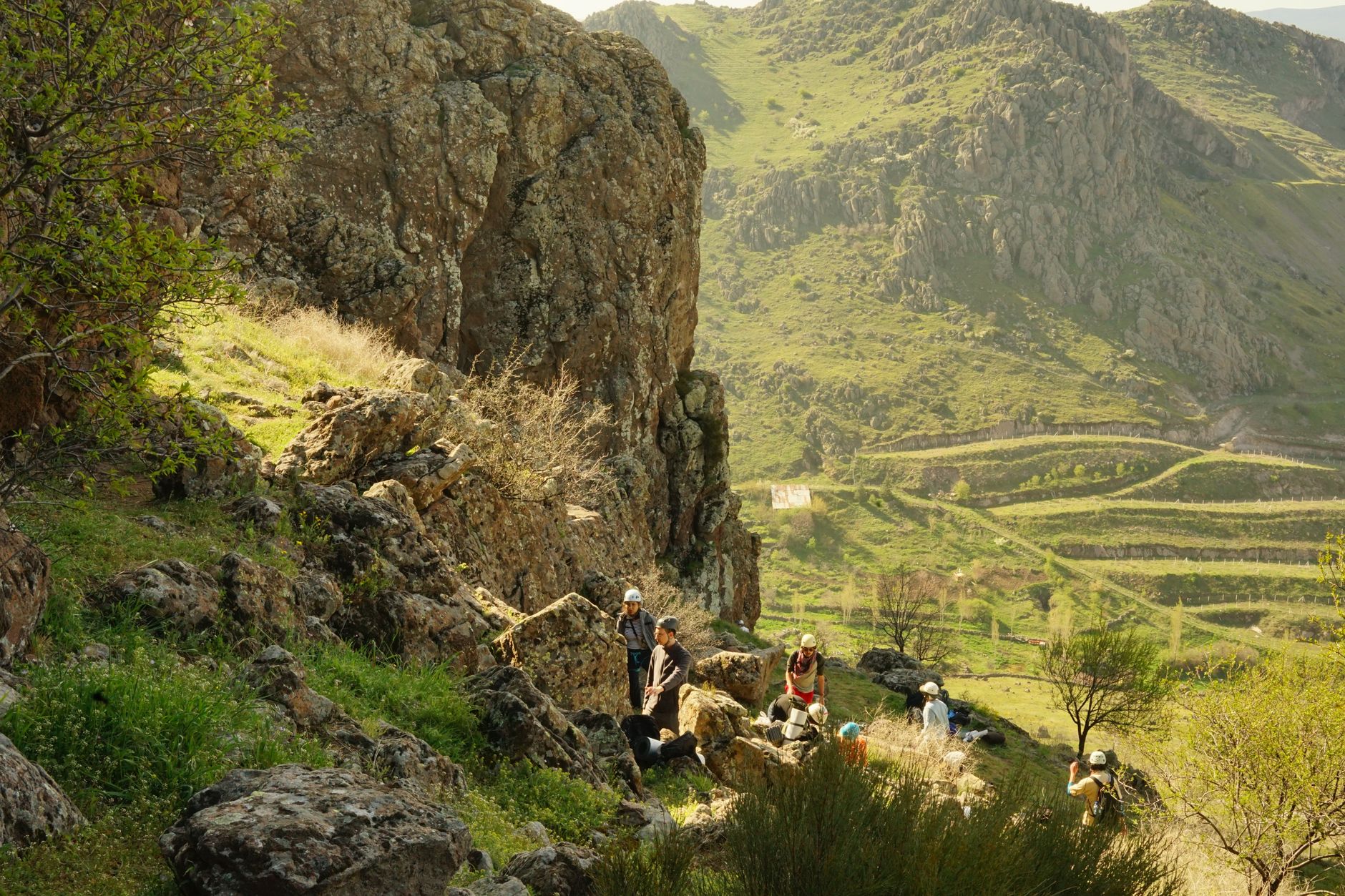
Transportation in arid and mountainous destinations has historically represented a considerable ecological challenge. In response to this problem, the new climate-resilient tourism experiences in Iran are firmly committed to minimizing the use of polluting private vehicles in areas of high ecological value. Collective transport networks managed by the communities themselves, signposted hiking trails for walking tours, and the use of local pack animals for low-impact expeditions in protected desert areas are being promoted.
This approach to mobility fosters a more detailed observation of the environment, allowing travelers to appreciate the botanical and geological richness of Iranian deserts without disturbing local fauna. By prioritizing travel on foot or by human and animal traction, noise and atmospheric pollution are noticeably reduced in highly fragile natural enclaves.
Environmental Education and the Role of the Conscious Traveler
The tourism model promoted by Iran in international forums like COMCEC does not seek to attract indifferent crowds, but to educate a new generation of conscious travelers. Environmental interpretation programs, developed in collaboration with local universities and ecological research centers, have become a mandatory component of community routes. Visitors receive detailed information about local water scarcity, the fragility of desert soils, and the importance of respecting cultural norms of sobriety and hospitality.

This pedagogy of travel transforms the passive tourist into an active ambassador of sustainability. Upon returning to their home countries, travelers share a complex and nuanced vision of a territory often simplified by international media, recognizing the titanic effort of its inhabitants to adapt to an increasingly extreme climate without sacrificing their dignity or cultural heritage.
Practical guide
When to go: The spring months (March to May) and autumn (September to November) offer moderate temperatures, ideal for exploring arid regions and oases without suffering extreme summer heat.
How to get there: International flights to Tehran Imam Khomeini International Airport. From the capital, the best option to connect with community projects is using high-efficiency regional trains or long-distance buses.
Accommodation: Prioritize traditional rural houses managed by local communities and certified under criteria of bioclimatic efficiency and responsible water use.

Code of conduct: It is essential to strictly respect local guidelines regarding water consumption, dress codes, and privacy in interior rural villages.
The Silent Heartbeat of the Desert
At dusk, when the sun sinks behind the rocky ridges of the plateau and the elongated shadows of the qanats draw geometric lines on the sand, the desert reveals its true essence. In that absolute silence, where time seems to stand still and the urgency of the modern world fades away, one understands the magnitude of human effort that sustains life in this corner of the earth. It is neither a heroic nor a desperate resistance, but a millenary dance of adaptation and mutual respect between human beings and an implacable environment. Iran’s rural communities, by opening their doors to those who wish to understand and not merely consume, demonstrate that tourism, when founded on sustainability and empathy, can be a solid bridge toward a climatically habitable future.
Source in EN: Tehran Times (Iran presents climate-resilient tourism experiences at COMCEC meeting).