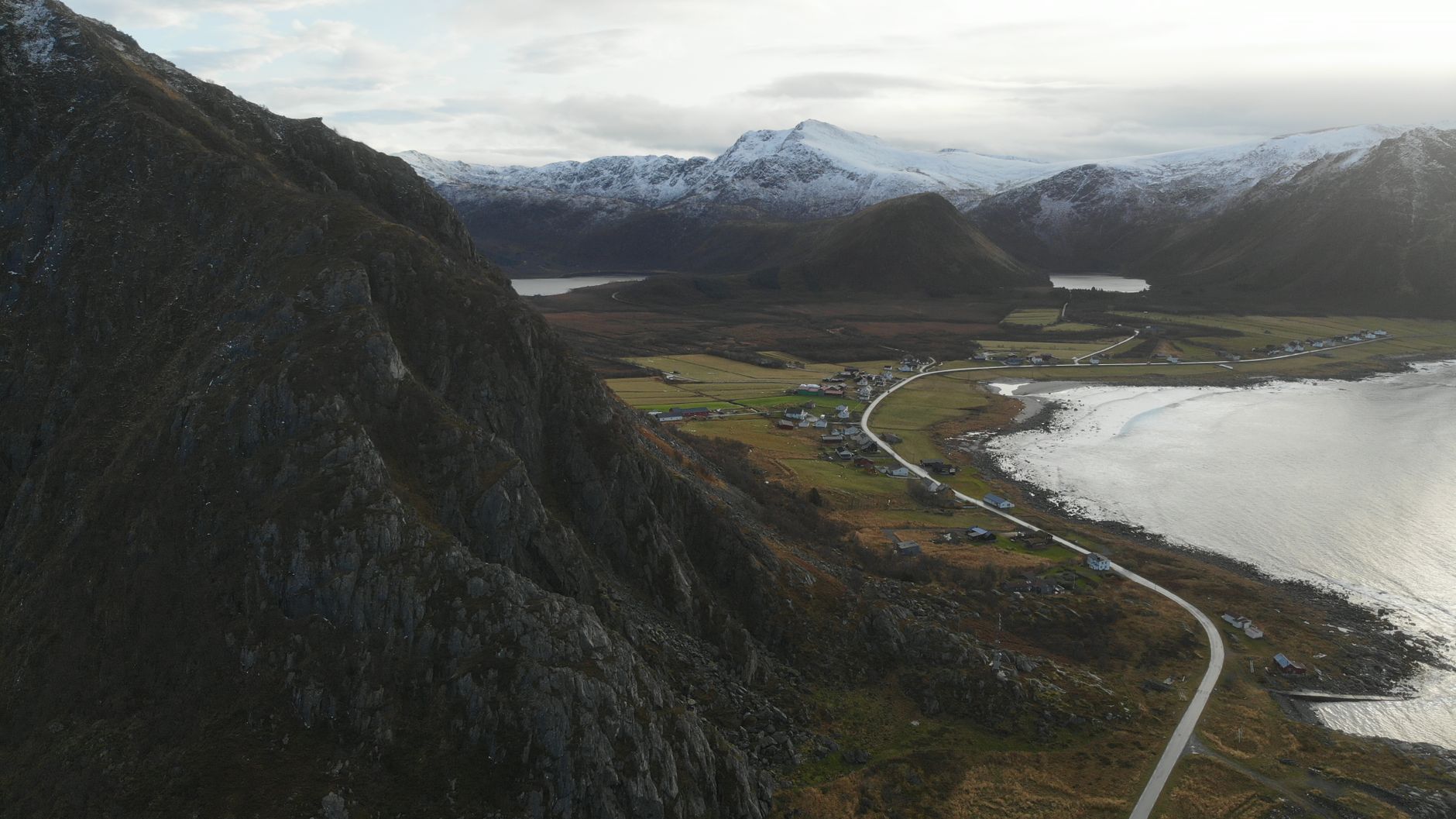

In the far northern reaches of the globe, where jagged granite peaks rise directly from the frigid waters of the Norwegian Sea, the Lofoten Islands represent one of Europe’s most breathtaking and geographically complex landscapes. For decades, connectivity between the various islets of this archipelago depended almost exclusively on a fleet of fossil-fueled ferries and a single trunk road, the E10, which bore the brunt of freight transport, resident traffic, and the massive summer tourist influx. In recent years, however, this territory has initiated a radical transformation of its public transport and regional mobility systems, committing to the total electrification of its maritime connections and the creation of multimodal corridors prioritizing slow travel and carbon footprint reduction.
This transition is not merely a technological modernization, but a territorial survival strategy. The pressure of mass tourism and the climate emergency compelled local authorities, in collaboration with Norway’s public transport operator and regional fishing cooperatives, to rethink how people and goods move without compromising the fragile biodiversity of the fjords. The introduction of state-of-the-art electric ferries, capable of recharging their batteries in minutes using mainland hydroelectric power, has marked a turning point in the route connecting Moskenes to Bodø and internal journeys between Svolvær and the smaller islands.
The Electrification of the Fjords and the End of Arctic Diesel
At the heart of this Norwegian mobility revolution lie its waters. Traditional ferries, known locally as ferjer, consumed thousands of liters of marine gas oil daily, generating significant emissions in ecologically sensitive areas. The conversion of key navigation lines to 100% electric propulsion required monumental investment in port infrastructure. Docks at vital terminals like Reine and Lødingen were equipped with ultra-fast charging stations directly connected to the national power grid, which is almost entirely fed by renewable sources.
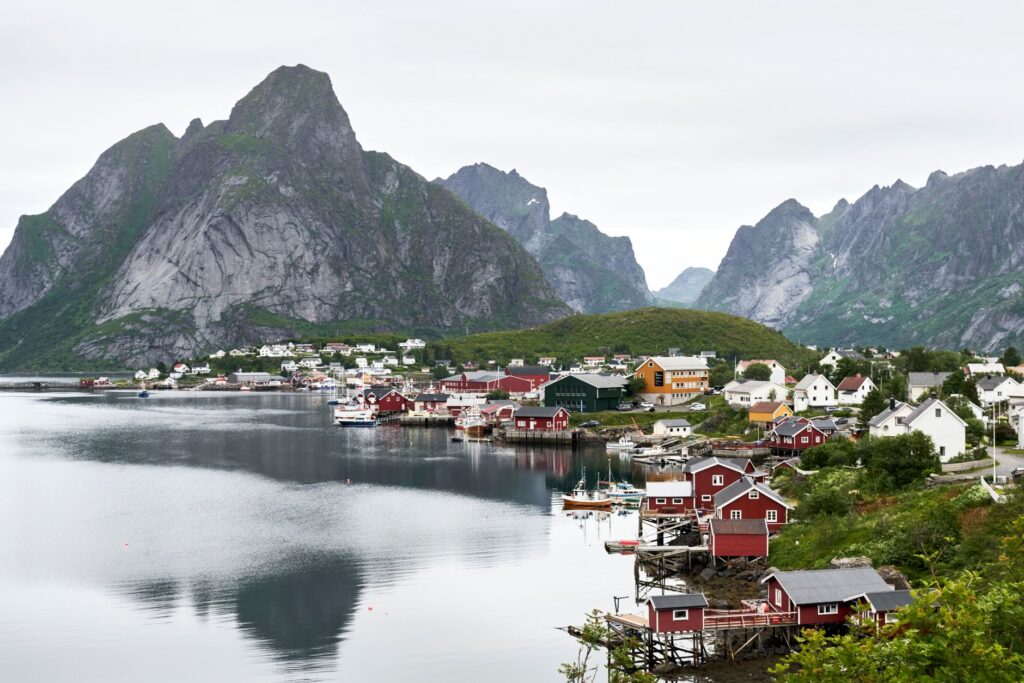
This technological shift profoundly altered both the traveler’s experience and the daily routines of local residents. Navigation through the Vestfjorden and Trollfjorden straits now takes place in absolute silence, broken only by the sound of water against the hull and the polar wind. The absence of vibrations and exhaust fumes allows passengers to observe marine wildlife, from white-tailed eagles to pods of porpoises, without the acoustic and chemical impact that characterized older diesel vessels. Furthermore, the energy efficiency of these new catamarans optimized crossing times, ensuring greater regularity even during severe winter storms.
Simultaneously, regional authorities synchronized the timetables of electric ferries with the rural bus network, which is also transitioning to electric fleets. This meticulous coordination allows passengers to completely dispense with private vehicles upon arriving at the archipelago, a long-sought goal of urban planners to decongest the E10 highway during summer months. Intermodality thus becomes the cornerstone of a model where a single digital ticket coordinates boats, buses, and bike-sharing services within one unified platform.
Inter-Island Cycling and the Restoration of Fisherman Paths
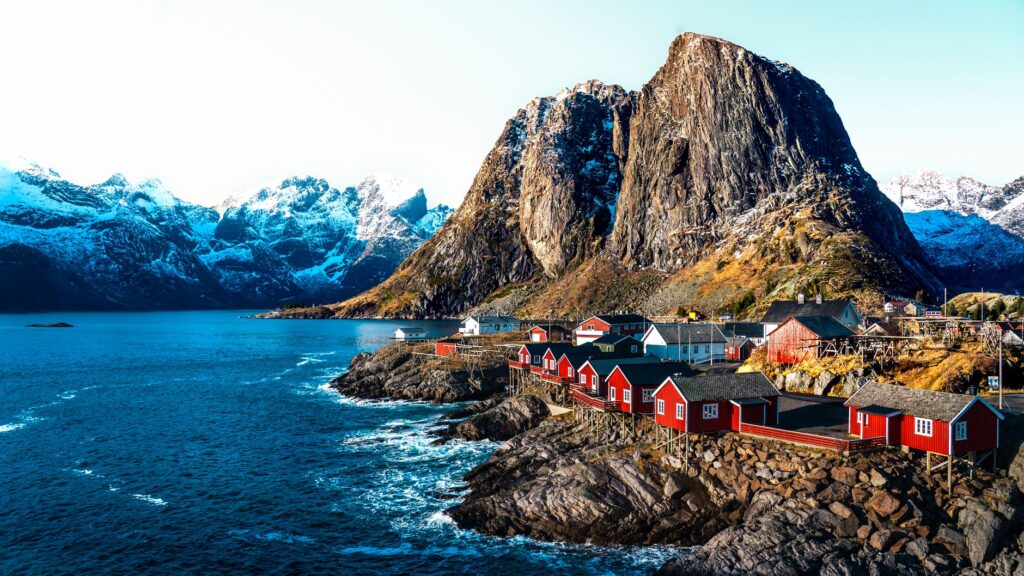
Terrestrial mobility in Lofoten underwent a parallel evolution focused on de-motorizing short-distance trips. The construction of the national cycling project known as the Lofotruta allowed for the rehabilitation and paving of ancient communication paths once used by local fishermen before the arrival of modern roads. This network of slow-travel routes runs parallel to the coastline, connecting traditional fishing villages like Hamnøy, Sakrisøy, and Henningsvær through restored wooden boardwalks and safe shoulders separated from heavy traffic.
True sustainable connectivity in the Arctic is not about moving people faster, but ensuring that the journey respects the rhythms and limits of the welcoming nature.
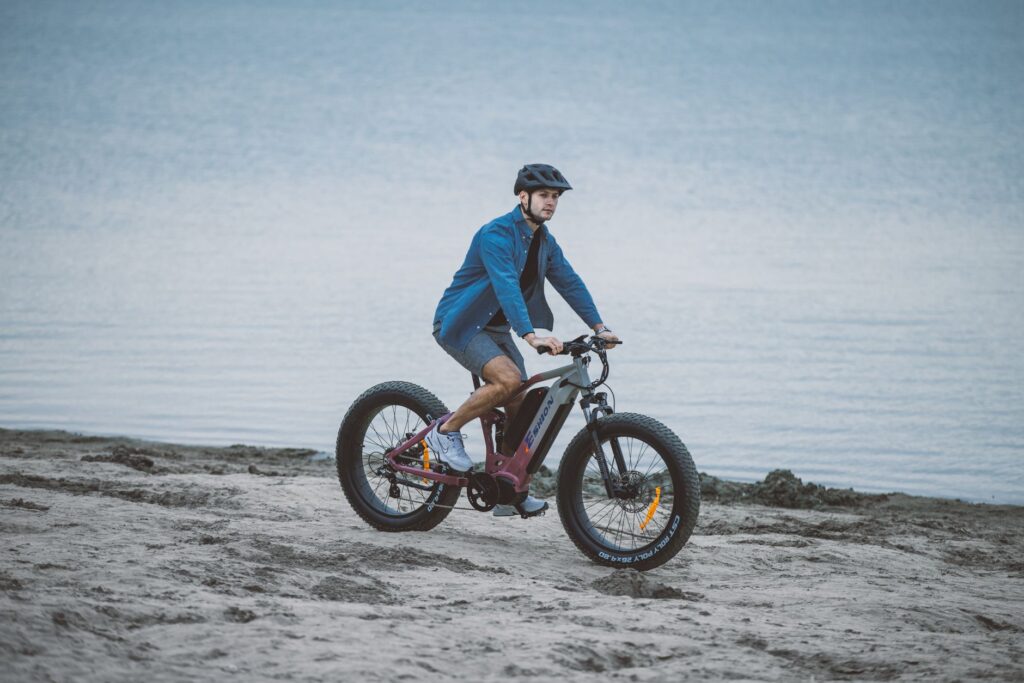
The use of electric bicycles surged among both residents and low-impact visitors. Photovoltaic solar charging stations, designed to withstand the harsh weather of the Arctic Circle, are strategically distributed along the 150 kilometers comprising the main cycling axis. These facilities enable cyclists to traverse the archipelago from north to south without fearing loss of range in remote landscapes. Additionally, vehicular access restrictions at high scenic value spots, such as Kvalvika beach or the Reinebringen mountain area, prompted the creation of intercept parking lots connected exclusively to zero-emission shuttle services and pedestrian and cyclist pathways.
This redesign of road infrastructure not only cuts carbon dioxide emissions but also deters illegal roadside parking, a chronic problem that for years damaged fragile arctic tundra and delicate coastal ecosystems of mosses and lichens. Integrating bicycles into the new electric ferries further facilitates an itinerant tourism model where luggage is automatically transported between local accommodations, freeing travelers from unnecessary burdens.
Socioeconomic Impact on Fishing Communities
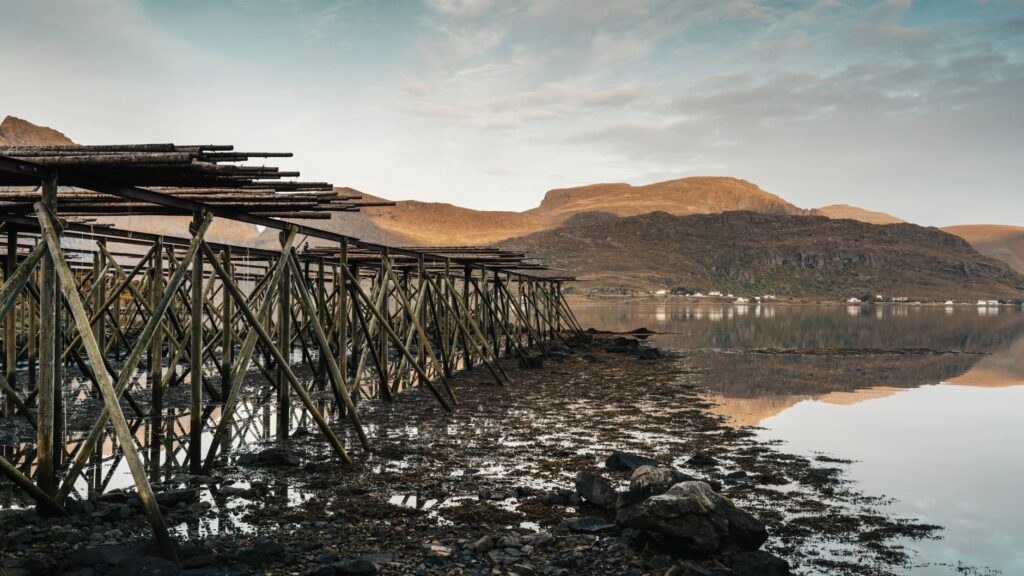
Far from acting merely as a showcase for global ecotourism, the mobility transformation in Lofoten was primarily driven by the everyday needs of its permanent communities. Artisanal fishermen and dry cod producers, the historical economic engine of these islands, depend on an agile and reliable logistics chain to ship fresh products to mainland markets in the shortest possible time.
Port modernization through electric cranes and automated loading systems on new ferries reduced dock waiting times by over forty percent. This translates into greater product freshness upon arrival at distribution centers in Bodø and Oslo, increasing commercial value. Furthermore, jobs created in maintaining charging infrastructure, managing fleets, and guiding sustainable tourism diversified the local economy, which was traditionally vulnerable to fishing seasonality and international seafood market fluctuations.
Local cooperatives actively participate in regional mobility committees, deciding which public transport frequencies take priority during the polar night, when extreme weather sharply reduces mobility. This participatory governance ensures public investments address the real demands of year-round inhabitants, preventing the winter desertification phenomenon affecting other northern European regions dependent on tourism monocultures.
Technological Challenges Against the Polar Night and Arctic Storms
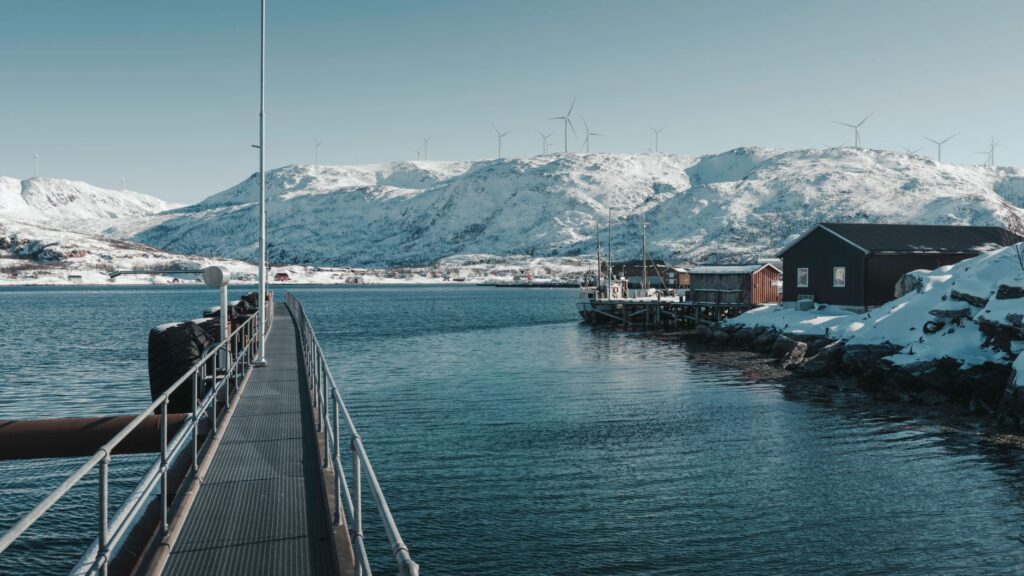
Implementing a zero-emission transport system at such an extreme latitude entails monumental technical hurdles. During winter months, temperatures in Lofoten drop well below freezing, and gale-force winds from the Norwegian Sea test the endurance of any electromechanical infrastructure. Ferries and bus batteries suffer performance drops due to extreme cold, prompting naval engineers to develop advanced thermal insulation and internal heating systems powered by geothermal heat pumps on shore.
Another major challenge is electricity supply. Although Norway generates most of its electricity through hydropower, high-voltage transmission grids crossing fjords and mountains to reach isolated enclaves have limited capacity. To prevent blackouts and overloads during simultaneous peak charging of multiple ferries and bus fleets, second-life stationary battery banks from retired electric vehicles were installed as energy buffers in major ports.
Transforming a geographical environment as hostile as the Arctic requires overcoming technological dogmatism and understanding that resilience relies as much on network robustness as on human prudence.
Training local technical staff served as another foundational pillar of this process. Marine mechanics, electricians, and public transport drivers completed specialized training programs funded by the Norwegian government to operate and maintain complex electric propulsion systems and automated control panels. This knowledge transfer ensures local communities do not depend on external technical assistance to resolve mechanical incidents in the dead of the arctic winter, guaranteeing the operational sovereignty of the system.
Practical guide
Planning a sustainable trip to the Lofoten Islands requires understanding their new multimodal transport network and adopting local environmental respect rules.
How to get there: The most efficient and lowest-impact route combines flying to Bodø Airport with the subsequent electric ferry journey to Moskenes. Alternatively, direct air connections to Leknes or Svolvær airports operate with smaller aircraft.
Internal transport: Avoid rental cars whenever possible. Use the integrated regional electric bus network and passenger ferries. For short trips, the Lofotruta cycling network offers e-bike rental options with luggage delivery between accommodations.
Best time to visit: To enjoy cycling routes and hiking paths in safe conditions, months between June and August offer continuous daylight. If seeking northern lights with lower tourist crowds, September, October, February, and March combine winter landscapes with operational winter transport services.
Accommodation and consumption: Choose traditional rehabilitated accommodations, known as rorbuer, managed by local communities. Prioritize certified local seafood consumption and strictly respect camping regulations to protect the fragile arctic tundra.
The horizon of the Lofoten Islands is no longer drawn by the black wake of diesel, but by the mechanical silence of their new ferries and the steady pedaling of those who choose to traverse the territory with a respectful gaze. This metamorphosis proves that even in the most geographically challenging corners of the planet, the transition toward truly sustainable mobility is not an unattainable utopia, but an urgent shared necessity uniting technique, nature, and community.