
The Crossroads of Tourism in Golden Sands
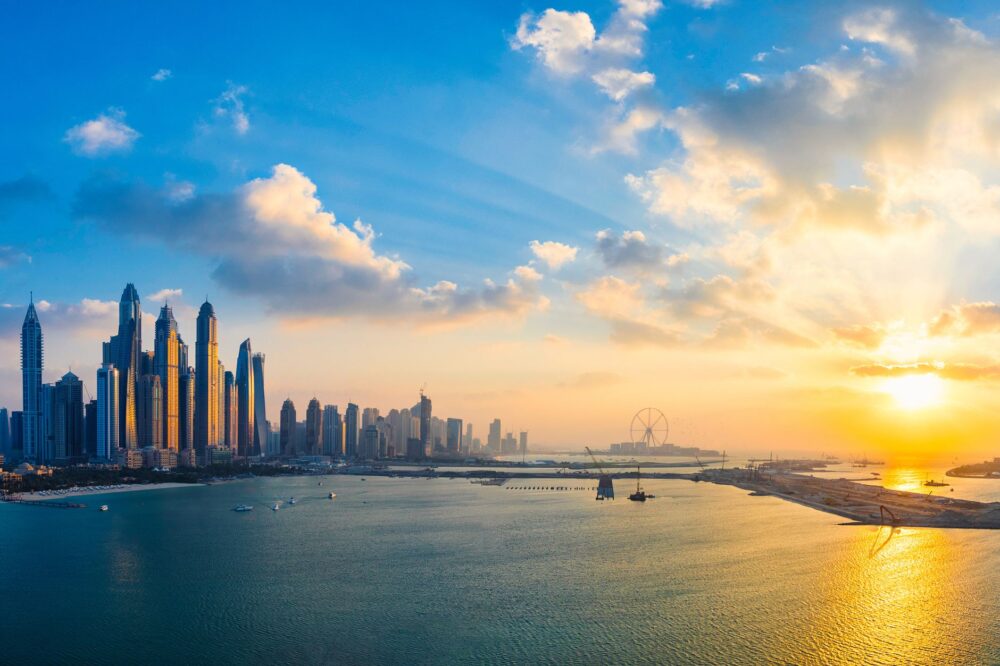
The Dubai skyline, dominated by glass towers defying engineering limits, has hosted one of the most urgent and complex debates in global travel: the transition toward real sustainability in ecologically and climatically fragile environments. The recent edition of the Arabian Travel Market (ATM) did more than showcase opulence or record hotel occupancy rates; it acted as a seismograph where ministers, tour operators, and conservation experts measured the pressure mass tourism exerts on the region’s water, energy, and territorial resources.
In an emirate where desalinated water and constant air conditioning are vital for urban survival, rethinking tourism is no longer a public relations option, but an existential necessity. The summit brought to light the paradox of a destination that depends heavily on international mass aviation while aspiring to lead the decarbonization of hospitality in the Middle East, forcing analysts to scrutinize the boundaries between corporate greenwashing and effective structural transformation.
Climate Architecture: Urban Innovation Against Extreme Heat
Dubai’s urban and architectural design sits at the epicenter of this sustainable metamorphosis. New urban planning guidelines prioritize passive energy efficiency, the integration of green facades, and the use of construction materials with a reduced carbon footprint. During the ATM, architects and urban planners presented projects that reinterpret traditional desert construction—such as interior courtyards and mashrabiya screens for natural ventilation—adapted to 21st-century megaprojects.

Yet, the challenge persists in the vast gap between newly built iconic structures and the legacy real estate stock from decades of accelerated expansion. While ultra-luxury hotel complexes compete for international sustainable building certifications (such as LEED or BREEAM), older residential and commercial districts face prohibitive costs to modernize their cooling systems, evidencing that true urban ecological transition requires more ambitious public financial incentive policies and strict enforcement.
The Human Factor and Labor Sovereignty in the Industry
Discussing sustainability in United Arab Emirates tourism requires focusing heavily on the workforce, predominantly composed of migrant workers from South Asia and Africa. Sector debates at the event addressed the need to extend corporate social responsibility criteria beyond single-use plastic reduction, encompassing living wages, safe housing conditions, and protection against extreme summer heatwaves.
Various international organizations have pointed out that a destination cannot be considered truly sustainable if its economic model relies on the structural precariousness of those who sustain daily operations in hotels, airports, and attractions. In this sense, several international hotel chains present at the forum have begun implementing independent audits of their labor supply chains, though independent trade unions and observers demand binding national regulatory frameworks ensuring labor rights comparable to European standards.
Water Management and Food Sovereignty in Arid Environments
The supply of drinking water and food production in a desert region represent the greatest ecological challenges for the local tourism industry. Each tourist in Dubai consumes daily volumes of water far exceeding the global average, largely due to the irrigation of golf courses, swimming pools, and artificial green spaces. During the Arabian Travel Market, water management specialists presented advancements in using treated greywater for urban forestry and the development of local hydroponic farms.
Reducing the carbon footprint associated with food imports is another battleground for chefs and F&B managers in large resorts. Recent initiatives promote direct purchasing from Emirati farmers who use water-saving technologies in interior agricultural enclaves like Al Ain. Nonetheless, reliance on international markets to supply luxury gastronomic demand remains a major obstacle to achieving climate neutrality in the sector.
True sustainability in the desert does not consist of artificially greening the sand, but of respecting the ecological limits of the territory that hosts us.
Mobility and Aviation: The Great Dilemma of Global Connectivity
As a premier international aviation hub connecting East and West, Dubai faces an inescapable contradiction: its economic growth is inextricably linked to burning fossil fuels in commercial aviation. In the ATM panel discussions, representatives from global airlines debated the slow adoption of Sustainable Aviation Fuels (SAF), whose current availability accounts for less than one percent of total sector demand.
On the ground, the expansion of the Dubai Metro and the gradual incorporation of electric and hybrid bus fleets have improved sustainable urban mobility. However, dispersed urban design and the primacy of private automobiles across vast areas of the metropolis continue to generate congestion and diffuse emissions. Experts agree that decarbonizing tourism transport will require millionaire investments in high-capacity public transport and restrictions on private traffic in areas of high ecological and heritage value.
Cultural Heritage and Community Tourism Versus Overtourism
Beyond futuristic megaprojects, tourism sustainability in the UAE also implies the preservation of and respect for native cultural heritage and traditional Bedouin communities. The forum highlighted the importance of diverting part of the massive visitor flow toward cultural and heritage tourism initiatives in the historical enclaves of Dubai Creek and the Hatta mountains, where economic benefits trickle down more directly to the local population.

The risk of folklorization and the excessive commodification of local traditions remains a constant concern among anthropologists and cultural managers. To mitigate this impact, the local government has promoted training programs for Emirati tour guides, ensuring the community itself narrates its history and manages visitor flow in sensitive areas like the Al Fahidi historical district and desert conservation reserves.
Green Finance and Impact Investment in the Gulf
The mobilization of private capital toward genuinely sustainable tourism projects has been a core economic axis analyzed at the Arabian Travel Market. Sovereign wealth funds and regional banks are designing new financial instruments, such as green bonds and sustainability-linked loans, to penalize inefficient operators and reward infrastructures that drastically reduce emissions.
However, the lack of a unified, transparent taxonomy defining sustainable tourism investment in the Middle East generates confusion among international investors. Global financial organizations have urged UAE regulators to adopt strict international environmental auditing and measurement standards to prevent financial greenwashing and ensure green capital is directed toward high-impact regenerative projects.

Practical guide
- Getting There: Dubai International Airport (DXB) offers direct connections to major global capitals. Using public transport (Dubai Metro) from Terminals 1 and 3 is recommended to minimize initial carbon footprints.
- When to Visit: The period between November and March offers optimal weather conditions, avoiding extreme summer heat and reducing heavy air conditioning reliance.
- Urban Mobility: Use the NOL card for integrated access to the metro, tram, and public buses. Avoid unnecessary private taxi use for short urban trips.
- Responsible Accommodation: When booking, prioritize hotels with internationally recognized green certifications and transparent waste management and local hiring policies.
- Cultural Respect: Respect local dress codes in public spaces and consult certified operators for desert excursions to ensure protected flora and fauna remain undisturbed.
- Water Consumption: Promote reusable water bottles and cooperate with hotel water-saving programs during your stay.
Final Glance Toward the Desert Horizon
The future of tourism in Dubai, and by extension in the planet’s great arid destinations, hinges on the delicate balance between technological ambition and ecological restraint. The conversations held at the Arabian Travel Market reflect a collective awakening that can no longer afford to ignore planetary physical limits, while revealing the titanic scale of pending structural changes.
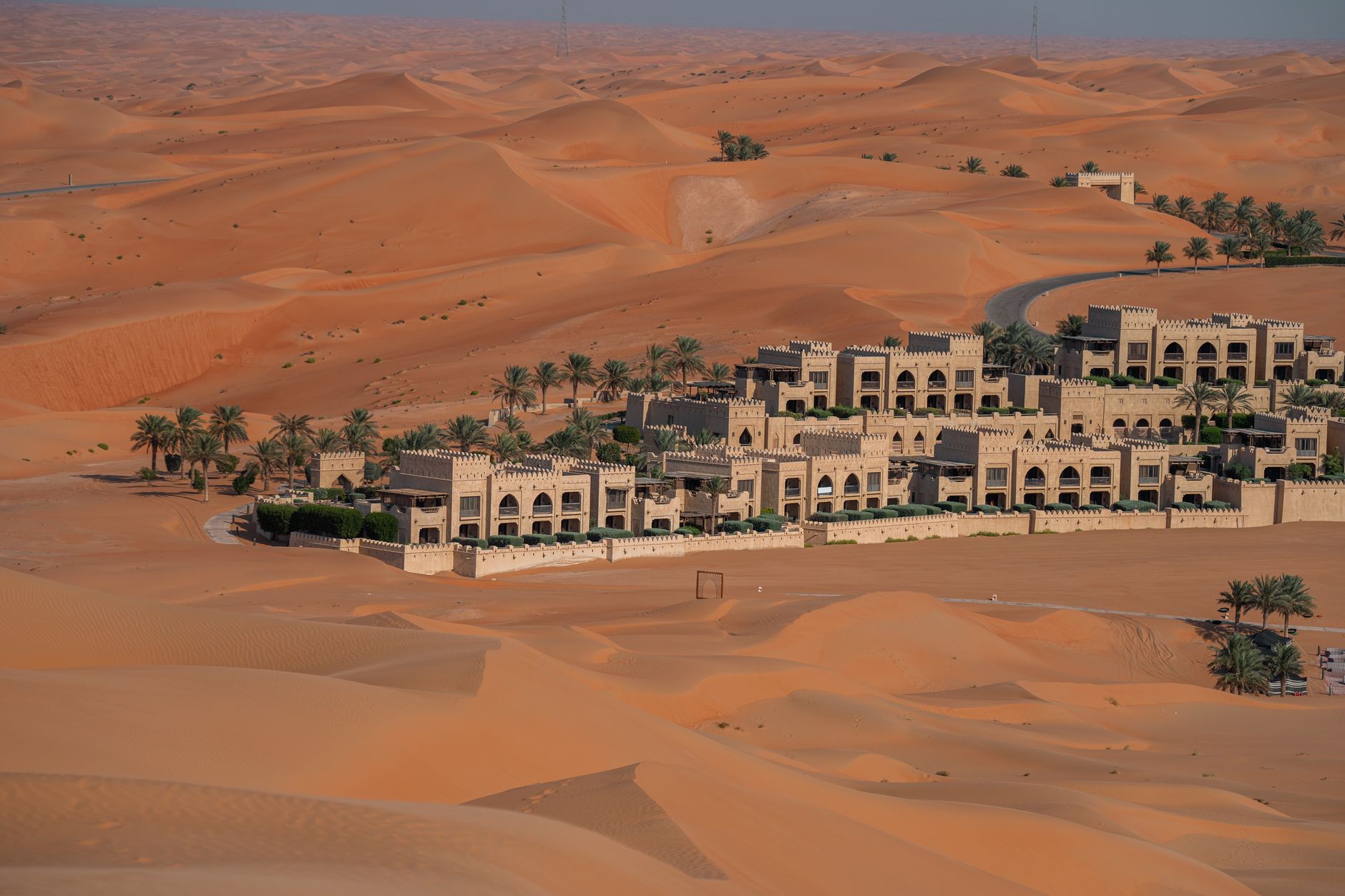
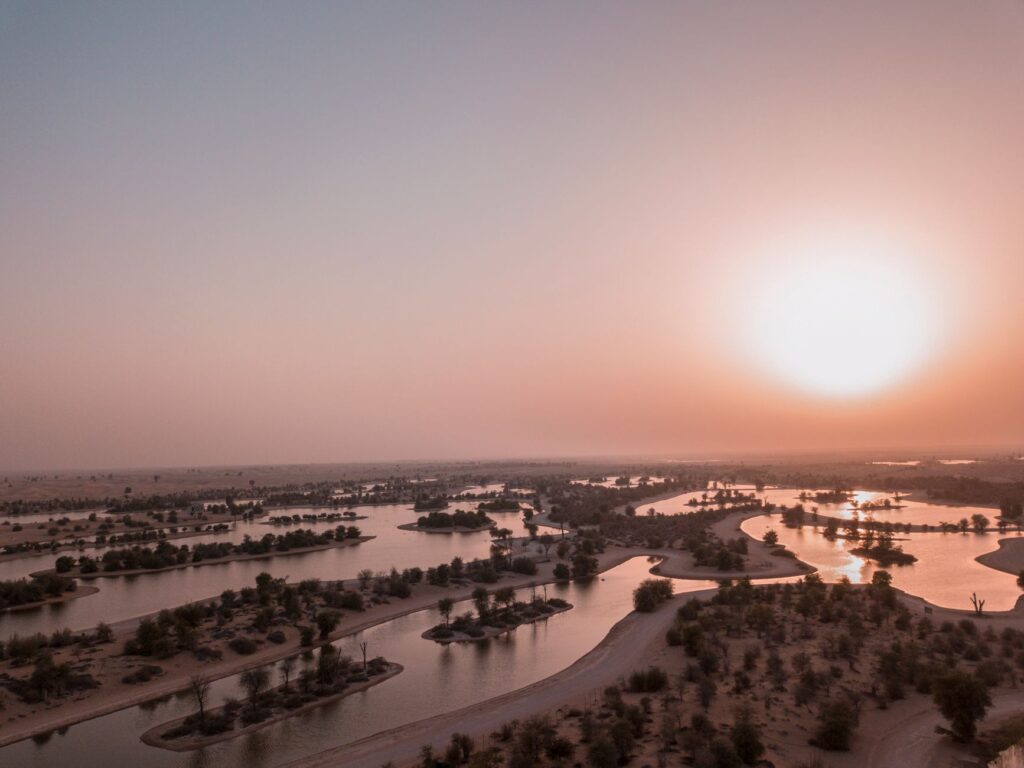
Observing the sunset over the dunes of the Dubai Conservation Reserve, knowing that just a few kilometers away stands one of the globe’s most energy-demanding metropolises, prompts profound reflection on our era. The ultimate litmus test for this industry will not be how many visitor records it manages to break in coming years, but how much life and balance it is capable of preserving in an environment that constantly reminds us of the fragility of our existence.
Source: ZAWYA / TradingView (Journalistically adapted from official Arabian Travel Market coverage in Dubai).