
Origins of Red Earth in the Heart of the Mountains
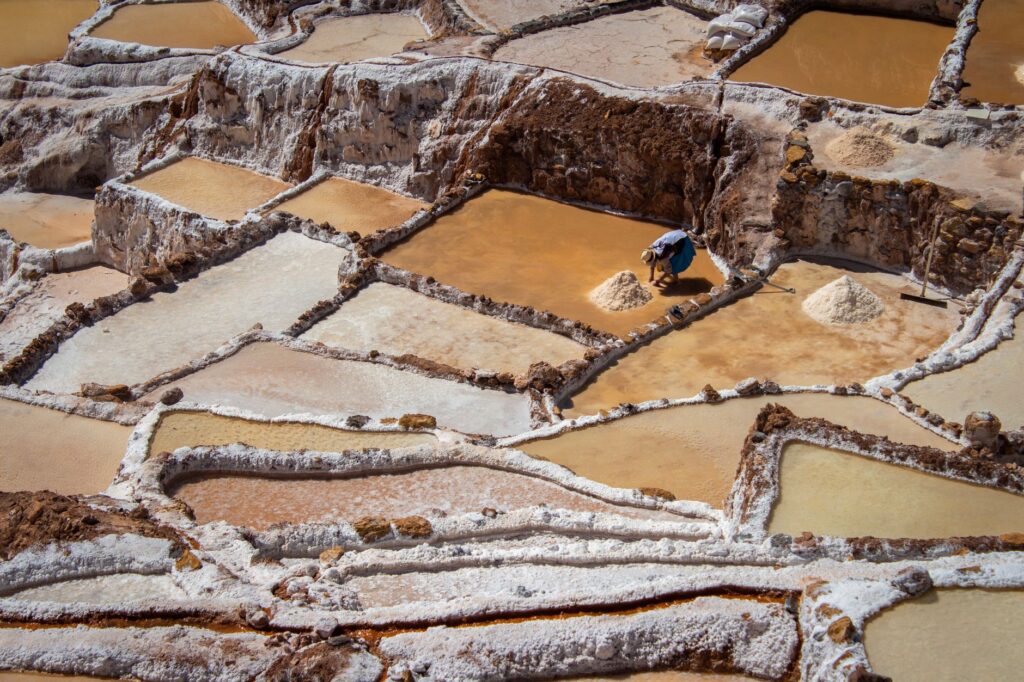
The geography of Albarracín is defined by the ochre and reddish tones of its clay formations, a geological sediment that since the Middle Ages has shaped not only the natural landscape but the very architecture of the settlement. The earliest documented pottery workshops in the area responded to an urgent need for shelter and roofing, utilizing local deposits extracted directly from the fluvial terraces of the Guadalaviar River. In these primitive workshops, clay extraction was not a mechanized industrial activity, but an exercise in geological reading where the artisan had to identify ideal strata, free of excessive impurities or calcareous gravels that could fracture the piece during firing. The knowledge accumulated over generations has allowed this bond between raw material and ceramist’s hand to remain unaltered, shaping a cultural landscape where every roof tells the story of its own origin.
The process begins long before the foot steps into the mud. The local clays are characterized by high plasticity and a rich iron oxide content, elements that grant the resulting tile its distinctive chromaticism when brought into contact with furnace flames. Historically, master potters kneaded the clay using traditional treading methods, a technique that eliminated trapped air pockets within the mass and guaranteed a homogeneous texture. Today, although mechanical pugs are employed to optimize production times in the few surviving workshops, human touch remains the sole instrument capable of calibrating with millimetric precision the exact moisture level the material demands before being shaped over the mold.
The Curved Geometry of the Arab Tile and Its Constructive Legacy
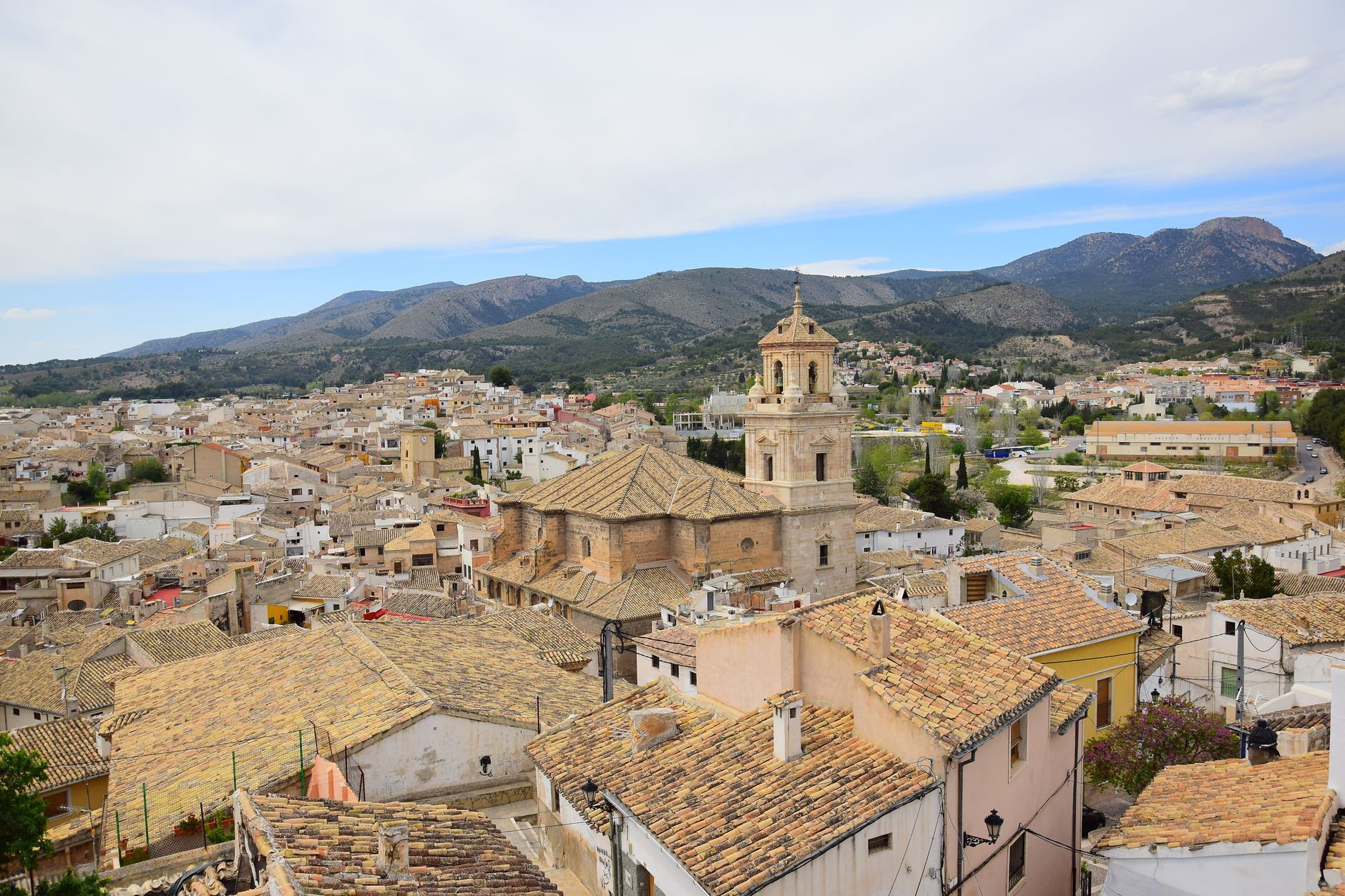
Facing the industrial standardization of flat or interlocking tiles, Albarracín’s traditional workshop maintains absolute mastery over the curved tile, also known as the Arab tile or channel tile. This typology is not an aesthetic whim, but an intelligent structural response to the harsh climatic conditions of the mountains, marked by rigorous winters, strong wind gusts, and extreme thermal oscillations. The truncated cone shape of the piece allows for an overlapping fit that facilitates the rapid evacuation of rainwater and snow, while its dry-joint installation—traditionally bedded on a mortar bed and wood lath—grants the roof the flexibility needed to withstand minor seismic movements or thrusts derived from thermal contraction.
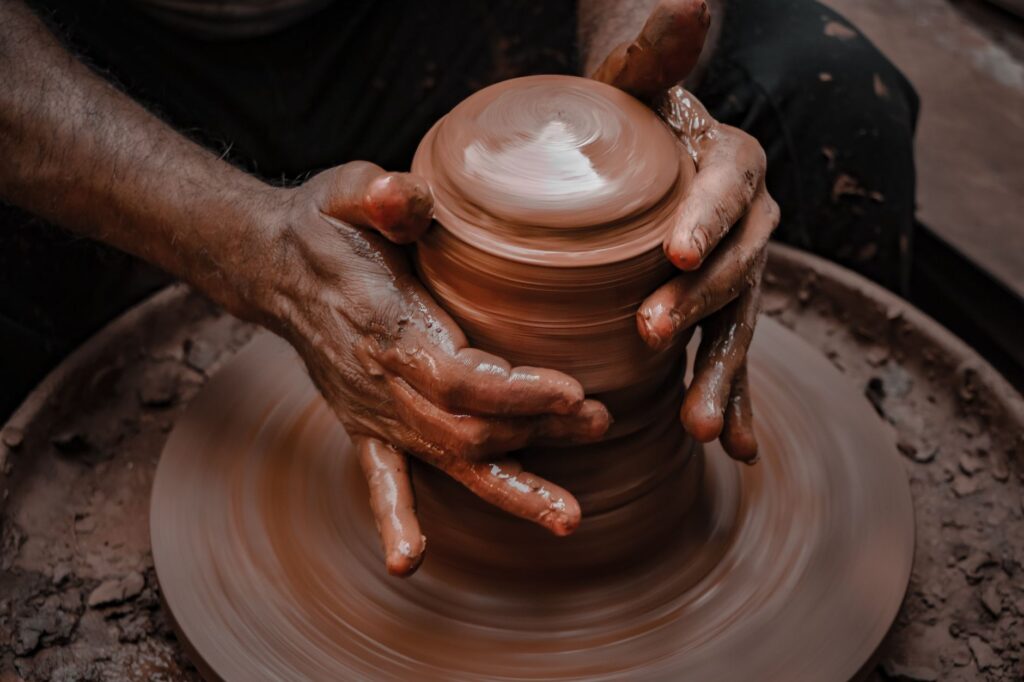
Manufacturing this piece requires bodily dexterity acquired after decades of trade. The potter places a lump of clay onto a curved wooden or metal board, known as a mold or scraper, smoothing the surface with the palms of hands dampened in clay water to prevent adhesion. This gesture, repeated hundreds of times a day with a nearly choreographic cadence, gives each tile slight irregularities that are, precisely, the unquestionable seal of its manual authenticity. When placed on historical roofs, these minor geometric deviations generate unique plays of light and shadow, endowing Albarracín’s roofs with a vibrant texture that no automated system has ever managed to replicate.
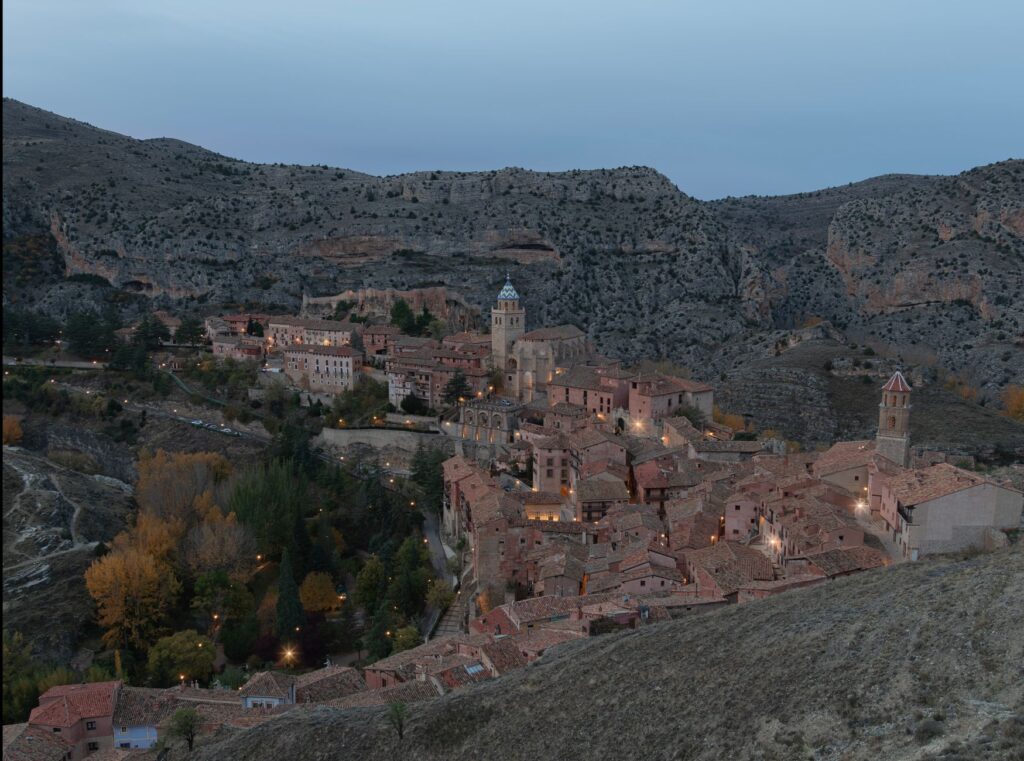
The artisan roofing tile is not merely a constructive element, but the unifying thread that stitches together Albarracín’s urban landscape, turning roofs into an organic extension of the very red mountain that shelters them.
The Ritual of Air Drying and the Patience of the Teruel Climate
Once formed, the raw pieces embark on a delicate journey toward drying sheds, where climatic factors play a decisive role. In Albarracín, this process is dictated by altitude rigors. The tiles are arranged in vertical rows on wooden scaffolding, allowing the breeze to circulate freely around them. Drying time varies substantially depending on the season: during summer months, dry heat accelerates the evaporation of mixing water, while in autumn and winter, low temperatures and ambient humidity force this phase to be prolonged for weeks to avoid tension cracks.
This waiting period constitutes a test of fire for the clay’s stability. If drying occurs too abruptly, uneven material contraction causes warping and invisible fractures that would ruin subsequent work. Master artisans supervise this stage through visual observation and touch, lightly tapping the dry surface to check the tone of the emitted sound: a dull thud denotes residual moisture, while a clean, crystalline chime confirms the piece is ready to face intense furnace heat. This empirical wisdom, passed down from master to apprentice without manuals, constitutes one of the region’s most fragile intangible heritages.
The Architecture of Fire: Moorish Kilns and Traditional Firing
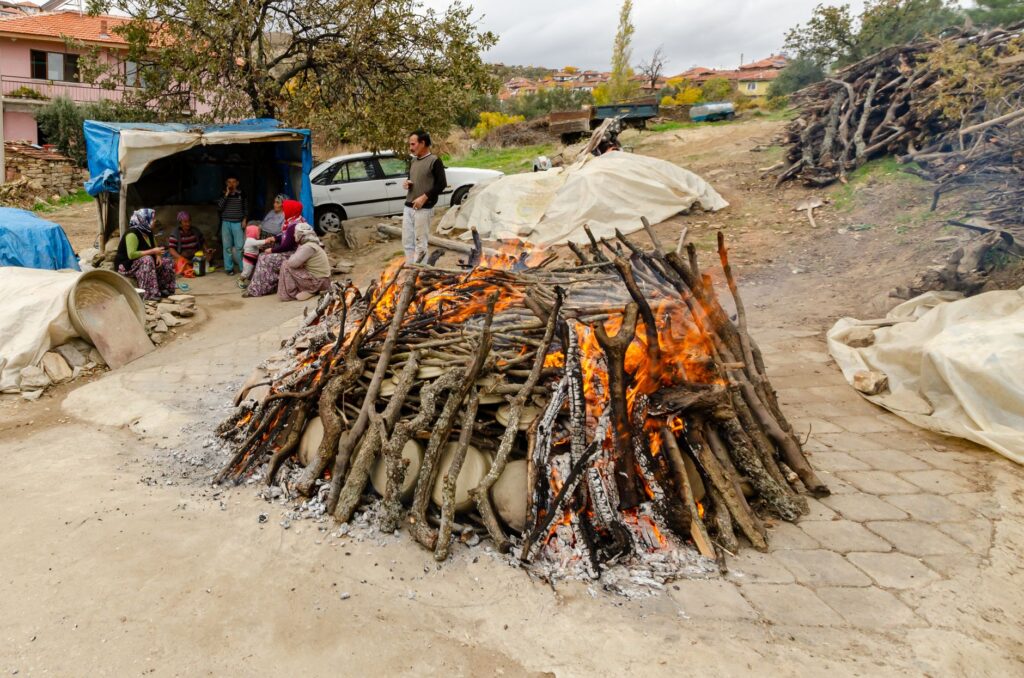
The climax of the production process is concentrated inside traditional kilns, direct-fire structures that in many cases preserve historical inspiration typologies. These kilns, built with refractory brick and lined with baked clay, operate on the principle of vertical draft: the combustion chamber is located at the bottom, while the firing chamber, where thousands of tiles are carefully stacked to form a self-supporting vault, occupies the upper body. Formerly, energy came exclusively from maritime pine and savin juniper wood gathered in communal forests, a fuel that provided a long, enveloping flame, ideal for achieving uniform temperature throughout the entire load volume.
Today, although environmental regulations and energy efficiency have introduced improvements in burners, the essence of the process remains unchanged. Firing lasts for over forty continuous hours, divided into critical phases: very slow heating to eliminate chemical water bound to the clay, a firing phase at temperatures ranging between 950 and 1000 degrees Celsius, and a gradual cooling that can last several days. During this thermal cycle, the iron oxides present in the clay undergo complete oxidation, transforming gray mud into the characteristic chromatic spectrum ranging from intense almagre to orange and toasted hues.
Heritage at Risk: The Challenge of Monumental Conservation
The survival of these workshops is not a nostalgic whim, but an inescapable architectural necessity for the conservation of Albarracín’s historic center, declared an Asset of Cultural Interest and frequently recognized among Spain’s most beautiful towns. Restoration interventions carried out in recent decades on manor houses, episcopal palaces, and medieval walls demand the use of traditional materials identical to the originals. Industrial tile, manufactured with standardized pastes and rigid geometries, would irreversibly alter the millenary physiognomy of the urban ensemble, breaking the chromatic and textural harmony granted by hand-molded pieces.
However, the sector faces complex structural challenges. Generational handover is a chimera in a region plagued by depopulation and demographic aging. Young people show little interest in a physically demanding trade subject to outdoor weather and tight economic margins against the unfair competition of mass prefabrication. Added to this is the difficulty of complying with industrial regulations designed for large factories, which financially and bureaucratically suffocates the few artisanal workshops still resisting in the mountain outskirts.
The Contemporary Studio: Design and Ceramic Reinterpretation
Facing the threat of extinction, some current workshops have chosen to diversify production and open their doors to contemporary design and auteur architecture. These new creators, many from fine arts and industrial design schools, have settled in the mountains to hybridize pottery tradition with modern aesthetic languages. They experiment with low-temperature ecological glazes, striated textures that improve thermal retention in avant-garde roofs, and modular formats that reinterpret the classic Arab tile as a lattice element or bioclimatic facade cladding.

This symbiosis between ancestral knowledge and project innovation has allowed Albarracín’s ceramics to reclaim a spot on the international design map. Prestigious architects turn to these specialized workshops to endow their works with an unmistakable material identity, proving craftsmanship is not a mummified relic of the past, but a fully operational future tool. Collaborations in sustainable rehabilitation and bio-construction projects reaffirm that the Teruel mountain clay possesses thermal and aesthetic properties unsurpassed by modern industry.
Practical guide
- How to get there: Albarracín is located in the province of Teruel, about 38 kilometers from the provincial capital. The main access road is the A-1512 highway, a winding route running parallel to the Guadalaviar River canyon, offering excellent panoramic views of the mountain environment.
- When to visit: Spring months (May and June) and autumn (September and October) offer optimal temperatures to explore the historic center on foot and visit local workshops without summer tourism crowds.
- Pottery route: It is recommended to book an appointment in advance with local artisans to visit workshops located in the outskirts and near the river, where live observation of clay shaping is possible.
- Accommodation and dining: Hotel options include carefully restored historic inns like Casa del Tíoico or Palacio de los Dolz de Espejo, where visitors can sample mountain gastronomy based on Aragonese lamb and Teruel breadcrumbs.
- Conservation regulations: As a protected monumental ensemble, any intervention on roofs or exterior walls requires certified artisan roofing tile to maintain the aesthetic coherence of the historic center.
Epilogue: The Echo of Fire Beneath the Mountain Sky
When evening falls over Albarracín and the last rays of sun set the medieval walls ablaze, the town’s silhouette acquires an almost supernatural dimension. In that moment of shared silence, the Arab roofing tiles cast a vibrant shadow over steep streets, reminding us that this enclave’s beauty lies not solely in its urban layout, but in the invisible effort of those who shaped each piece with mud and fire. The clay, extracted from the very bowels of the mountain, returns transformed into protection and shelter, closing a millenary cycle where human hand and geography embrace to defy time. Deep within extinguished kilns, the memory of the trade continues to beat, waiting for a new firing to awaken the red soul of the stone.