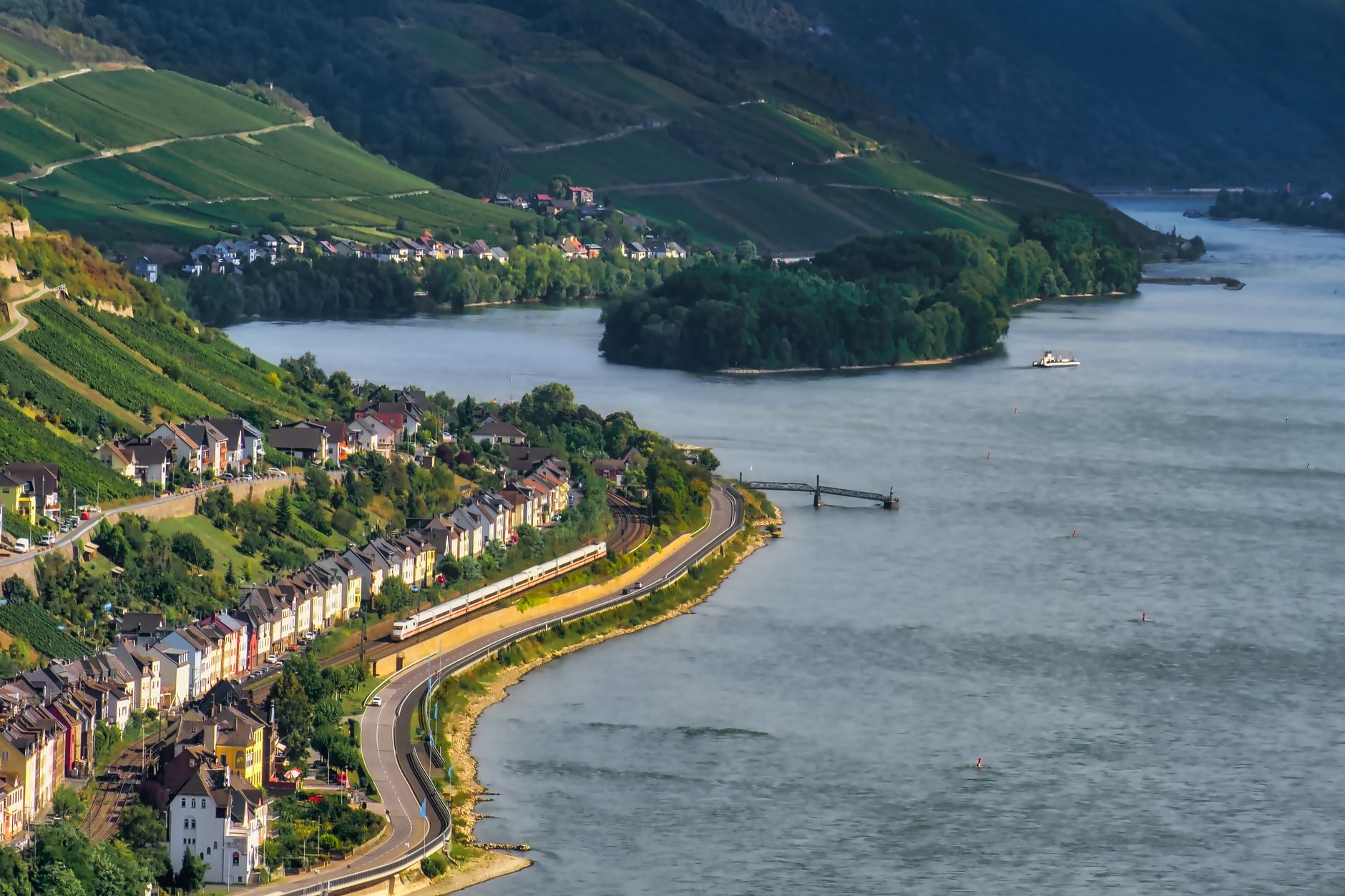

Geographical Origins and Mobility Challenges in the River Basin
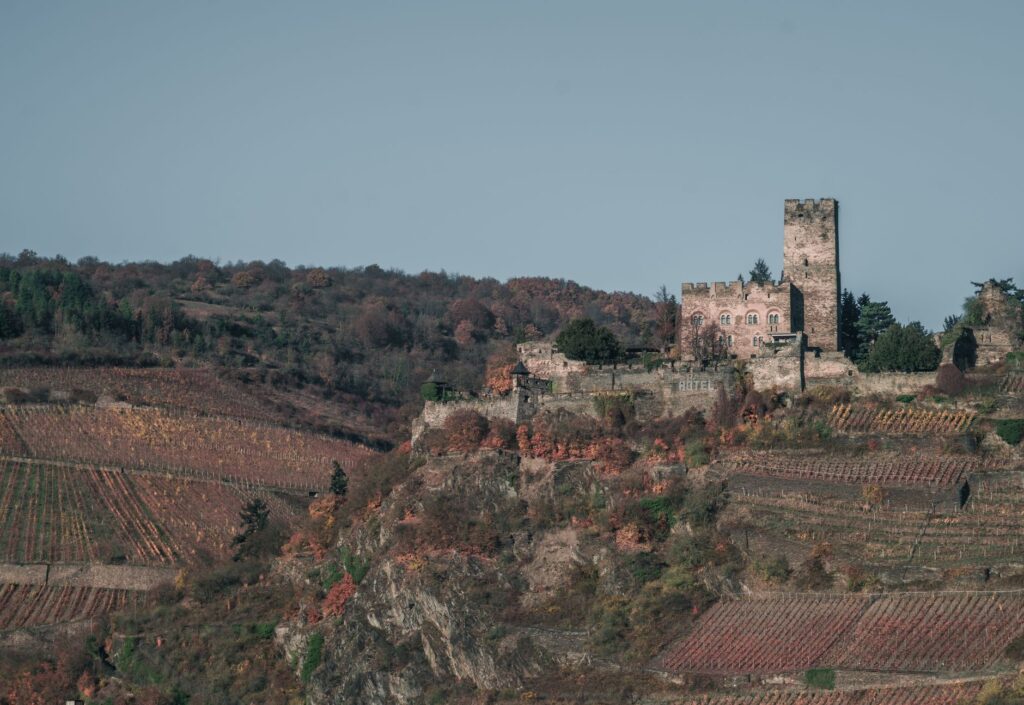
The Middle Rhine Valley, renowned for its steep slopes blanketed in terraced vineyards and medieval castles, has represented a major logistical challenge for European transport authorities for decades. The narrowness of the geographical corridor, confined between rock formations and the navigable river channel, has traditionally generated chronic congestion driven by heavy road freight and mass tourism in private vehicles. This relentless flow not only degrades the travel experience but exerts unsustainable pressure on local ecosystems and the historic communities flanking the riverbank.
To counteract this territorial vulnerability, the regional governments of Rhineland-Palatinate and Hesse have spearheaded a radical redesign of intermodal mobility. The core premise of this strategy is to discourage private car use through the creation of deeply integrated public transport networks free of direct emissions in environmentally sensitive areas. The transformation ranges from the modernization of mountain railway access points to the implementation of secure cycling infrastructures connecting major population centers with high-altitude wine routes.
Engineers and urban planners face the complex task of adapting nineteenth-century infrastructure to twenty-first-century sustainability standards. Balancing the preservation of UNESCO-protected architectural heritage with the need to channel millions of annual visitors requires subtle yet highly efficient engineering solutions. In this context, specialized rail transport emerges as the backbone of a new travel model prioritizing fluidity, safety, and scrupulous respect for the natural environment.
The Cogwheel Railway Revolution on Rhenish Slopes
One of the most prominent technological milestones in this transition is the introduction of a new generation of hybrid cogwheel trains connecting the banks of the Rhine with the upper plateaus. These convoys, specifically designed to overcome gradients exceeding twenty-five percent without relying on fossil fuels, utilize regenerative braking systems that return energy to the grid during descents. This technical innovation drastically reduces infrastructure wear and optimizes the overall energy consumption of the line.
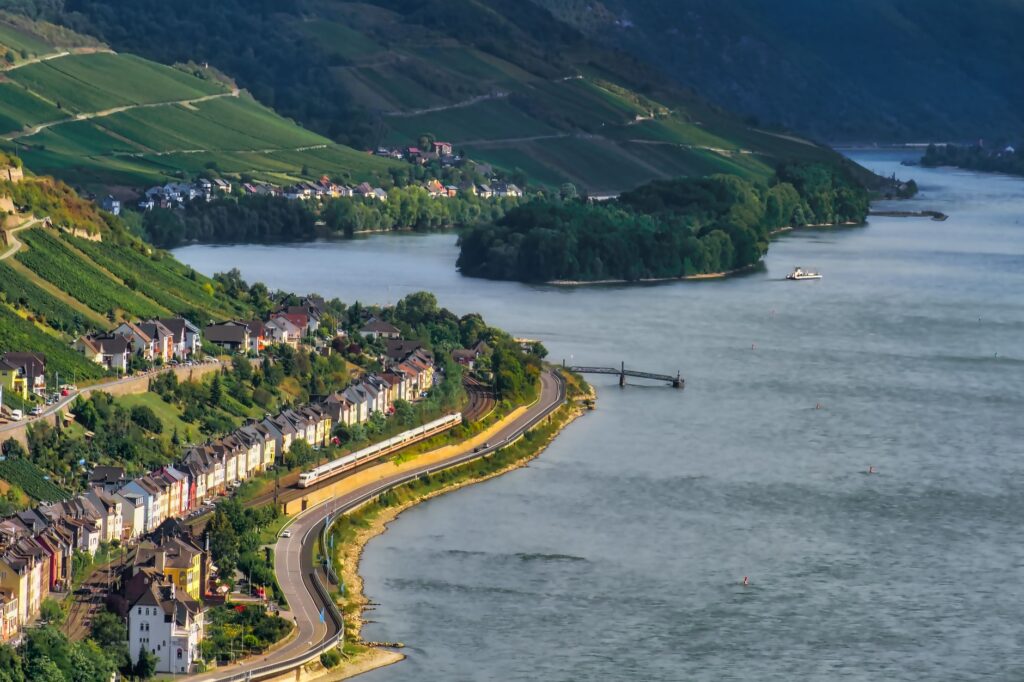
The integration of these trains into the regional transport system has allowed thousands of daily bus and private car journeys along winding hillside roads to be eliminated. Passengers enjoy a service synchronized with river ferries and commuter trains, achieving competitive travel times that appeal to both local residents and international visitors. Intermodal stations have been redesigned as clean-service nodes, equipped with electric bicycle charging points and real-time information areas.
The visual impact of the new tracks has been minimized through the use of composite material sleepers and the vegetative restoration of surrounding embankments. Railway operators work closely with local biologists to avoid disrupting the biological corridors of native fauna during nighttime hours of lower activity. Thus, transport infrastructure ceases to be an ecological barrier and becomes an integrating element of the protected landscape.
High-Speed Cycle Lanes and Active Mobility Connectivity
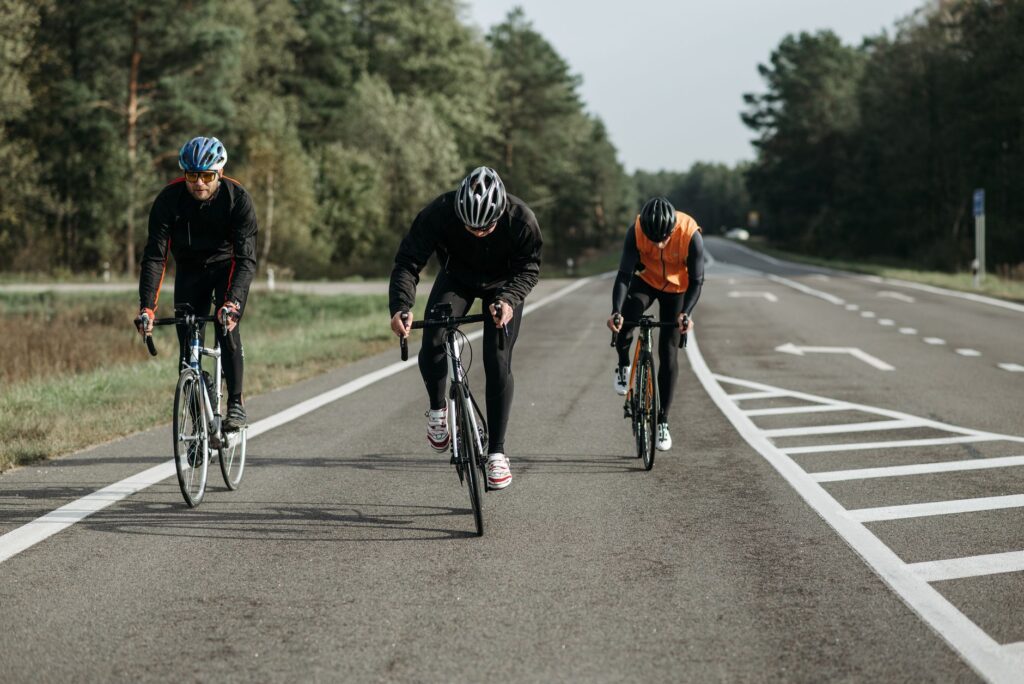
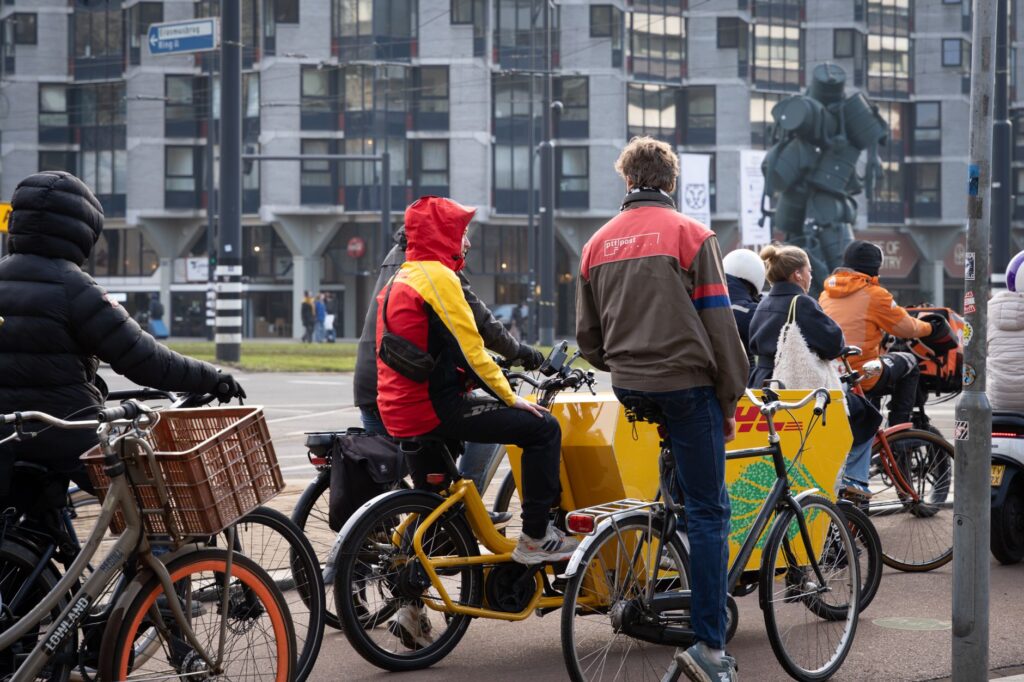
Alongside railway development, the region has deployed a network of segregated cycle lanes locally known as Radschnellwege or cycling highways. These wide paths, featuring permeable pavements and LED lighting adjustable via motion sensors, directly connect historic towns with interior agricultural and wine-producing enclaves. Unlike traditional recreational trails, these routes are designed to absorb medium-distance daily commutes, enabling stable and safe cruising speeds.
Implementing these lanes has required the consensual expropriation of small strips of agricultural land and the construction of laminated wood suspension footbridges spanning major Rhine tributaries without interfering with the hydrological regime. Cyclists have access to self-sufficient repair stations and rest areas equipped with solar panels for charging mobile devices and assisted bicycles. This infrastructure actively encourages active tourism, allowing travelers to explore the valley at a leisurely pace without generating polluting emissions.
Cycling tourism and sustainable mobility associations emphasize that the success of this network lies in its total separation from motor vehicle traffic. Intelligent signage and subterranean crossings minimize traffic conflict points, reducing accident rates to minimal levels. Furthermore, winter maintenance of these paths using compact electric vehicles guarantees year-round operability, consolidating the bicycle as a daily means of transport rather than a seasonal novelty.
Fluvial Intermodality and the Transition of Ferries
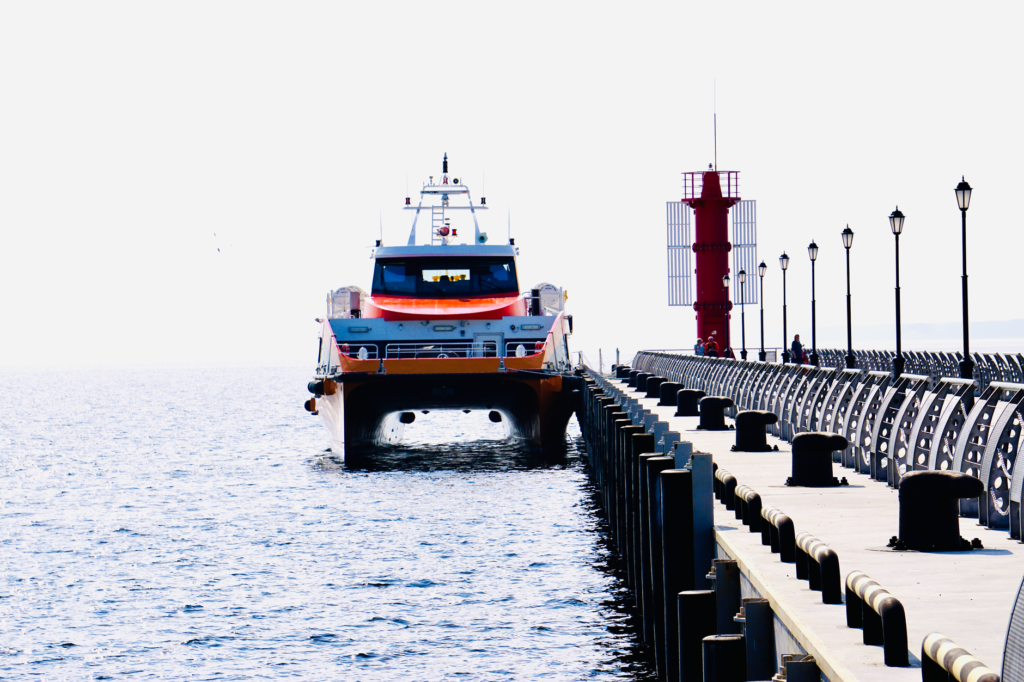
The Rhine River, historically central Europe’s main commercial artery, plays a starring role in the new sustainable mobility strategy. Traditional vehicle and passenger ferries, historically responsible for significant carbon dioxide emissions and noise, have undergone an ambitious process of electrification and structural refabrication. Today, a fleet powered exclusively by high-capacity batteries and floating solar energy systems crosses the channel silently and efficiently.
This naval modernization is complemented by the creation of smart piers adapted to seasonal water level fluctuations, facilitating the simultaneous boarding of passengers, bicycles, and light freight. Users can utilize a single smart card or mobile application to combine ferry journeys, cogwheel trains, and electric buses, eliminating administrative friction that traditionally hindered intermodal mobility. Port authorities rigorously monitor the acoustic impact of vessels to protect riparian waterbird nesting areas.
Fluvial integration has also transformed the logistics of distributing local products, such as wine and regional crafts, reducing delivery van presence in historic centers. Small electric cargo vessels supply riverside shops directly from peripheral logistics hubs, completely disconnecting the old town from heavy freight traffic. This circular model of urban distribution is currently considered a benchmark across Europe.
Community Governance and Citizen Participation
The transition toward this advanced transport model has not been forged in distant offices, but through an intense process of citizen participation and local co-governance. Neighborhood councils, winegrower cooperatives, and environmental groups actively participate in territorial planning committees, deciding the exact layout of new infrastructures and the allocation of funds raised through sustainable tourist taxes. This participatory approach has minimized social opposition and fostered a strong sense of collective ownership toward mobility projects.
Satisfaction surveys indicate that more than eighty percent of local residents support private traffic restrictions in historic centers, positively valuing the reduction of environmental noise and the improvement of air quality. Municipalities have implemented direct financial incentives for residents who formally renounce a second family vehicle, offering free annual passes for the entire integrated public transport network and preferential rentals of community electric bicycles.
This decentralized governance model ensures that benefits derived from the new tourist flow and reduced energy costs are entirely reinvested in improving local public services and conserving historic heritage. True transport sustainability does not reside solely in the technology employed, but in the capacity of communities to manage their own territory with criteria of social justice and environmental balance.
Economic Challenges and Resilience to Climate Crises
Despite notable progress, mobility management in the Rhine Valley faces growing economic and climate challenges. Prolonged droughts periodically affecting river flow force constant rethinking of electric ferry sailing schedules and load thresholds for auxiliary vessels. Engineers are developing artificial intelligence-based hydrological prediction systems to anticipate these fluctuations and automatically adjust frequencies for complementary reinforcement bus lines.
Maintaining mountain railway infrastructure under extreme weather conditions, characterized by strong winds and winter frosts, demands high conservation budgets jointly funded by the federal state and state governments. The economic viability of these public investments is evaluated not only in terms of fare revenues, but through savings in healthcare costs derived from reduced atmospheric and noise pollution, alongside increased overnight stays from higher-value tourism.
Local economic authorities insist that investment in clean mobility is the sole protective shield against tourist obsolescence and demographic decline in the valley’s rural areas. Maintaining the territory’s appeal requires cutting-edge infrastructure ensuring impeccable connectivity without sacrificing the scenic authenticity that constitutes the region’s primary heritage asset.
Practical guide
Planning a sustainable trip to the Rhine Valley requires understanding its intermodal transport network and taking advantage of unified regional fares.
How to get there and get around
The main gateway is Frankfurt Airport, from where direct regional trains depart, reaching the heart of the valley in under an hour. Once in the region, the use of the integrated Rhein-Ticket provides unlimited access to commuter trains, river ferries, and local electric buses.
When to travel
Spring months (May to June) and early autumn (September to October) offer optimal weather conditions for combining cycling and mountain rail journeys, avoiding the summer crowds of July and August.
Equipment recommendations
Comfortable footwear for walking vineyard paths, lightweight waterproof clothing, and downloaded local mobile apps for checking real-time schedules and booking shared electric bikes are essential.
Visual and Human Epilogue on the Rhine Bank
As the sun begins to descend behind ridges crowned by centurial fortresses, the Rhine Valley recovers a calm unaccustomed in modern times. At the small dock in Bacharach, a group of residents and cyclists awaits the arrival of the day’s last electric ferry, its navigation lights reflecting softly upon the dark water surface. There is no roar of diesel engines or strident horns; solely the constant murmur of the current and the gentle hum of silent motors docking with millimetric precision. This everyday scene encapsulates the profound metamorphosis of a territory that has successfully reconciled its glorious historical past with the uncompromising demands of a sustainable and human-respectful future.