

As the calendar enters its final stretch and the urgency to wrap up the year intertwines with the ancestral desire to seek new horizons, experienced travelers ask a fundamental question: how can we transform a winter break into a meaningful, frictionless experience? Far from responding to commercial impulses or last-minute rushes, planning a getaway during the cold months requires an exercise in discernment that goes far beyond checking airfares or securing a room with a view.
Approaching year-end tourism today means navigating a constant paradox. On one hand, global connectivity makes reaching any corner of the planet possible within hours; on the other, the overcrowding of traditional enclaves threatens to dilute the authenticity we seek when embarking on a journey. Reader inquiries fielded by major international publications reflect this tension: how can one escape the festive bustle without falling into absolute isolation? Is it possible to enjoy wild nature in winter without disturbing fragile ecosystems? The answer lies not in magical formulas, but in conscious travel design founded on anticipation and respect for local rhythms.
The Pulse of Winter: Redefining High Season
For decades, the tourism industry has pigeonholed winter into two extreme categories: massive flights to tropical sun or predictable pilgrimages to Alpine ski resorts. Yet contemporary travelers seek nuances. Global mobility experts note a steady increase in demand for mid- and high-latitude destinations where winter is not an obstacle, but the aesthetic and cultural protagonist of the experience. Scandinavian regions, North American boreal forests, and less-traveled mountain enclaves in central Europe offer a perspective where cold weather becomes a catalyst for silence and contemplation.
This paradigm shift forces a rethinking of basic logistics. Year-end bookings are no longer managed weeks ahead, but many months in advance, especially when access to independent lodging, specialized wildlife guides, or permits for protected national parks is required. Advance planning is no longer a commercial recommendation but the sole guarantee of access to low-impact experiences. Those who postpone these decisions often find themselves limited to generic options that completely undermine the initial purpose of the trip.
Invisible Logistics: Anticipating Bottlenecks
The gears of international transport during November and December face unprecedented pressure. Airlines adjust routes, airports operate at peak capacity, and adverse weather conditions introduce variables impossible to foresee via algorithms. Faced with this scenario, flexibility in departure dates and the design of routes with strategic layovers are not luxuries, but survival tools to avoid prolonged delays.
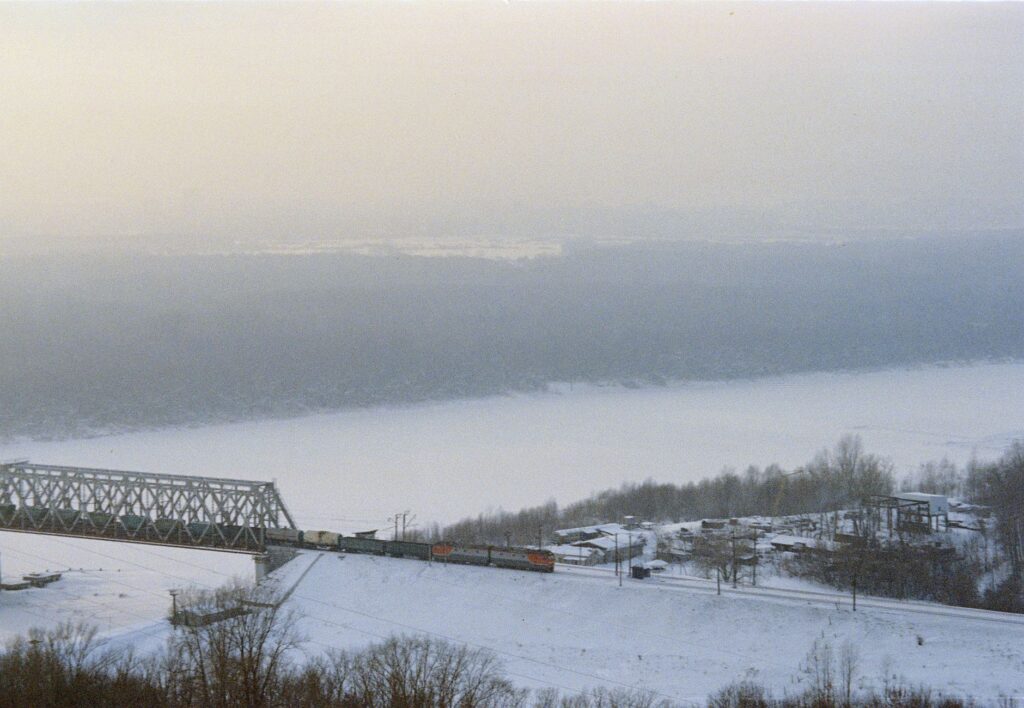
Specialists advise prioritizing railway connections whenever the destination infrastructure permits. Traveling by train through wintry landscapes not only drastically reduces carbon footprints but transforms the journey into a substantial part of the travel narrative. The slow pace of railway tracks allows travelers to assimilate the transition between urban sprawl and wild nature in a way no commercial flight can replicate.
Nature at Rest: Wildlife Viewing and Sub-Zero Landscapes
For wildlife enthusiasts, winter offers an unparalleled observation window. With deciduous leaves fallen and a blanket of snow covering the ground, visibility in forests and tundras increases exponentially. Species that remain hidden during the summer exuberance now reveal themselves against the pristine white. However, approaching wildlife in extreme cold conditions demands uncompromising technical and ethical rigor.
Biologists and local guides consistently remind visitors that animals are in their most vulnerable metabolic period. Food scarcity forces wildlife to conserve every available calorie. Disturbing their rest for a photograph or close interaction can have fatal consequences for young or weakened specimens. Therefore, the best winter nature experiences are those mediated by local professionals who know exact approach limits and respect natural sanctuaries.
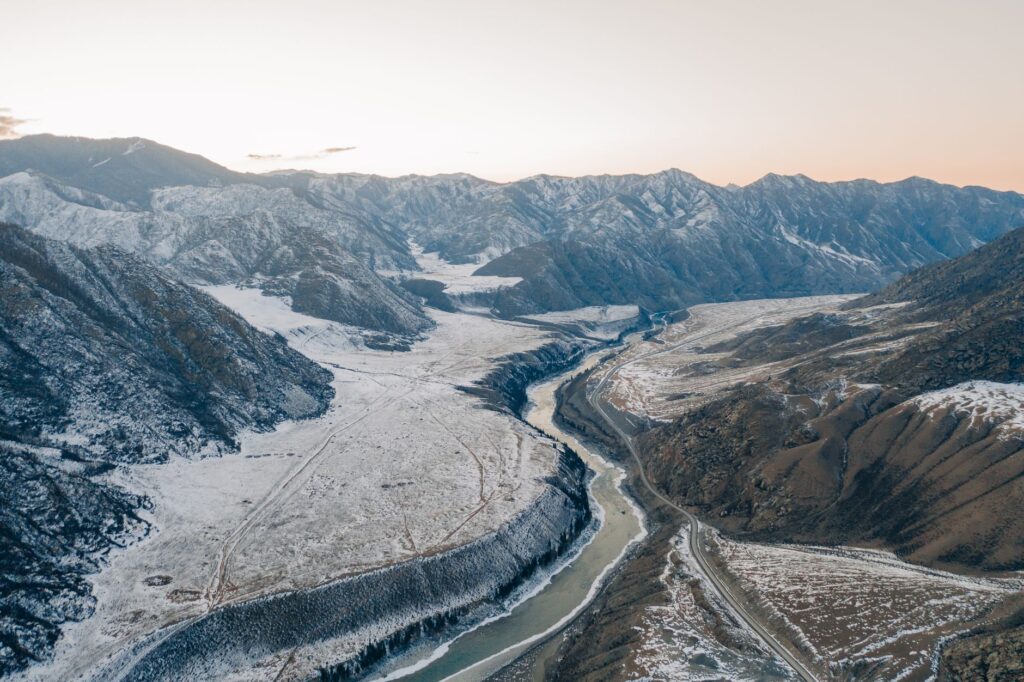
Winter does not silence nature; it merely shifts its frequency, demanding a quieter, more respectful attention from the observer.
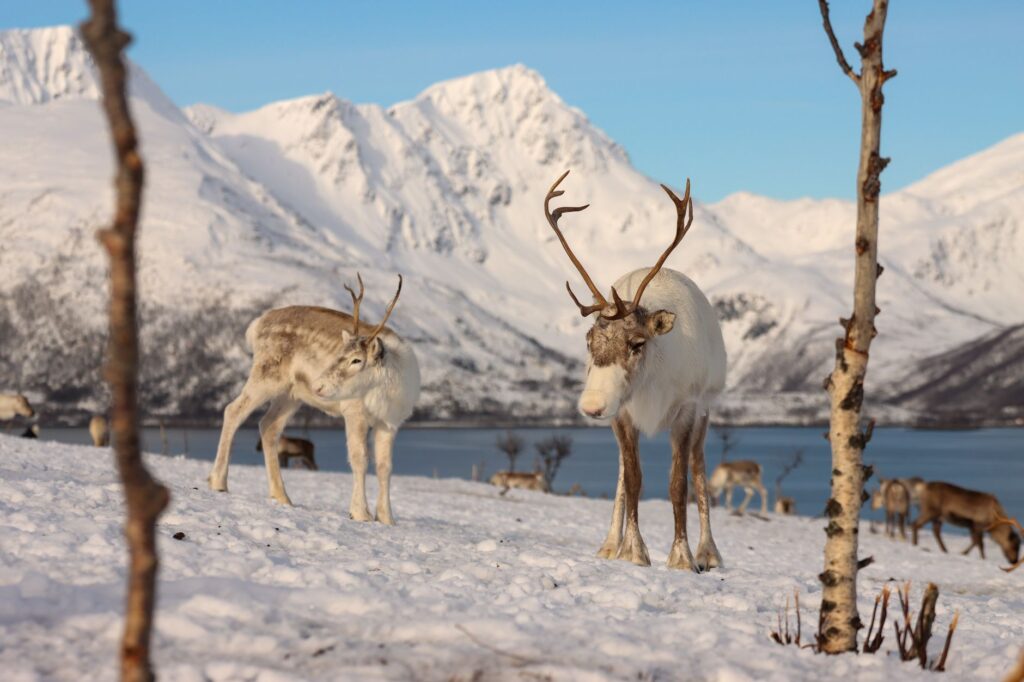
Among the most sought-after options are boreal wildlife safaris in subarctic regions, where spotting moose, reindeer, and large canines in their natural habitat is possible. These expeditions typically utilize cross-country skis or traditional sleighs, minimizing acoustic pollution and allowing harmonious integration with the environment. The key to success in these adventures lies in technical equipment: merino wool layers, windproof membranes, and footwear designed specifically for sub-zero temperatures.
Choosing Accommodation: Between Alpine Refuge and Isolated Cabin
Where one rests after a day exposed to the cold defines the quality of the winter experience. Current options range from traditional mountain hotels with wellness services to self-sufficient cabins far from commercial routes. Both choices respond to very different travel philosophies yet share a common denominator: the need to guarantee efficient thermal insulation and sustainable heating systems.
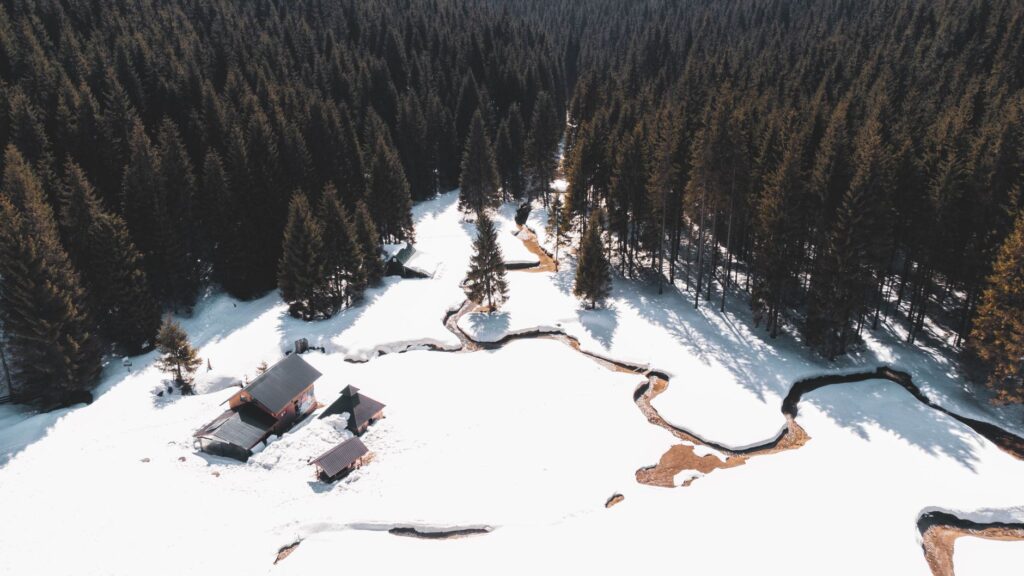
While large hotel complexes ensure immediate comfort and medical assistance in any contingency, remote cabins offer mental disconnection that is hard to match. However, the latter demand considerable autonomy from the traveler, ranging from firewood management to anticipating basic supplies during potential snowstorms that temporarily isolate the area.
Culture and Pause: The Human Rhythm in Northern Communities
Traveling in winter also means connecting with communities that have adapted their entire existence to darkness and low temperatures. In northern European and North American towns, community life retreats indoors, lit by candles and open hearths, fostering an intimate, unhurried cultural exchange unlike the summer months.
Festive year-end celebrations in these latitudes are not reduced to mass consumption but preserve ancestral traditions tied to the solstice, gratitude for harvests, and collective survival. Participating in these gatherings with respect and genuine curiosity deeply enriches the journey, shifting the traveler from a conventional tourist role to a respectful observer.
Understanding that many of these communities operate with limited local infrastructure is crucial. The massive arrival of visitors without prior awareness can strain essential services such as water supply or waste management. The golden rule for responsible travelers in winter environments is leaving the minimal footprint possible and consuming seasonal local products.
Resilience Gastronomy: Flavors That Comfort the Body
The cuisine of winter destinations is, by definition, a cuisine of resilience and adaptation. Dense dishes made with local ingredients like game meats, smoked fish, roots, and preserved forest berries form an indispensable part of these regions’ cultural identity.
Sitting at the table in a mountain refuge or traditional tavern is not merely an act of nutrition, but an anthropological ritual. Local chefs and restaurateurs recover centuries-old recipes that utilize the fats and proteins necessary to withstand physical effort outdoors. By revaluing these products, tourism helps keep small-scale agrarian and fishing economies alive, preventing their disappearance in the face of global food standardization.
Eating in winter at extreme latitudes is an act of communion with local geography; every bite tells the story of how humans have negotiated survival with the climate.
Practical guide
Advance Bookings: Plan and secure accommodations and national park access permits at least four to six months in advance, especially for November and December.
Technical Equipment: Invest in merino wool base layers, jackets with ethical down insulation, and footwear with high-traction soles for icy surfaces. Cotton is strictly discouraged.
Contingency Management: Design itineraries with generous time buffers to absorb potential delays caused by snowstorms on airports and secondary roads.
Wildlife Etiquette: Maintain prudent distances and never use bait to attract wild animals. Always hire certified local guides for wildlife viewing.

Local Sustainability: Prioritize rail transport and patronize small family-owned establishments utilizing local products.
The Threshold of Silence: When Travel Becomes Inner Transformation
At the end of the journey, when the cold of the Alpine night or the vastness of the boreal forest filters through the window, the true value of the winter getaway reveals itself without artifice. It is measured neither in accumulated photographs nor in miles covered on a map, but in the stillness the traveler internalizes after weeks of frenetic activity.
Winter, with its reduced palette and prolonged silences, acts as an implacable mirror returning human beings to their essential dimensions. It reminds us that haste is a modern construction and that nature, even in its most severe state, offers an unrivaled refuge for those who know how to listen with respect. Planning a trip at this time of year is, ultimately, an act of reconciliation with one’s own time and the untouched beauty of a planet that still holds secrets for those who dare brave the cold with open hearts.
Source: The New York Times (Translated from ‘Tell Us What Questions You Have About Winter Getaways and Holiday Travel’).