
Within the dynamic campus of the Pan-Atlantic University on the outskirts of Lagos, a cultural beacon stands tall, reshaping the artistic cartography of West Africa. The Yemisi Shyllon Museum is far more than a repository of past relics; it is a living organism in dialogue with the tensions of modernity and the reclamation of collective memory. Recently crowned as Nigeria’s premier art gallery and museum at the annual tourism industry awards, this space embodies one of the continent’s boldest philanthropic enterprises: a private collection placed at the service of the public domain and the critical study of identity.
Inaugurated to bridge a historical gap in the nation’s museum exhibition landscape, the institution rests on the vision of entrepreneur, engineer, and avid collector Prince Yemisi Shyllon. For decades, Shyllon meticulously gathered thousands of pieces spanning ancient bronzes and terracottas to contemporary metal sculptures and documentary photography. This recognition solidifies the museum not merely as an unmissable destination for discerning travelers, but as a model of independent heritage management in a country where public cultural bodies often face severe budgetary and logistical constraints.
The Genesis of a Monumental Collection
To grasp the true magnitude of the Yemisi Shyllon Museum, one must trace the trajectory of its founder. Prince Yemisi Shyllon is no ordinary collector; he is a patron obsessed with preserving material African heritage against colonial looting and institutional neglect. Over three decades, he amassed an assemblage exceeding seven thousand works of art. This titanian effort began as a personal impulse of cultural rescue and evolved into an indispensable archive for understanding the aesthetic and sociopolitical evolution of Nigeria and sub-Saharan Africa.
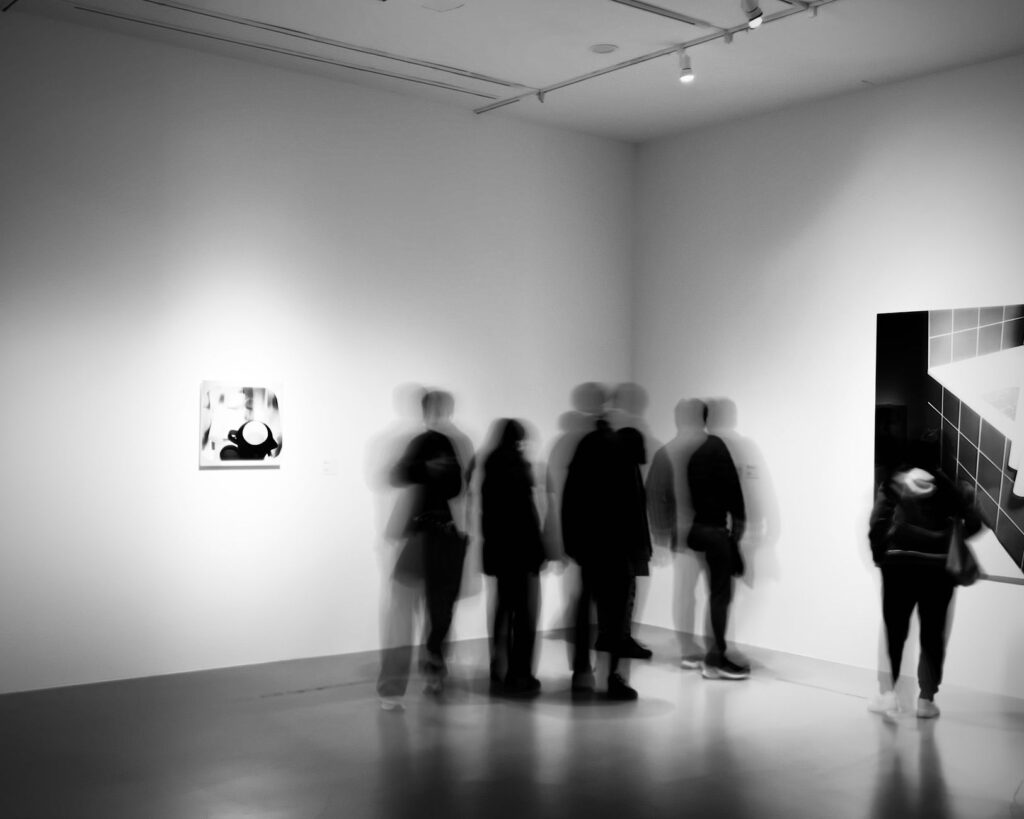
The core of the collection challenges traditional eurocentric narratives surrounding African art, which historically tended to fossilize the continent’s expressions into a static tribal past. Shyllon understood that art is a dynamic, ongoing process. Consequently, his holdings coexist with contemporary works addressing themes as diverse as rapid urbanization, environmental degradation, gender politics, and the diaspora. Each gallery functions as a palimpsest where traditional Yoruba spirituality converges with the aesthetic anxieties of the twenty-first-century Nigerian urban artist.
Brutalist Architecture and Landscape Dialogue
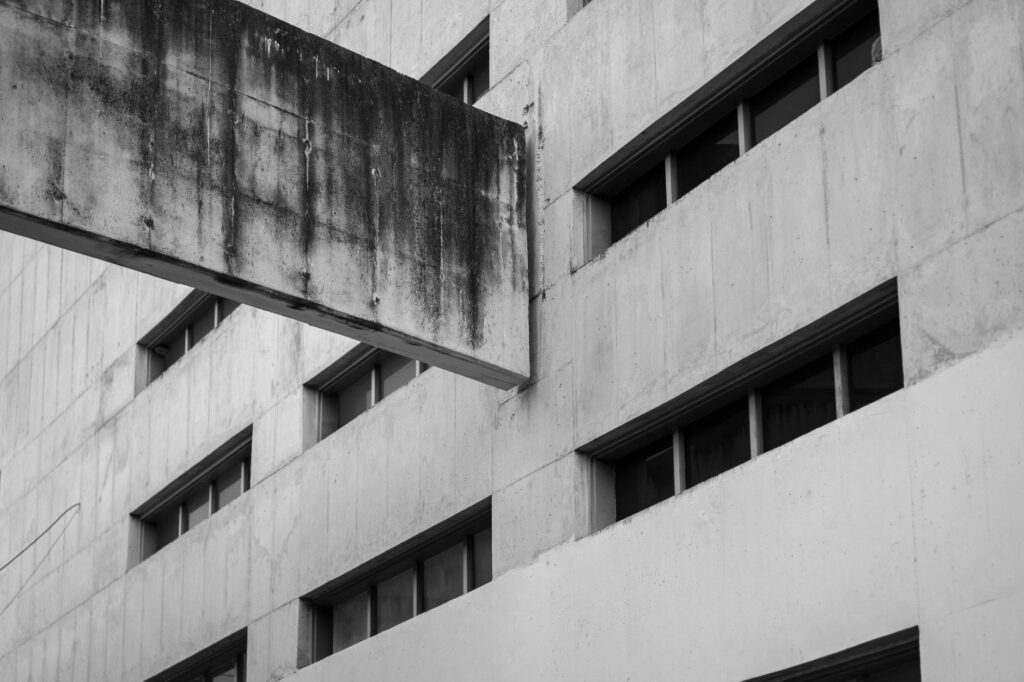
The African continent is currently experiencing an architectural renaissance where cultural spaces engage directly with their climatic and social contexts. Designed by the Spanish practice John McAslan + Partners in collaboration with local architects, the museum building is a statement of aesthetic principles. Its brutalist architecture—characterized by an imposing use of exposed concrete, generous overhangs, and strategic latticework—responds elegantly to the demands of Lagos’s tropical climate, enabling cross-ventilation and filtering natural light in an almost theatrical manner.
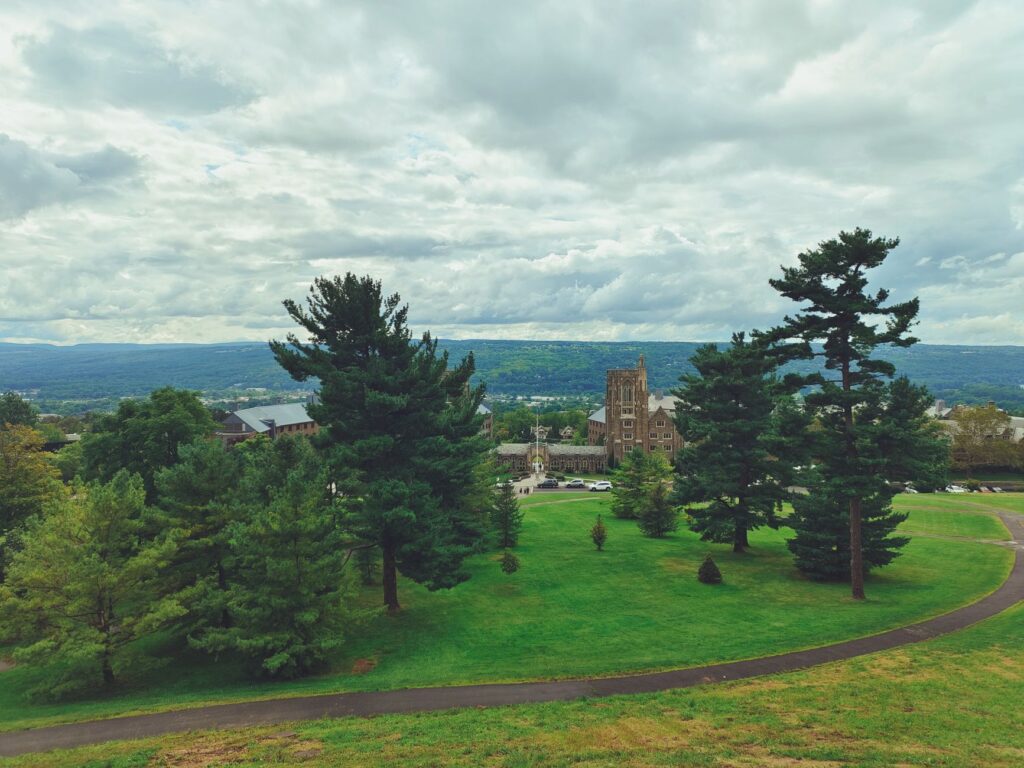
Spatial design prioritizes fluidity and contemplation. Interior galleries link seamlessly through open walkways and landscaped courtyards where native vegetation weaves among outdoor sculptures. This integration of polished cement and tropical foliage creates an immersive atmosphere where visitors are not passive onlookers, but wanderers traversing a hybrid landscape, where nature and human artifice converge to honor African creativity.
The Transformative Power of Outdoor Sculpture
One of the museum’s prime attractions is its sculpture park, a landscaped expanse spanning over a hectare where monumental art merges seamlessly with tropical flora. Unlike European collections sequestered behind aseptic glass cases, here the works converse directly with the elements: seasonal rains, relentless sunshine, and changing foliage subtly alter the perception of the pieces throughout the year. This open-air display features works crafted in bronze, cement, recycled iron, and dense hardwoods.
Along shaded pathways, visitors encounter sculptures depicting traditional deities from the Yoruba and Igbo pantheons alongside abstract figurations denouncing the legacy of colonialism and petroleum extraction in the Niger Delta. The spatial arrangement invites unhurried reflection, allowing audiences to experience the true scale of the works in an environment that eschew the intimidating solemnity of large Western metropolitan museums, opting instead for a tactile, respectful closeness to the medium.
Heritage at Risk: The Challenge of Restitution and Conservation
International acclaim for the Yemisi Shyllon Museum arrives at a pivotal moment for the global debate surrounding African heritage. While major European and North American museums debate the return of thousands of Benin bronzes and artifacts looted during the nineteenth century with bureaucratic sluggishness, private and autonomous institutions like this demonstrate that the continent possesses the technical, intellectual, and logistical capacity to house, protect, and study its own cultural treasures with scientific rigor and aesthetic sensitivity.
Nevertheless, the challenge of conservation in Nigeria extends far beyond museum walls. Maintaining delicate photographic archives, preserving ancient textiles, and protecting wooden artifacts from tropical humidity demand ongoing technological investments and highly specialized staff. The Pan-Atlantic University’s endeavor proves pioneering by linking practical museology with academic training programs in art history, restoration, and cultural management, ensuring a committed generational handover dedicated to safeguarding the legacy.
Education, Community, and Independent Philanthropy
Unlike state-run museums susceptible to political shifts and budgetary volatility, the Yemisi Shyllon Museum operates under a model of philanthropic and institutional sustainability that prioritizes educational outreach over commercial gain. The facility maintains active partnerships with secondary schools and universities across Lagos State, offering free pedagogical programs designed to demystify contemporary art and reconnect younger generations with their cultural and historical roots.
blockquote>The true value of a museum lies not solely in the market valuation of its holdings, but in its capacity to challenge the present, educate the young, and restore narrative dignity to peoples reduced to historical silence.
This community-driven focus has turned the museum into an intergenerational meeting point. Over weekends, entire families, university students, and art critics converge on the grounds to participate in sculpture workshops, keynote lectures, and independent African cinema screenings. The institution proves that culture is not an elitist luxury, but a fundamental tool for social cohesion and critical thought across the Global South.
Practical guide
Getting there: The museum is situated within the Pan-Atlantic University campus in Ibeju-Lekki, Lagos. The safest and most efficient approach for international travelers is to book a certified private transport service or utilize authorized corporate shuttles departing from central districts such as Victoria Island or Lekki Phase 1.
Hours and admission: Open Monday through Saturday during daylight hours (typically 9:00 AM to 4:00 PM). It is strongly advised to consult the official website or contact administration prior to planning a visit, as campus academic calendars may restrict public access on specific dates. General admission involves an accessible fee dedicated entirely to the museum’s maintenance fund.
Visitor tips: Allocate at least half a day to explore both the indoor galleries and the outdoor sculpture park at a leisurely pace. Comfortable footwear and sun protection are recommended. Flash photography is permitted in most public areas, but tripods and professional gear require prior authorization from management.
The Enduring Echo of Forms and Memory
Upon crossing the threshold out of the Yemisi Shyllon Museum, travelers carry a lingering sense of inner transformation. The silhouettes of bronze sculptures cut against the twilight Lagos sky seem to whisper stories of resilience, beauty, and unwavering dignity. Conceived through individual generosity and sustained with academic rigor, this venue has proven that art in Nigeria is not a dead relic trapped on a colonial shelf, but a surging river flowing toward the future with the boundless strength of its people.
Recognition as the country’s top gallery and museum is merely a provisional milestone in the trajectory of an institution destined to rewrite the standards of African museology. In a world saturated with ephemeral images and accelerated cultural consumption, this oasis of concrete and memory offers an indispensable pause: a space where time stands still, allowing aesthetic contemplation to mature into a profound act of knowledge and human empathy.
Source in EN: Realnews Magazine