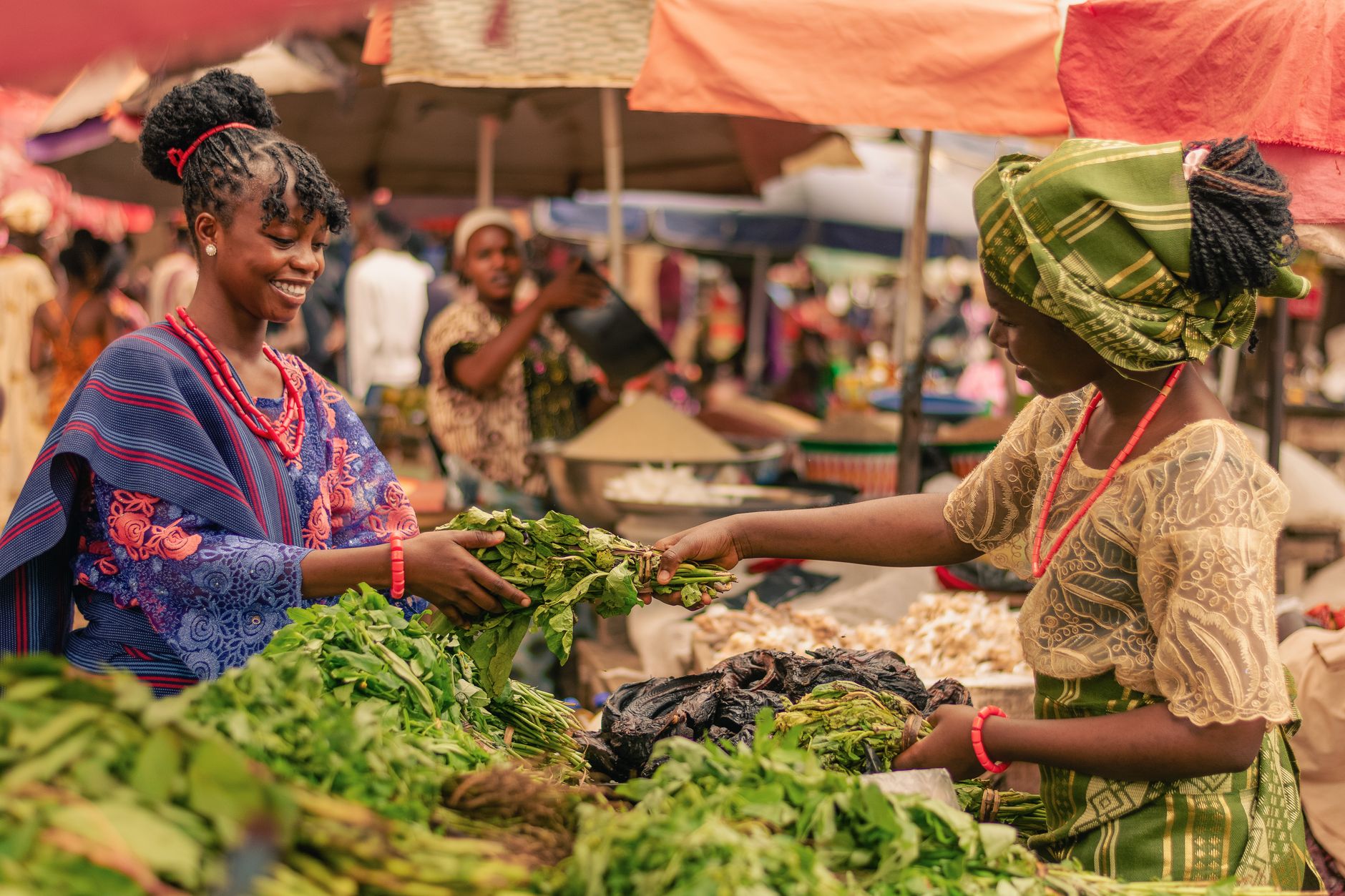

The transformation of tourism and food systems in Africa is no longer an abstract aspiration but an undeniable economic strategy. In the heart of Lagos, the 22nd edition of the Akwaaba African Travel Market brought together ministers, chefs, local producers, and development experts to chart a course where gastronomy plays a leading role. Far from traditional circuits that historically separated luxury hotels from surrounding communities, the summit put forward a paradigm shift: the plate as a vehicle of identity, food security, and local job creation.
Over three intense days of debate, delegates analyzed how regional cuisine can articulate fairer value chains. The historical challenge of importing goods to satisfy international tourism demand is beginning to reverse thanks to policies incentivizing regenerative agriculture and artisanal fishing. In this context, the culinary experience is no longer limited to aesthetic enjoyment; it acts as a barometer of the socioeconomic resilience of entire communities from West Africa to the Indian Ocean.
The Table as the Axis of Regional Transformation
The debate on food sovereignty within the African travel sector requires looking beyond major metropolises. In rural and coastal regions, the loss of culinary biodiversity and dependence on global markets threaten both traditions and economic stability. Speakers at Akwaaba agreed that valuing indigenous ingredients—from ancestral tubers to lesser-known spices—is the indispensable foundation for building an authentic and enduring tourism offering.
This transition is not without structural hurdles. A lack of cold-chain infrastructure, intra-regional trade barriers, and scarce financing for smallholder farmers limit the reach of many culinary initiatives. However, success stories presented during the forum demonstrated that connecting small producers directly with the restaurant sector multiplies economic benefits and drastically reduces carbon footprints.
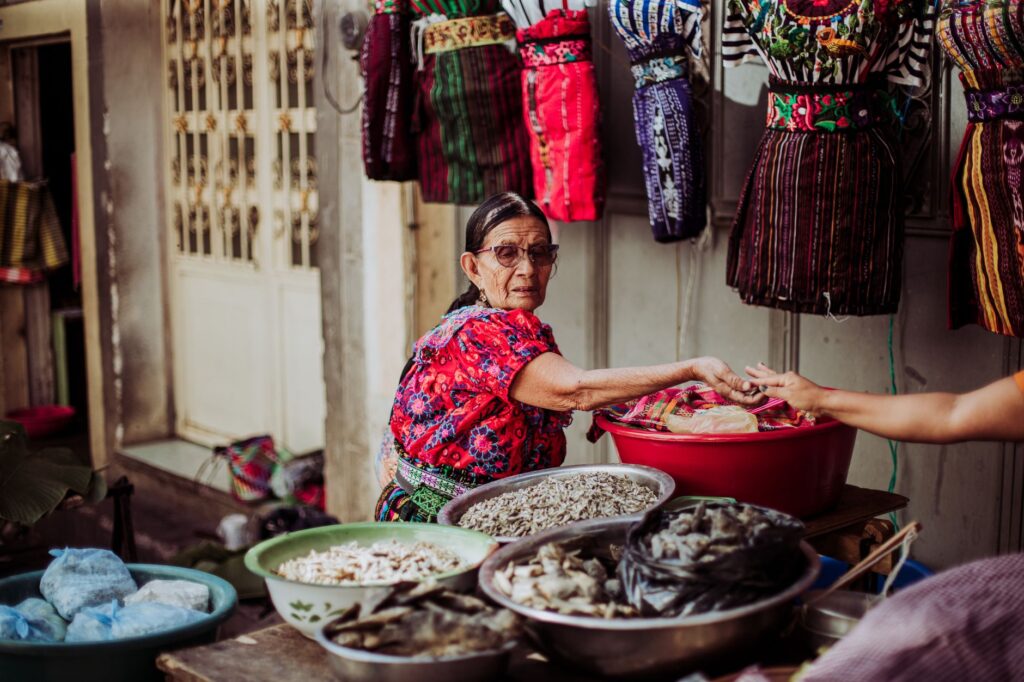
True fine dining in Africa today is that which empowers local farmers and preserves the biodiversity of the territory.
Contemporary chefs across the continent are leading this revolution from their kitchens. It is no longer just about reinterpreting traditional recipes for cosmopolitan palates, but about assuming political and social responsibility for the environment. By prioritizing local produce, these professionals drive a circular economy that benefits both the discerning diner and the rural families working the land.
Architecture and Logistics: Connecting Harvests and Markets
Developing a sustainable gastronomic ecosystem requires robust logistical infrastructure that has hitherto been lacking in large parts of the continent. Poor transport routes drive up the cost of local goods and encourage the influx of cheaper, less sustainable foreign alternatives. Therefore, one of the central focuses of the gathering was the urgent need to modernize cold-storage and distribution networks.
Architects and urban planners presented innovative projects for food markets and logistics hubs powered by solar energy. These facilities not only reduce food waste—which reaches alarming levels post-harvest—but also create community spaces where culinary culture is passed down through generations.
- Creation of green logistical corridors between agricultural production zones and tourism hubs.
- Investment in solar conservation technologies to reduce spoilage in local markets.
- Development of collection centers managed by rural women’s cooperatives.
Integrating these elements into tourism planning allows visitors to understand the effort behind every ingredient. When infrastructure supports the producer, the culinary narrative gains depth and credibility, moving away from artificial stagings designed exclusively for vacation snapshots.

Cultural Identity and Heritage on the Plate
African cuisine is a living archive of migrations, historical trade, and ecological adaptations. Every dish tells a story of survival and creativity that new tourism actors are eager to highlight. At Akwaaba, anthropologists and food experts insisted that safeguarding traditional recipes is just as important as conserving historical monuments.
The recognition of ancestral culinary techniques—such as fermentation, smoking, and slow-cooking in clay vessels—attracts a segment of travelers increasingly interested in deep cultural tourism. This profile seeks not standardized comforts, but genuine immersion and respect for local knowledge.
However, the constant risk of cultural banalization looms. To prevent gastronomy from becoming a mere fast-consumption product, local communities are demanding governance frameworks that ensure economic benefits flow directly back to those who safeguard culinary heritage.
Financial Challenges and Regional Governance
No large-scale transformation is possible without an adequate financial framework. During the summit’s panel discussions, representatives from banking institutions and investment funds debated the mechanisms needed to channel resources toward sustainable agribusiness and gastronomic tourism. It was noted that access to credit for small business owners remains a critical bottleneck, especially for women who lead a large share of the continent’s food production.
Harmonizing regulations among African nations was also identified as a priority. Facilitating cross-border trade of indigenous agricultural products would diversify offerings in high-end restaurants and reduce reliance on extra-regional imports.
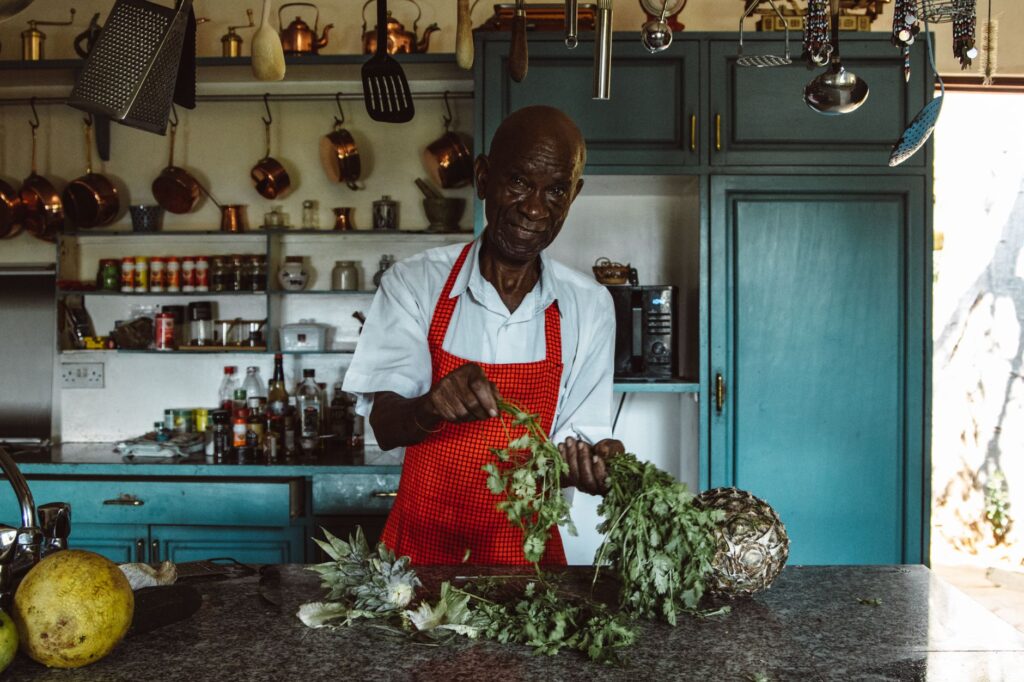
Investing in the African food value chain is the most direct way to ensure inclusive and lasting economic growth.
Governments bear the responsibility of creating tax incentives for establishments that demonstrate a genuine commitment to sustainability and local sourcing. Furthermore, the need was underlined to establish quality seals and designations of origin that protect the authenticity of African ingredients in international markets.
Technological Innovation in the Agrifood Chain
Digitalization has begun to transform how chefs and hoteliers source raw materials. Emerging digital platforms connect agricultural cooperatives directly with urban restaurants, eliminating abusive middlemen and guaranteeing food traceability. These technological tools bring transparency to a traditionally informal sector.
In addition, the use of agricultural monitoring technologies allows smallholders to optimize water use and better predict harvests in the face of climate change challenges. The symbiosis between traditional knowledge and agrotech is generating a more resilient production model tailored to modern tourism demands.
- Mobile applications for direct purchasing between farmers and chefs.
- Blockchain-based traceability systems to guarantee the authenticity of local produce.
- Low-cost sensors to optimize irrigation and soil management on family farms.
These innovations not only improve economic efficiency but also revalue agricultural work for younger generations, mitigating rural flight and ensuring generational renewal in the primary sector.

Practical guide
Planning a trip focused on sustainable gastronomy in Africa requires understanding local dynamics and committing to respectful tourism. Essential recommendations for an enriching experience are detailed below.
When to travel: The dry season (generally between November and April in West Africa) offers the best conditions for exploring open-air markets and attending harvest festivals. Avoid heavy rainy months if you plan to visit rural production areas.
How to get around: Prioritize local public transport or recommended community-managed transfer services. For travel between agricultural regions, consult with agencies specializing in community-based tourism that guarantee ethical practices.
Accommodation: Choose small boutique hotels, eco-lodges, or locally run guesthouses that integrate farm-to-table gastronomy into their menus and actively support area farmers.

Culinary etiquette: In many cultures across the region, sharing food from a communal bowl is a sign of hospitality and respect. Always consult local courtesy norms before photographing traditional kitchens or food markets.
The Taste of Memory and the Horizon
As evening falls in Lagos, the city’s hustle contrasts with the quiet of kitchens where spices are ground for the next day’s menu. Food in Africa has never been mere sustenance; it is an act of resistance, memory, and hospitality. The agreements reached at the 22nd Akwaaba set a steady course, but the true measure of their success will be written at every table where local produce takes center stage.
The future of tourism on the continent will depend on our ability to listen to those who work the land and respect the product. At the end of the journey, what remains in memory is not just the observed landscape, but the depth of shared flavors and the silent commitment to a fairer, more sustainable future.
Source in EN: The Guardian Nigeria News (https://guardian.ng/)