
Origins of Golden Stone and Charcoal
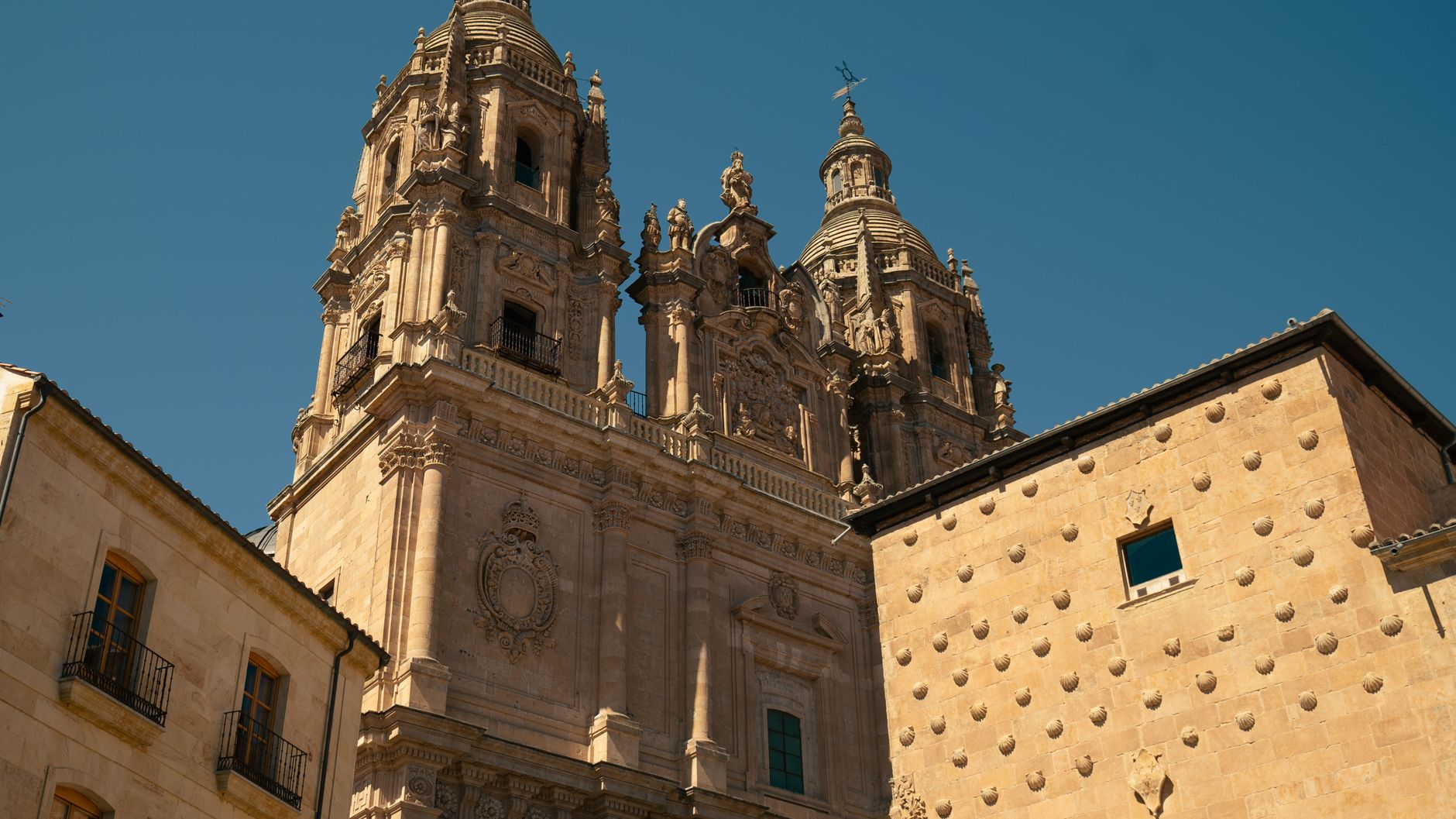
The pulse of a university city is measured not only in the pages of its archives or the geometric shadows of its Plateresque cloisters. Salamanca also breathes at ground level, among the cobblestones leading to the city’s commercial heart. From the earliest morning light, when the Villamayor stone acquires a coppery hue beneath the morning frost, the market doors give way to an invisible choreography that has repeated for centuries. It is the meeting point where the produce of the flatlands converges with treasures gathered from the southern mountain foothills.
Wandering through the aisles of this historic venue is like stepping into a living archive of culinary memories. Here, the voices of the vendors do not compete with traffic noise, but instead establish a measured dialogue with those seeking the exact ingredient for the daily stew. The authenticity of this space lies in its resistance to standardization, preserving an unbreakable link between the local producer and the discerning consumer who values the origin of what lands on their table.
The Architecture of Provision and Its Guardians
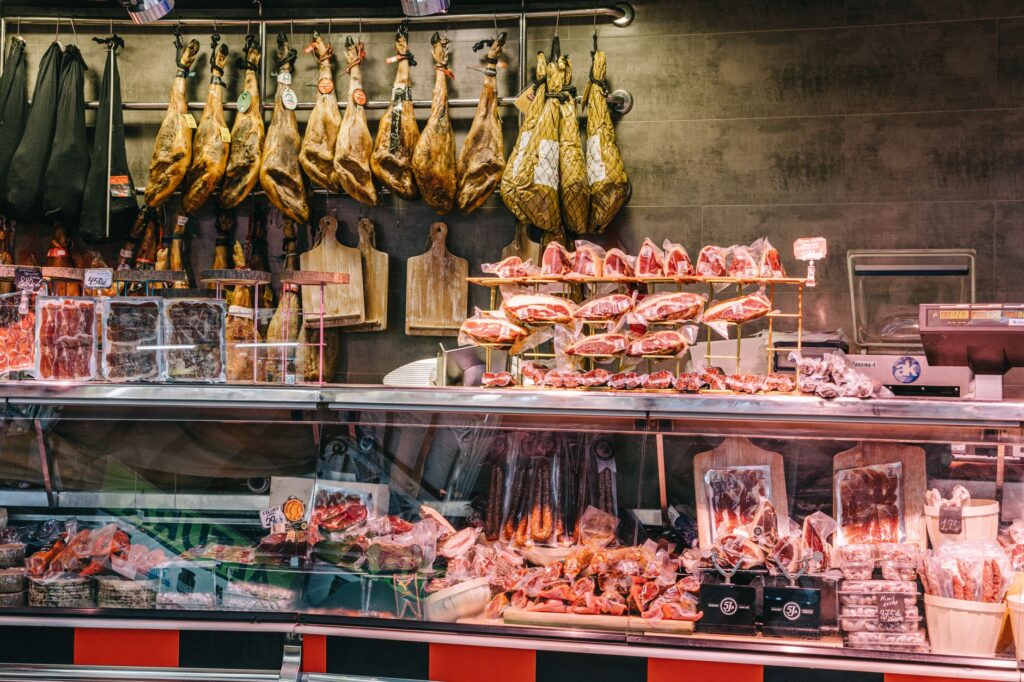
Built in the early twentieth century, the building combines the robustness of traditional materials with the lightness brought by the iron and glass structures of the era. Its diaphanous naves allow natural light to bathe the stalls displaying provincial treasures. Cold marble counters hold monumental pieces of charcuterie, raw sheep’s milk cheeses, and vegetables grown along the banks of the Tormes River. Each merchant acts as an involuntary curator of the Castilian pantry, capable of recounting the family history behind every wedge or cured sausage.
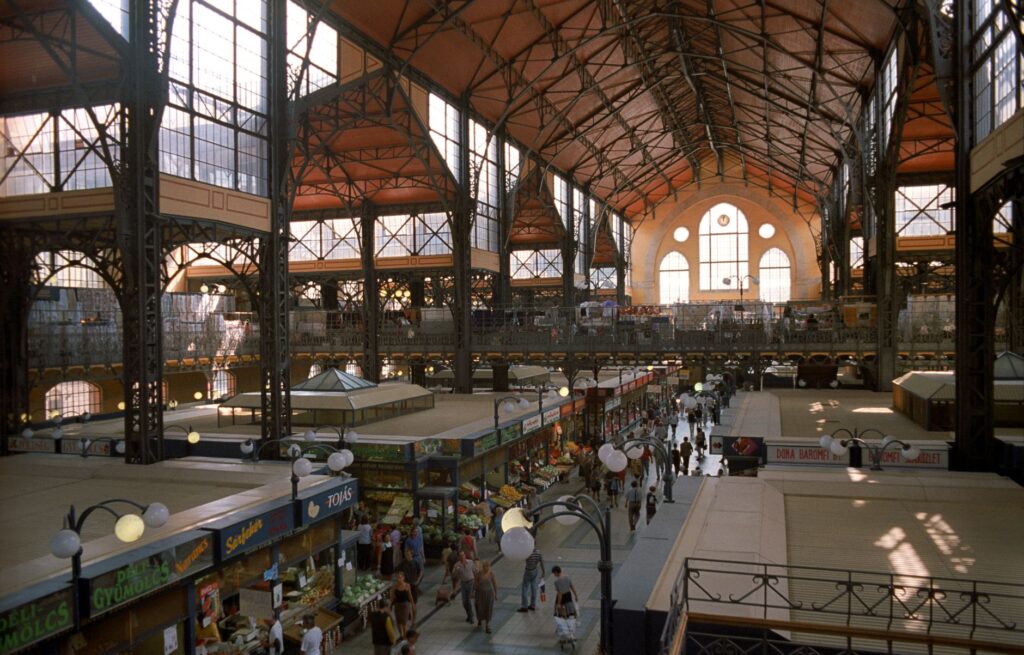
Behind every counter lies decades of accumulated trade. Families have spent generations keeping metal shutters open while the surrounding urban landscape underwent profound transformations. This generational handover is not always straightforward, yet those remaining at the helm do so with the conviction that neighborhood commerce serves as the ultimate antidote to the homogenization of taste. The market thus operates as a bastion of cultural resistance, where daily shopping transforms into a social act of the highest order.
The Journey Toward the Sierra de Béjar
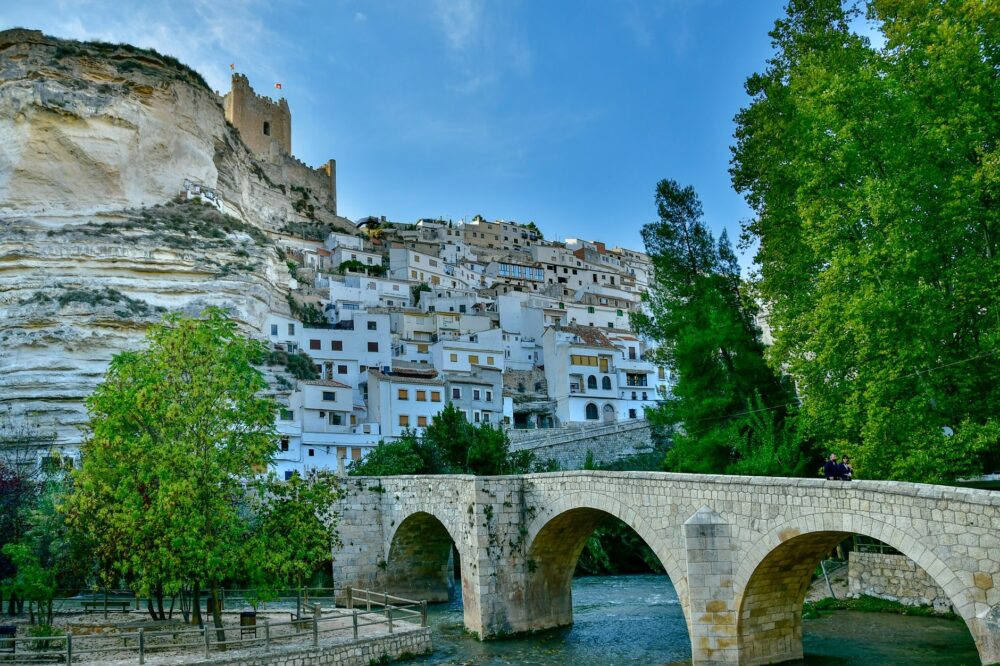
To grasp the magnitude of the flavors populating the Salamancan stalls, leaving the capital and ascending southward—where the geography fractures into jagged peaks and humid valleys—is essential. The Sierra de Béjar represents a unique ecosystem where centuries-old chestnut groves and high-altitude pastures foster extensive livestock farming and wild foraging. Here, melting snow trickles down crystal-clear streams feeding tiny kitchen gardens where vegetables grow with a slowness that multiplies their organoleptic properties.
In these landscapes, life is governed by the unhurried rhythm of the seasons. Local herders guide their flocks to mountain passes during the summer months, a form of minor transhumance ensuring the exceptional quality of meats and dairy products. Atlantic moisture-laden breezes, managing to clear the mountain barriers, provide the upland air with ideal conditions for the natural curing of meat products—an artisanal process scarcely modified over the past three hundred years.
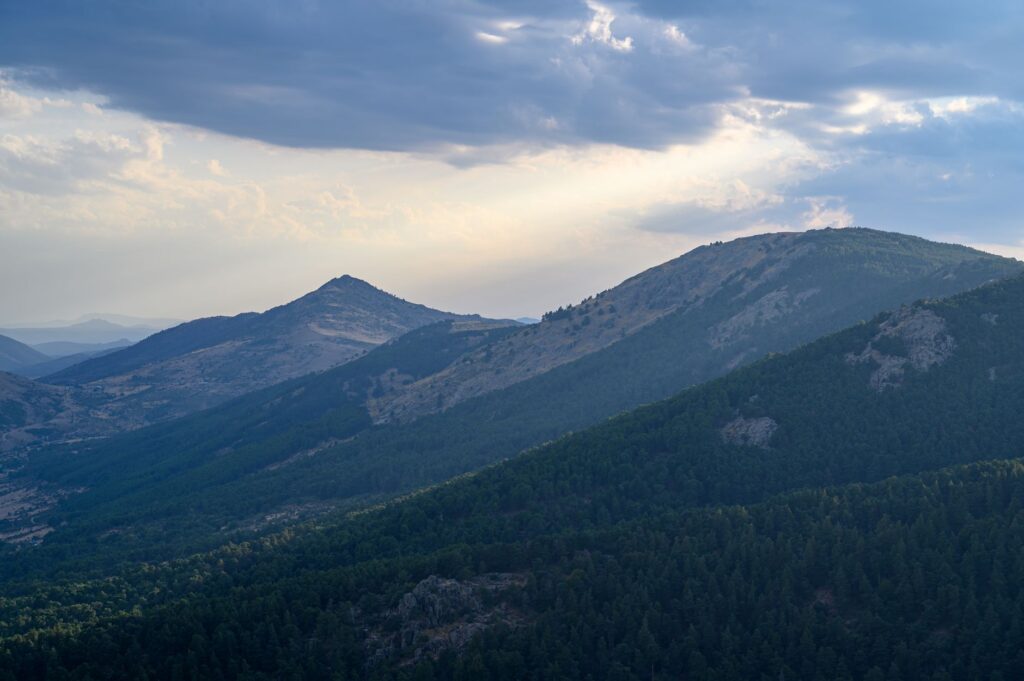
The territory is not merely a map traversed with the eyes, but a flavor deciphered through memory and the palate.
The Secret of Laurel and High-Altitude Stews
Among the botanical elements defining upland cooking, laurel holds a preeminent place. This is not the brittle, dried leaf found on industrial shelves, but branches harvested at their optimal ripening point, aromatic and resinous, capable of transforming a simple stew into a masterpiece of popular cooking. Combined with game meats, native legumes such as El Barco beans, and a slow-cooked sofrito of lard and paprika, laurel acts as the guiding thread harmonizing intense, rustic flavors.
The kitchens of Bejarano villages preserve recipes passed down from mothers to daughters that prioritize the intelligent use of available resources. The *calderillo bejarano*, for instance, is far more than a meat and potato stew; it stands as a declaration of principles on how patience over wood fire extracts the purest essence from humble ingredients. Mastery in the use of wild spices draws the line between mere nutrition and traditional culinary art, an intangible heritage surviving thanks to the dedication of these mountain communities.
The Liquid Pantry and Forest Fruits
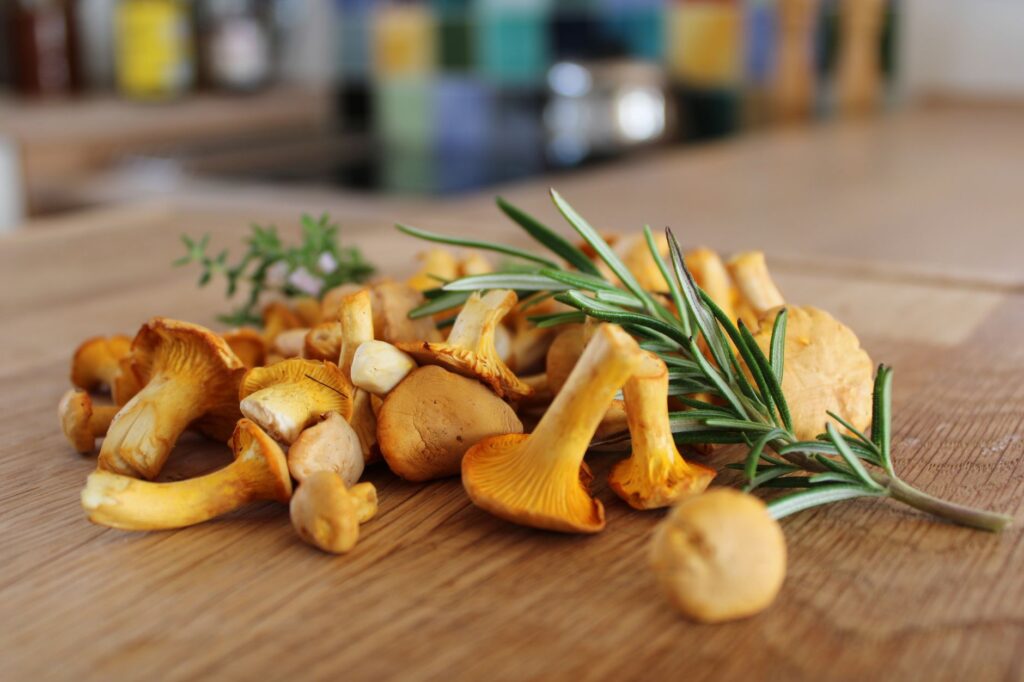
Alongside meats and potages, the mountain forests offer a seasonal pantry mobilizing locals and visitors alike in autumn. Porcini mushrooms, saffron milk caps, and thistle mushrooms emerge through the leaf litter following the first September rains, becoming the stars of local taverns. Simultaneously, small-scale producers craft jams and liqueurs from wild blueberries and blackberries, capitalizing on a plant biodiversity that resists rural depopulation through sustainable mycological and gastronomic tourism.
This natural wealth is also reflected in mountain beekeeping. Hives located in remote, hard-to-reach enclaves produce monofloral heather and oak honeys, characterized by their dark hue and pronounced mineral profile. Village pastry chefs incorporate these golden treasures into convent and traditional baking, creating dense-textured, persistent-aroma sweets that summarize the botanical essence of the Salamancan peaks in a single bite.
Dialogue Between Tradition and Contemporary Dining
The return of these products from the mountains to the provincial capital’s stoves generates a virtuous cycle nourishing both lifelong eateries and cutting-edge culinary projects. Young chefs trained in fine dining schools return to Salamanca determined to reinterpret market-driven recipes through modern techniques, yet without losing absolute respect for the raw material. A river trout escabeche with aromatic herbs or mountain tartare proves that the most insightful culinary innovation drinks directly from the traditional pantry.
This phenomenon not only invigorates the local economy but reinforces the cultural self-esteem of a province watching its most genuine products conquer international tables. Nevertheless, the true value of this exchange continues to beat in personal interactions, in the tailored recommendations offered by the butcher or greengrocer behind the worn wooden counter. The most robust gastronomic modernity is that which never forgets the face of the person who grew or crafted the food.
Practical guide
How to get there: Salamanca boasts excellent high-speed rail connections (Alvia) from Madrid, taking roughly an hour and a half. By car, access from the capital is via the A-62 highway. Heading toward the Sierra de Béjar, the N-630 road winds parallel to the ancient Vía de la Plata.
When to go: Spring offers landscapes of blooming pastures and rushing streams, while autumn transforms the mountain forests into a chromatic spectacle ideal for mushroom foraging and unhurried gastronomic tourism.
Where to shop: Salamanca’s Central Market (Plaza del Mercado) opens Monday through Saturday mornings. Visiting the traditional cured Iberian ham and artisanal cheese stalls on the ground floor is essential.
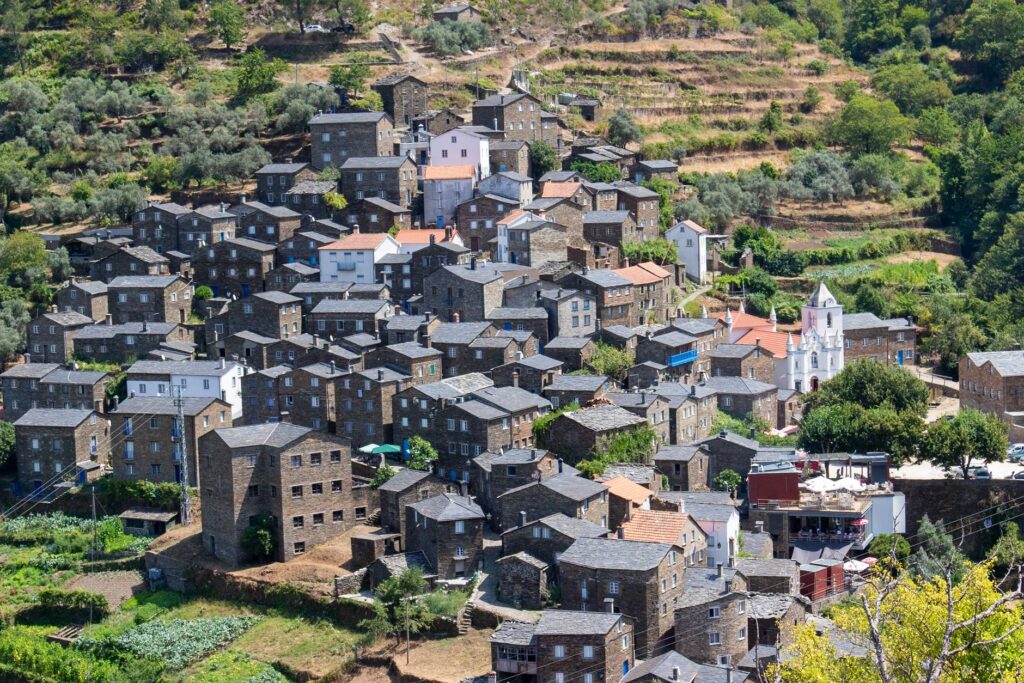
Local tip: When exploring mountain villages in the Sierra de Béjar such as Candelario or Montemayor del Río, ask at small local bakeries for almond and lard pastries crafted according to ancient convent recipes.
The Echo of Laurel in Memory
As evening falls, when the last solar rays slide across slate roofs and the golden stone acquires a melancholic tone, the city seems to gather in respectful silence. In private kitchens and small historic quarter taverns, the subtle smoke of chimneys blends the aroma of oak firewood with the persistent memory of laurel and stewed meat. It is in that moment that travel ceases to be a mere geographic displacement and transforms into an intimate experience enduring in memory.
Understanding this territory implies accepting that time does not pass in vain over its traditions, but rather enriches them, endowing them with a patina of authenticity unreachable for mass tourism circuits. True contemporary luxury lies in the capacity to pause and savor the authentic, in listening to the unhurried voice guarding ancestral knowledge and in sharing, around an unpretentious table, the living memory of a land sculpted by stone, wind, and patience.