
The Sea of Olive Trees Embracing the Renaissance
Arriving in the province of Jaén means crossing miles of rolling hills covered in olive groves, one of the most extensive agricultural landscapes in Europe. Right in the middle of this sea of green, just six miles apart from each other, stand Baeza and Úbeda. Both cities hold UNESCO World Heritage status, preserving streets and facades that keep the monumental layout of the 16th century almost intact. While most travelers concentrate their routes on Seville, Granada, or Córdoba, this corner of Jaén remains in a more discreet plane, rewarding visitors with an authenticity hard to find in major tourist capitals.
This territory is not just stone and history; it is also the global epicenter of olive oil production. Here, the cultural landscape of the olive groves defines the economy, diet, and character of its inhabitants. Delving into Úbeda and Baeza implies understanding that extra virgin olive oil is not a simple condiment, but the guiding thread of a millennial culture expressed strongly in local kitchens, markets, and traditional mills.
Baeza: Golden Stone and Silent Poetry
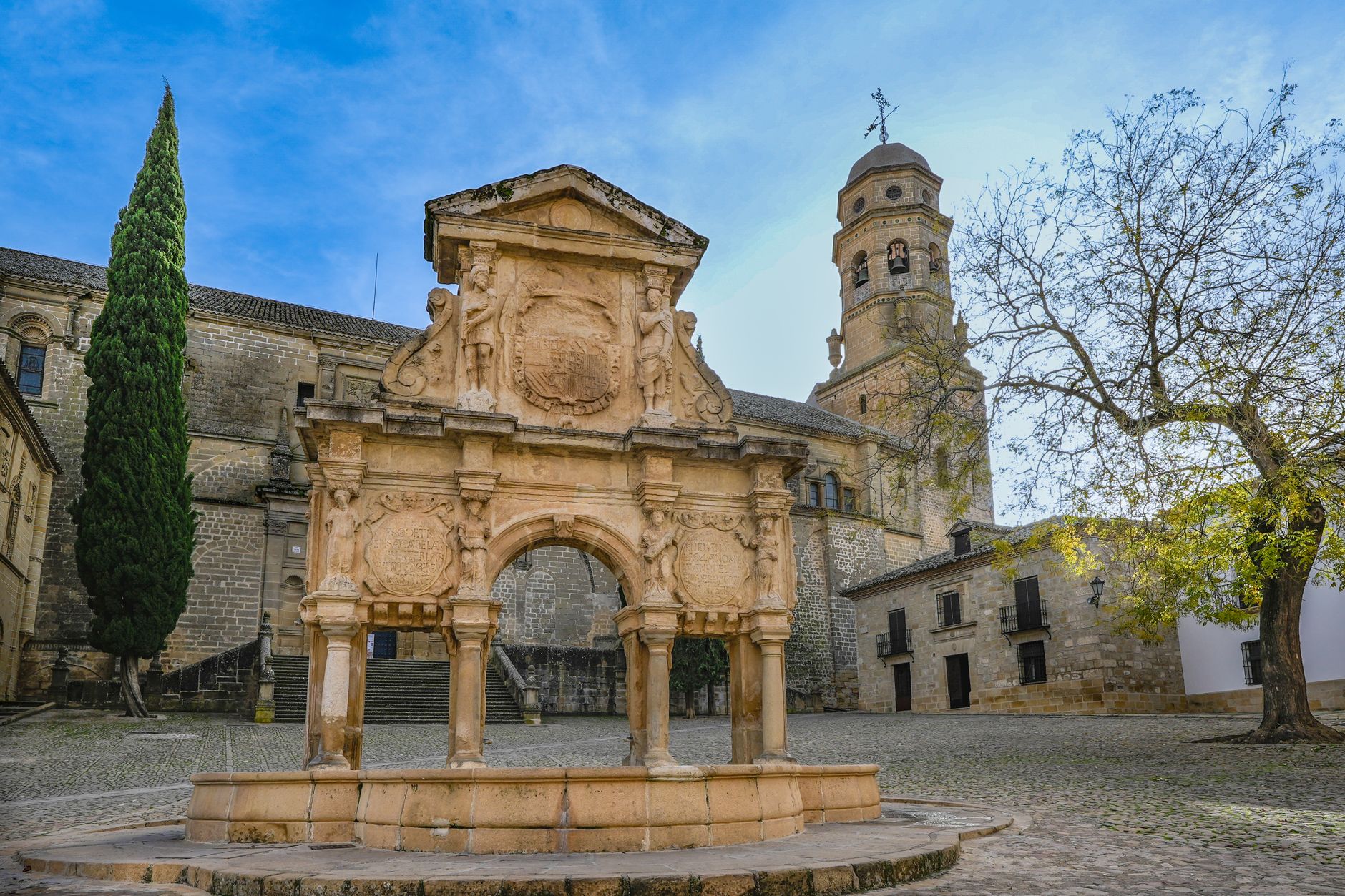
The first stop on this route, Baeza, surprises visitors with its quiet atmosphere and the harmony of its civil and religious architecture. Its sandstone streets shine with ochre tones under the morning light, inviting travelers to wander without a fixed destination. The heart of the city is Santa María Square, home to the Cathedral of the Nativity of Our Lady, a temple that blends late Gothic and Renaissance styles under the guidance of architects like Andrés de Vandelvira.
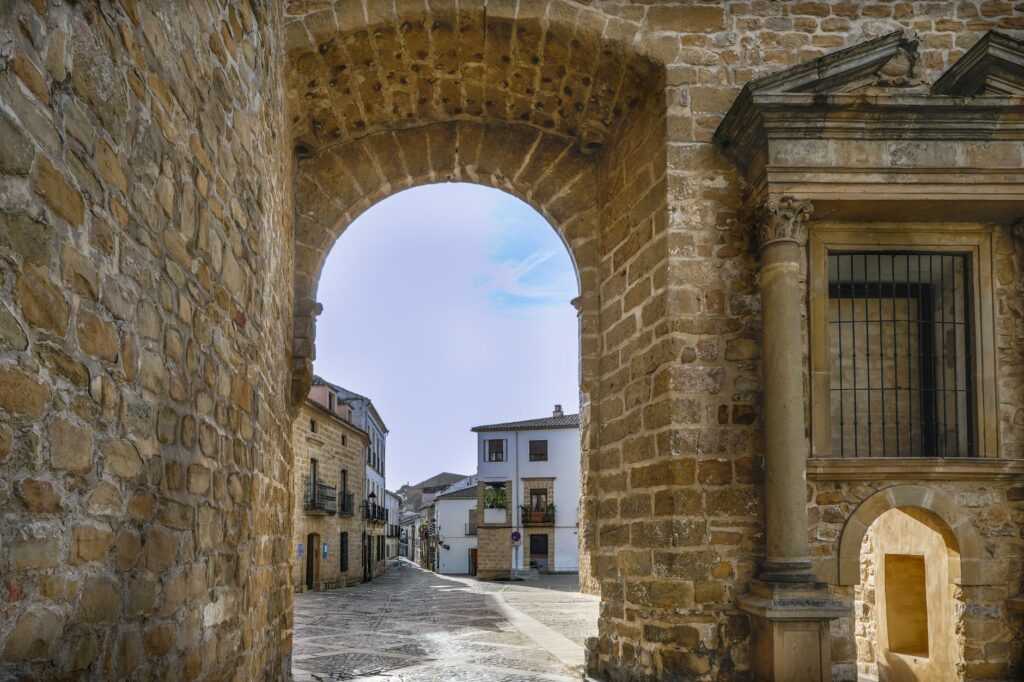
Walking through Baeza also means retracing the steps of poets like Antonio Machado, who worked as a French professor at the local high school for years. His imprint remains alive in corners like the former Seminary of San Felipe Neri and the viewpoints opening up toward the Guadalquivir valley. The city encourages leisurely contemplation, far from the hustle and bustle, allowing visitors to appreciate the subtle beauty of its noble palaces and historic fountains.
Úbeda: The Pinnacle of Andalusian Civil Renaissance
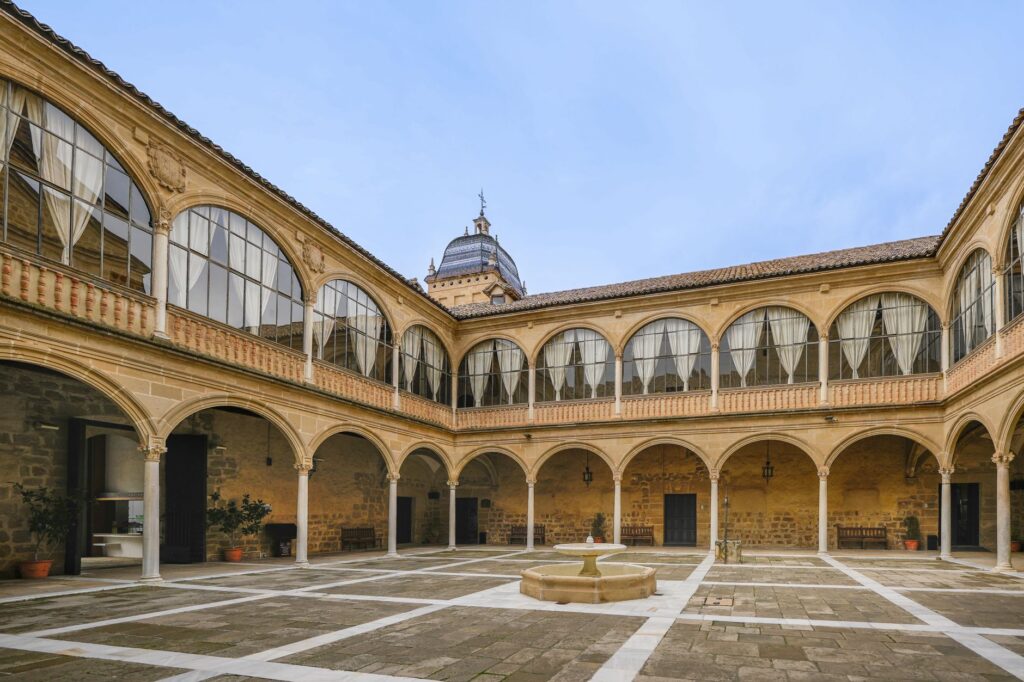
Just a short drive away, Úbeda presents itself with a more monumental and stately scale. While Baeza stands out for its episcopal intimacy, Úbeda displays its power in the emblematic Vázquez de Molina Square. This space is considered one of the purest Renaissance architectural sets in Europe, flanked by the Sacred Chapel of El Salvador, the Deán Ortega Palace, and the Palace of the Chains.
The Chapel of El Salvador, commissioned by Francisco de los Cobos, secretary to Emperor Charles V, is a true sculptural and architectural masterpiece. Its stone-carved facade resembles an open-air altarpiece. Walking inside, light filters through stained glass windows illuminating a space designed for the eternal rest of the Renaissance elite, reflecting the political and artistic ambition of the era.
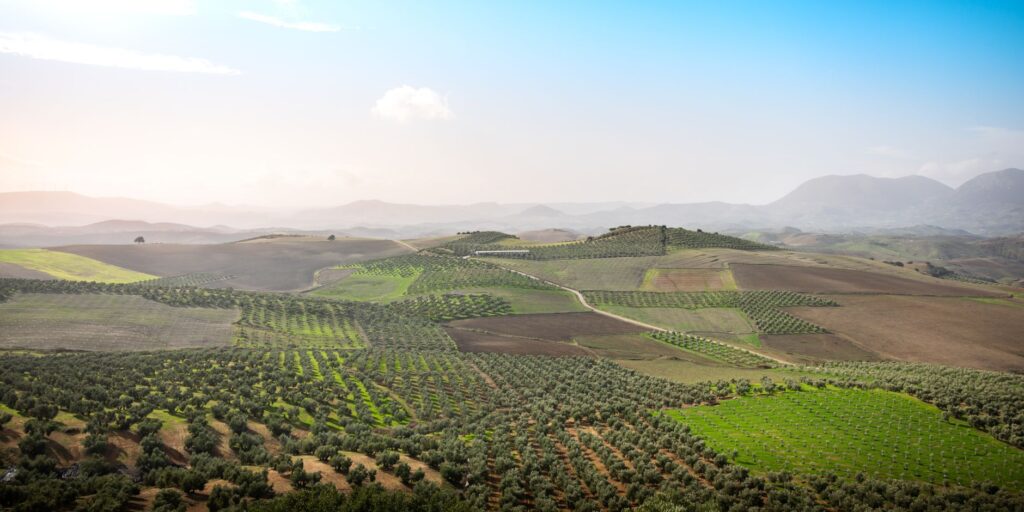
Traveling through Jaén without stopping to taste its early-harvest olive oil is like reading a book while omitting its fundamental chapter.
Liquid Gold: Culture and Tasting of Jaén’s Olive Oil
It is impossible to understand the identity of Úbeda and Baeza without exploring the culture of the olive grove. The province of Jaén produces around twenty percent of the world’s olive oil, and much of its excellence rests on early-harvest oils extracted during the first weeks of October. During the visit, local mills offer tasting experiences where visitors learn to differentiate intense fruitiness, balanced bitterness, and elegant pungency.
Experts recommend professional tastings to understand that a good extra virgin oil holds nuances reminiscent of fresh grass, fig leaves, or green almonds. This healthy fat permeates every traditional dish, from stews to game meats, elevating local cuisine to a superior category based on the purity of local products.
Tradition in the Kitchen: Hunter Stews and Legumes
The gastronomy of these lands responds to the harshness of the continental climate and agricultural and hunting traditions. In the taverns and restaurants of both towns, spoon dishes prepared with patience and local ingredients predominate. Traditional preparations include andrajos —a stew made with flour flatbreads and hare, rabbit, or cod—, summer pipirrana salads, and mountain game meats.
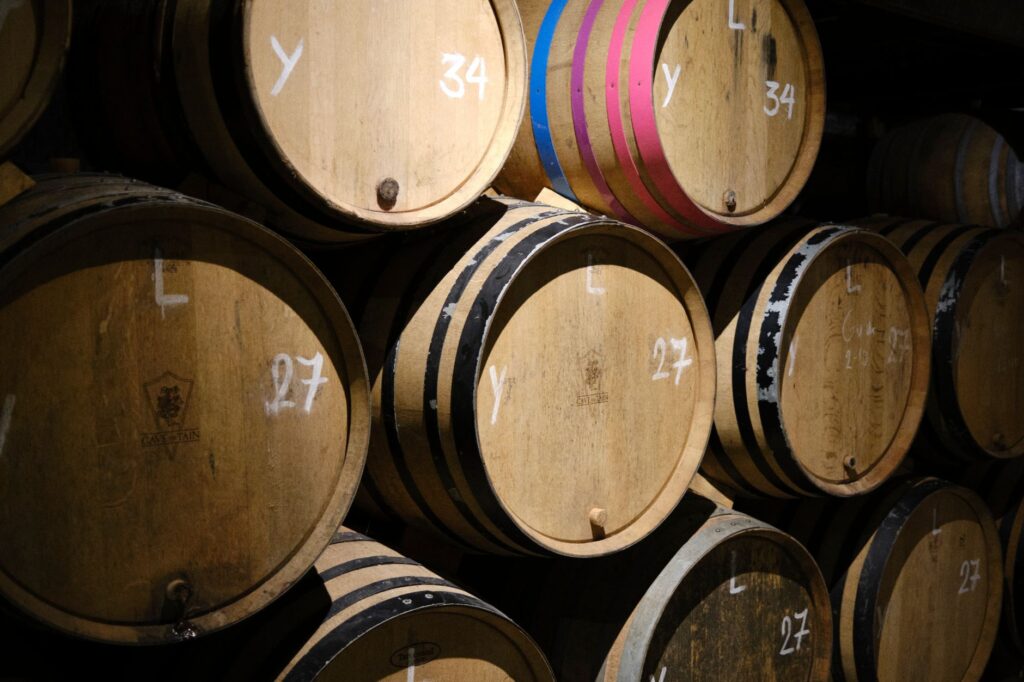
Local food markets remain the daily pulse where local chefs and families supply their kitchens. There, visitors can find garden vegetables, cured meats from the Segura mountains, and the characteristic ochíos, an anise-flavored bread brushed with paprika and oil that accompanies both breakfasts and appetizers. Every bite connects directly with the rural roots of Andalusia.
Contemporary Cuisine Reinterprets Jaén’s Recipe Book
Far from remaining anchored in tradition, Úbeda and Baeza are experiencing a culinary resurgence thanks to young chefs who reinterpret classic recipes with cutting-edge techniques. Renowned restaurants in specialized guides prove that Jaén cuisine can remain sophisticated without losing its popular soul, using EVAO as the guiding thread for memorable tasting menus.
This gastronomic evolution attracts curious travelers seeking honest culinary experiences. Local cooks work hand in hand with farmers and local producers to ensure every ingredient tells a story of sustainability and respect for the territory, consolidating the region as a top-tier gastronomic destination.
Defensive Architecture and Alleys with Memory
Beyond the monumental squares, the urban fabric of both cities is a labyrinth of cobblestone alleys, manor houses with noble crests, and cloistered convents where handmade sweets are still crafted. In Baeza, the ancient city wall and gates, such as Jaén or Baeza gates, remind visitors of its strategic frontier past during the Reconquista.
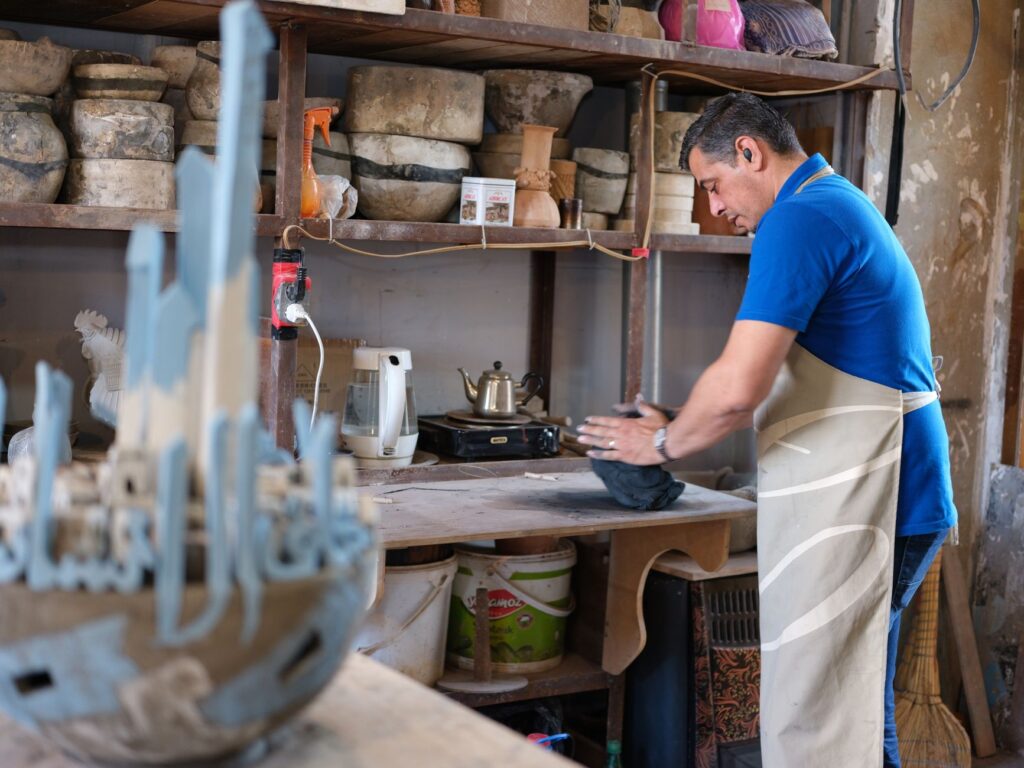
In Úbeda, historic neighborhoods like Alfarería house traditional workshops where artisans continue working with green and honey-colored ceramics, a craft passed down from generation to generation. Walking through these neighborhoods allows travelers to connect with the most human and everyday side of a hardworking, artistic Andalusia deeply proud of its historical legacy.
The unhurried rhythm of these streets invites travelers to lose track of time, discovering interior patios full of flowers and corners where history seems to whisper from stone walls.
Practical guide
- How to get there: The nearest airport is Granada, about 80 miles away, though many travelers arrive by car from Madrid, Seville, or Málaga via the A-4 highway.
- Best time to visit: Spring and autumn offer optimal temperatures for walking. October and November coincide with the olive harvest season and new oil tastings.
- Getting around: Baeza and Úbeda are connected by a regular bus line, but having a rental car makes it easier to explore surrounding olive groves and mills.
- Accommodation: Both towns offer hotel options in converted former palaces and historic convents, alongside rural houses in the surrounding countryside.
- Essential gastronomy: Try andrajos, early-harvest extra virgin olive oil, ochíos, and local stews.
The Invisible Heartbeat of Ancient Olive Trees
When the sun begins to set over the sea of olive trees, the golden stone of Úbeda and Baeza takes on a copper tone that overwhelms the senses. In that evening silence, when weekend tour groups have already departed, both cities recover their intimate and real pulse. Sitting on a bench in Vázquez de Molina Square or watching the mist over the Guadalquivir valley from Antonio Machado Promenade summarizes the essence of a journey that transcends mere monumental tourism.
This Jaén territory proves that Andalusia’s true wealth often resides in its less publicized treasures. Among ancient trees and silent alleys, the traveler discovers a destination that does not seek to please modern haste, but rather offers a profound pause, a sincere encounter with heritage, land, and stopped time.
Source in EN: Alan x el Mundo