
Contemporary nomadism is frequently marketed as an idyllic succession of postcards against panoramic screens, but the operational reality of relocating one’s entire life every thirty days demands a very specific cartographic and psychological discipline. For a full year, I traded the stability of a fixed address for an uninterrupted rotation of temporary dwellings across the United States, stretching from the wooded foothills of the Appalachians to the arid mesas of Arizona, and from the historic neighborhoods of Nashville to the leafy suburbs of Flagstaff. This report is not a guide to budget tourist deals, but a deep dissection of how self-managed accommodation redefines our relationship with territory, domestic architecture, and contemporary hospitality in North America.
Living in temporary rentals for a full seasonal cycle forces one to shed the mindset of the seasonal tourist and adopt the perspective of the provisional resident. The promises of digital portals quickly collide with the prosaic reality of dripping faucets, unstable internet connections, and the micro-geography of North American neighborhoods, where a lack of sidewalks can isolate you just as effectively as a mountain snowstorm. Through this journey, my goal was to understand the invisible patterns that separate a functional sanctuary from an aesthetic trap designed solely for digital photography.
The Hidden Geography of Selection: Beyond the Photographic Filter
The first major lesson of this twelve-month journey lies in the absolute insufficiency of promotional images. Search algorithms prioritize the visual novelty factor, rewarding hyper-decorated interiors with warm lighting and artificial plants while deliberately concealing the true, critical variables of habitability: solar orientation, proximity to high-speed thoroughfares, or party-wall acoustics.
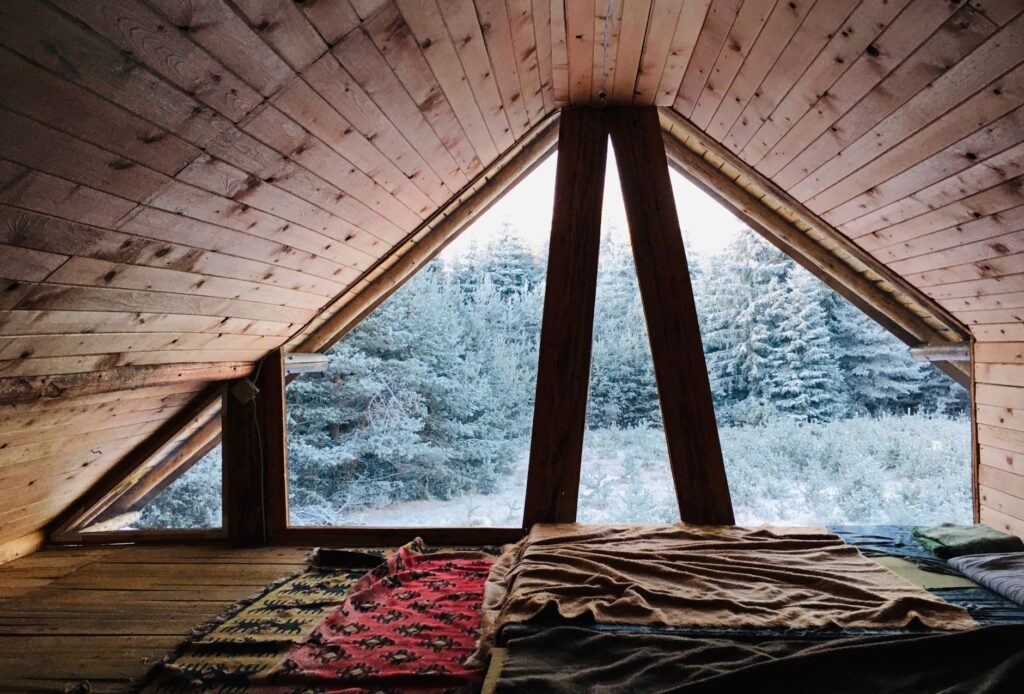
In cities like Flagstaff, where alpine architecture blends with intense university activity, the charm of a log cabin can vanish within minutes if it sits beneath the approach path of a forestry airstrip or lacks an adequate perimeter heating system. The perfect location does not exist in the abstract; it is constructed from the confluence between local infrastructure, the purpose of the trip, and personal tolerance for isolation or urban hustle.
The golden rule for the long-term traveler is to distrust superlative adjectives in descriptions and look for technical data: upload and download network speeds, type of thermal insulation, actual walking distance to basic services, and flexible cancellation policies in the face of weather or work contingencies.
The Architecture of Domestic Space on the Road
Each region of the United States imposes its own architectural grammar on rental spaces. In the Deep South, open-plan structures with double-height ceilings predominate, prioritizing cross-ventilation but penalizing energy efficiency in winter. In the mountainous West, heavy timber construction and large south-facing windows seek to capture daytime solar heat, though they often suffer from poor acoustics due to a scarcity of absorbent textiles on polished pine floors.
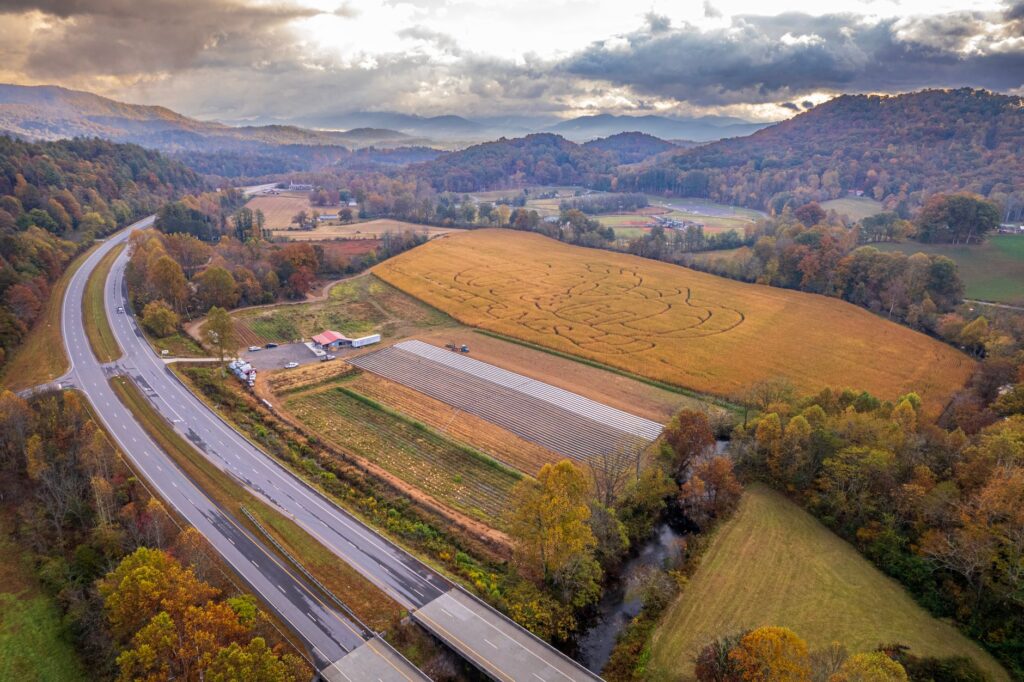
Adapting to these typologies requires constant renegotiation of everyday habits. Working in front of a panoramic window overlooking a wooded canyon is aesthetically unmatched, but if the improvised dining table lacks proper ergonomic support, the physical toll arrives by the third week. Functional comfort must always take precedence over visual impact in remote work spaces.
The rented house is not an inherited home, but an ephemeral stage that demands rapid and respectful temporary colonization by the traveler.
The Human Dimension: Hosts, Neighbors, and Invisible Communities
The human face of the short-term rental industry is as diverse as American demographics. From corporate superhosts operating with the cold precision of a hotel chain to local residents renting the back cabin of their property to supplement pensions diminished by inflation, my experience proved that the success of an extended stay depends directly on the quality of communication with the host during the first forty-eight hours.
In the rural communities of the Appalachians, hospitality acquires a cultural nuance deeply rooted in mutual aid, where a problem with the water pump is resolved by the immediate visit of a neighbor carpenter equipped with tools and advice on local wildlife. In contrast, in metropolitan environments, depersonalization is the norm, and any operational incident is channeled through automated call centers located thousands of miles away.

Infrastructure and Connectivity: The Remote Traveler’s Achilles Heel
Working on the move in the United States exposes the country’s deep digital and infrastructure divides. While urban centers and established suburbs offer ultra-fast fiber optic connections, crossing into mountain valleys or small rural enclaves means confronting saturated satellite networks or obsolete cable connections that collapse at the first summer thunderstorm.
During my stay in a wooded area of Arizona, a failure in the local infrastructure left me disconnected for five days, forcing me to completely redesign my work schedule and seek daytime refuge in public libraries and rural coffee shops. This type of contingency underscores the imperative need for redundant mobile data plans and backup devices before embarking on extended stays outside major urban axes.
Sustainability and Local Impact in Vulnerable Communities
The boom of short-term rentals in high-demand scenic areas has generated deep socioeconomic tensions in numerous American communities. In small towns and university cities, the proliferation of housing destined for temporary tourism drastically increases the housing market for permanent residents, displacing essential workers and altering the traditional social fabric.
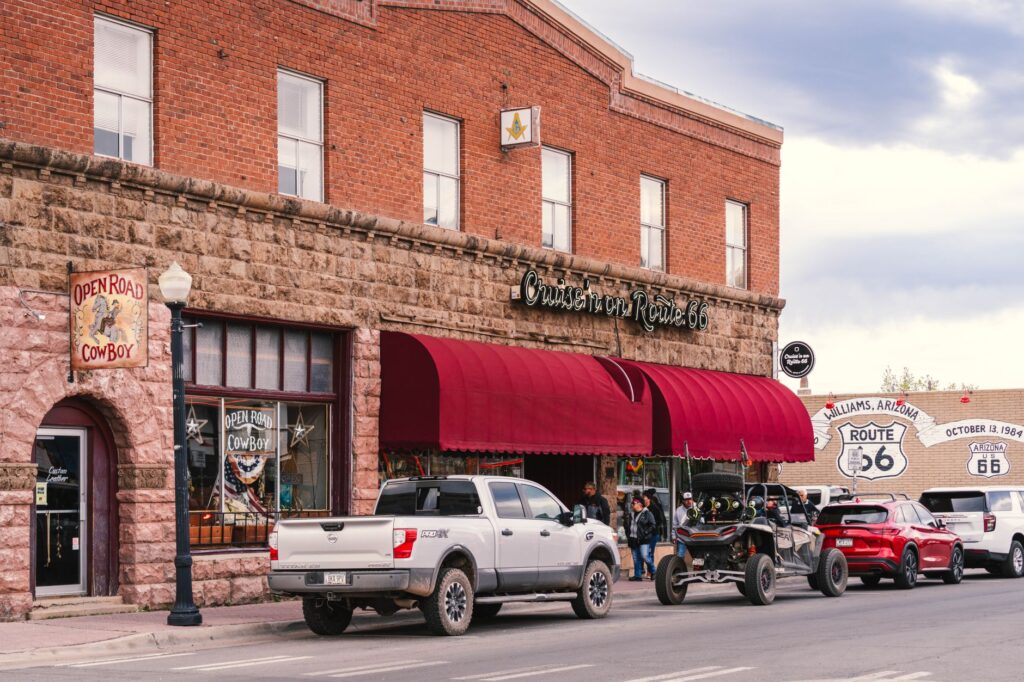
Mindful of this reality, my approach throughout the year consisted of prioritizing those accommodations managed by local owners who usually reside in the region, consuming in local markets and shops, and minimizing the ecological footprint through the rational use of water and energy resources, which are especially critical in Western states affected by chronic droughts.
The Rhythm of the Seasons: From Urban Heat to Alpine Cold
Modifying one’s environment every thirty days also means experiencing firsthand the brutal climatic variability of the North American continent. Shifting from the humid, dense heat of summers in Tennessee to the dry, freezing air of early snowfalls in the Arizona highlands demands considerable logistical versatility in terms of personal equipment and physiological adaptation.
Constant moving eliminates the illusion of permanence and sharpens the sensory perception of the passage of time. Fallen leaves on wooden porches, the shift in morning light angles on living room walls, and the sound of wind filtering through window frames become the true temporal milestones of a year measured in rentals rather than traditional calendar months.

Practical guide
How to plan extended stays in vacation rentals across the United States:
- Platform selection: Use advanced filters to discard properties without long-term reviews and prioritize those with experienced host badges.
- Connectivity audit: Always request written internet speed tests before confirming reservations longer than two weeks.
- Supply logistics: Plan for the purchase of basic kitchenware and cleaning products, as the initial supply in many rentals is strictly symbolic.
- Insurance and coverage: Purchase liability and cancellation policies that specifically cover interruptions due to extreme weather events.
- Neighborhood relations: Briefly introduce yourself to permanent neighbors upon arrival; their goodwill is the best antidote against misunderstandings and operational emergencies.
Final Reflection on the Provisional Home
After concluding this marathon of temporary housing, the traditional notion of home undergoes a radical transformation. Home ceases to be a fixed postal address or an accumulation of personal belongings, becoming instead an acquired capacity: the aptitude to inhabit lightly, recognize the ephemeral beauty of an unfamiliar environment, and find operational order amidst constant relocation. The road and magnetic keys taught me that the true wealth of travel does not lie in the luxury of the walls that shelter us, but in the intact curiosity with which we open every door for the very first time.
Source in EN: Condé Nast Traveler