
The skyline of Torrevieja is not defined by skyscrapers or jagged cliffs, but rather by gleaming white mountains of marine salt that reflect the relentless sun of Spain’s southeastern coast. As part of World Tourism Day celebrations, the Alicante town has rolled out a comprehensive programme designed to reconcile its reputation as a sun-and-beach destination with the urgent valorization of its extraordinary natural heritage. The pink and green lagoons of La Mata and Torrevieja are not merely an exceptional scenic backdrop; they form the beating heart of a Natural Park facing the pressing challenge of sustainability in an era of mass tourism.
This report examines how a locality historically bound to the salt industry and mass residential tourism is rethinking its future through culture, science, and environmental protection. Over the following sections, we will analyze the delicate balance between conserving these hyper-saline wetlands and attracting travelers who seek authentic experiences beyond the traditional summer postcard, exploring working-class history, salt-adapted biodiversity, and local initiatives aimed at redefining twenty-first-century tourism.
The Pink Geography of the Lagoons: Science and Landscape in the Southeast
The Natural Park of the Lagoons of La Mata and Torrevieja spans more than three thousand six hundred hectares, where water takes on impossible hues ranging from bubblegum pink to emerald green. Far from being a mere aesthetic whim, this visual phenomenon stems from high salt concentrations and the presence of halophilic microorganisms such as the microalga Dunaliella salina and the bacterium Halobacterium. These organisms synthesize carotenoid pigments to shield themselves against extreme solar radiation, imparting a color that fascinates scientists and photographers alike.
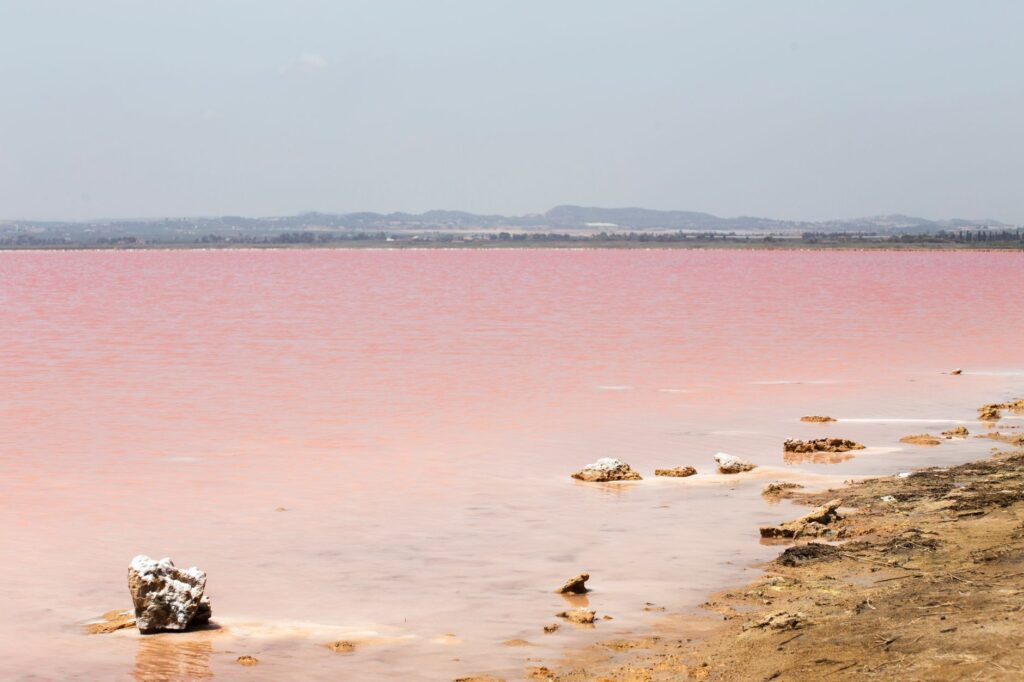
Historically, these endorheic depressions have functioned as natural evaporation basins for sodium chloride extraction—an activity documented since the Middle Ages and transformed into an industrial engine during the nineteenth and twentieth centuries. Today, extraction remains active through companies that continue to harvest tons of salt using methods that partially respect the ecological cycles of the environment. Nonetheless, the surge in visitors necessitates tighter access controls and the demarcation of inviolable buffer zones to prevent the degradation of lagoon margins.
Extreme Biodiversity: Birds and Flora Adapted to Chloride
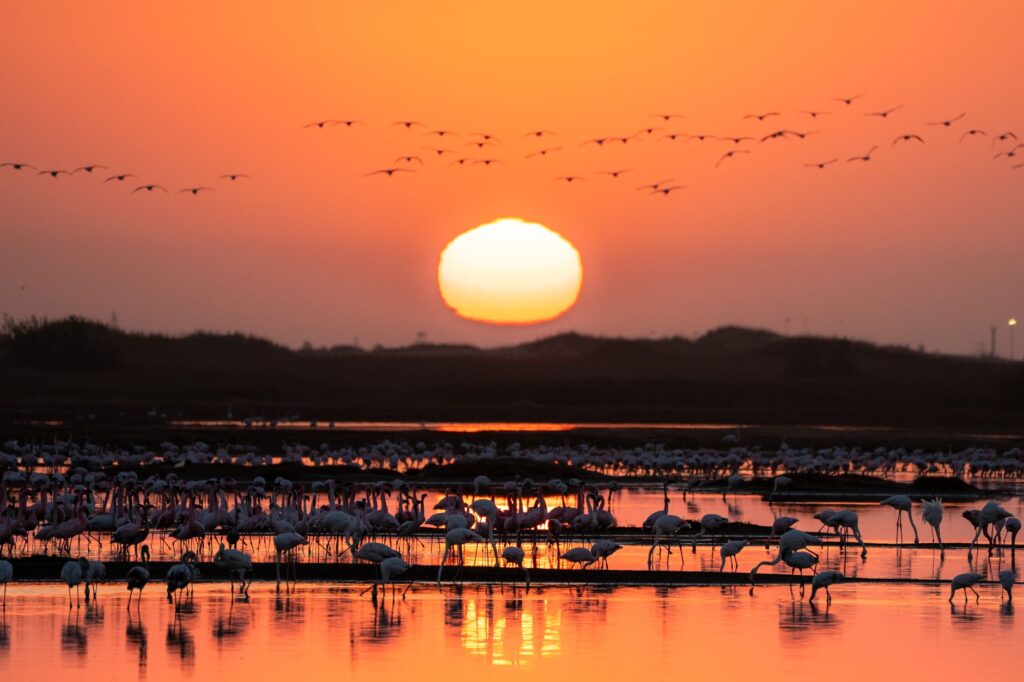
Enduring salinity levels higher than those of the Mediterranean Sea requires extraordinary biological adaptations. Far from being a barren wasteland, the Natural Park supports birdlife of international significance. During migration and wintering periods, the sheet of water throngs with greater flamingos (Phoenicopterus roseus), black-winged stilts, pied avocets, and marbled ducks. The flamingo, the undisputed icon of these wetlands, relies on the abundance of small crustaceans such as Artemia salina as its primary food source and the origin of its distinctive pink plumage.
Along the shores, halophilic vegetation displays a fascinating botanical catalogue comprising species such as glasswort, sea lavender, and various chenopods capable of accumulating salt in their tissues without cellular collapse. This fragile plant cover acts as a protective shield against wind erosion while offering refuge to reptiles and small mammals adapted to freshwater scarcity. Preserving these habitats demands rigorous control over diffuse pollution stemming from intensive agriculture and surrounding urban pressure.
The Memory of Salt: Industrial Heritage and Working-Class Culture
Understanding Torrevieja without its salt-mining past is an incomplete endeavor. Salt is not merely an economic resource; it is the foundational cement binding generations of men and women who labored on piers, salt evaporation pans, and cargo ships. Traditional wooden loading docks, warehouses, and old railway tracks that once hauled the mineral constitute an industrial heritage that the municipality strives to rescue from oblivion through interpretive trails and visitor centers.
Torrevieja’s popular culture breathes this legacy into its renowned habaneras—sailors’ songs brought back from overseas trade with Cuba—and in local gastronomy, where salt-crusted fish and maritime rice dishes acquire a distinct territorial dimension. This year’s World Tourism Day celebrations integrated guided tours of former extraction facilities and photographic exhibitions documenting the hardship and beauty of the salinero trade, connecting contemporary tourists with the human roots of the landscape.
Salt is Torrevieja’s geological and human archive; every crystal preserves the memory of labor and the quiet patience of the Mediterranean sun.
Mass Tourism Versus the Fragility of the Wetland
The demographic boom of the Costa Blanca has radically transformed Torrevieja’s coastline, turning it into a multicultural city shared by residents of over a hundred nationalities. This cosmopolitan appeal, however, places intense seasonal pressure on water resources and protected natural areas. During the summer months, tourist influxes triple the registered population, straining municipal infrastructure and sanitation systems.
Faced with this scenario, local administrations and conservation groups are actively debating the need to implement more restrictive tourism management models. Proposals include limiting motor vehicles within park perimeters, establishing peripheral park-and-ride lots, and promoting cycle tourism. Educational events organized during World Tourism Day seek to raise awareness among both international visitors and local residents regarding the vulnerability of an ecosystem that cannot endure limitless use without compromising its long-term survival.
Environmental Education and Citizen Participation as Tools for the Future
Awareness is the vital first step toward effective conservation. In recent years, schools and conservation associations in Torrevieja have intensified environmental education programs, involving young people in native flora reforestation tasks and waterbird census monitoring. These grassroots initiatives demonstrate a growing societal demand for tourism alternatives grounded in deep respect and environmental understanding.
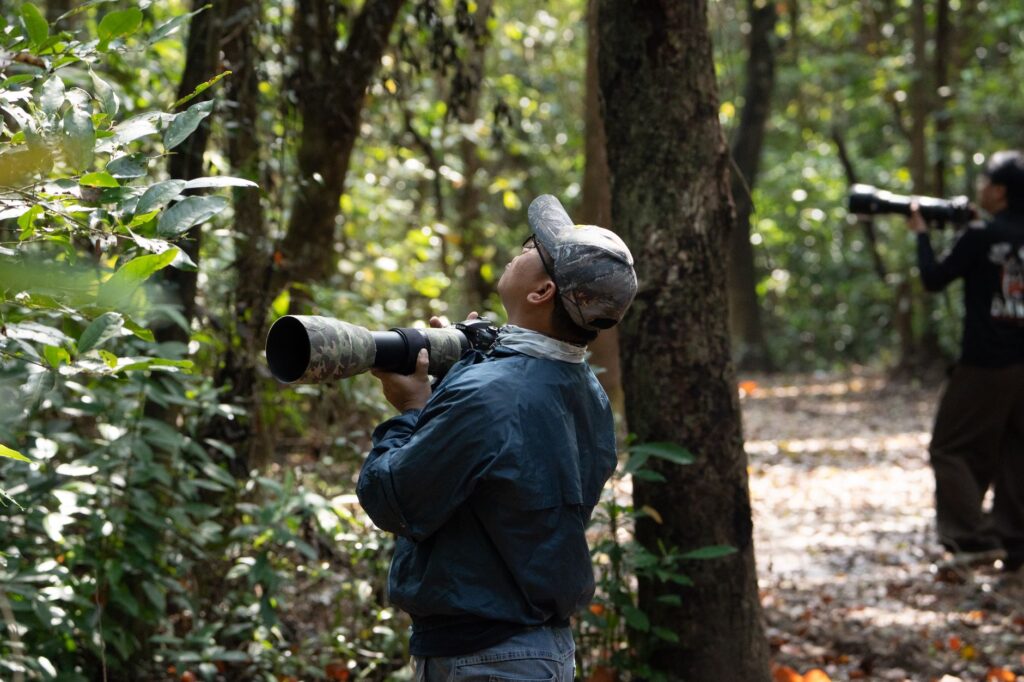
The World Tourism Day program featured open workshops on nature photography, ornithological routes led by biologists, and lectures on climate change and its specific impact on eastern Spain’s coastal wetlands. These actions aim to transform passive tourists into active conservation agents capable of appreciating the ecological complexity of an environment that extends far beyond the traditional sun-and-sea offering.
Practical guide
How to get there: Torrevieja is located in the south of Alicante province, roughly a 45-minute drive from Alicante-Elche Airport (ALC) via the A-7 highway and the N-332 road. Regular bus connections are also available from Alicante, Murcia, and Valencia.
When to visit: Spring (March to May) and autumn (September to November) offer the most pleasant temperatures for exploring the Natural Park and enjoying birdwatching without the intense summer heat.
Where to get information: The Visitor Center of the Natural Park of the Lagoons of La Mata and Torrevieja provides maps, exhibitions, and advice on authorized routes. Checking updated opening hours prior to planning your trip is strongly advised.
Visitor rules: Swimming in the lagoons is strictly prohibited to safeguard flora and fauna, as is straying from marked trails or littering. Binoculars and telephoto cameras are highly recommended for respectful wildlife observation.

Accommodation and gastronomy: Hotel and alternative lodging options are abundant in the urban center. For a more sustainable experience, rural accommodations in inland hamlets can be explored alongside traditional dishes such as tuna stew or rice with crust at local restaurants committed to zero-kilometer sourcing.
Final Reflection Beneath the Salt Sky
Contemplating the sunset over Torrevieja’s pink lagoon invites a necessary pause within the breakneck pace of contemporary travel. At that fleeting moment when the water assumes violet tones and flamingos take flight toward their roosts, the tension between economic development and ecological preservation temporarily dissolves, giving way to pure contemplation. The extreme salinity that names and shapes this landscape is also a metaphor for its resilience: a reminder that natural beauty, however fragile and battered by human pressure, retains an innate capacity for wonder and regeneration if granted the time and respect it deserves.
Protecting the salt lagoons of the Costa Blanca is not an exercise in environmental nostalgia, but an essential investment to secure the habitability and soul of the territory.
Source in EN: Todo Alicante (https://news.google.com/rss/articles/CBMimAFBVV95cUxOYVpfSjU4WE1iVTFiaXdOTzBoZVpjWm1hYjNqR1NhR2NjX05wVFQwNlNWTVg1RENUMFd4QTRWel9PeUhfWmV4aFlRYmxLdFN4SVV5cXByNldsaDJGTlNsdEpCaWsxbFlwXzE4dUJ3aDk3aVNiYmtTWVdDbzJmRWRLRi1yX3NCck82V0VSX09nd2VHeERJLWIyWNIBmAFBVV95cUxOYVpfSjU4WE1iVTFiaXdOTzBoZVpjWm1hYjNqR1NhR2NjX05wVFQwNlNWTVg1RENUMFd4QTRWel9PeUhfWmV4aFlRYmxLdFN4SVV5cXByNldsaDJGTlNsdEpCaWsxbFlwXzE4dUJ3aDk3aVNiYmtTWVdDbzJmRWRLRi1yX3NCck82V0VSX09nd2VHeERJLWIyWA?oc=5)