

Contemporary travel relies fundamentally on the premise of minimal friction. Landing in a foreign destination no longer involves endless queues for physical maps, deciphering wrinkled paper taxi rates, or waiting for a weary waiter to bring a tattered menu. Today, a simple gesture with a mobile phone camera unlocks urban transit systems, reveals dining options on lamplit terraces, and accesses museum guides within seconds. However, this invisible hyperconnectivity has opened a security gap that travelers rarely anticipate: digital identity spoofing through two-dimensional codes.
Known in cybersecurity circles as quishing—a neologism fusing QR and phishing—this criminal method preys on the blind trust users place in graphic technology. Unlike a suspicious email link where a web address often betrays the fraud, a code printed on a physical medium conveys a false sense of institutional or commercial authenticity. In the following sections, we analyze how this global threat operates, the protocols fraudsters follow, and above all, how the cautious traveler can safeguard their journey without sacrificing the benefits of digitization.
The Omnipresence of the Square Code and the Loss of Suspicion
Over the past decade, QR codes transitioned from marginal technological curiosities to become the connective tissue of worldwide tourism infrastructure. Their mass adoption accelerated exponentially following the global health crisis, when hospitality venues and public administrations sought zero-contact solutions. Since then, travelers have trained a conditioned reflex: seeing a box of dots and corner markers, they raise their device and accept the automatic redirect to a web page.
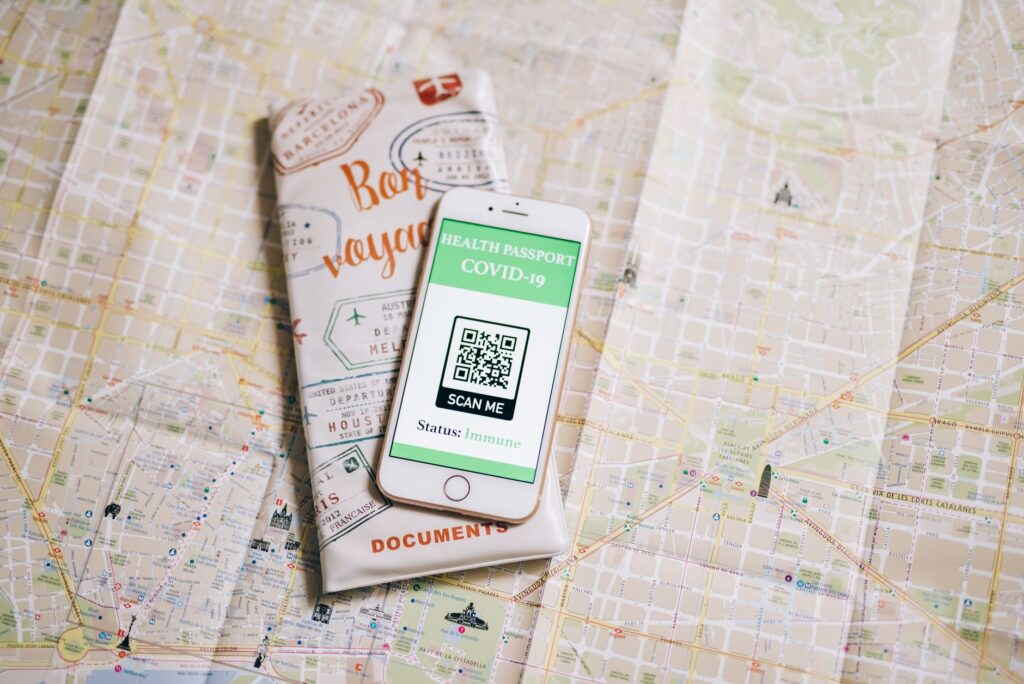
Cybercriminals have perfectly understood this shift in human behavior. Travelers typically experience a state of mild cognitive vulnerability—jet lag, language barriers, and sensory overload diminish critical analytical capacity. When faced with an immediate logistical need, such as paying for a parking meter on an unfamiliar street, checking a ferry schedule, or scanning a café menu after a long walk, the brain prioritizes speed. It is precisely within that window of impatience that digital fraud deploys its efficacy.
Anatomy of the Deception: How Quishing Operates in Transit Environments
The criminal mechanism is as simple in execution as it is devastating in consequence. In its most common form, scammers print high-quality adhesive stickers that perfectly mimic the visual identity of public transport companies, municipal parking meters, or hotel chains. Subsequently, they replace the legitimate codes found at bus stops, train stations, or restaurant tables with these seamlessly aligned fakes.
When a traveler scans the forged print, the phone’s operating system processes a malicious URL masquerading as the official payment gateway of the transport company or the hotel booking portal. By entering credit card details to pay for a three-euro subway ticket or a minor tourist tax, the victim unknowingly hands over complete banking credentials to an international fraud ring. Within seconds, fraudulent charges begin to accumulate while the traveler continues on toward the next monument.

The modern traveler’s greatest vulnerability is not technological ignorance, but rather the urgency to simplify their relationship with an unfamiliar environment.
Digital security experts note that this type of attack transcends direct monetary theft. Many of these fake pages are engineered to download trojan-style software onto the mobile device, allowing attackers to intercept text messages, two-factor authentication codes, and even access instant messaging applications and email accounts associated with the terminal.
The Geographical Factor: Stations, Airports, and High-Turnover Zones
Nerve centers of international tourism concentrate the highest percentage of incidents involving manipulated QR codes. Airports, intermodal railway stations, and cruise terminals are ideal environments for offenders due to the constant rotation of visitors. In these spaces, the rush to find the correct platform or the need to connect to public Wi-Fi generates a breeding ground for distraction.
A recurrently documented case by consumer protection agencies in Europe and North America involves ticket vending machines and street parking meters. Fraudsters place stickers with legends suggesting that the physical machine is out of service and that payment must be made using an alternative QR printed on the housing. The user, reassured by the presence of falsified institutional logos, scans the code and accesses a gateway identical to the real one.

The visual sophistication of these counterfeits has reached alarming levels. Criminals use advanced graphic design tools to replicate typography, corporate colors, and apparent security certificates. Often, the only perceptible difference lies in the final URL appearing in the phone’s navigation bar before accepting payment—a technical detail that ninety percent of users overlook while walking toward the turnstile.
The Industry Perspective: Institutional Responses and Legal Loopholes
Faced with escalating reports, transportation authorities and tourism operator associations have begun implementing countermeasures, though the decentralized nature of physical supports hinders total eradication. Railway companies in major capitals have replaced adhesive stickers with direct laser engravings on metal or digital screens protected by anti-theft glass in their busiest terminals.
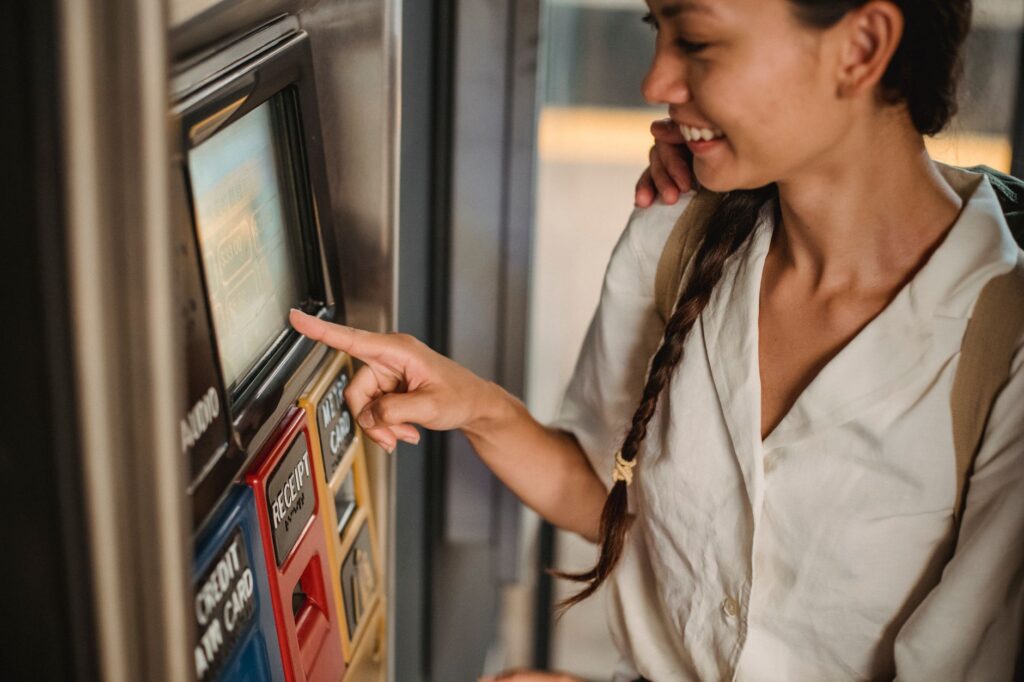
However, international regulation regarding safety in static signage presents significant legal loopholes. While traditional computer fraud has consolidated criminal frameworks, the physical manipulation of supports in public spaces is often classified simply as vandalism or property damage, minimizing the perceived severity of the underlying crime. Consumer organizations insist that responsibility is shared between commercial operators, required to regularly audit their facilities, and the digital literacy of the traveler.
Cybersecurity bodies remind the public that no legitimate public service in transportation or hospitality will ever demand the use of unverified payment apps or redirect to external gateways that do not use recognized official domains of public administrations or consolidated corporations.
Practical guide
To navigate safely through international environments and minimize the risk of falling for QR code scams, experts strictly recommend following these prevention and verification protocols:

- Beware of overlapping supports: Always inspect whether the QR code is printed directly on the original sign material or if it is an adhesive sticker subsequently placed on top.
- Inspect the preview URL: Your mobile phone usually shows a preview of the web address before opening it. Verify that the domain matches the official entity’s exact address (for example, avoiding strange extensions or typos in the brand name).
- Use apps with a secure scanner: Configure your camera or use specific QR code readers that offer a prior visual warning instead of opening links automatically and instantly.
- Favor official channels for transactions: If you need to pay a transport fee, a parking meter, or a restaurant menu, download the official app directly from your device’s app store (App Store or Google Play) or request a physical paper menu.
- Disable payment password autosave: Avoid storing credit cards in mobile browsers that could be compromised via malicious redirects.
- Watch public Wi-Fi networks: Avoid performing banking operations or entering sensitive credentials when connecting to open wireless networks in airports and stations without the backing of a virtual private network (VPN).
- Verify contact details: If in doubt about the authenticity of a charge at an establishment, contact authorized staff or physical ticket windows to handle the transaction through traditional means.
The Human Factor and Traveler Resilience in the Digital Ecosystem
The digitization of travel has brought undeniable agility to our way of exploring the planet, but it has also transformed the street into a space of constant preventive surveillance. The risk associated with quishing should not lead to useless paranoia or the systematic rejection of technology, but rather to the adoption of a mature and conscious attitude. Traveling with open eyes means understanding that convenience and safety rarely walk hand-in-hand without proper critical supervision by the user.
Ultimately, the traveler’s best defense remains patience. Pausing for a second before tapping the screen, doubting what seems too convenient, and remembering that traditional methods of human interaction—asking, verifying at the ticket counter, demanding physical support—continue to be perfectly valid navigation tools. In a world where every physical corner is susceptible to digital replication, regaining control over our own steps is the most necessary act of adventure.
Source: The Planet D: Adventure Travel Blog (https://theplanetd.com/qr-code-travel-scam/)