
Clinging to the limestone cliffs of the Maritime Alps and bathed by the cobalt-blue waters of the Mediterranean, the Principality of Monaco has long cultivated a dual identity. On one hand, the collective imagination retains the indelible postcard of classic glamour: the Casino de Monte-Carlo illuminated under the stars, mega-yachts anchored in Port Hercule, and the distant echo of Formula 1 racing cars roaring around tight corners. On the other hand, a vibrant and densely populated urban reality has recently chosen to defy its own geographical limits through a bold urban transformation. With a surface area of just two square zones, this sovereign territory faces the perpetual challenge of reinventing itself without losing the elegance that has defined it since the era of the Grimaldis.
Today, this evolution is not solely driven by the ostentatious luxury that historically funded its reputation, but by a profound revision of its development model. The arrival of new public spaces reclaimed from the sea, the reinterpretation of its culinary heritage by avant-garde chefs, and the integration of strict ecological criteria are rewriting the experience of visiting and inhabiting this enclave. Far from being an open-air museum for the privileged, Monaco projects itself into the future as a laboratory for sustainable architecture and high-end urban design, proving that even the most exclusive territories can lead the transition toward more conscious tourism and innovative metropolitan management.
Conquering the Sea: Engineering and Sustainability in Mareterra
The most ambitious urban development project of recent decades in the western Mediterranean has a proper name: Mareterra. This new six-hectare ecological district, built entirely on the waters of the Tyrrhenian Sea, represents a paradigmatic shift in the principality’s history. Conceived as a natural extension of the coast, the neighborhood has been designed under rigorous environmental standards that prioritize marine biodiversity, energy efficiency, and landscape integration. Far from traditional concrete blocks, Mareterra incorporates tree-lined pedestrian pathways, protected wetlands for local fauna, and ultra-luxury residences designed by internationally renowned architecture firms such as Renzo Piano Building Workshop and Valode & Pistre.
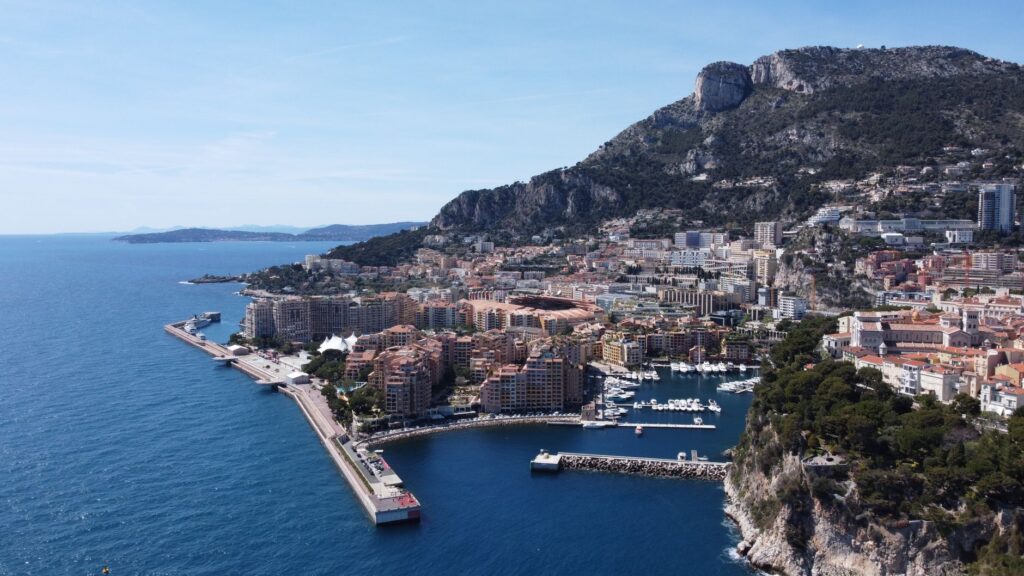
The construction process required a decade of complex civil engineering works, employing reinforced concrete caissons to contain the land reclaimed from the sea while minimizing impact on surrounding marine ecosystems. Public spaces are designed to encourage walking and cycling, relegating private vehicles to the background thanks to underground transport networks and entirely free public elevators connecting the city’s different levels.
“Mareterra is not only a masterpiece of modern engineering, but a statement of intent on how high-density urban planning can coexist in harmony with the marine environment.”
This approach demonstrates that land scarcity is no longer an insurmountable limitation, but rather a catalyst for architectural innovation.
The New Boardwalk and the Transformation of the Coastline
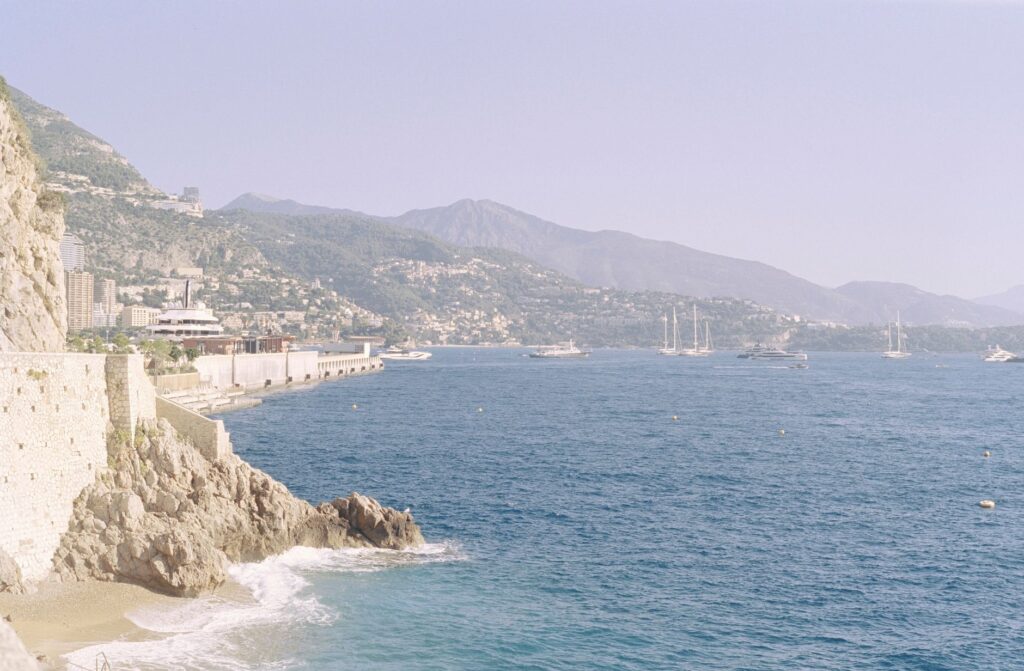
Alongside the creation of Mareterra, the Monegasque coastline has undergone a radical reconfiguration thanks to a boardwalk designed by renowned architects that redesigns the relationship between the city and the water. The former port infrastructure, once dominated by vehicular flows and grey concrete, has been converted into a fluid and diaphanous pedestrian corridor. This new axis connects historic Port Hercule with the Fontvieille area, integrating open plazas, floating terraces, and panoramic viewpoints that offer unprecedented perspectives on the principality’s urban profile.
The design of street furniture and nighttime lighting was entrusted to leading firms seeking to highlight the texture of local stone and native Mediterranean vegetation. Century-old palm trees coexist with drought-tolerant plant species, creating cooler, more pleasant urban microclimates for strolling. This intervention has revitalized the community and commercial life of the area, attracting both residents and visitors seeking a slower-paced experience connected to the natural environment, away from the bustle of the most congested commercial arteries.
The New Gastronomic Vanguard Between Tradition and Local Produce
Monaco’s culinary scene is experiencing a moment of creative effervescence that extends far beyond the traditional Michelin stars crowning its historic restaurants. While classical French haute cuisine remains a fundamental pillar, a new generation of chefs is reinterpreting Provençal and Mediterranean recipes through the rigorous use of local produce, urban rooftop gardens, and sustainable catches from the surrounding coast. This gastronomic movement champions transparency in the supply chain and an author-driven cuisine that directly engages with the territory’s seasonality.
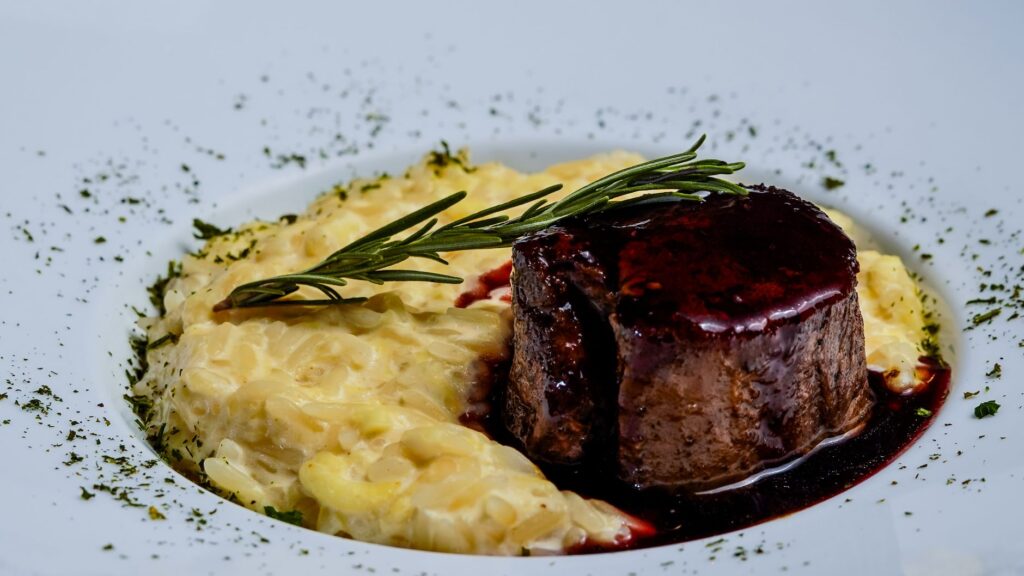
Emerging establishments in areas such as the renovated port and the Monte Carlo gardens offer menus where apparent simplicity masks refined techniques. Traditional dishes like barbajuan—a fried pastry filled with Swiss chard and ricotta—are reimagined with sourdough and extended fermentations, while daily catches are served with wild herb emulsions foraged from nearby cliffs. This evolution reflects a culinary maturity where luxury is no longer measured exclusively by the exclusivity of imported ingredients, but by the authenticity and local roots of the culinary proposal.
Cultural Heritage, Museums, and the Artistic Pulse of the Rock
Beyond its financial and architectural profile, Monaco maintains an intense cultural agenda rooted in the historical patronage of the Grimaldi family. The Oceanographic Museum, hanging literally over an eighty-meter-high cliff, remains a global benchmark in marine research and scientific outreach, housing historical aquariums and temporary exhibitions that merge contemporary art with ocean conservation. Likewise, the Grimaldi Forum acts as a dynamic epicenter for major international art exhibitions, opera, and ballet, attracting creators and collectors from around the world.
In the historic center, popularly known as The Rock (Le Rocher), medieval alleyways maintain a leisurely pace that contrasts with the frenzy of Monte Carlo. Here stands the Prince’s Palace, whose doors partially open to the public to reveal rooms decorated with Renaissance frescoes and private art collections.
The Dialogue Between Medieval History and Contemporary Creation
This coexistence between dynastic past and 21st-century artistic expression defines the principality’s cultural personality. Contemporary art galleries dotting the La Condamine district showcase graphic works and sculptures by emerging artists, consolidating Monaco not only as a consolidated art market, but as an active territory for production and cultural debate in southern Europe.
Hanging Gardens and Urban Biodiversity in a Vertical Environment
Monaco’s rugged topography has historically forced the development of vertical urban solutions, and green spaces are no exception. The principality’s public and private gardens function as authentic botanical lungs suspended over the sea. The Exotic Garden, undergoing profound renovations to improve safety and accessibility, continues to house one of the world’s most important collections of succulent plants and cacti, perfectly adapted to the arid conditions of the Mediterranean cliffs.
Meanwhile, the Exotic Gardens and Princess Antoinette Park offer shaded retreats with centuries-old olive trees, children’s play areas integrated into nature, and strategic viewpoints facing the bay. The management of these spaces follows strict ecological criteria, eliminating the use of chemical pesticides, implementing smart drip-irrigation systems using recycled greywater, and encouraging pollinator populations through urban beehives and insect hotels distributed across the territory.
Clean Mobility and the Challenge of Metropolitan Connectivity
Managing the daily flow of thousands of commuter workers crossing the Franco-Monegasque border without collapsing public space has been one of the administration’s greatest challenges. The response has been a comprehensive sustainable mobility plan based on partial or total free public services, the progressive pedestrianization of commercial zones, and the deployment of electric vehicle infrastructure. The urban bus fleet operates entirely on electric or hybrid models, while interceptor parking lots at city entry points are connected to public elevators and moving walkways.
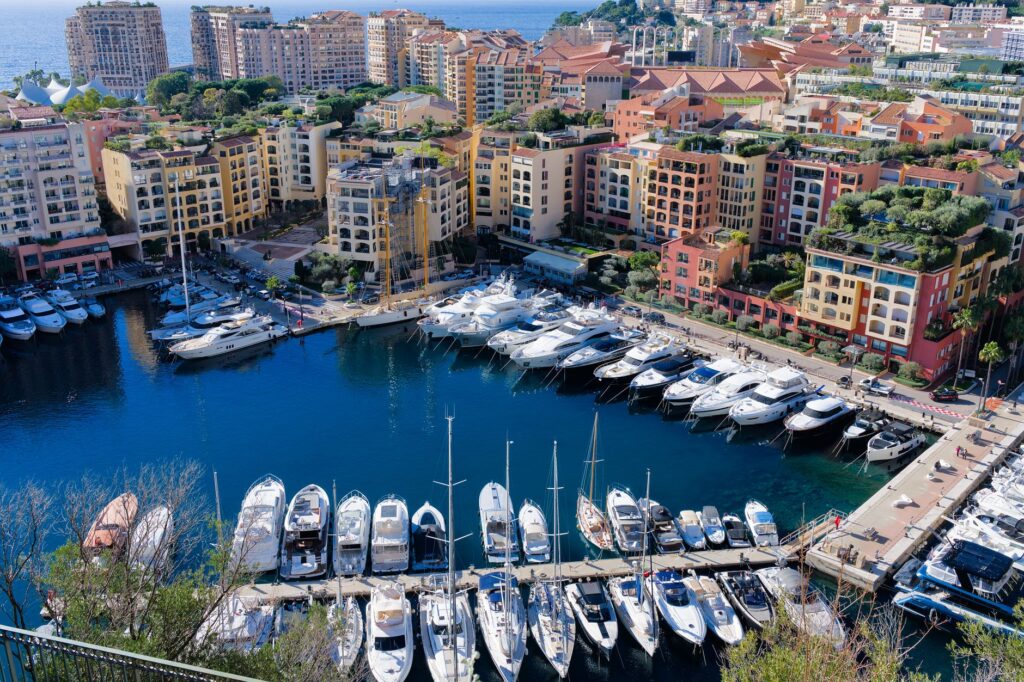
In addition, internal maritime transport via electric shuttle boats known as bato-bus efficiently connects both sides of Port Hercule, drastically reducing carbon emissions and offering a transport alternative that is as functional as it is scenic. This commitment to clean mobility extends to the promotion of sustainable boating, with fast electric charging points for recreational vessels at the main docks.
Practical guide
Getting there: Nice Côte d’Azur International Airport is the primary gateway, located about 30 kilometers to the west. From there, the helicopter transfer takes seven minutes, while express buses (line 80) and regional trains connect to Monaco-Monte Carlo station in approximately 30 to 45 minutes.
When to go: Spring months (April to June) and early autumn (September and October) offer mild temperatures ideal for exploring the territory on foot, avoiding summer crowding and the hustle of major May sporting events.
Where to stay: The hotel landscape combines grand historic properties alongside Casino Square with new boutique hotels in Fontvieille focused on contemporary design and certified sustainability.
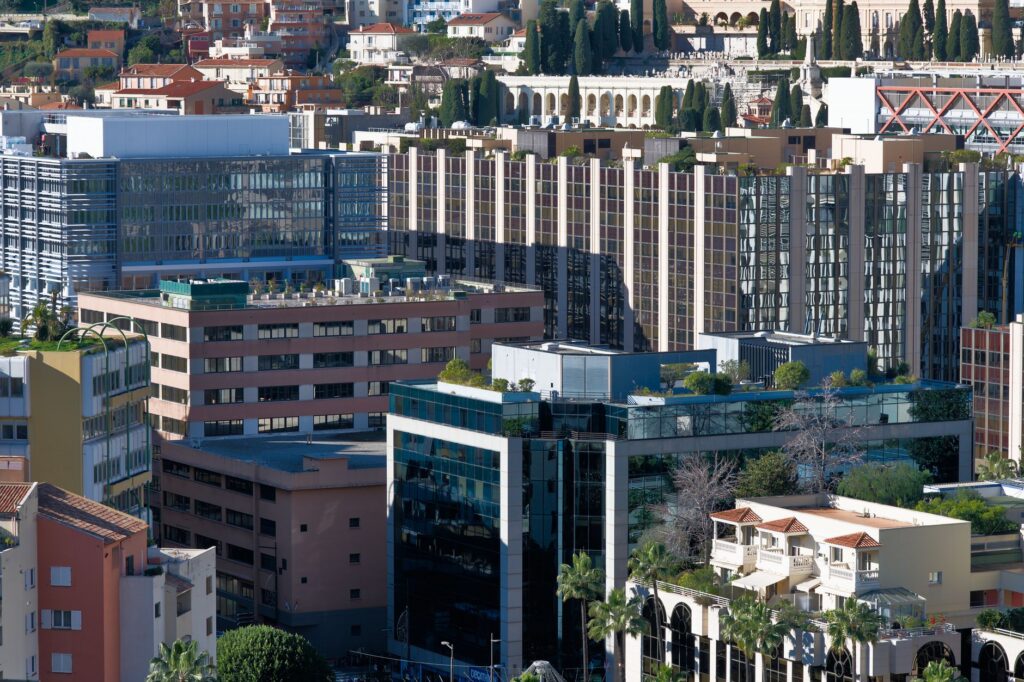
Getting around: The vertical pedestrian network, comprising dozens of public elevators, escalators, and underground galleries, is completely free and connects all the principality’s neighborhoods quickly and efficiently.
Final Reflection on the Monegasque Horizon
Across its two square kilometers, Monaco demonstrates that urban transformation is not at odds with the preservation of its deepest identity. The boldness of projects like Mareterra and the commitment to a gastronomy and culture rooted in the territory redefine the coordinates of contemporary luxury. It is no longer solely about ostentation or speed, but about balance, sustainability, and respect for a privileged natural environment that continues to fascinate those who approach to contemplate it from the sea.
“True luxury in 21st-century Monaco lies in the capacity to reinvent its living space without surrendering the timeless beauty of its Mediterranean landscape.”
Within this subtle border between dynastic tradition and ecological avant-garde lies the eternal relevance of the principality.
Source in EN: Condé Nast Traveler (https://www.cntraveler.com/story/the-best-thing-to-do-in-monaco)