
The contemporary map of global tourism is no longer measured solely by hotel occupancy volume or air connectivity, but by the depth of its narrative and the ability of its territories to connect with communities of creators who transform how the world travels. In this context, the announcement of the international gathering Travel Pop Up Jalisco 2026 marks a turning point for the industry in Latin America. By decentralizing its venues between the vibrant urban atmosphere of Guadalajara and the coastal richness of Puerto Vallarta, this event not only mobilizes the creative industry’s elite but poses a fundamental question for the sector: how are the tourism experiences of the future designed in a hyperconnected era?
The choice of Jalisco as host for this forum is no coincidence. With a deeply rooted cultural identity ranging from mariachi and tequila traditions to a constantly boiling gastronomic and design scene, the state has positioned itself as a laboratory for tourism innovation. The convergence of content creators, destination marketing strategists, and local operators at the 2026 edition aims to address the demands of an increasingly discerning traveler who rejects mass circuits in favor of auteur proposals prioritizing authenticity, sustainability, and respect for biocultural heritage.
Territorial Duality as a Development Strategy
The itinerary design of the gathering between Guadalajara and Puerto Vallarta reflects Jalisco’s geographical and cultural complexity. On one hand, the state capital has consolidated its position as a hub for creative industries and urban tourism, where colonial architecture dialogues with contemporary art districts, independent bookstores, and a culinary scene competing with the continent’s major gastronomic capitals. Guadalajara offers the intellectual rigor and technological infrastructure required to debate the industry’s future and the digitalization of tourism services.
On the other hand, Puerto Vallarta represents direct contact with natural ecosystems and coastal hospitality. Far from being reduced to traditional sun and sand, this destination has driven a transformation toward regenerative and soft-adventure tourism, integrating communities of the Sierra Madre Occidental into the tourism value chain. This duality allows event attendees to experience firsthand how a single territory can house radically diverse yet complementary tourism management models.
The Rise of Authorship and Travel Storytelling
Over the past decade, the democratization of digital tools radically transformed tourism promotion. However, information overload and the banalization of content have generated consumer fatigue, paving the way for digital exhaustion and revaluing the work of specialized travel creators. The gathering in Jalisco addresses this paradigm shift under the premise that tourism communication must transcend aesthetic postcards to become rigorous and truthful experiential journalism.
The panel discussions and presentations scheduled for the event focus on the ethics of content creation, environmental responsibility in travel shoots and reportage, and the symbiotic collaboration between territorial brands and independent creators. In a market saturated with algorithmic recommendations, the human, informed, and contextualized voice stands out as the most valuable asset to guide contemporary travelers toward more conscious and enriching decisions.
Infrastructure and Connectivity Supporting the Gathering
The viability of an event on the scale of Travel Pop Up Jalisco 2026 requires top-tier logistical infrastructure. Guadalajara boasts the Miguel Hidalgo y Costilla International Airport, connecting directly with major North and Central American hubs, alongside a hotel portfolio ranging from boutique lodgings in historic estates to international luxury brands. Its network of convention centers and cultural spaces guarantees the smooth execution of keynote conferences and practical workshops.
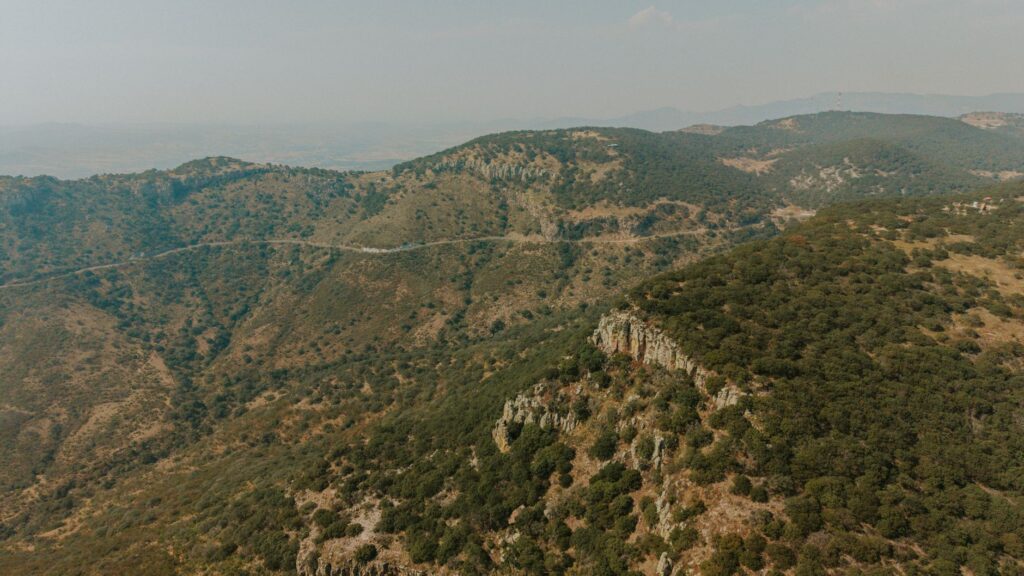
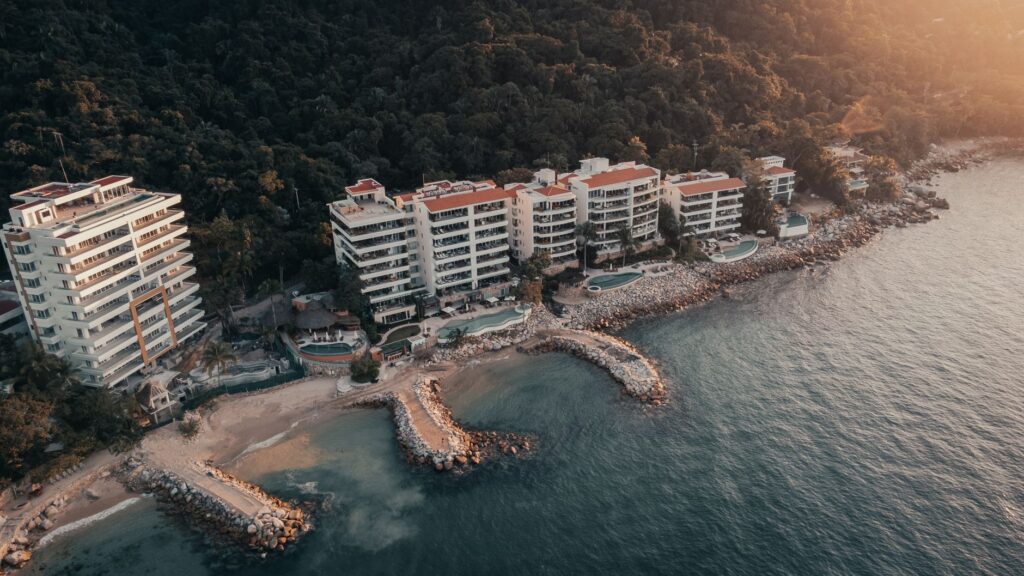
In parallel, the Licenciado Gustavo Díaz Ordaz International Airport in Puerto Vallarta ensures steady passenger flow toward the coastal strip, where hotel infrastructure has evolved toward low-density complexes, eco-tourism initiatives, and dining offerings led by internationally acclaimed chefs. This logistical capability demonstrates that Jalisco possesses not only natural attractions but also the operational maturity essential for hosting high-impact global tourism summits.
Socioeconomic Impact and Local Governance
Beyond the media showcase, the true value of an international gathering of this nature lies in its ability to energize the local economy and foster participatory governance. State authorities and local tourism guilds have emphasized the importance of integrating small and medium-sized enterprises into the event’s dynamics. From artisans in Tlaquepaque to ecotourism cooperatives on Jalisco’s southern coast, the local productive ecosystem actively participates in co-creating the experiences presented to global creators.
This decentralized approach seeks to mitigate the negative effects of tourism gentrification by promoting an equitable distribution of economic benefits. Training in digital tools and sustainability received by local service providers as a result of these gatherings ensures that the legacy of Travel Pop Up endures long after international spotlights fade, strengthening the social fabric of the involved regions.
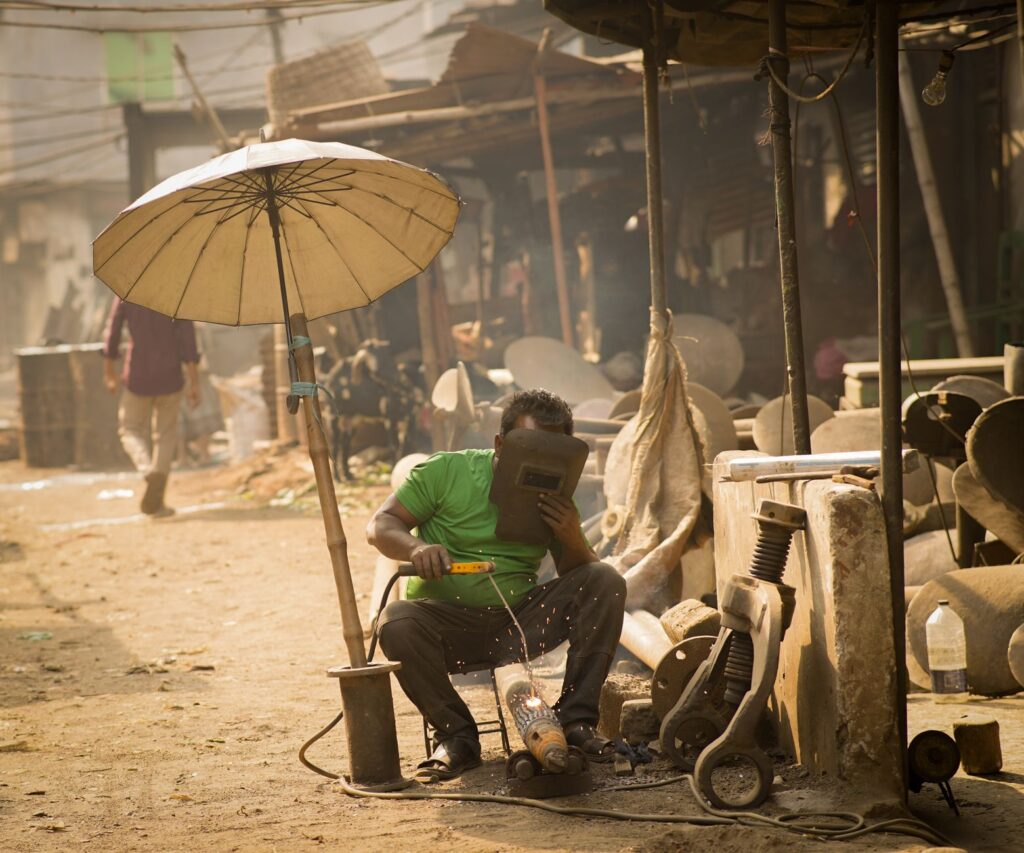
«Twenty-first-century tourism is no longer about showcasing a place for others to consume, but about jointly building a deep understanding that transforms both the visitor and the host territory.»
Environmental Challenges Amid Creator Tourism Growth
The increase in a destination’s digital visibility inevitably entails complex ecological challenges. The targeted overcrowding resulting from viral social media content has placed pressure on fragile ecosystems across Jalisco, from coastal mangroves and estuaries to interior protected natural areas. During forum sessions, one of the cross-cutting debate axes is the implementation of strict regulations to curb the carbon footprint of shoots and expeditions organized by creators.
Conservation experts insist that travel authorship must be accompanied by an active commitment to environmental regeneration. This implies not only complying with local waste management and wildlife protection regulations, but also channeling a portion of the profits generated by creators’ activities into community conservation funds. Sustainability ceases to be an added value and becomes the indispensable ethical prerequisite for any tourism communication project.
Practical guide
How to get there: Guadalajara and Puerto Vallarta feature international airports with direct connections from Mexico City, the United States, and major European cities. The overland journey between both cities takes approximately four and a half hours via the Guadalajara-Puerto Vallarta highway.
When to attend: The main Travel Pop Up Jalisco event is scheduled for the 2026 cycle, with satellite activities distributed throughout the year. It is recommended to check the official accreditation calendar for creators and industry professionals.
Recommended accommodations: In Guadalajara, the Colonia Americana and Historic Center neighborhoods house boutique hotels integrated into heritage estates. In Puerto Vallarta, the Romantic Zone and the northern bay strip offer options focused on sustainability and local design.
Mobility requirements: To travel between venues and explore surrounding agave-producing regions or magical towns, hiring authorized transportation or renting vehicles through certified agencies is advised.

The Human Legacy of the Journey
At the end of the journey and beyond reach metrics, commercial agreements, and digital trends, what truly defines the success of a gathering like Jalisco in 2026 is the human footprint it leaves on those who inhabit and narrate it. Traveling and telling the story of travel are acts of profound empathy; they involve looking at the other without preset filters and assuming the responsibility of translating a culture’s complexity with respect and journalistic rigor. In the faces of Tlaquepaque artisans, the wisdom of agave jimadores, and the warmth of Vallarta coastal fishermen lies the true essence of a state that refuses to be a mere photographic backdrop.
Jalisco projects itself toward the future not as a fast-consumption product, but as a living territory inviting pause, dialogue, and conscious discovery. For the traveler and creator willing to look beyond the surface, the journey through these Mexican lands represents a reminder that the best destinations are not simply visited, but those that manage to transform us irreversibly.
Source in EN: LaSexta – Travel Pop Up Jalisco 2026