
The Persistence of Isolation and Insular Revelation
The Colón Archipelago, universally known as the Galapagos Islands, remains in the collective imagination as the planet’s great living laboratory. Situated nearly a thousand kilometers off the continental coast of Ecuador, this volcanic isolation has allowed for the evolution of species found nowhere else on Earth. Approaching these islands via a maritime voyage is not merely a touristic option, but the only true way to comprehend the magnitude of the theory of evolution that Charles Darwin glimpsed after his 1835 visit aboard HMS Beagle. Today, the management of the national park demands a millimeter-thin balance between opening doors to travelers and absolute preservation of fragile ecosystems, where every voyage operates under strict conservation regulations.
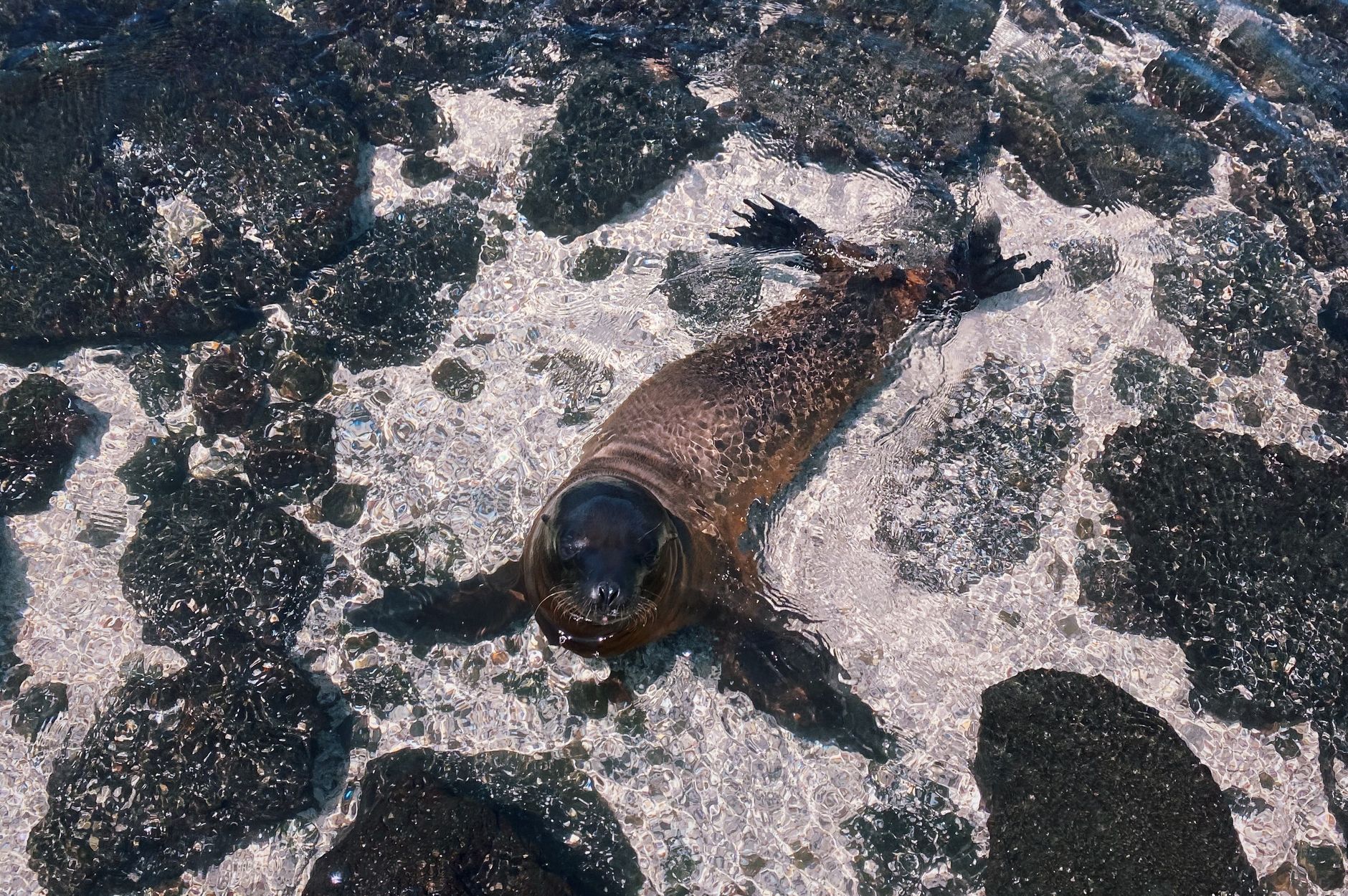
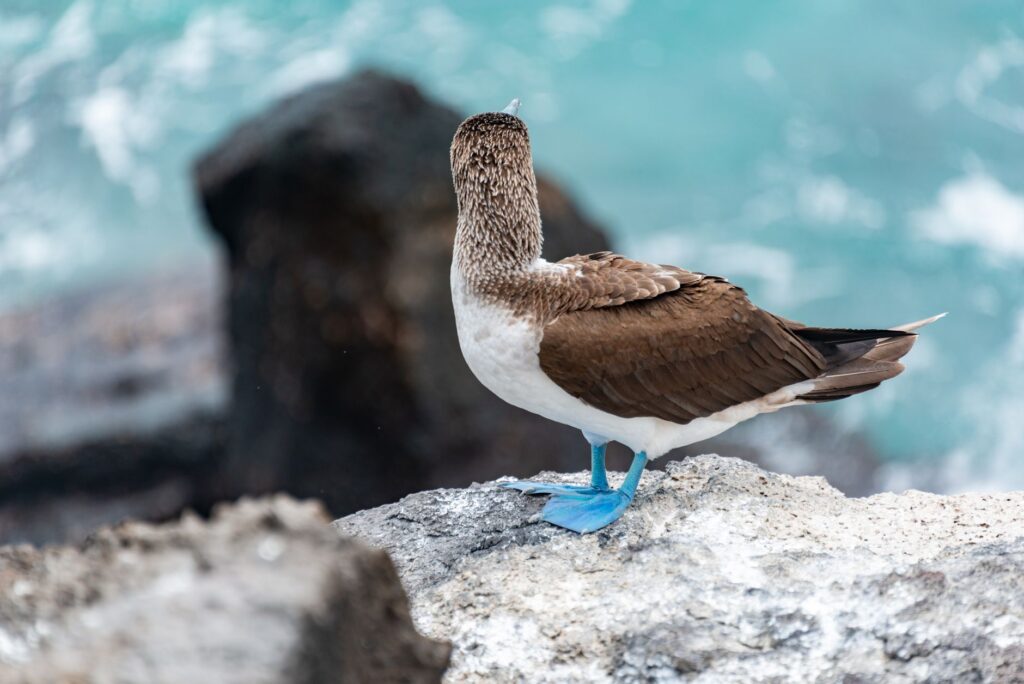
The converging marine currents washing the shores of this archipelago—the cold Humboldt current, the warm Panama current, and the deep Cromwell current—generate biological wealth without parallel. Navigation allows access to remote islets where human presence is reduced to scientific stations and the animals themselves, which have evolved without an innate fear of terrestrial living creatures. Choosing the right vessel determines not only the level of comfort, but the depth of contact with this volcanic environment where marine iguanas sneeze salt and blue-footed boobies perform their courtship rituals indifferent to camera lenses.
The Spectrum of Contemporary Pacific Navigation
The Galapagos cruise market has matured remarkably over the past decade, diversifying to meet the needs of radically opposed traveler profiles. It is no longer solely about large expedition vessels, but a heterogeneous fleet including high-stability catamarans, luxury motor yachts, and traditional sailing ships that minimize acoustic and visual impact on the marine landscape. Each vessel category responds to a distinct travel philosophy, where cruising speed, fuel autonomy, and the ratio of naturalists to passengers mark the fundamental difference in the daily onboard experience.
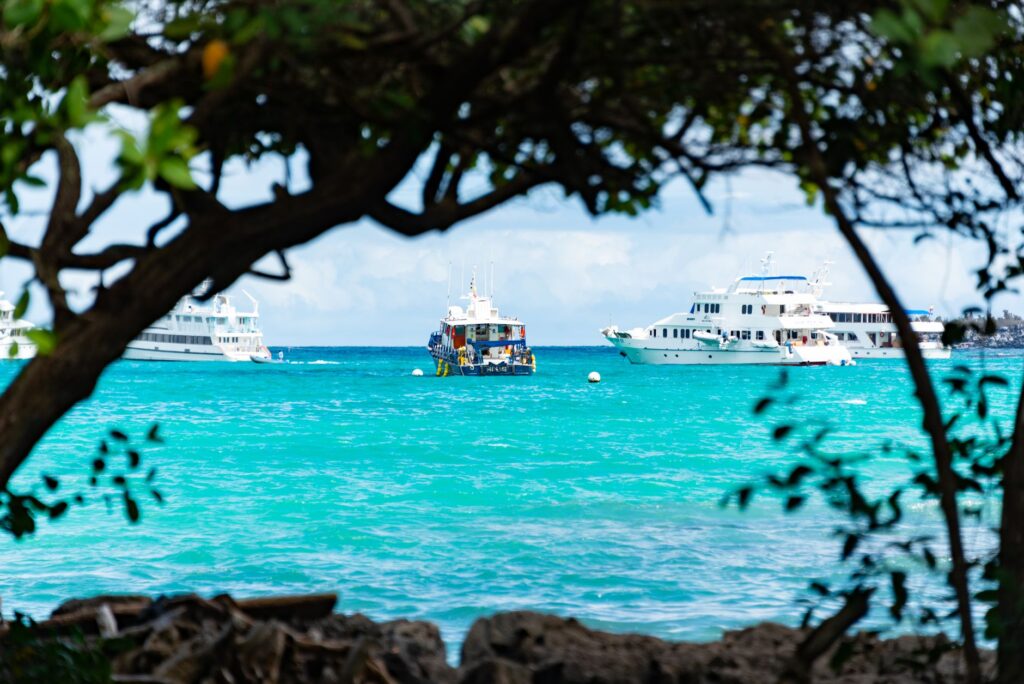
For those seeking a friction-free experience where interior design competes in sophistication with exterior biodiversity, major international operators have deployed ships equipped with low-impact propulsion technology. These floating units combine five-star hospitality with an ironclad commitment to sustainability, incorporating onboard desalination plants, dynamic positioning systems to avoid anchoring on vulnerable seabeds, and gastronomy rooted in local and fair-trade products. Conversely, smaller vessels offer an almost academic intimacy, ideal for nature photographers and marine biology enthusiasts seeking a slower, more personalized pace.
Sovereignty of the Sea: Luxury Itineraries and Design
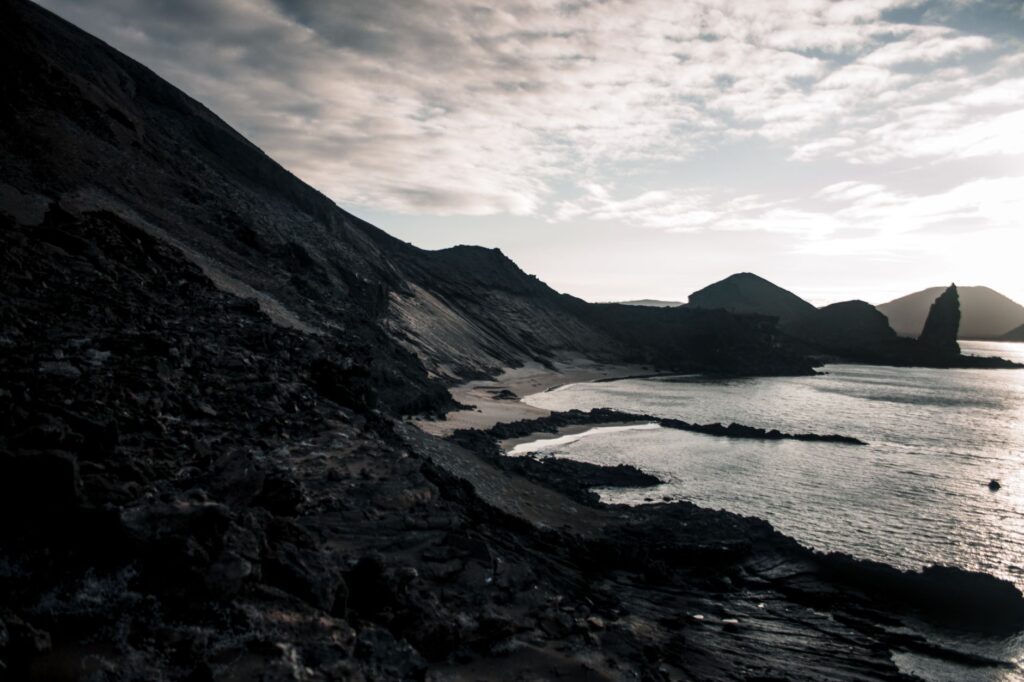
At the pinnacle of the maritime offering are vessels that understand luxury not as ostentation, but as privileged access and impeccable service. These cruises typically operate seven-night routes penetrating the most inaccessible corners of the northern and western reaches, such as Darwin and Wolf islands, true sanctuaries for hammerhead sharks and cetaceans. Onboard, cabins feature private balconies, panoramic floor-to-ceiling windows, and butler service anticipating every passenger need after an intense day of open-water diving or trekking across basaltic badlands.
The culinary experience in this category elevates to an art form, reinterpreting Ecuadorian cuisine with contemporary techniques and artisan-caught seafood. Level III naturalist guides, the highest tier awarded by the Galapagos National Park, lead daily expeditions, delivering high-level academic evening lectures on volcanology, ocean currents, and population genetics. This intellectual immersion transforms a leisure trip into an expedition of knowledge, where every geological formation and animal behavior finds rigorous and accessible scientific explanation.
The Family Alternative and Educational Awakening
Traveling to the archipelago with family was once considered a logistical challenge due to age restrictions and the physical demands of certain routes. However, the industry has successfully adapted its offerings to integrate new generations through educational programs specifically designed for children and teenagers. Selected ships feature onboard pedagogical coordinators, participatory science workshops, marine microscope sessions, and adapted snorkeling expeditions that transform learning about biodiversity into a playful and memorable adventure for the entire family.
These family itineraries typically prioritize islands with simpler access and high densities of accessible wildlife, such as San Cristobal Island or Santa Cruz Island, where encounters with sea lions and giant tortoises are virtually daily occurrences. Safety and flexibility are the guiding axes of these journeys, allowing both parents and children to enjoy the environment without sacrificing comfort. Integrating younger minds into understanding environmental fragility constitutes one of the most enduring legacies of these educational voyages.
Autonomy and Exploration for Solo Travelers
The Galapagos cruise market has also evolved to welcome solo adventurers, a demographic historically penalized with costly single supplements. Several companies have eliminated or significantly reduced these surcharges on specific departures or foster an onboard camaraderie that facilitates social integration without forcing coexistence. Common spaces, conceived as sea-facing open reading lounges and shared observation decks, invite the exchange of impressions between naturalists and photography enthusiasts.
For the solo traveler, the human scale of certain expedition yachts is particularly appealing. In small communities of sixteen to twenty passengers, social hierarchies dissolve rapidly during communal dinners and pre-landing briefings. This closeness fosters a strong travel community spirit very difficult to find on large ocean liners, turning the voyage into a space of mutual enrichment where wonderment before nature acts as a powerful catalyst for authentic human relationships.
Economic Efficiency and Accessible Exploration
Demystifying the cost of navigating the Galapagos has been one of the greatest achievements of operators committed to operational efficiency and mid-sized vessels. Without sacrificing maritime safety standards or the rigor of authorized naturalist guides, cruise options exist that optimize fuel consumption and offer more competitive rates. These ships typically operate shorter four- or five-night routes centered on the central archipelago, drastically reducing fuel costs and port fees without compromising the quality of wildlife sightings.
Traveling more economically does not mean giving up the essence of the destination. Walks across the volcanic trails of Bartolome Island or swimming alongside penguins in Sullivan Bay are accessible to these vessels under the same conditions as ultra-luxury yachts. The value of the experience lies in the guide’s quality and the ecosystem’s richness, elements strictly regulated by park authorities for all boats equally, ensuring no visitor misses the geological and biological spectacle regardless of their vessel choice.
Practical guide
- Getting There: Flights to the archipelago operate daily from Quito and Guayaquil, landing at Baltra (GPS) or San Cristobal (SCY) airports. Acquiring the transit control card on the mainland prior to boarding is mandatory.
- When to Visit: The archipelago is a year-round destination. From December to May, warm waters, sunny days, and mating terrestrial birds predominate; from June to November, the Humboldt current brings cooler waters, higher cetacean activity, and cloudy yet plankton-rich skies.
- Entry Requirements: All visitors must pay the Galapagos National Park entrance fee upon arrival (standard international adult rate) and possess travel insurance covering maritime rescue and medical evacuation.
- Essential Gear: Lightweight quick-dry clothing, waterproof windbreaker, trekking shoes with high-traction rubber soles for volcanic terrain, moisture-sealed camera equipment, and motion sickness medication for open-water sailing.
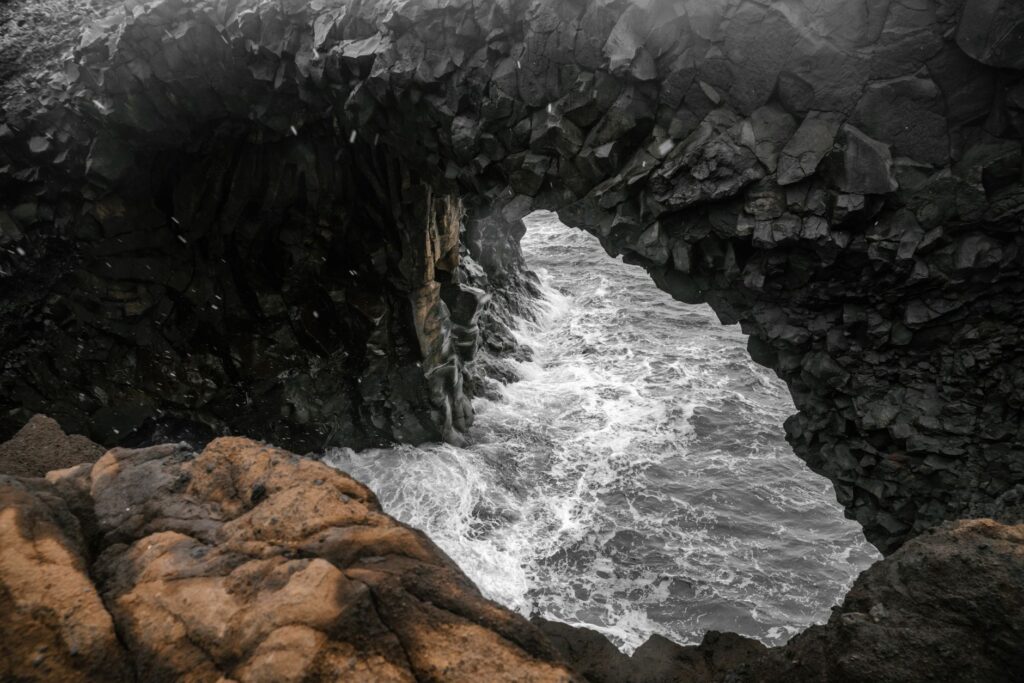
Nature in the Galapagos is not to be contemplated as a passive spectator; it demands vigilant attention and absolute respect that transforms the gaze of anyone crossing its waters.
The Silent Heartbeat of the Archipelago at Dusk
When the sun descends over the horizon of the equatorial Pacific, dyeing volcanic calderas in ochre and violet hues, the ship’s rhythm slows until it merges with the ocean’s silence. This is the moment when passengers leave the upper decks to reflect on the vastness witnessed throughout the day: the low flight of a booby, the motionless silhouette of a giant tortoise in the highlands, or the distant echo of a humpback whale’s blow. In that nocturnal stillness, as the vessel anchors in a protected bay, the true dimension of this insular sanctuary is understood. It is not merely a journey across geographic space, but a voyage to the very origin of life, where human beings reclaim their status as humble witnesses before the persistence of wild nature.
Source in EN: Condé Nast Traveler (https://www.cntraveler.com/story/best-galapagos-cruises)