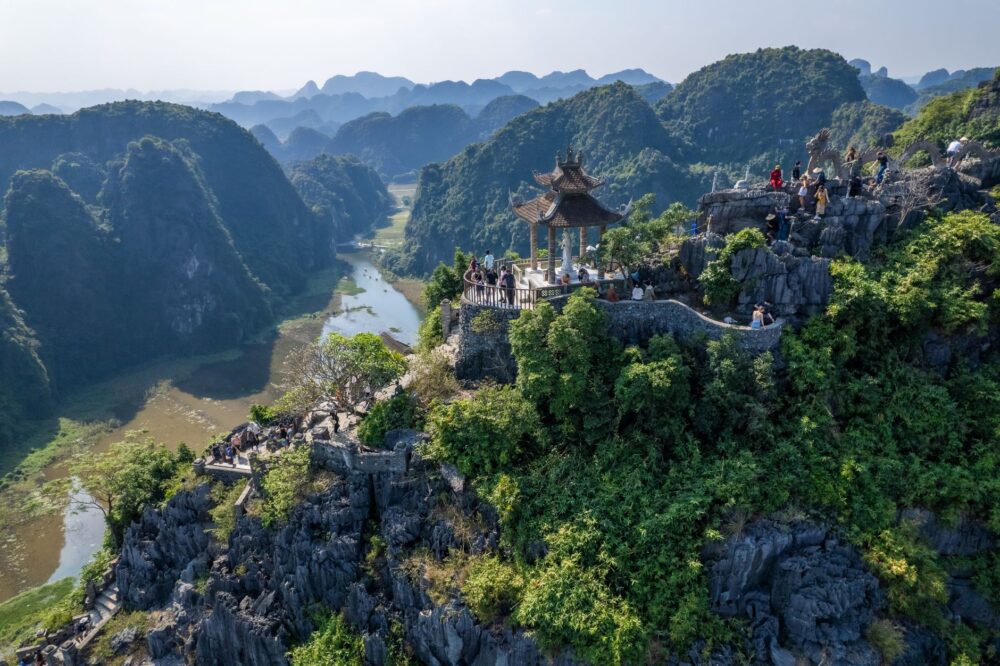

The new currents of Asian tourism in the post-pandemic era
The global board of international tourism is undergoing a silent yet profound transformation. While traditional major emitting markets adjust their budgets to inflationary pressures, the Chinese traveler has resumed international travel with a mindset radically different from that of the past decade. The mass tourism of large tour groups and rapid whistle-stop tours across multiple capitals in a single week no longer dominates. Today, the Chinese citizen crossing borders seeks leisurely experiences, cultural immersion, and destinations offering their own narrative—a paradigm shift that reshapes the economy of entire cities and tests the adaptability of regional competitors.
Recent reports from international media and agencies specializing in tourism flow analysis have brought a complex reality to light: major European powers continue to monopolize the preferences of high-income sectors in China. This phenomenon, documented by news portals such as Vietnam.vn when analyzing the relative loss of regional appeal compared to old-continent corridors, demonstrates that the high-end traveler prioritizes institutional stability, rich historical heritage, and luxury shopping infrastructure over mere geographical proximity or short-term economic savings.
The enduring appeal of Europe versus regional competition
To understand why the European market maintains its hegemony in the imagination of upper-middle-class Chinese tourists, one must examine the evolution of their motivations. Europe represents stability, cultural prestige, and a complete disconnection from the fast-paced Asian urban rhythm. Cities such as Paris, Rome, Zurich, and Vienna have successfully adapted their commercial ecosystems with personalized services, ranging from the integration of popular electronic payment platforms in China to multilingual staff training in major commercial districts and state museums.

However, this massive flow toward the West is neither homogeneous nor static. The saturation of certain traditional destinations and fluctuating international air transport costs have opened a window of opportunity for other Asian markets to rethink their strategies. Countries like Vietnam, with a top-tier natural and culinary offering, are watching closely how to capture that segment seeking sophisticated alternatives without the need for intercontinental travel—a challenge that requires overcoming promotion barriers and service standardization.
The metamorphosis of the traveler profile: from the guided group to the independent explorer
The most significant transformation lies not in the chosen destination, but in the way people travel. The traditional model of the guided bus tour, where dozens of people followed a tour guide holding a small flag, has rapidly given way to the rise of independent travelers, known in the industry as FIT (Free Independent Travelers). This group is composed largely of young professionals, couples without children, and urban families with a high level of digitalization who plan their itineraries through specialized mobile applications.
This profile values culinary authenticity, boutique accommodation design, and direct interaction with local communities. It is no longer about accumulating photographs in front of iconic landmarks to share on social media, but about accumulating memorable experiences that reflect a sophisticated cultural status. This demand forces global tour operators to reinvent their catalogs, replacing standardized packages with modular, personalized experiences that respect the specific times and interests of each visitor.
The Southeast Asian dilemma: Vietnam’s strategic case
While European destinations celebrate the sustained arrival of high-net-worth Chinese visitors, neighboring Southeast Asian nations analyze the figures with caution. Vietnam, historically a highly competitive destination due to its value-for-money ratio and cultural proximity, faces the challenge of retaining a tourism flow that sometimes prefers to invest its vacation savings in a higher symbolic-prestige intercontinental trip.

Analysts note that although Vietnam continues to receive millions of regional visitors, the per capita spending and average length of stay of tourists from China can be substantially improved if more flexible visa policies are implemented, luxury offerings in coastal enclaves like Da Nang or Phu Quoc are diversified, and direct air connectivity with major Chinese megacities is enhanced. Competition is no longer just about volume, but about added value.
Infrastructure, connectivity, and the battle for digital hospitality
Tourism competitiveness in the 21st century is decided on both physical and digital grounds. A determining factor in the preference for European destinations lies in the technological fluidity with which they have integrated the needs of the Chinese consumer. The widespread acceptance of mobile payment methods, the presence of adapted signage, and collaboration with Asian digital platforms eliminate friction during the journey.
In Southeast Asia, the transition toward this integrated digital model is progressing at uneven speeds. While large international hotel complexes already offer these facilities, the network of small businesses, local guides, and independent transport in Vietnam still requires a modernization effort. Modern hospitality demands not only a warm traditional welcome but also the ability to speak the visitor’s digital language from the moment they plan their route on a smartphone.
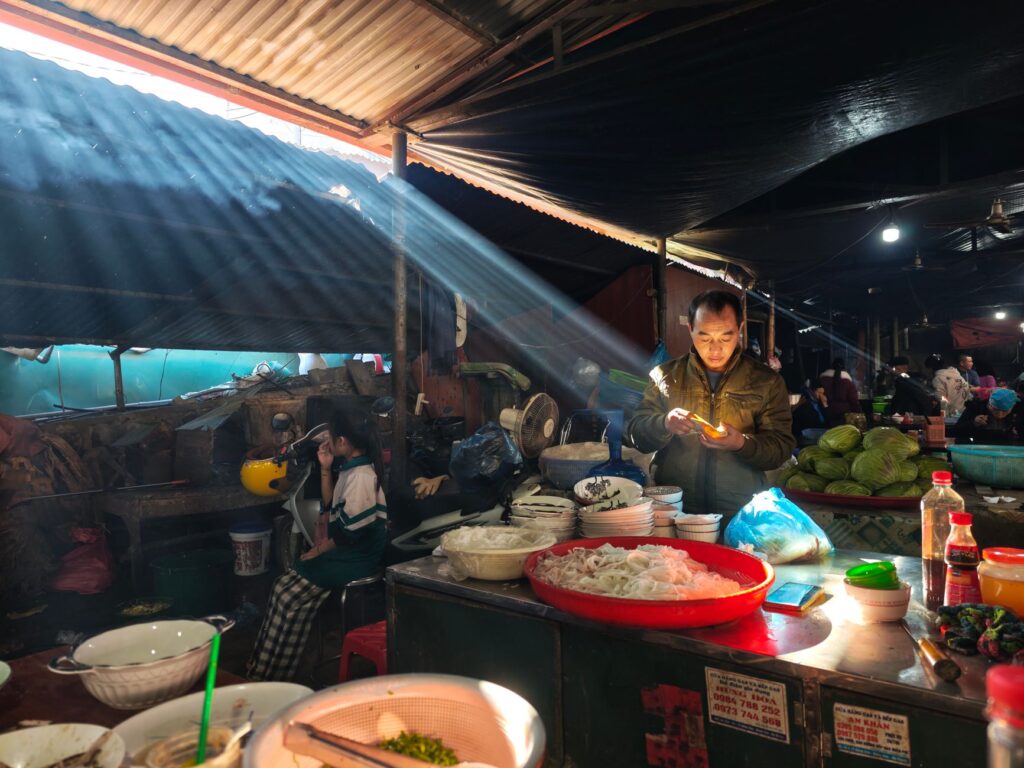
International tourism is no longer measured solely by the number of arrivals at borders, but by the depth of the economic and cultural bond established between the visitor and the host territory.
This reality forces tourism ministries and private operators to coordinate long-term strategies. Seasonal advertising campaigns are not enough; it is necessary to build a reputation based on service quality, environmental sustainability, and transparency in information—elements that the experienced traveler values above any aggressive promotional offer.
Sustainability and overtourism: the shared challenges of global tourism
Both European destinations receiving the bulk of preferences and Asian nations seeking to attract them face a common challenge: the sustainable management of visitor flows. Excessive concentration of tourists in historic urban centers or fragile natural enclaves has generated tensions with local communities, prompting restrictive measures, tourist taxes, and an open debate on the limits to growth in the leisure industry.
Today’s Chinese traveler is increasingly aware of this issue. Younger generations show a growing interest in sustainable tourism, heritage protection, and support for low-impact local economies. This shift in sensitivity represents a unique opportunity for destinations to redesign their management policies, promoting alternative routes outside congested circuits and fostering a more balanced distribution of the economic benefits of tourism across the territory.
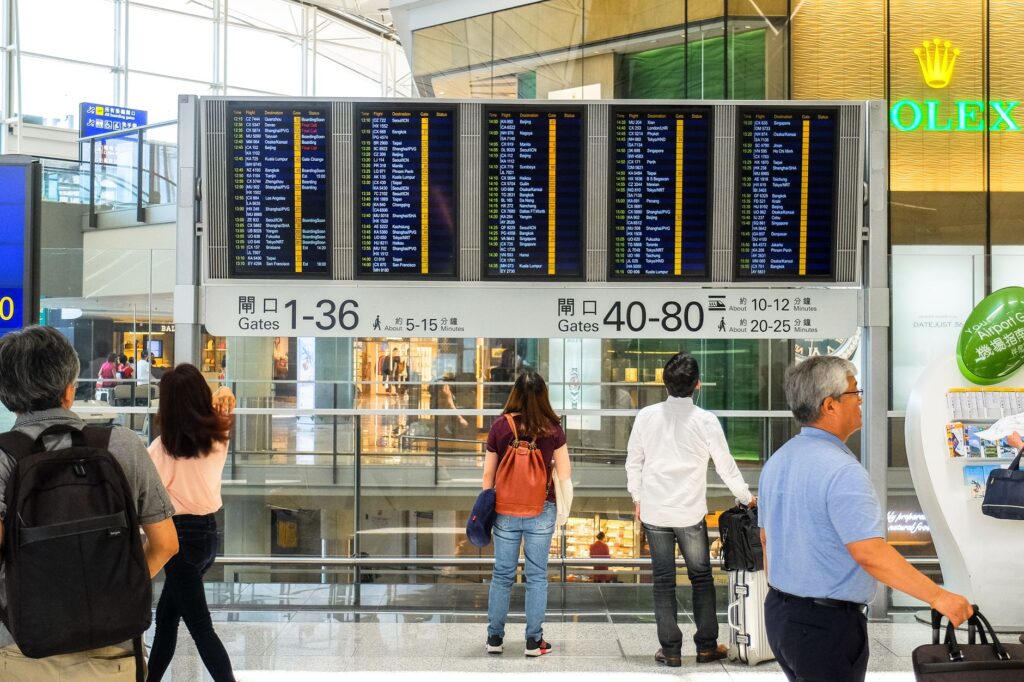
Practical guide
Planning and visas: For Chinese citizens planning to travel to Europe, the Schengen area requires advance visa processing with strict solvency requirements and travel insurance. For those choosing destinations in Southeast Asia such as Vietnam, it is essential to check current electronic visas (e-visas) and entry conditions at international airports.
Air connectivity: Routes between China and Europe have recovered much of their pre-pandemic capacity, operated by both European flag carriers and major Chinese airlines (Air China, China Eastern, China Southern). For intra-regional flights to Vietnam, there are multiple daily connections from Beijing, Shanghai, and Guangzhou to Hanoi and Ho Chi Minh City.
Payments and technology: It is advisable to verify the compatibility of mobile payment applications before embarking on the trip. Although international credit cards remain the standard in Europe, the use of Chinese digital wallets has expanded noticeably in businesses geared toward international tourism.
Best time to visit: Europe offers attractions year-round, with spring and autumn being the most recommended periods to avoid crowds. For Vietnam, the climate varies notably between the north and the south; the dry months from November to April are ideal for touring the country without being affected by seasonal monsoons.

Information and verification: It is recommended to always consult the official guidelines of national embassies and tourist offices before confirming accommodation or transport reservations, thus ensuring compliance with current regulations in each destination country.
The human horizon of global displacement
Behind the macro-economic figures, temporary migratory flows, and hotel occupancy statistics, tourism remains one of the most complex expressions of human exchange. Each journey represents a bridge built between cultures with different histories and worldviews. The decisions of the Chinese traveler—whether opting to explore European historical heritage or valuing development opportunities in neighboring countries within their own continent—draw the contours of an increasingly interconnected world, where curiosity and the desire to understand the other remain the fundamental engines of contemporary human mobility.
Source in EN: Vietnam.vn – Chinese tourists prefer European destinations.