
The Arctic wind sweeps down from the eternal snowfields of Kebnekaise with a crispness that catches the breath. Along the Kungsleden, the historic royal trail traversing northern Sweden, vastness is not a mere geographical abstraction, but a physical presence that reshapes the senses. Walking through this northernmost frontier demands a close attunement to a territory where polar light oscillates between the infinite clarity of high summer and the magnetic twilight of early autumn.
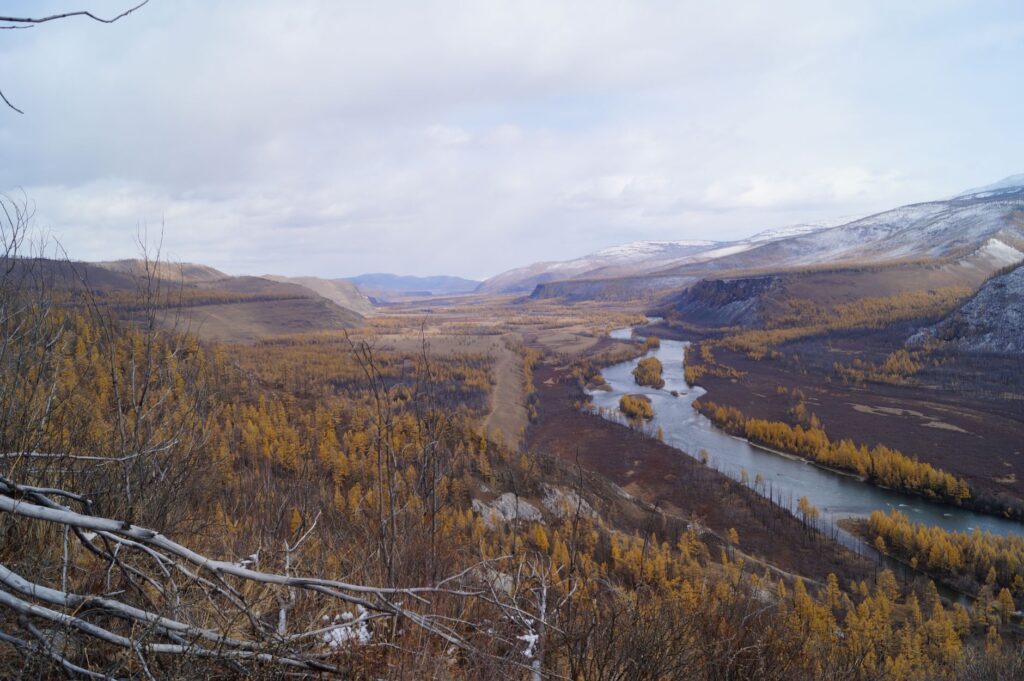
As we advance over wooden boardwalks protecting the fragile tundra, the horizon opens toward glacial valleys sculpted by millennia of erosion. Here, geological time coexists with the ancient memory of the Sami people, whose reindeer herds trace invisible pathways across the plateau. This report examines the experience of traversing the classic section of the Kungsleden in the company of local herders, analyzing the delicate balance between contemporary adventure and the preservation of a fragile subarctic ecosystem.
The Sacred Geography of the Swedish North
The Kungsleden stretches for more than four hundred kilometers between Abisko and Hemavan, yet its northern sector concentrates the most dramatic essence of the Swedish Arctic landscape. Established in the early twentieth century by the Swedish Touring Club (STF) to bring the high mountains within reach of travelers, the trail has evolved from a route of scientific exploration into a global benchmark for sustainable trekking. Every kilometer of terrain reveals a meticulous botanical transition, where dwarf birch trees yield to reindeer lichen and frost-resistant mosses.
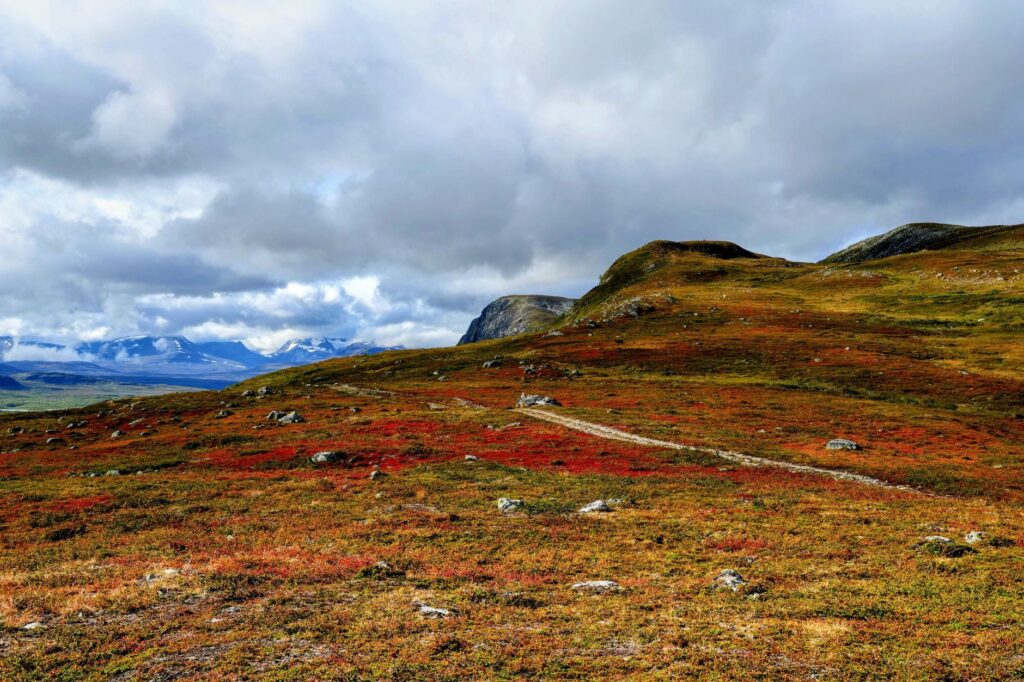
The initial stages departing from the Abisko mountain station plunge the traveler into the canyon of the Abiskojåkka River, a deep cut carved into gray schist where meltwater roars with unceasing force. As altitude is gained toward Nikkaluokta or the alpine passes of Alesjaure, trees vanish entirely. The landscape transforms into a vast, rolling plain of ochre and gray tones, dominated by sharp peaks holding summer snowdrifts and crystal-clear lakes reflecting the dome of the sky.
The Sami People and the Pulse of Summer Herding
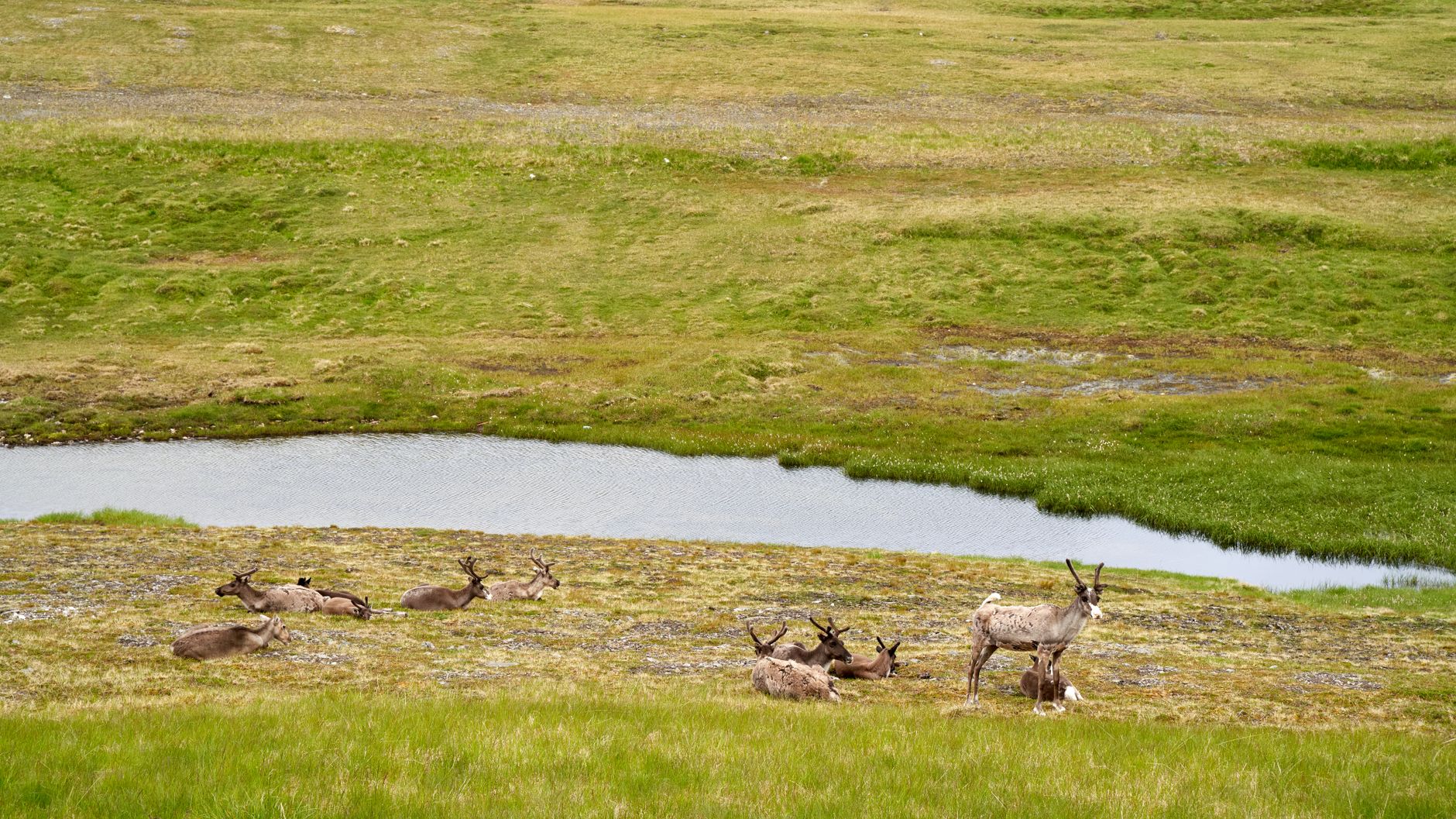
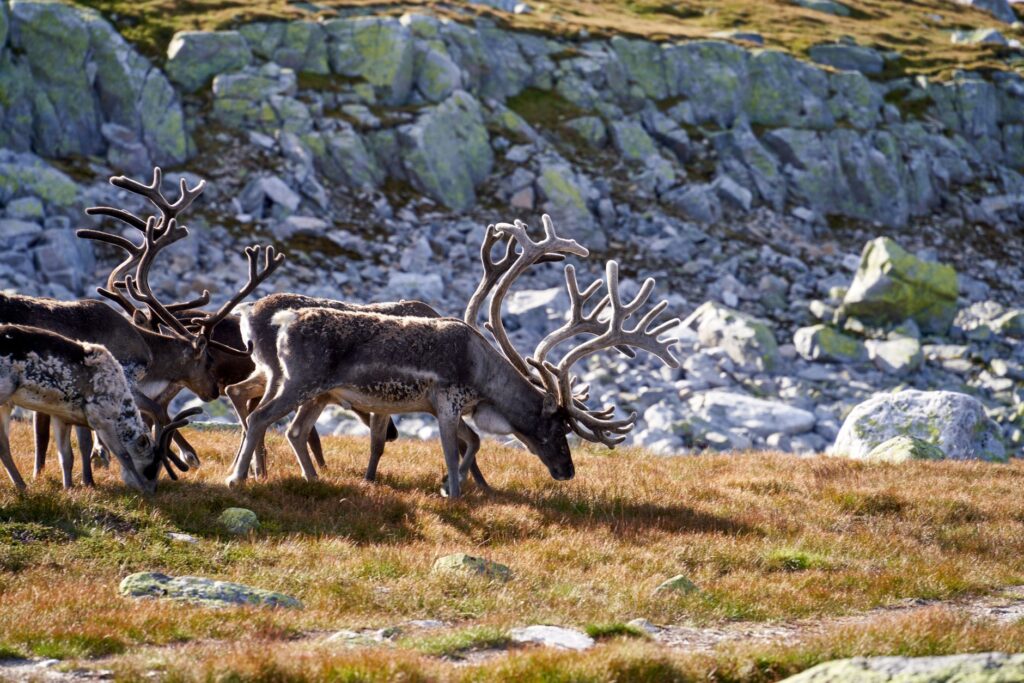
To understand the Kungsleden without the presence of the Sami people is to strip it of its historical and cultural pulse. For centuries, herders have guided their reindeer herds (Rangifer tarandus) from the winter boreal forests to the high alpine pastures during the summer months. This ancestral transhumance is not merely an economic activity, but the backbone of a worldview rooted in absolute respect for natural cycles and reciprocity with the land.
During the trek, encounters with the animals are frequent yet fortuitous. Reindeer, adapted with wide hooves that act as natural snowshoes over marshy terrain, travel in family units or extensive herds. Their dense coats and imposing branched antlers contrast with the sober vastness of the tundra. Sami herders, who today combine traditional herding methods with satellite tracking technologies, keep alive a language and craft practices that withstand the pressures of climate change and mass tourism.
Logistics and Refuges on the High Arctic Route
Tackling the journey requires meticulous planning due to the remoteness of services and the meteorological volatility characteristic of the polar region. The STF refuge system, spaced at reasonable daily marching distances, offers indispensable shelter against sudden weather changes. These mountain hostels, generally equipped with bunks, wood-burning stoves, gas kitchens, and small shops with basic provisions, foster a strong sense of community among hikers from around the world.
Self-sufficiency is an unwritten rule along the trail. Every hiker must carry camping gear, high-performance waterproof clothing, freeze-dried rations, and reliable navigation systems, since mobile phone coverage is practically nonexistent in deep valleys. The regulations of wild camping, supported by the Swedish right of public access (Allemansrätten), allow pitching a tent almost anywhere provided the natural environment is strictly respected and no traces of human passage are left behind.
The Arctic grants no second chances to the imprudent; its resounding beauty demands both respect and technical preparation.
The Trek from Alesjaure to Tjäktja: The Roof of the Trail
Passing Lake Alesjaure, where turquoise waters open among slopes inhabited by shorebirds, the trail begins a steady climb toward the Tjäktja Pass, the highest point of the entire route at over a thousand meters above sea level. This alpine stretch tests the physical and mental endurance of hikers, especially when gale-force winds sweep the rocky gap and temperatures drop sharply, even in the height of summer.
At the summit of the pass, a dome-shaped emergency shelter offers a sterile yet life-saving refuge to catch one’s breath. From there, the perspective southward is breathtaking: a U-shaped valley stretches as far as the eye can see, crossed by silver meanders and flanked by dark rock walls where water drips incessantly. Descending toward the Sälka refuge involves traversing unstable boulder fields where every footfall must be measured with millimeter precision to prevent injury.
Natural Architecture and Traditional Mobility
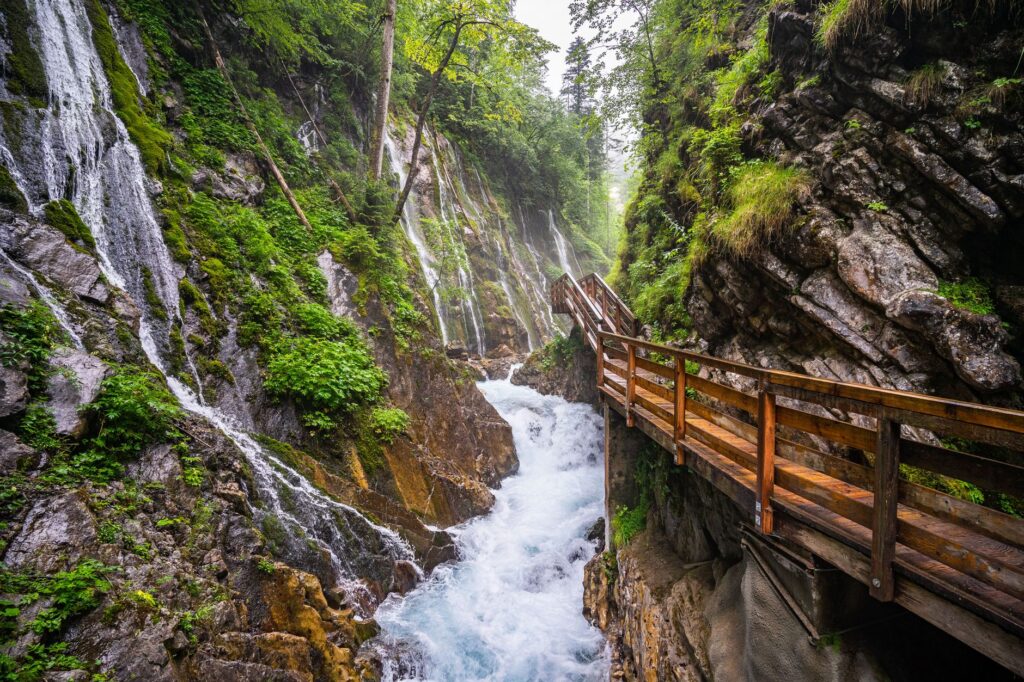
Human infrastructure along the Kungsleden stands out for its respect for the landscape. The steel and wood suspension bridges crossing glacial torrents are masterpieces of lightweight engineering, designed to withstand the immense pressure of winter ice without altering natural watercourses. These suspended walkways make impassable gorges crossable and guarantee route continuity during periods of intense thaw.
Alongside hiking, traditional and low-impact transport methods continue to play a vital role in park connectivity. On certain long lakes, such as Akkajaure or Teusajaure, hikers must use community rowboats—where the system requires three trips to transfer all members of a group—or hire local Sami boatmen who ferry travelers across cold currents in specialized motorboats.
Cultural Symbiosis: Diet and Fire on the Tundra
Mountain gastronomy along the Kungsleden reflects extreme adaptation to the arctic environment. In the main refuges and Sami settlements, basic ingredients retain the imprint of local resources: cured or smoked reindeer meat, river fish such as Arctic char, vitamin-C-rich wild berries like cloudberries (hjortron), and traditional flatbread baked on stone. Sharing a hot meal around the cast-iron stove at nightfall constitutes one of the most enriching moments of the human experience on the trail.
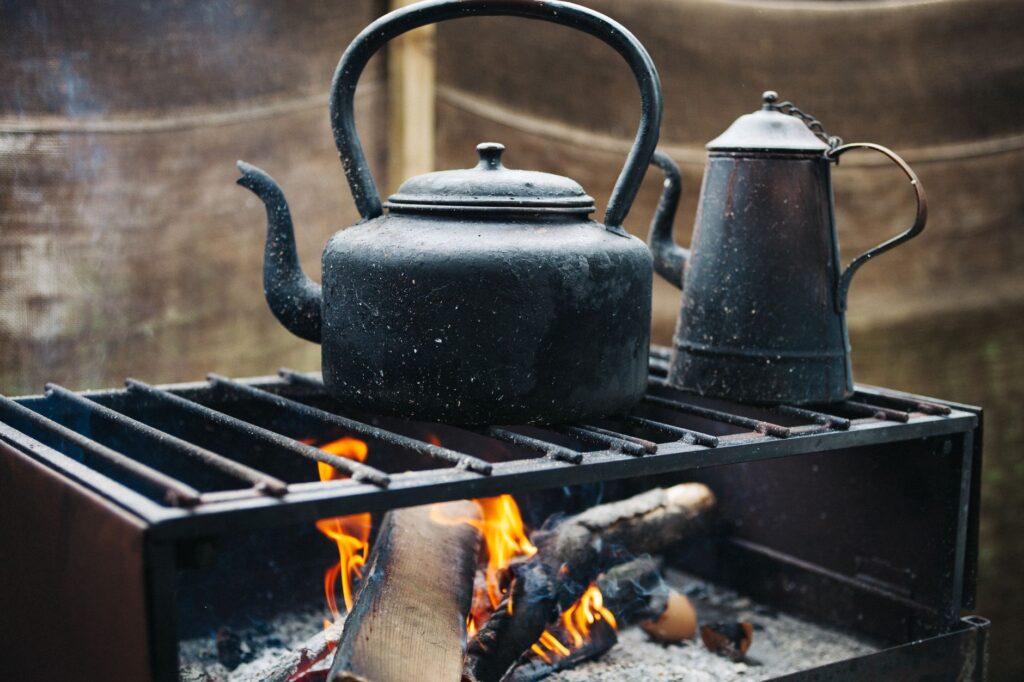
Fire, in an environment where wood is a scarce and precious commodity, acquires an almost ritual value. Refuge stoves not only warm damp rooms after days of persistent rain, but act as meeting points where stories of solitary travelers, veteran guides, and local herders converge, weaving a tapestry of experiences that transcends linguistic and cultural barriers.
Practical guide
How to get there: Fly to Stockholm (ARN) and take the overnight SJ sleeper train directly bound for Abisko Turiststation or Kiruna, a rail journey of approximately seventeen hours crossing Swedish boreal forests into the Arctic Circle.
When to go: The official hiking season runs from late June to mid-September. July and August offer milder temperatures and continuous light, while September brings the autumn colors of the fjäll and the first northern lights.
Accommodation: Network of Swedish Touring Club (STF) refuges, where overnight stays are available in communal bunks (advance booking recommended in high season) or camping nearby for a small facilities fee.
Essential gear: High-cut hiking boots with a waterproof membrane and already broken-in, layered clothing featuring merino wool and windproof hardshells, a sub-zero sleeping bag, first aid kit, and water purification system.
Permits and regulations: No national park entrance fee is required, but strict compliance with the Allemansrätten code of conduct, designated latrines, and responsible waste management is mandatory.
The true weight of luggage is not measured in kilograms on the back, but in the capacity for wonder we retain before the untamed vastness of the north.
As the trek nears its final stretch, the body feels the cumulative strain of the past days, yet the mind experiences a remarkable clarity. Daily concerns dissolve into the immensity of the arctic landscape, replaced by the rhythmic beat of footsteps on gravel and the open horizon. Reindeer graze in the distance, indifferent to our presence, reminding us that we are merely temporary spectators in an ancient domain governed by laws beyond human haste.
Source in EN: The New York Times (https://www.nytimes.com/2026/09/16/travel/sweden-lapland-kungsleden-trail-arctic-hiking.html)