
Beyond the Game: The Quest for a New Visual Narrative
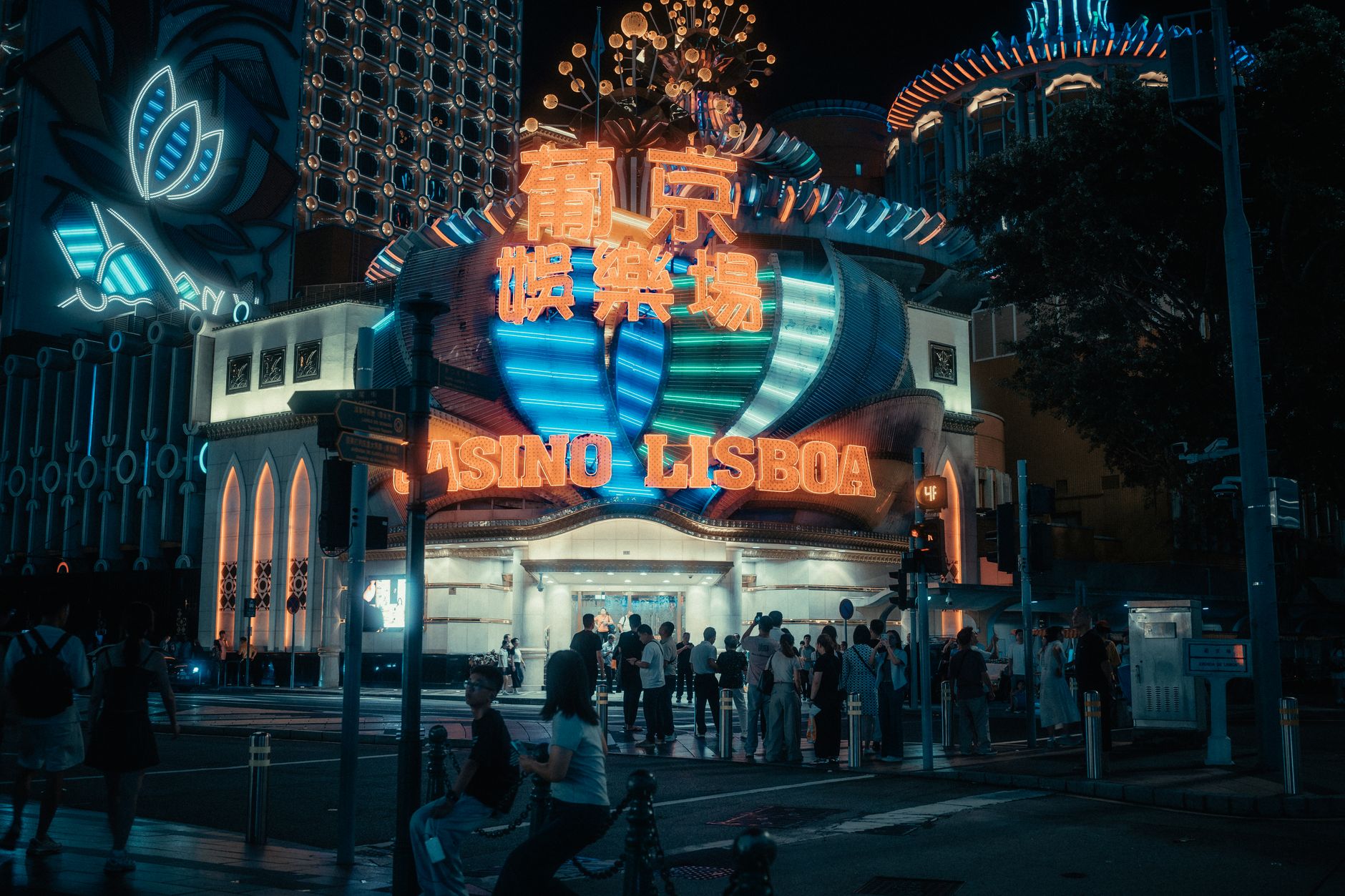
For decades, Macao’s rhythm has been dictated by the flicker of giant screens, the incessant murmur of gaming chips, and the constant flow of millions of visitors drawn to the world’s most lucrative gambling district. Yet, within the folds of this territory spanning barely thirty-three square kilometers, one of Asia’s most unique cultural syntheses survives: the symbiosis between Cantonese tradition and the administrative and architectural footprint of four centuries of Portuguese colonial rule. This delicate balance has frequently been relegated to the background, overshadowed by the monumental scale of hotel complexes and standardized leisure circuits.
To counter this inertia and provide the destination with a layer of identity depth, the Macao Tourism Office has launched an ambitious cultural design competition. The proposal seeks neither superficial ornament nor mass-produced souvenirs under low-cost premises, but the creation of functional, conceptual, and aesthetic pieces that translate the peninsula’s historical complexity into contemporary design codes. With this call open to creators worldwide, the local administration aims to turn urban memory into living material, capable of dialoguing both with new generations of residents and with travelers seeking to understand the back-story of this strategic enclave in the Pearl River Delta.
The Dual Soul of the Peninsula: Architecture and Urban Memory
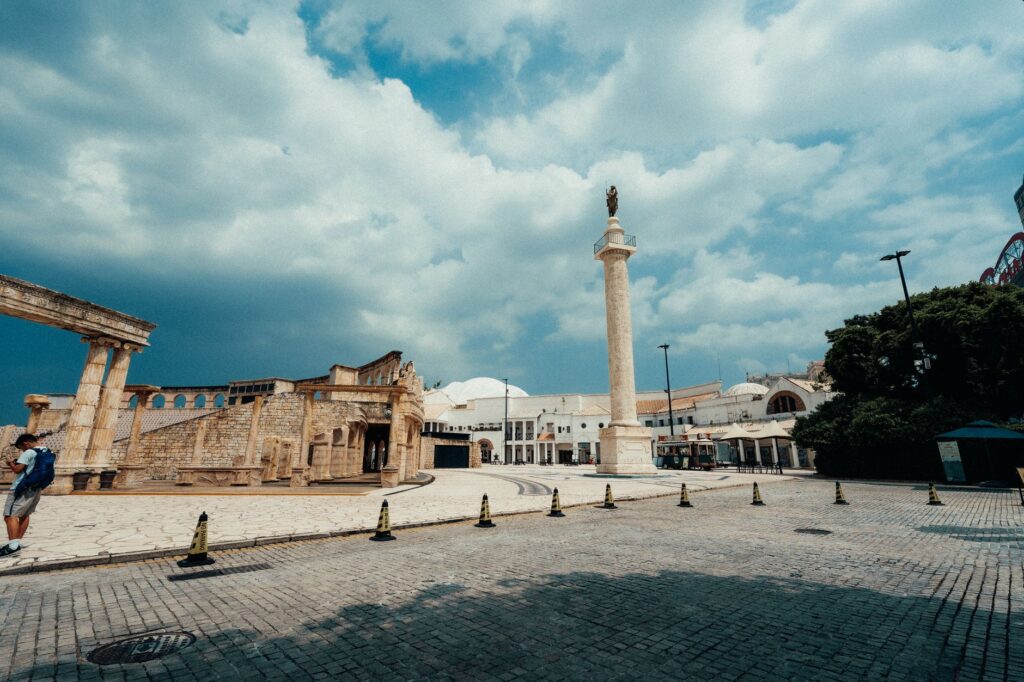
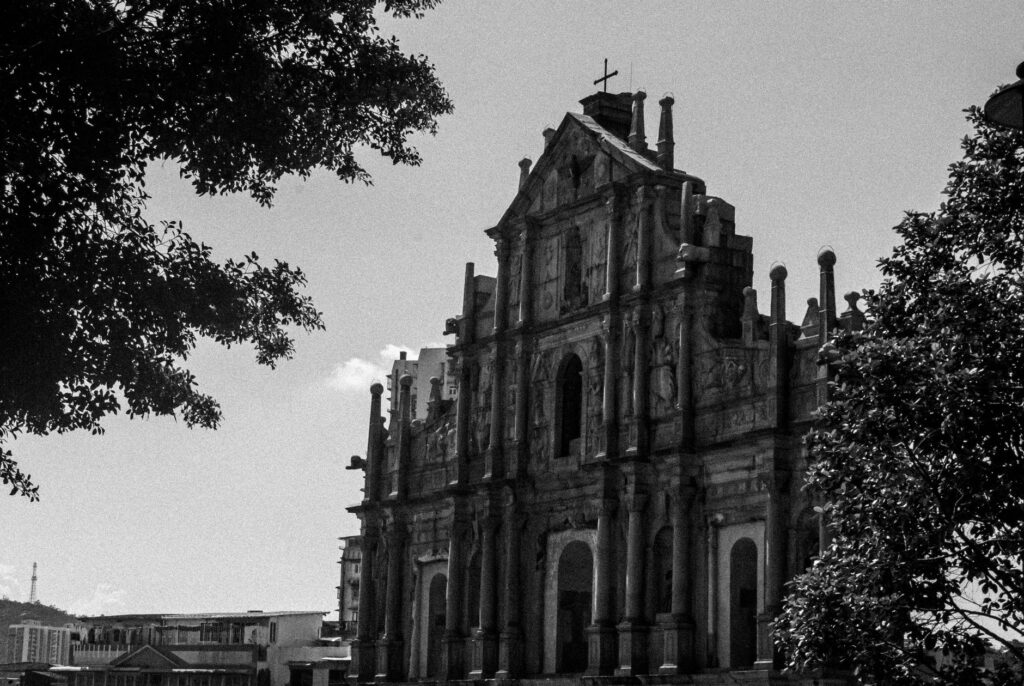
Walking through Macao’s historic center is an exercise in superimposed cartography. Cobbled streets featuring black-and-white wave patterns—identical to those paving the plazas of Lisbon or the Azores archipelago—abruptly lead to Buddhist temples where the smoke of spiral incense coils rises toward altars dedicated to the goddess A-Ma. This duality is not merely picturesque; it constitutes a three-dimensional archive that the new design competition aims to decode. Participants face the challenge of materializing the tension and harmony between two worlds into everyday objects that, far from merging into pastiche, have coexisted through adaptation and the superposing of uses.
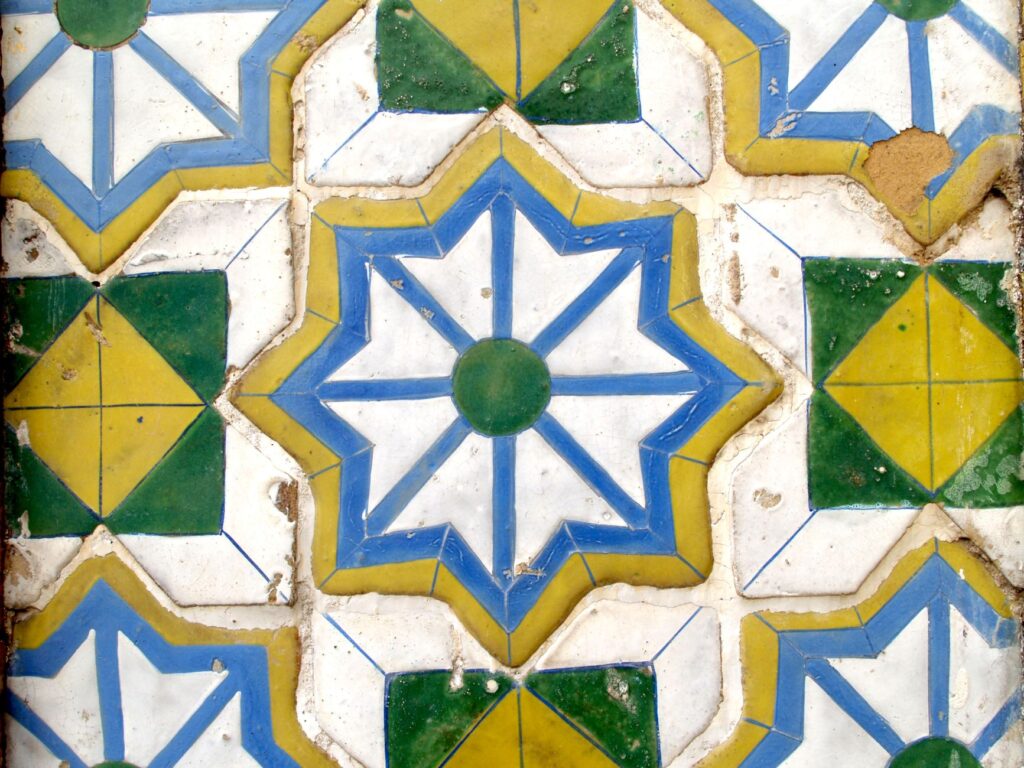
Macao’s urban fabric functions as an organism where domestic scale coexists with institutional grandiloquence. Pastel-colored facades with green wooden shutters stand alongside granite arcades and bilingual ceramic plaques in Chinese and Portuguese. It is precisely within this liminal territory that design proposals find their most fertile raw material. The reinterpretation of azulejos, floral motifs from temples, or the structure of traditional boat houses emerges as axes upon which contemporary designers must build a visual vocabulary that avoids easy exoticism and delves into the architectural authenticity of the place.
The Role of the Global Creator Versus Local Tradition
One of the most complex aspects of the call driven by tourism authorities lies in the balance between the foreign gaze and local anthropological rigor. In a globalized economy, the risk of falling into aesthetic appropriation or commercial simplification is high. For this reason, the contest rules emphasize the need for prior research by contestants, urging them to collaborate with local artisans, historians, and experts in intangible heritage before drawing the first line on paper or modeling the first volume in digital support.
Design is not merely the form that objects take, but the ethics with which the cultures inhabiting them are interpreted.
This methodological requirement seeks to prevent the contest from becoming a mere showcase for ephemeral trends. Organizers have stressed that selected pieces must stand out not only for their formal craftsmanship but for their capacity to tell a truthful story about Macao’s social evolution. From mestizo gastronomy (Macanese cuisine, recognized as a unique culinary heritage) to traditional woodworking and goldsmithing techniques, design establishes itself here as a cultural mediation bridge capable of connecting collective memory with global circuits of artistic production.
Cultural Symbiosis: Cuisine and Arts as Witnesses
Macao’s identity cannot be understood without attending to its table, a space where spices from Malacca and Goa merged with Cantonese cooking techniques and olive oil brought by Portuguese navigators. This same mestiza logic is what the design competition seeks to transfer to the realm of tangible objects. Reinterpreted kitchen utensils, modular tableware evoking historical maritime trade, or textiles combining European linen with oriental silk form part of the spectrum of material solutions creators are summoned to explore.
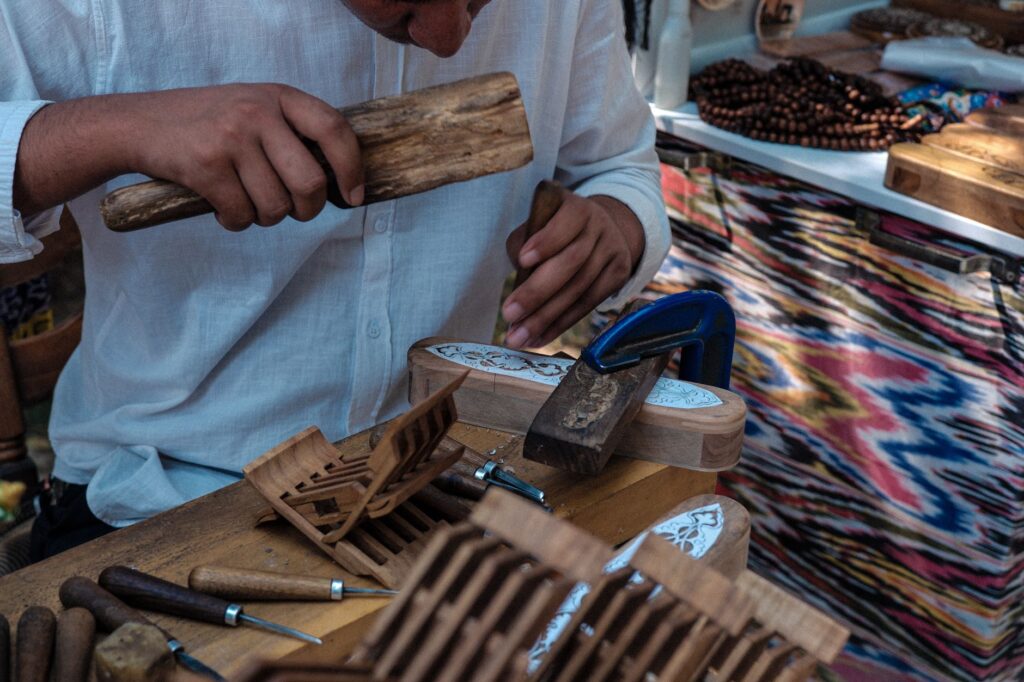
Traditional Macanese craftsmanship, although diminished by industrialization and the displacement of urban land toward tertiary activities, maintains pockets of resistance in family workshops located in neighborhoods like St. Lazarus or the alleys near the Red Market. The tourism initiative aims to breathe oxygen into these crafts by integrating traditional knowledge into the manufacturing processes of finalist prototypes. Thus, contemporary design acts as an economic and social catalyst, ensuring the intergenerational transmission of techniques that might otherwise face extinction in institutional oblivion.
Sustainability as an Aesthetic and Functional Imperative
In the context of the twenty-first century, any contest aspiring to redefine the image of a tourism destination must transversally incorporate environmental sustainability criteria. Macao, a densely populated territory with high vulnerability to the climate challenges of the South China Sea, cannot afford projects generating a disproportionate ecological footprint. Therefore, the competition guidelines prioritize the use of local, recycled, or low environmental impact materials, as well as the durability and reparability of submitted pieces.
This ecological approach redefines the beauty of objects not based on ostentation, but on systemic coherence. The use of certified timber, native plant fibers, and natural pigments recovered from local dyeing traditions are among the paths explored by cutting-edge designers. The resulting style flees from the strident luxury characteristic of mega-casinos to embrace a contemporary sobriety, where elegance resides in the purity of lines, respect for raw materials, and the constructive honesty of each piece.
Practical guide
- How to get there: Macao is primarily accessible via Macao International Airport (MFM) or through high-speed ferries from Hong Kong and Shenzhen. The Hong Kong-Zhuhai-Macao Bridge also allows road access via authorized shuttle buses.
- When to visit: Autumn and winter months (October to March) offer the most pleasant weather conditions, with mild temperatures and lower humidity levels compared to the subtropical summer.
- Recommended accommodations: For an experience connected to local history, finding options around the Historic Center and St. Lazarus district, away from the large Cotai Strip complexes, is recommended.
- Urban transit: The public bus network efficiently covers the entire territory. Much of the historic center is pedestrianized, so walking is strongly advised to appreciate architectural details.
- Heritage etiquette: Visitors are reminded of the importance of respecting active places of worship (temples and churches) by maintaining silence and avoiding flash photography in restricted zones.
- Cultural initiatives: To closely follow the phases of the design contest and view temporary exhibitions of finalist prototypes, consult the official Macao Government Tourism Office platform.
The Intimate Pulse of a City Between Two Worlds
At dusk, when the artificial glimmers of the Cotai hotel strip begin to compete with the sunset over the estuary, Macao’s true face is revealed in small details. In street corners where elderly residents play mahjong beneath the shade of an old banyan tree, or in the lingering aroma of toasted almonds emanating from traditional bakeries on Rua do Cunha, lies the true substance of this enclave. The design contest driven by the authorities is not a destination, but a turning point: an invitation to look anew at the everyday to ensure Macao’s history does not dissolve in the tide of global tourism, but renews itself through the creativity and intelligence of those who know how to read its invisible geography.
This effort to materialize memory into tangible objects demonstrates that the future of cultural tourism does not lie in building new disposable attractions, but in deepening and valuing what already exists. By equipping creators with tools to reinterpret the past, Macao charts its own path, proving that modernity and tradition are not mutually exclusive terms, but two sides of the same coin in constant transformation.
Source in EN: Nomad Lawyer