
A Paradigm Shift in the Contemporary Traveler
In recent years, the landscape of tourism in the United States has undergone a radical transformation. What was once a quest for saturated urban destinations and mass-consumption experiences has shifted into a vibrant movement toward wide-open spaces, fresh air, and sustainability. This phenomenon, driven by a collective need to reconnect with the environment, has found an ideal sanctuary in the state of Maine. Specifically, the Wolfe’s Neck Center for Agriculture & the Environment has emerged as a beacon for those seeking more than just a getaway: an immersion into the health of the earth.
Located in the picturesque town of Freeport, this enclave is not merely a scenic destination but a living laboratory for regenerative agriculture. The momentum that outdoor tourism has gained in the region is no accident; it responds to a deliberate strategy of integrating environmental education with low-impact recreation. Here, the traveler is not a mere observer but a participant in an ecosystem that seeks to mitigate climate change while offering a necessary respite from the frantic pace of modern urban life.
The Geography of Silence in Casco Bay
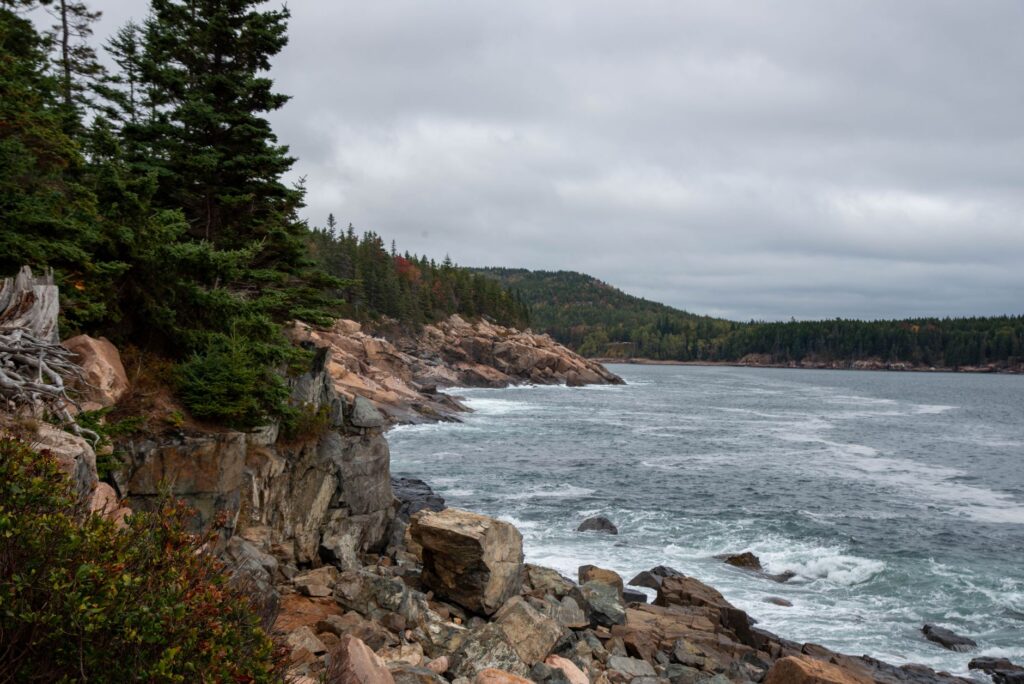
The Maine coastline is famous for its jagged profile, granite rocks, and pine forests that seem to whisper ancient stories to the wind. At Wolfe’s Neck, this geography manifests with breathtaking purity. Trails wind along salt marshes and grazing fields, offering uninterrupted views of Casco Bay. It is a place where the rhythm is set by the tides and the cycle of seasons, allowing visitors to tune into a much slower and more rewarding temporal frequency.
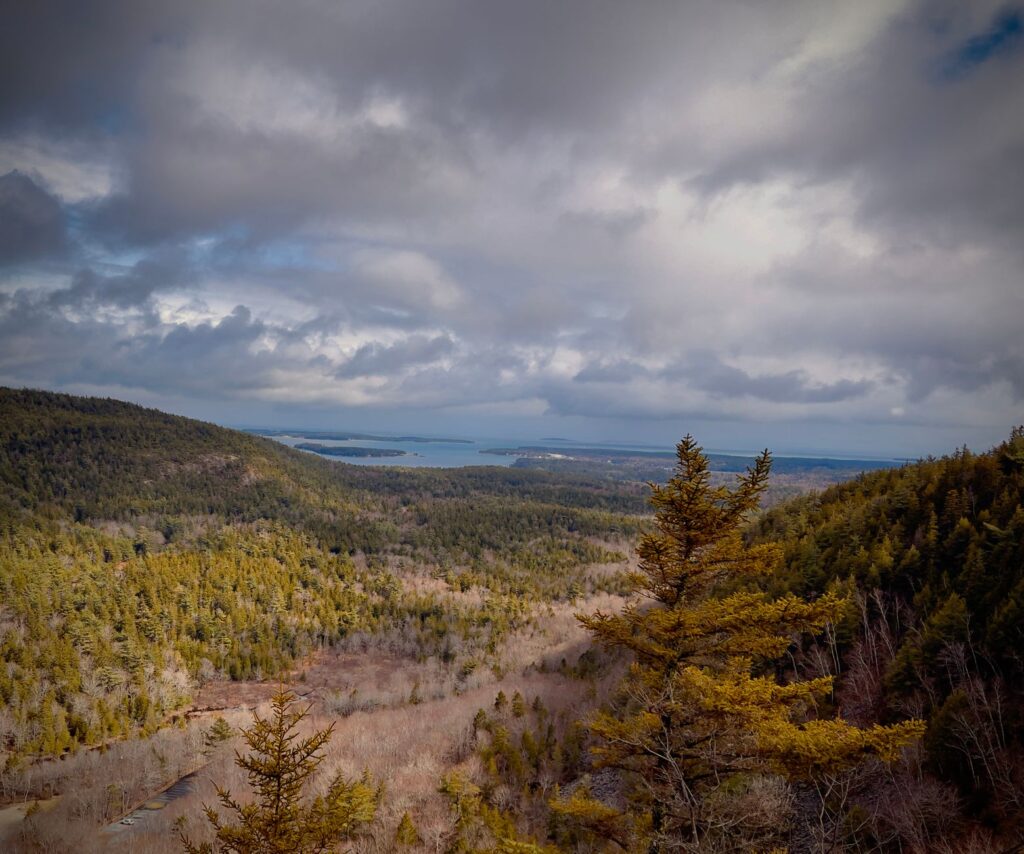
The terrain combines the ruggedness of the Atlantic shoreline with the softness of cultivated meadows. This duality is fundamental to understanding the area’s appeal. On one hand, the wild nature invites exploration and wonder; on the other, the human hand, guided by ecological principles, demonstrates that food production and conservation can coexist in harmony. Visitors often spend hours simply watching the play of light on the water—an activity that, while simple, has become a luxury in the age of digital distraction.
An Ecosystem of Learning and Recreation
Unlike theme parks or luxury resorts, Wolfe’s Neck offers an experience rooted in authenticity. Educational programs for families and children are at the heart of its mission. Here, younger generations can learn where their food comes from by participating in vegetable harvesting or getting up close with livestock management. This facet of educational tourism is gaining significant traction as parents seek experiences that leave a positive mark on their children’s consciousness.
The real voyage of discovery consists not in seeking new landscapes, but in having new eyes for the land that sustains us.
In addition to education, active leisure plays a leading role. Canoeing and kayaking in the calm waters of the bay provide a different perspective of the shoreline, revealing hidden coves and diverse birdlife, including bald eagles and great blue herons. The infrastructure is designed to be minimally invasive, ensuring that the natural beauty drawing tourists remains intact for future generations.
Regenerative Agriculture: The Heart of the Project
The concept of regenerative agriculture is the pillar upon which the entire experience at Wolfe’s Neck is built. Unlike conventional organic farming, regenerative practices go a step further, focusing on restoring soil health, increasing biodiversity, and capturing carbon from the atmosphere. For the tourist, this translates into more vibrant landscapes and a direct connection to solutions for global environmental issues. Watching cows rotationally graze through fresh fields is not just a bucolic image; it is a lesson in applied ecology.
This approach has attracted a new profile of visitor: the conscious traveler. This individual does not just seek pretty landscapes but wants their tourism spending to support initiatives that combat climate change. Wolfe’s Neck has successfully capitalized on this interest, offering specialized tours that explain composting techniques, grassland management, and the importance of pollinators. It is, in essence, purposeful tourism that satisfies the mind as much as the spirit.
Economic Impact on Local Communities
The boom in outdoor tourism in Maine has had a multiplier effect on the local economy. Freeport, traditionally known as a shopping hub, is seeing its visitor flow diversify toward ecotourism. Small producers, artisans, and local innkeepers benefit from an audience that values craftsmanship and zero-mile products. This economic dynamism is vital for maintaining the vitality of rural communities, which often struggle with seasonality.

Recent statistics indicate that the outdoor recreation sector contributes billions of dollars to the U.S. economy, and states like Maine are at the forefront of this trend. Investment in trails, sustainable campgrounds, and visitor centers not only improves the tourist experience but also raises the quality of life for permanent residents, creating a virtuous cycle of sustainable development.
Camping Under the Maine Stars
One of the most sought-after experiences is camping at Recompence Shore. Located within the Wolfe’s Neck property, this campground offers one of the few opportunities in the region to sleep just yards from the ocean. However, this is no conventional campground; strict environmental respect rules apply, from waste management to noise control. The reward is a night under a starlit sky free of light pollution, where the only sound is the gentle lap of waves against the shore.
For many, this is the culmination of their journey. The simplicity of pitching a tent and cooking outdoors fosters a sense of camaraderie and inner peace that is hard to find in other settings. Technological disconnection is almost total, allowing conversations to flow and senses to sharpen. It is in these moments of stillness that one truly understands why nature tourism is gaining such momentum.

Sustainability is not a destination, but a way of walking through the world with respect and wonder.
Challenges and the Future of Nature Tourism
Despite its success, the growth of outdoor tourism presents significant challenges. Pressure on fragile ecosystems is real, and managing visitor flow is crucial to preventing environmental degradation. Wolfe’s Neck addresses this through careful planning and continuous education. The goal is for every visitor to become an ambassador for conservation, taking home not just photos but a new environmental ethic.
The future looks promising, with plans to expand research programs and further improve renewable energy facilities on-site. The idea is to make Wolfe’s Neck a replicable model in other parts of the country, proving that tourism can be a powerful force for ecological and social regeneration. The key lies in maintaining authenticity and not yielding to the pressures of excessive commercialization.
Practical Guide
For those interested in visiting Wolfe’s Neck and the Maine coast, proper planning is essential to maximize the experience and minimize impact.

- Best Time to Visit: Summer (June to August) offers the best weather for camping and water activities, but autumn (September and October) is spectacular for foliage and cooler hiking temperatures.
- Getting There: The center is about a 10-minute drive from downtown Freeport and about 30 minutes from Portland, Maine. Carpooling or biking is recommended if staying nearby.
- Reservations: For the Recompence Shore campground, it is essential to book several months in advance, especially for summer weekends.
- Necessary Gear: Sturdy hiking boots, eco-friendly sun protection, insect repellent, and layered clothing, as Maine’s coastal weather can change rapidly.
- Recommended Activities: Don’t miss the organic farm tour, kayak rentals to explore nearby islands, and hiking the Casco Bay Trail.
- Sustainability: Practice ‘Leave No Trace’ principles. Pack out everything you pack in and respect wildlife by maintaining a safe distance.
A Commitment to Tomorrow
At the end of the day, what remains from a visit to Wolfe’s Neck is a sense of hope. In a world often overwhelmed by bleak environmental news, this corner of Maine demonstrates that there are viable paths toward a more balanced future. The surge in outdoor tourism is not just a passing fad but a symptom of a profound shift in our societal priorities.
Walking through these fields at sunset, with the scent of salt and fresh earth in the air, is a reminder of our belonging to the web of life. The momentum this type of tourism has gained is an invitation to travel with greater awareness, to value the local, and to understand that every step we take in nature must be a step toward its protection. Maine teaches us that true luxury is the purity of a well-tended landscape.
Source: Nomad Lawyer via Google News