
Beyond the Coastal Glare
When analyzing the economic impact of the tourism sector in the United Arab Emirates, macroeconomic figures immediately evoke images of opulent boulevards, colossal shopping malls, and glass towers defying the sky in Dubai and Abu Dhabi. Yet, behind the recent injection of more than 250 billion dirhams into the national economy and international visitor spending approaching 209 billion, a profound and quiet transformation is underway. The true paradigm shift lies not merely in the magnitude of revenue, but in the geographical diversification of traveler flows toward the rugged interior of the country.
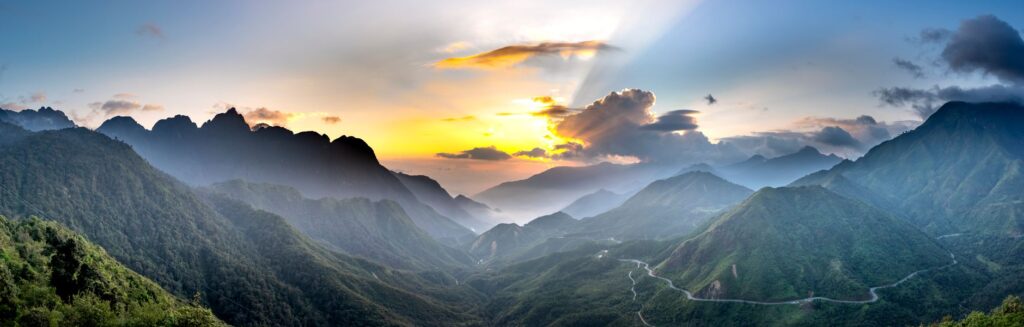
The mountains of Hatta, nestled in the eastern edge of the Al Hajar mountain range and surrounded by enclaves of the Sultanate of Oman, have become the epicenter of this new travel narrative. Far from urban hustle, this landscape of limestone sculpted by millennia, winding canyons, and turquoise water reservoirs represents a radical rethinking of the Emirati development model. Here, growth is no longer measured by the height of structures, but by the capacity to preserve desert biodiversity while offering a rigorous, environmentally respectful active tourism experience.
The Geography Sculpted by Water and Stone
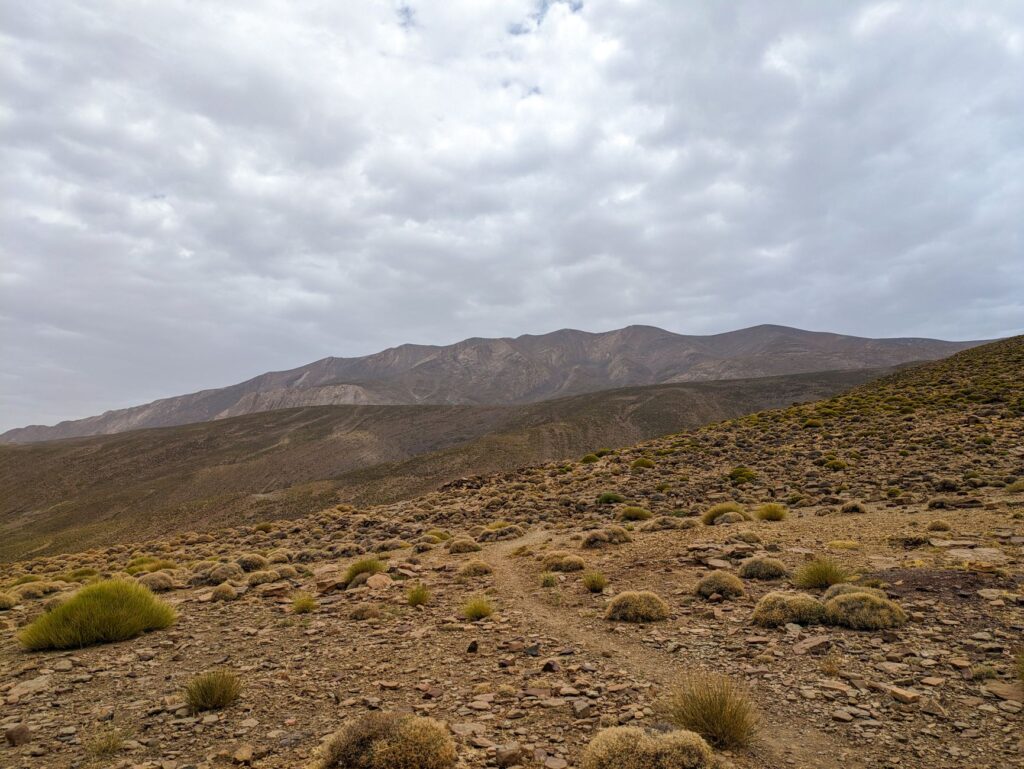
Hatta’s terrain is an open book on the geological history of the Arabian Peninsula. Ancient dry riverbeds, known locally as wadis, meander between rock formations that shift hue with the sun’s position, turning from dusty ochre to deep reds and metallic grays. This high-desert ecosystem harbors a surprisingly resilient fauna and flora, adapted to the region’s extreme thermal swings, where migratory birds find temporary refuge in river basins following rare but intense seasonal rains.
Infrastructure development in this fragile environment has been approached with a growing environmental sensitivity. Unlike massive urban interventions, projects deployed in the area seek to channel visitor flow without drastically altering natural ecological corridors. Hiking and mountain biking trails have been laid out following ancient shepherd paths and historical riverbeds, allowing travelers to experience the vastness of the geological landscape with a controlled ecological footprint and strict conservation guidelines.
Community Economy and Rural Development
The rise of nature tourism in Hatta is no market accident, but the result of a strategic master plan designed to inject capital into rural communities traditionally marginalized from the oil and real estate boom. The arrival of millions of visitors nationwide has directly impacted the local economy of these mountain villages, where small rural lodging initiatives, agricultural cooperatives, and trained local guides operate as the main drivers of inclusive growth.
This decentralization of tourism relieves pressure on coastal urban centers and redistributes economic benefits among highland residents. Local artisans, producers of native honey—a historical regional product—and managers of small adventure enterprises see this steady flow of travelers as an opportunity for long-term sustainability. Thus, tourism development becomes a tool to anchor populations to their territory, preventing migration toward major metropolises and revaluing the cultural heritage of mountain communities.
The true value of tourism investment in the United Arab Emirates is no longer measured solely by international spending volume, but by its capacity to rediscover and protect interior natural sanctuaries.
Active Adventure and Heritage Conservation
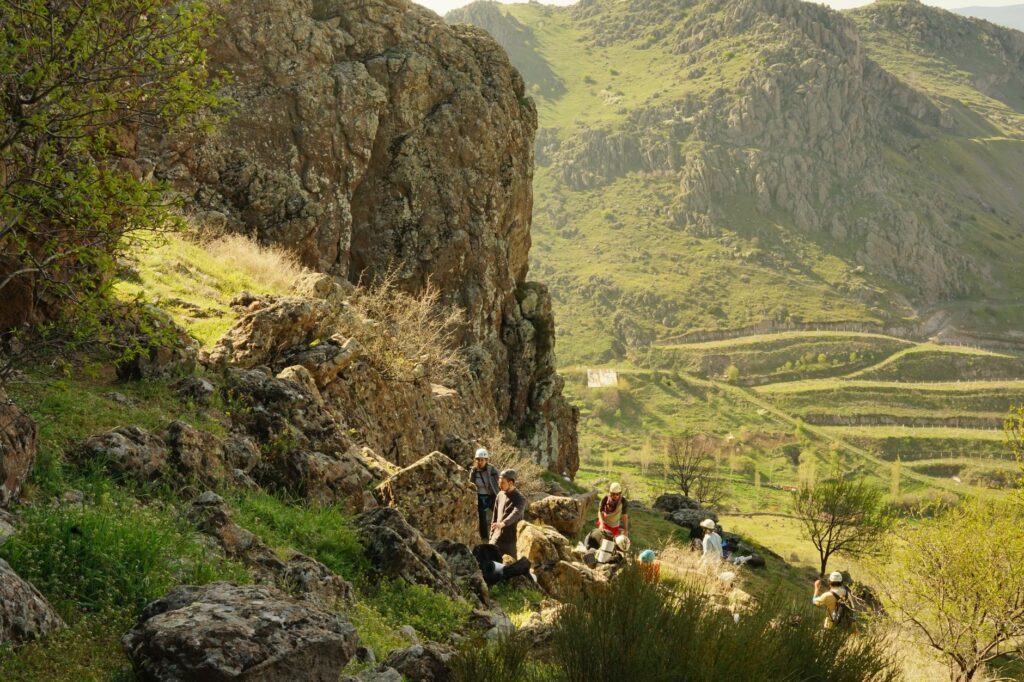
The profile of the traveler arriving in Hatta differs markedly from the traditional sun-and-beach tourist or urban luxury shopper. Here, visitors are predominantly interested in active ecotourism, hikers seeking to challenge physical endurance on technical trails, and history enthusiasts wishing to explore the remnants of the Emirati past. Hatta’s heritage village, complete with a restored watchtower, a historic fort, and traditional adobe dwellings, acts as a tangible bridge between ancestral Bedouin customs and the country’s dynamic present.
Managing this adventure flow requires a delicate balance. Local authorities and ecological operators implement strict regulations to prevent trail erosion, waste accumulation, and disruption of local wildlife. Motorized vehicle use is heavily restricted in sensitive areas, prioritizing travel on foot or by bicycle. This approach demonstrates that high tourism demand can be reconciled with the strict protection of a fragile mountain ecosystem with limited water resources.
The Hydrological Pulse and Climate Adaptation
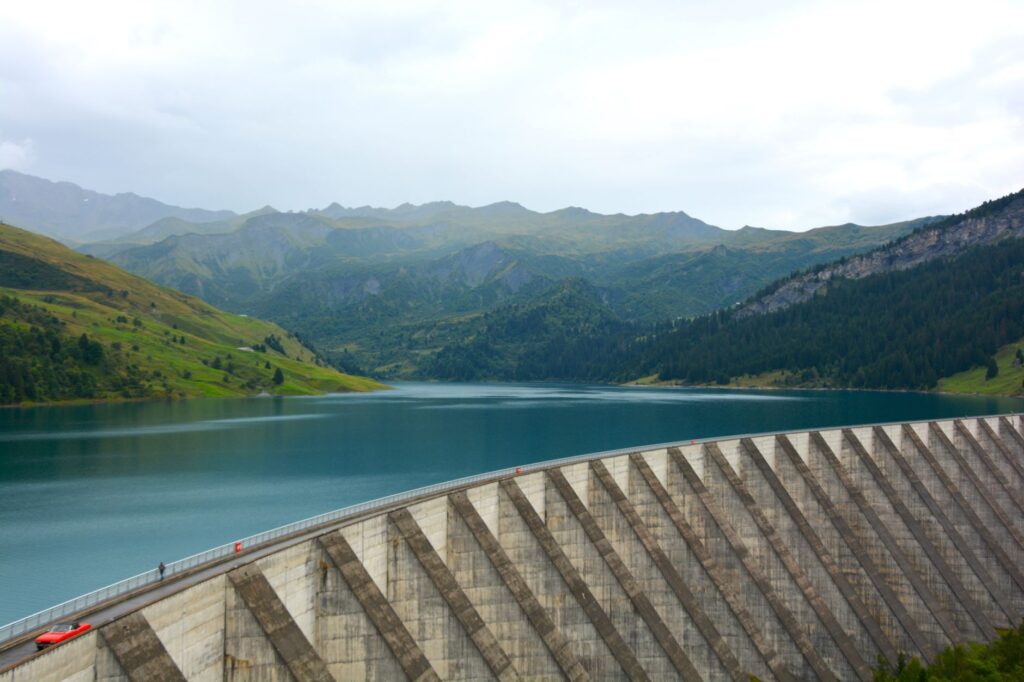
Water is the most precious and scarce resource in the geography of the UAE, and the mountains of Hatta play a fundamental role in its management and history. Dams constructed over recent decades have not only transformed the landscape’s visual aesthetic by creating large mirrors of water among rugged rocks, but also act as vital containment dikes to recharge underground aquifers during occasional rainfall.
Today, these reservoirs have been integrated into pioneering sustainable engineering projects, such as the upcoming pumped-storage hydroelectric plant designed to store energy using natural elevation differences. This approach reflects how the interior mountain regions are turning into laboratories of technological innovation oriented toward energy transition and water security, proving that the economic future of tourism and industry must go hand in hand with climate resilience.
Vernacular Architecture and the Art of Inhabiting Stone
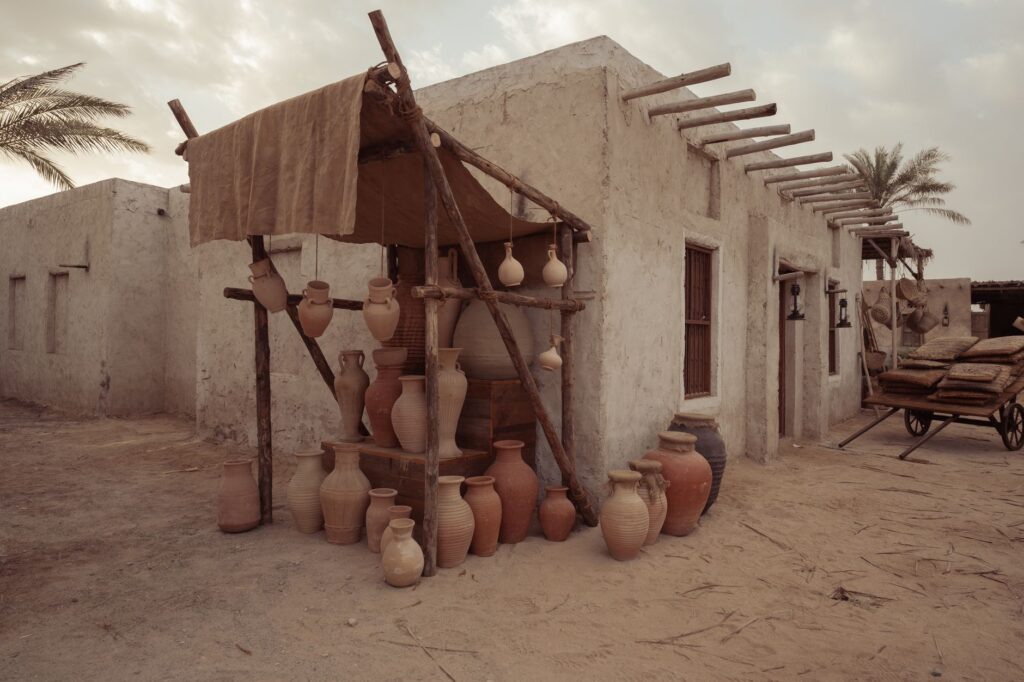
Human intervention in Hatta has historically been conditioned by the harshness of the environment. The region’s vernacular architecture is a masterclass in bioclimatic adaptation. Ancient stone, palm, and mud houses were conceived to maximize cross-ventilation and mitigate extreme summer heat using local materials with high thermal inertia and traditional breeze-catching systems.
The recovery of these historical settlements does not aim to create a sterile theme park, but to preserve a living architectural archive that inspires new sustainable construction designs across the country. Contemporary architects and urban planners study the housing solutions of Hatta’s former inhabitants to apply them to low-impact tourism complexes, proving that ancestral wisdom holds highly valid answers for 21st-century environmental challenges.
A Tourism Transition Toward Balance
The sustained growth of the Emirati tourism sector, far exceeding the forecasts of the past decade, finds its most mature expression in Hatta’s model. The transition from a purely quantitative model—centered on visitor records and macrostructures—toward a qualitative one valuing immersive experience, scenic respect, and community participation sets the industry’s course for coming years.
This shift is not without tensions; the ongoing challenge is to avoid overcrowding key hubs and ensure that lodging infrastructure expansion does not degrade the scenic and ecological value that draws travelers in the first place. Nonetheless, the institutional will to allocate significant resources to the protection of natural and cultural heritage in peripheral regions suggests the UAE is willing to rewrite its own tourism narrative.
Investing in the conservation of mountain landscapes is the only way to ensure that the economic success of tourism in the United Arab Emirates has a lasting future rooted in the land.
Practical guide
How to get there: The main access to Hatta is by road from Dubai or Sharjah via the E44 highway. The drive in a rental car or private vehicle takes approximately one and a half hours, crossing open desert stretches before entering the mountain range.
Best time to visit: Months between November and March offer the most favorable weather conditions, with mild daytime temperatures ideal for hiking and outdoor activities. The summer period should be avoided due to extreme heat.
Accommodation: Options range from equipped eco-camps and sustainable glamping complexes to guesthouses managed by local families in the historic core.
Safety recommendations: Appropriate mountain footwear, abundant water, broad-spectrum sun protection, and checking weather forecasts before embarking on long wadi hikes are essential, as flash floods, though infrequent, can occur.
The Final Silence of the Peaks
When the sun begins to descend behind the rugged peaks of Al Hajar, dyeing the slopes a deep amber and dissolving shadows in the canyons, Hatta recovers its ancestral pulse. In that moment of thermal respite, the bustle of Emirati modernity fades entirely, replaced by the whisper of wind among ancient rocks and the static reflection of water in the reservoirs. This silent landscape, sustained by delicate conservation engineering and carefully calibrated economic injection, proves that the true luxury of the 21st century lies not in artificial ostentation, but in the capacity to preserve the earth’s wild heartbeat intact.
Source in EN: Gulf News (https://news.google.com/rss/articles/CBMi3AFBVV95cUxON1R4Mm42dVpyOGloaTlHdFAyQ3RfUHhoVGVkRUlNZEhTVkFnSDlKZGNFZkt5YVMyZlBUM295dThRNXBhTjJhLWQ3NFZjUU93VVVtakFmQ3Uwa19mbzZKaFNOSjhxOHZuV3V3cWpGSzJrOXczSEZJeks2XzFzM1p3RElvR28xckRGQ25MbnJaVTdLaUt0dUZlYTQyeVF6VFNyS2QyYjBzR2Z4Z0FXclhvQTA2dFJhdzFqZzRkWndVYjVzeU5rZ2l3QWpxLVV6a3hvZ3pSdXhjaF9LMDI50gHvAUFVX3lxTE5SMUhkZmMzcFVYZFNhVWVZUUYzVjdRci1leHZLR1RSU19BNDhKMnlHZkZkelBjYk05SUFHM2pnNUNoU1NOb0ZETXl3WTdyMk1NSWxiT2NIVXZwM1RuTFVlSGFUZUExRlB2Yk5BLVNodW1ET25sVVQyeVhlOEtnazBDbzNOOHFEbFBPVXMyd3FOdEt4RGdMSm9KQWhyUVVRU0JDdlFkd3NsdDRwMzgxVzhkQ2NSN2dkeElFM2ItUW1TVklZX19ERDFRREV6NTZzQzdtUGVzaDNFd0ZUa0szdXd5aU1PSERwY3Z0LTBlRDRn?oc=5)