Introduction to the Atlantic Outpost
At the southwestern edge of the Madeira plate, constantly battered by cold northern currents and trade winds, rise the Desertas Islands. This small archipelago, devoid of human habitation, represents one of the most complex natural laboratories in the North Atlantic. Here, volcanic geology has sculpted an impenetrable network of basaltic cliffs plunging vertically into deep marine abysses. In this extreme environment, the Mediterranean and Atlantic monk seal—scientifically known as Monachus monachus—has found one of its last absolute strongholds for survival. Far from commercial shipping routes and protected by a topography that deters any terrestrial access, these islands hold the keys to understanding the demographic recovery of one of the most endangered marine mammals on Earth.
The rigorous study of this population requires delving into highly specific oceanographic dynamics. The waters surrounding the islets of Deserta Grande, Bugio, and Chão act as a nutrient trap driven by seasonal coastal upwellings. These oceanographic phenomena lift nutrients from the bathyal platform to the photic zone, triggering a phytoplankton bloom that sustains a dense community of benthic fish and cephalopods. For the monk seal, this littoral ecosystem is not merely an optimal fishing ground, but a structural refuge where semi-submerged sea caves serve as essential natural nurseries for the survival of pups during their first weeks of life.
Volcanic Genesis and Coastal Morphology
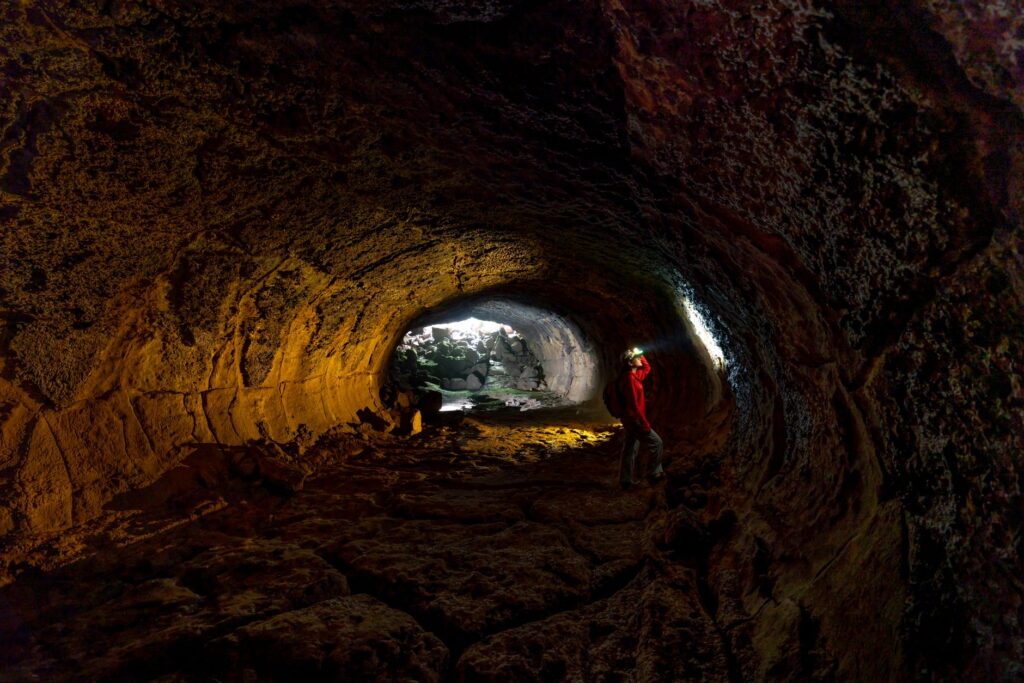
The insular architecture of the Desertas is the direct result of submarine volcanic activity during the Miocene and Pliocene epochs. Differential erosion processes and the constant pounding of the Atlantic surf have undermined the base of the cliffs, generating an intricate network of grottos, tunnels, and submerged cavities. These sea caves are the decisive element in the monk seal’s ecology. Unlike other pinnipeds that use open sandy beaches for reproduction, Monachus monachus depends absolutely on pebble platforms or dry rocks located inside these dark cavities, sheltered from the direct impact of marine storms.
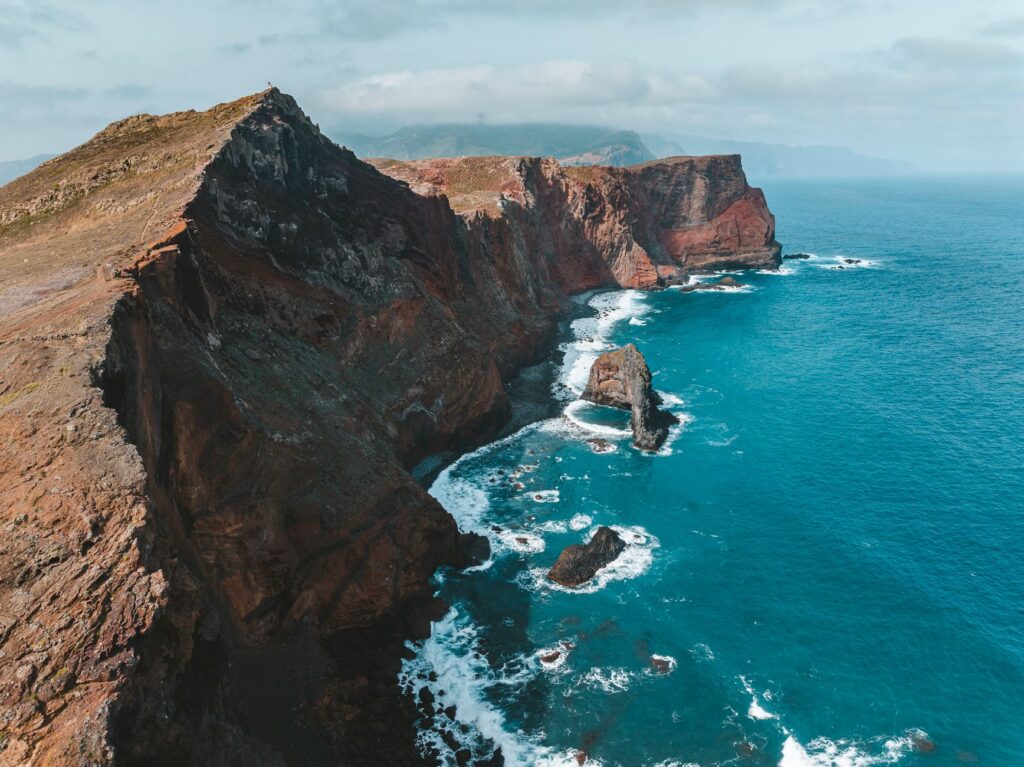
The stability of these grottos relies on a delicate hydrogeological balance. Freshwater seepage through basaltic fractures and tidal dynamics dictate the temperature and salinity within the nursery chambers. Any coastal alteration, whether through natural rockfalls or offshore human pressure, compromises the safety of these spaces. Recent oceanographic research demonstrates that water temperature inside the caves experiences minimal variation compared to the exterior, providing vital thermal buffering for newborns who lack the subcutaneous fat layer developed by adults.
Biology and Trophic Ecology of Monachus monachus
The monk seal is an apex predator with strictly coastal habits. Its diet, documented through the analysis of skeletal and fecal remains collected at cave entrances, reveals high specialization in capturing demersal and benthic fish, as well as octopus and other rock-dwelling cephalopods. Species such as dusky grouper, moray eels, and various sparid varieties form the energetic core of its metabolism. This reliance on littoral rocky bottoms restricts its home range to a relatively narrow strip of the continental shelf, increasing its vulnerability to artisanal overfishing and the use of gillnets in surrounding waters.
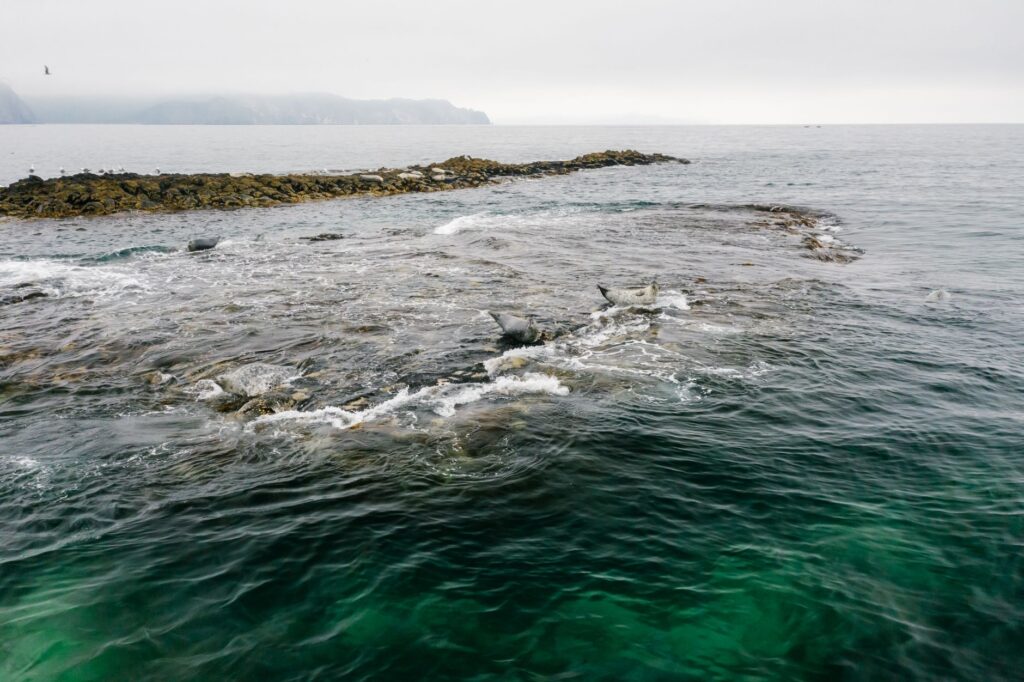
From a behavioral standpoint, the monk seal stands out for its extreme sensitivity to human presence. For decades, direct persecution by fishermen who viewed them as competitors for fishery resources pushed the species to the brink of functional extinction in the Atlantic. Today, acoustic censuses and infrared camera trapping inside the caves confirm a slow yet steady demographic recovery. Females display rigorous fidelity to their birthplaces, returning year after year to the same grotto to give birth to a single pup, a factor that limits the speed of the population’s geographic expansion to other islands in the archipelago.
Oceanographic Dynamics and Currents in the Madeira Channel
The migratory and dispersal behavior of juvenile specimens is profoundly conditioned by the eastern North Atlantic’s marine current regime. The primary flow of the Canary Current interacts with the submarine topography of the Desertas, generating mesoscale eddies and larval retention zones that enrich the local food web. These water movements not only transport food but also act as vectors of genetic connectivity between the Desertas population and other historical enclaves in North Africa and the Canary Islands.
Researchers from the Madeira Natural Park permanently monitor the physicochemical parameters of the water using oceanographic buoys and depth sensors. These devices record how coastal upwelling events—driven by northeast winds during spring months—drastically increase available biomass on the seabed. This seasonal abundance coincides with critical lactation and weaning periods, ensuring mothers have sufficient energy to sustain the demanding metabolic requirements of the pup without abandoning the vicinity of the nursery cave.
Conservation Strategies and Natural Reserve Management
Safeguarding the Desertas Islands constitutes one of the most remarkable success stories in protected area management within Macaronesia. Declared a Strict Nature Reserve in 1990 and subsequently equipped with comprehensive protection status, access to the terrestrial realm and surrounding waters is strictly prohibited without scientific or institutional authorization. The corps of rangers and marine biologists operates from a permanent base on Deserta Grande, patrolling the coasts via high-speed vessels and radar systems to deter poaching and the illegal anchoring of recreational boats.
blockquote>The recovery of the monk seal in the Desertas Islands demonstrates that strict habitat protection and the removal of direct anthropogenic pressure can successfully reverse the decline of marine species teetering on the abyss.
The conservation program is not limited to passive surveillance; it includes intensive environmental education outreach targeting fishing communities on Madeira Island and participation in international genetic data-sharing networks. Reducing underwater noise generated by commercial maritime traffic is another priority management front, as acoustic pollution interferes with the communication and orientation systems of pinnipeds inside the dark grottos.
The Impact of Climate Change on Rupicolous Habitats
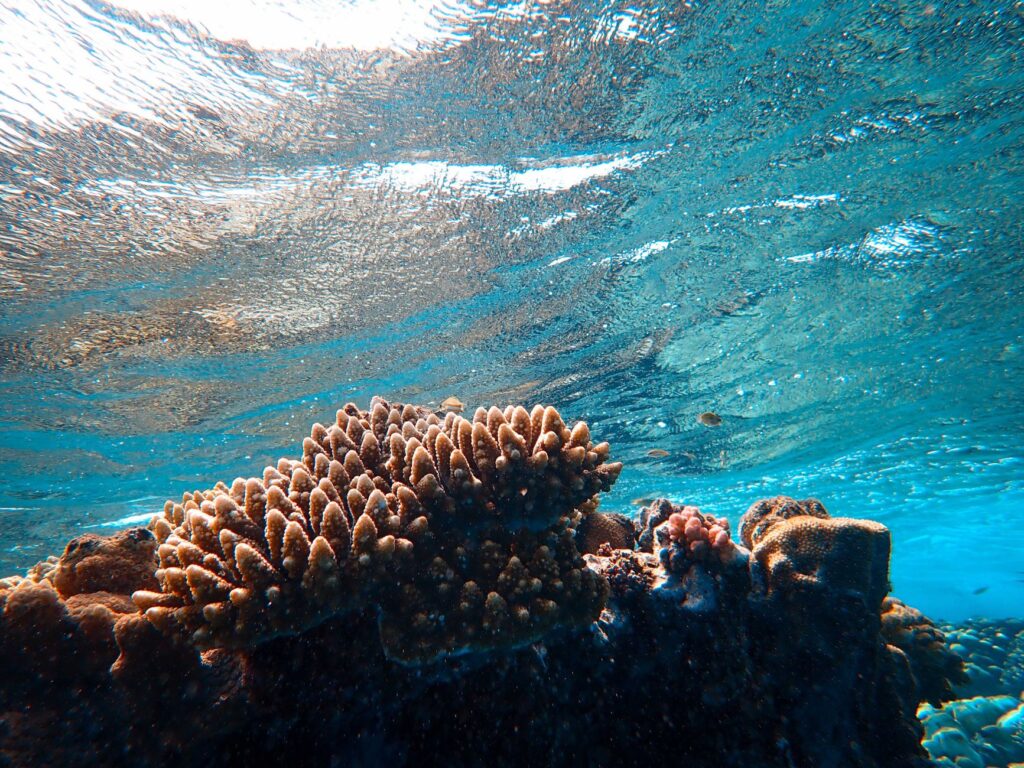
Over the past decade, researchers have identified emerging threats stemming from global climate disruption. Rising mean sea levels and an increased frequency of winter cyclonic storms in the North Atlantic are altering sea cave dynamics. Unprecedented wave energy penetrates violently into the grottos, flooding pebble platforms where newborn pups rest and occasionally causing the loss of entire litters through hypothermia or drowning before animals acquire aquatic proficiency.
Likewise, the progressive warming of subtropical Atlantic surface waters is modifying the spatial distribution of fish species that comprise the monk seal’s diet. Some temperate-water species are expanding their range northward, while traditional bottom resources experience biomass fluctuations. This trophic instability forces adult specimens to widen their foraging radii, increasing daily energy expenditure and demanding constant updates to management plans and marine protected zoning across the entire archipelago.
Practical guide
How to Get There and Access Restrictions
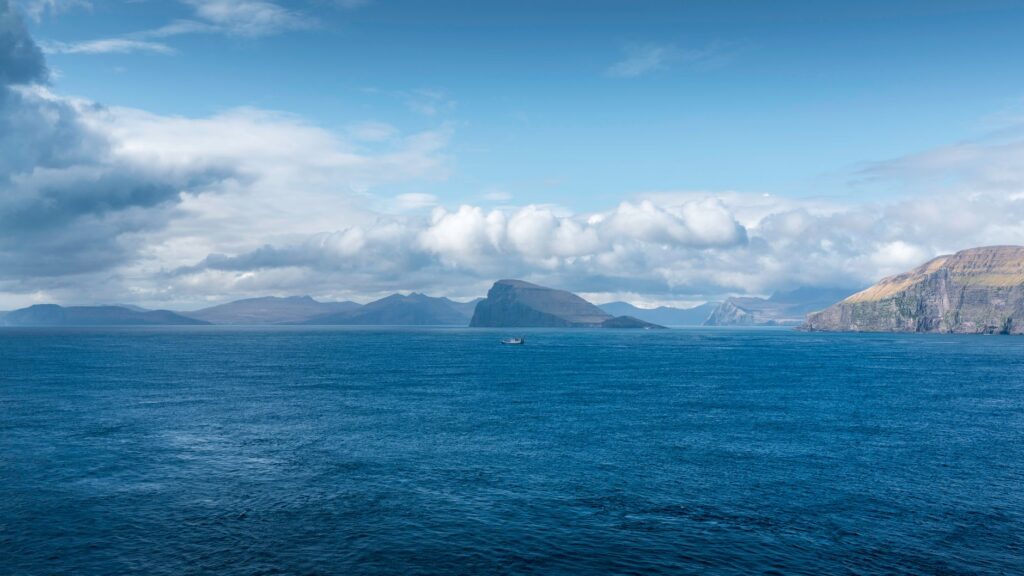
The Desertas Islands lie about 22 kilometers southeast of Madeira’s coast. As a Strict Nature Reserve, public access is strictly prohibited to safeguard the monk seal and nesting seabird colonies. No commercial tour boat may anchor on its shores or disembark passengers. The only exceptions are granted to researchers holding special permits issued by Madeira’s Institute of Forests and Nature Conservation (IFCN).
Observation from Environmental Respect
For travelers interested in the region’s marine biodiversity, the best alternative is to book authorized whale and marine fauna watching excursions operating from Funchal or Machico. These vessels operate under strict codes of conduct, maintaining a prudent distance from the marine protection boundaries and contributing occasional open-water sighting data to scientific teams.
When to Plan Your Trip to Madeira
The best time to visit the main island of Madeira and understand its oceanographic context spans from late spring to early autumn (May to October). During these months, sea weather conditions are more stable, facilitating navigation along the outer marine protection strip and participation in local interpretive center seminars dedicated to insular Atlantic conservation.
Final Reflection Facing the Atlantic Abyss
Contemplating the silhouetted basaltic cliffs of the Desertas from the bridge of a research vessel prompts reflection on the fragility of insular oceanic ecosystems. The story of the monk seal in this corner of the Atlantic is not merely the chronicle of a species resisting near-extinction, but an eloquent reminder of our capacity to mend damages inflicted upon the natural world when science, strict legislation, and institutional commitment walk hand in hand. Every protected sea cave, every cubic meter of water free of nets, and every birth recorded in rock-bound darkness represent an undeniable victory against the inertia of oblivion, cementing Madeira’s volcanic islands as a beacon of hope for global marine biodiversity.