
The Genesis Sculpted by Ice and Sea
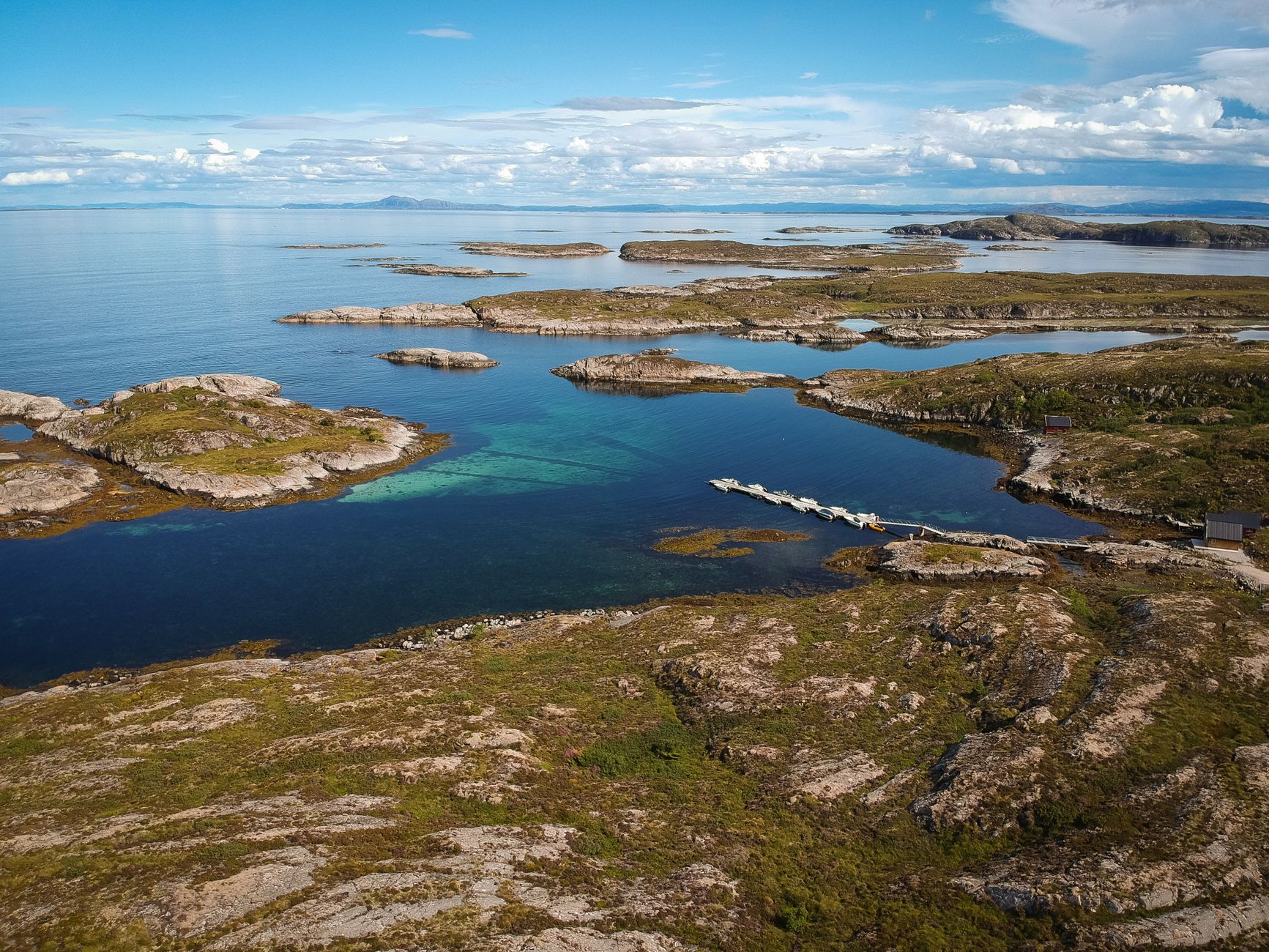
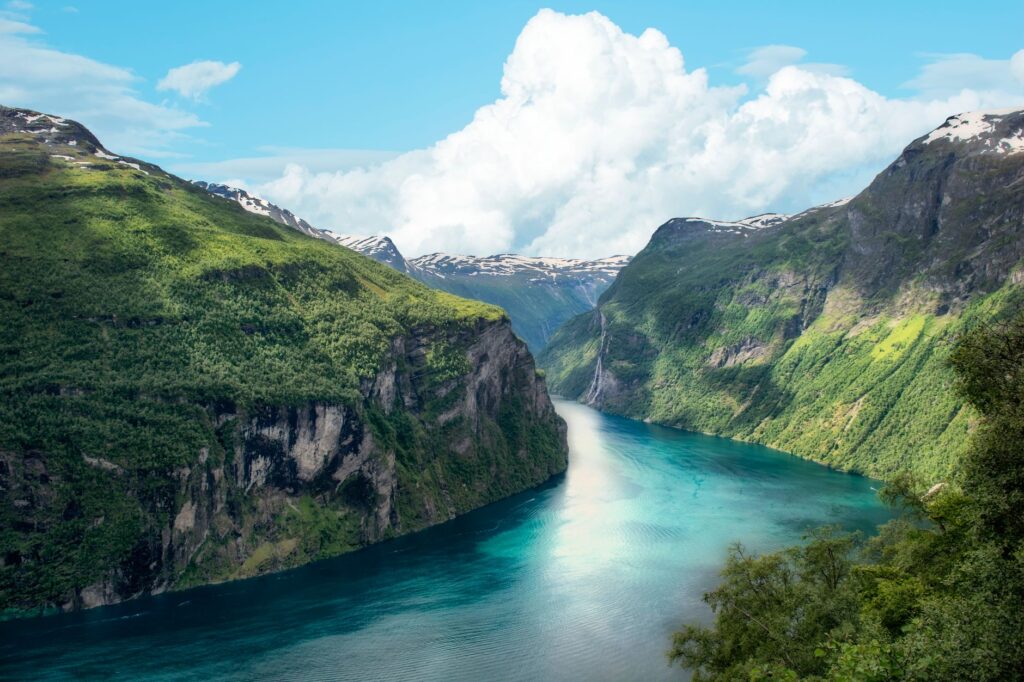
The Norwegian fjords are not mere geographical accidents carved by nature’s aesthetic whims, but complex oceanographic systems where towering mountains plunge into the abyssal depths of the Norwegian and North Seas. During the Pleistocene glaciation cycles, massive tongues of ice eroded the Earth’s crust, gouging U-shaped valleys subsequently invaded by the ocean. The result is a submarine relief as abrupt as the terrestrial one, featuring rocky sills at the fjord mouths that act as natural dams, drastically conditioning the exchange of water masses between the open coast and the secluded interior branches.
This partial isolation generates a fascinating hydrological dynamic that oceanographers have studied for decades with high-precision instruments. Surface waters, heavily fed by summer meltwater and roaring mountain rivers, exhibit a salinity notably lower than that of the open sea. This light, fresh upper layer flows constantly toward the sea, while deep layers experience periodic renewal driven by tidal currents and dense, nutrient-rich Atlantic water intrusions. Understanding this stratification is vital to deciphering how the Norwegian marine ecosystem breathes and what factors determine its vulnerability to anthropogenic pressures and climate change.
Along the various branches shaping the western coast—from the majestic Sognefjord to the intricate Geirangerfjord—marine life has developed extraordinary survival strategies to adapt to the perpetual darkness of great depths and surface thermal fluctuations. Far from being an aquatic desert, the floor of these submerged canyons harbors incalculable benthic biodiversity, including dense cold-water coral forests, giant sponges, and stable demersal fish populations that find ideal refuge among rocky sills against uncontrolled commercial predation.
The Physical Oceanography of Deep Waters
The study of the water column in Norwegian fjords reveals a complex and highly stratified liquid architecture. The interaction between Atlantic tides and continental runoff creates oceanographic fronts where massive amounts of phytoplankton concentrate during spring months. This biological outburst forms the base of a trophic web sustaining both pelagic fish populations and large marine mammals periodically frequenting protected channels.
One of the most singular phenomena of this local oceanography is deep-water exchange known as ventilation. Due to sills at fjord entrances, bottom waters can stagnate for long periods unless dense, cold water intrusions from the continental slope occur. When these dense masses successfully overcome the bathymetric barrier, they displace old water accumulated in interior basins, oxygenating sediments and allowing sessile organisms to survive that would otherwise perish from anoxia.
However, this physical balance faces growing pressure. Records from Norwegian oceanographic institutes show a gradual temperature increase in Atlantic waters penetrating the fjords. This warming not only alters the metabolic rates of native species but modifies vertical convection currents, compromising oxygen renewal in deeper substrates and threatening the stability of sensitive benthic habitats.
The Hidden Cold-Water Coral Forests
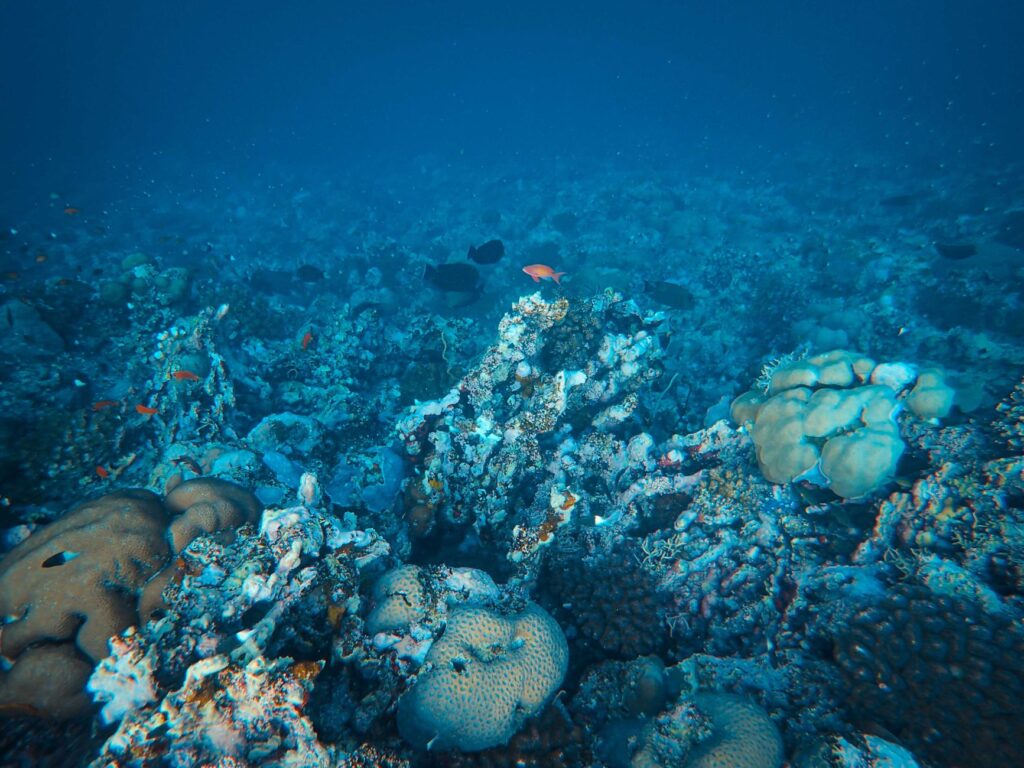
While tropical reefs capture global media attention, Norwegian fjords conceal an equally fascinating and much less known submerged treasure: Lophelia pertusa reefs. These scleractinian corals, capable of thriving in complete darkness and at temperatures ranging between four and twelve degrees Celsius, build complex calcareous structures serving as three-dimensional habitats for hundreds of associated species, from endemic crustaceans to high-value commercial fish.
Studies conducted using remotely operated vehicles (ROVs) have demonstrated that these coral forests act as true biodiversity oases on the seabed. Local currents, accelerated by the fjord’s narrowing topography, transport suspended organic particles that polyps capture with their tentacles. This constant nutrient rain allows reefs to grow millimeter by millimeter, forming mounds rising several meters above the muddy bottom that accumulate historical records of past climatic conditions through their fossil skeletons.
Despite their ecological importance, these ecosystems have historically suffered the destructive impact of bottom trawling gear, a practice that for decades devastated centuries-old structures in minutes. Although Norwegian legislation has made significant progress in protecting specific areas by banning bottom fishing in known coral zones, policing these extensive and winding submarine geographies remains a top-tier logistical challenge for maritime authorities.
The Trophic Web and Seasonal Giants
Fjord biological dynamics are deeply marked by the light seasonality of the Arctic Circle. During winter, prolonged darkness drastically reduces photosynthetic activity, forcing many species into metabolic torpor. However, with the return of the sun in spring, a microscopic explosion of life activates the entire trophic chain within weeks.
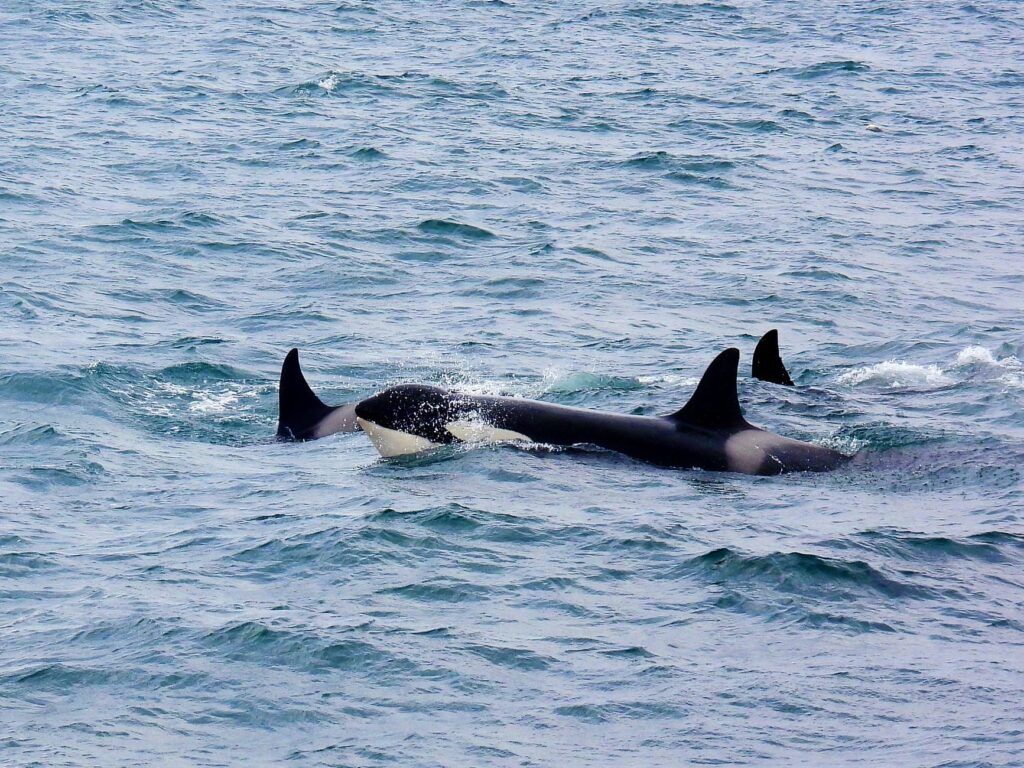
Herring and capelin schools exploit this planktonic bounty to reproduce, in turn attracting apex predators like humpback whales and orcas, which penetrate narrow channels to feed. This natural spectacle has turned certain fjords, such as those in the Tromsø region and northern fjords, into privileged observation points for science and responsible nature tourism. Nevertheless, the massive presence of recreational and tourist vessels demands strict regulation to prevent altering the behavioral patterns of these cetaceans during their trophic migrations.
Likewise, seabirds play a fundamental role in transferring nutrients between land and sea. Species like the Atlantic puffin, European shag, and white-tailed eagle nest on steep cliffs bordering the water, feeding on resources offered by the fjord and contributing guano that enriches terrestrial vegetation and coastal runoffs in a perfectly closed biogeochemical cycle.
Anthropogenic Pressure in Interior Channels
The apparent virginity of Norwegian landscapes contrasts with intense industrial activity in coastal waters and fjords. Intensive Atlantic salmon aquaculture, a cornerstone of the Norwegian economy, has transformed the littoral landscape through massive floating cage installations. While the sector has implemented substantial technological improvements, biomass concentration in semi-enclosed spaces generates considerable environmental challenges, such as organic matter accumulation in sediments, parasite proliferation like sea lice, and the escape risk of captive-bred specimens capable of genetically altering wild populations.
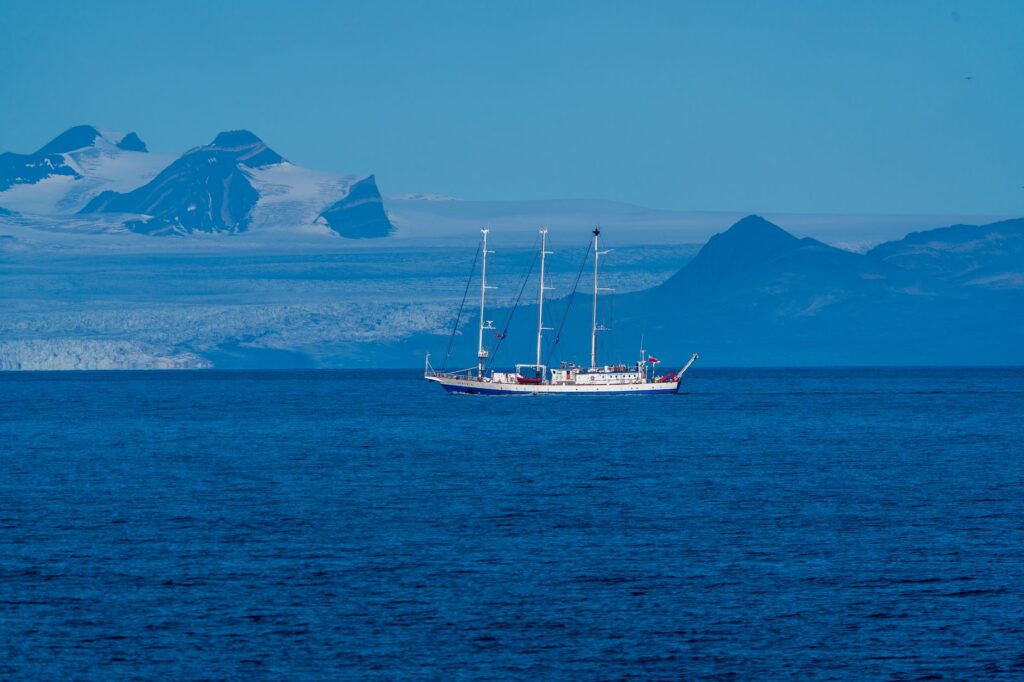
Added to this pressure is maritime transport development and the expansion of cruise tourism, seeking to penetrate the most remote corners of the Norwegian coast. Polluting gas emissions and operational discharges in confined waters have forced local authorities to legislate stringently, demanding electric propulsion technologies and clean fuel usage in areas declared World Heritage sites, such as the Nærøyfjord and Geirangerfjord.
The conservation of fjords cannot be limited to protecting iconic surface species; it demands integrated water column management recognizing abyssal substrate fragility against cumulative industry and climate change impacts.
Sustainable management of these spaces requires permanent dialogue between coastal communities, scientific institutions, and productive sectors. Only through continuous water quality monitoring and strict precautionary principle application will it be possible to preserve the ecological integrity of these marine sanctuaries for future generations.
Mitigation and Marine Restoration Strategies
Facing accumulated degradation in certain littoral areas, Norwegian scientists and environmental managers have driven pioneering initiatives aimed at restoring degraded habitats. Among the most prominent measures are macroalgal meadow repopulation programs, fundamental for blue carbon sequestration and as natural nurseries for numerous fish and benthic invertebrate species.
Likewise, high-resolution bathymetric mapping projects, developed using multibeam sonar technologies, are identifying new coral structures and spawning grounds previously unexplored. This detailed cartographic inventory is the indispensable tool upon which future marine protected areas are designed, ensuring use restrictions apply precisely where biodiversity shows highest vulnerability and endemism indices.
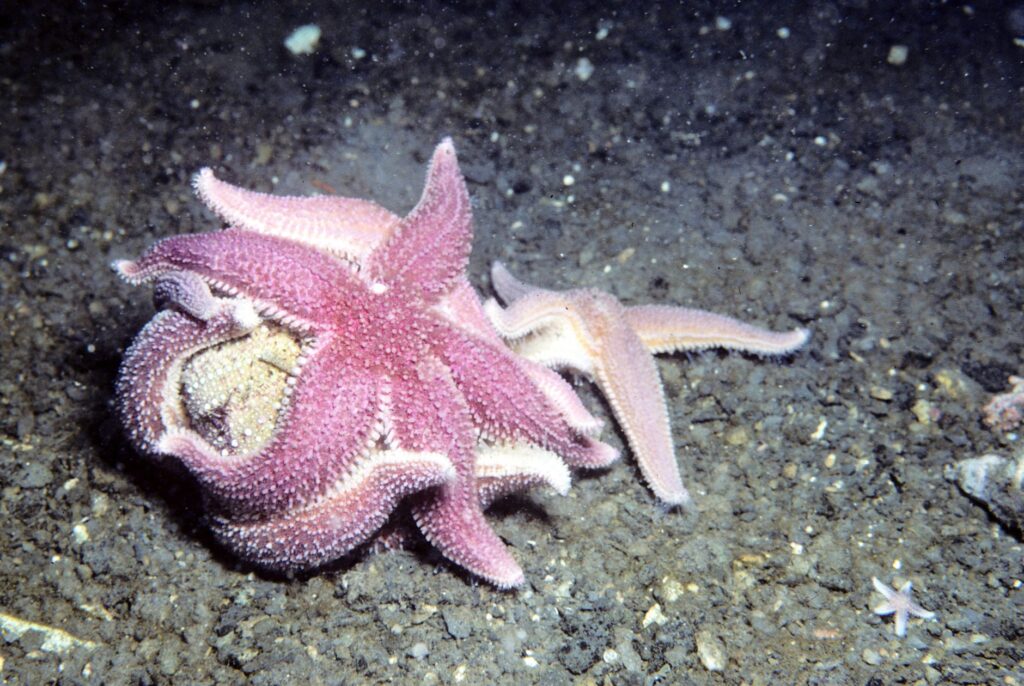
Concurrently, innovative bioremediation methods for sediments affected by intensive aquaculture are being tested, utilizing filter-feeding benthic organisms capable of absorbing excess nutrients and stabilizing the seabed. These interventions demonstrate that applied science can offer tangible solutions to reverse ecological imbalances in complex aquatic ecosystems.
Practical guide
How to get there: The main gateway to the Norwegian fjord region is via Bergen Airport (Flesland) or Ålesund Airport (Vigra), both offering excellent connections from major European capitals. To explore interior channels sustainably, using the express ferry and passenger boat network is the most recommended option over private vehicles.
Best time to visit: Months between May and September offer the most favorable weather conditions, with longer natural daylight hours and moderate temperatures. For observing orcas and humpback whales in northern fjords, the optimal period runs from November to February.
Requirements and local regulations: Norway is part of the Schengen area. Visitors must strictly respect navigation regulations in protected areas, maintaining safe distances from marine fauna and complying with current recreational fishing legislation, which establishes minimum sizes and strict catch limits.
Accommodation and services: Priority is given to establishments certified under environmental sustainability regulations, such as local accommodations integrated into Norway’s sustainable tourism network. Many of these centers operate on 100% renewable energy and promote local zero-kilometer products.
Final Reflection on Norway’s Blue Horizon
Venturing into the icy gloom of Norwegian fjords is much more than a journey through postcard landscapes; it is a direct immersion into the most delicate mechanisms regulating oceanic life on the planet. Beneath the imposing verticality of rock walls and the seemingly unaltered water surface lies a dynamic and fragile system demanding our respect and most rigorous scientific understanding.
The true value of these submerged sanctuaries lies not in their capacity to astonish travelers with aesthetic beauty, but in their silent function as guardians of marine biodiversity and faithful witnesses to the global health of northern seas.
The future of this natural heritage depends on our ability to harmonize coastal communities’ socioeconomic development with the uncompromising protection of their deep waters, ensuring the Arctic heartbeat continues resounding powerfully in coming centuries.