
Introduction to the Pacific Amphitheater
Valparaíso is not merely a port city located on the central coast of Chile; it is a complex and fascinating urban amphitheater where daily mobility defies the laws of gravity and terrain. Declared a UNESCO World Heritage Site in 2003, this coastal city has built its identity upon an inextricable relationship between the sea and the surrounding hills. Far from being a mere tourist attraction, its vertical and horizontal transport network constitutes the nervous system that sustains the daily lives of hundreds of thousands of residents traveling between the bustling flatlands and the inhabited peaks.
The purpose of this report is to examine how Valparaíso’s urban connectivity relies on transportation technologies that have withstood centuries, devastating earthquakes, and economic crises. From the iconic funiculars climbing near-vertical slopes to the oldest active electric trolleybus fleet in South America, transportation in this Chilean port is a living lesson in heritage engineering, social resilience, and geographical adaptation that continues to shape contemporary life across the Valparaíso Region.
Topography as a Challenge: The Birth of Vertical Transport
To understand the scale of Valparaíso’s transportation network, one must analyze its complex geography. The urban territory is divided radically into two zones: the flatlands, a narrow strip partially reclaimed from the sea where commercial and administrative activity concentrates, and the hills, which ascend abruptly to dozens of elevated neighborhoods. By the late nineteenth century, this sharp elevation difference generated an urgent need to connect both realities quickly and safely for a rapidly growing demographic and commercial population.
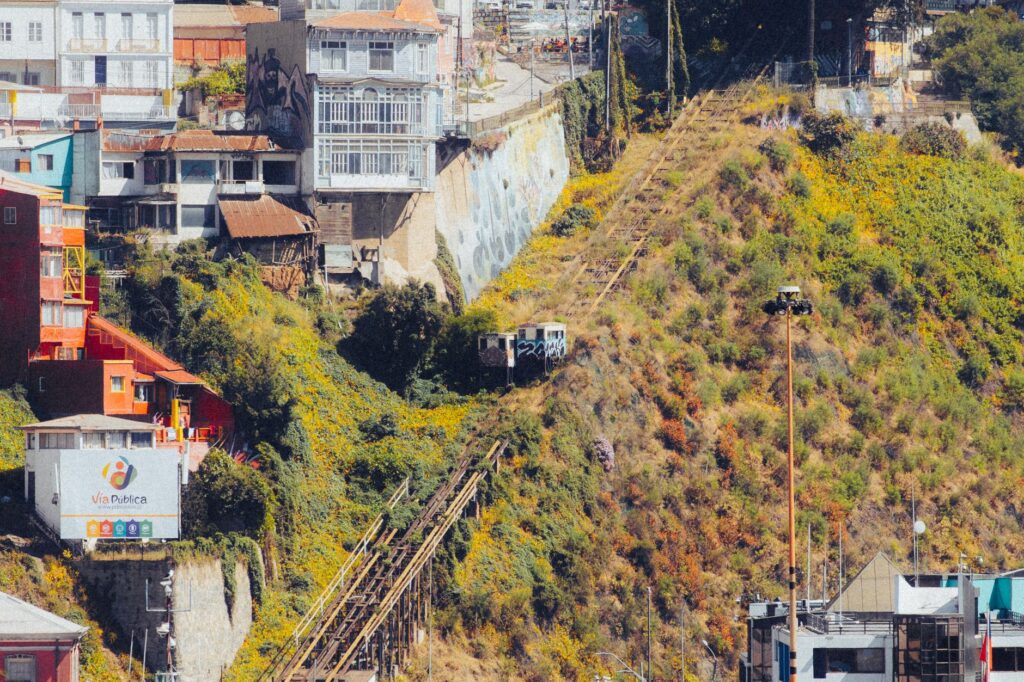
The response to this topographic challenge was the massive construction of funicular railways, locally known as elevators. At their peak, Valparaíso boasted over thirty of these systems operating simultaneously. Utilizing ingenious counterweight systems based on water ballast or later electrical motors, these mechanical devices bridged gradients often exceeding forty-five degrees of inclination. Today, this heritage machinery continues to function as an indispensable mobility alternative for residents of hills such as Alegre, Concepción, and Barón.
Engineering and Mechanical Heritage in the Hills
Valparaíso’s funiculars are authentic operating museum pieces. Structures of native wood like pellín oak, steel rails imported from Europe, and cabins with classic finishes form a unique technological landscape. Each funicular possesses a distinct personality and a history tied to the development of the neighborhood it crowns. The Concepción funicular, inaugurated in 1883, was the pioneer, proving the technical viability of this urban transport type on steep slopes and paving the way for investors to replicate the formula in neighboring hills.
Maintaining these structures requires specialized technical knowledge passed down through generations of local operators and mechanics. Despite damage from marine corrosion, chronic underfunding, and recurrent seismic activity in Chile, restoration efforts led by the Ministry of Public Works and the municipality have successfully rescued several emblematic funiculars. Riding them is not merely physical displacement between elevations, but a tactile and visual experience revealing the human scale of the city.
The Electric Pulse of the Flatlands: The Legendary Trolleybuses
While funiculars conquer the verticality of the hills, Valparaíso’s flatlands beat to the steady rhythm of traditional trolleybuses. These electric traction vehicles, officially recognized as National Monuments, have navigated the main avenues since 1952. The current fleet, composed primarily of Pullman Standard models manufactured in the United States during the mid-twentieth century, represents a global rarity: they are the exact same coaches providing daily commercial service without losing their original essence.
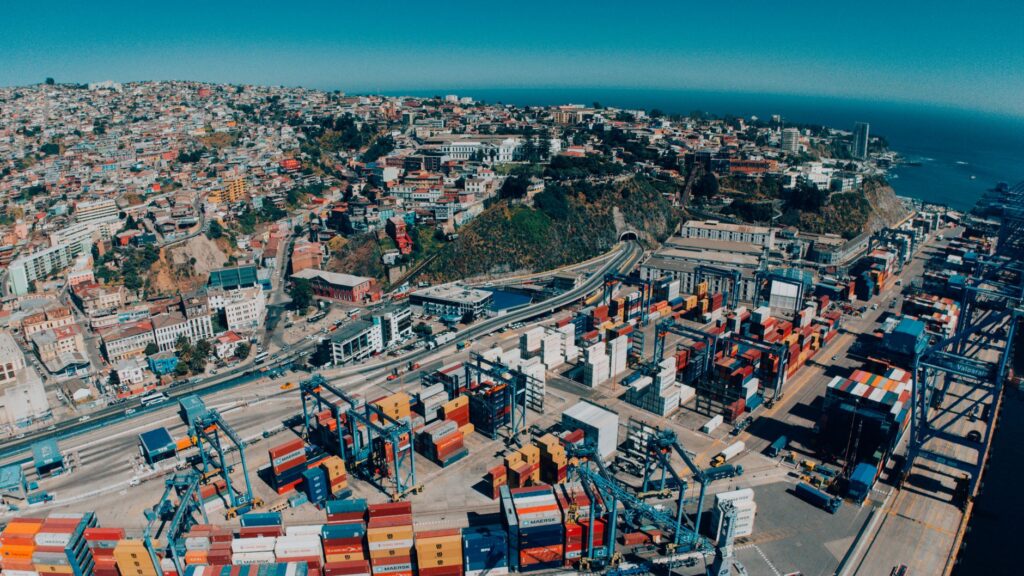
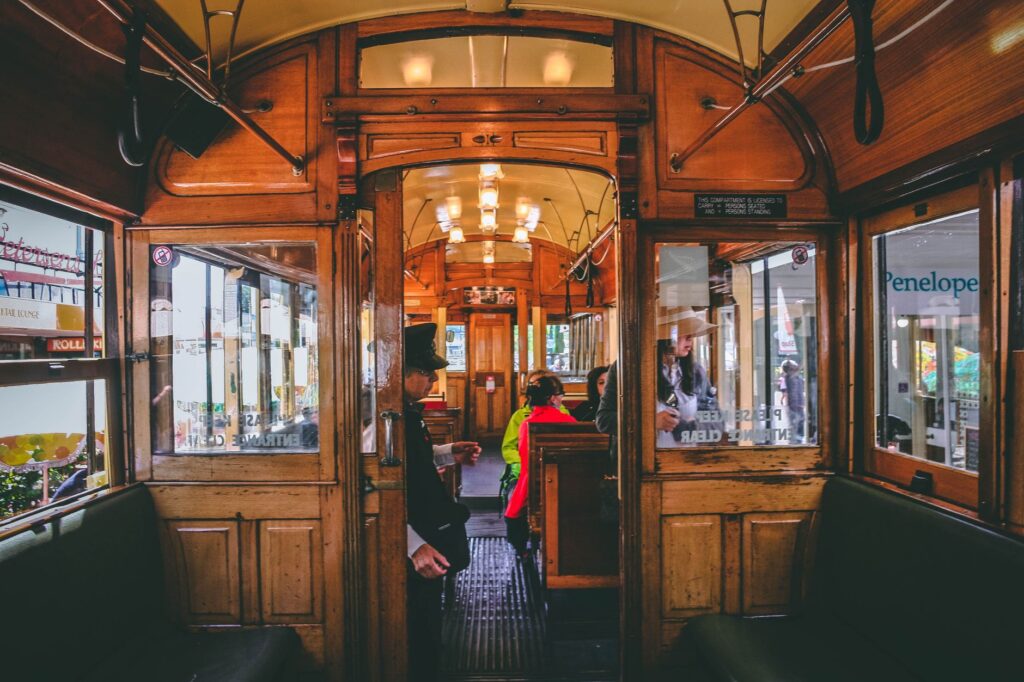
The connectivity provided by trolleybuses is fundamental to understanding the city’s urban sustainability. Operating via electrical energy from overhead catenary wires, these vehicles emit zero local greenhouse gases, making them a historical precursor to the green mobility sought by modern metropolises. Their route connects milestones such as the port, Sotomayor Square, and Cardonal Market, intertwining commercial history with the daily transit of residents seated on original leatherette and polished wood benches.
Port Architecture and Modal Integration
Valparaíso’s transport system extends beyond funiculars and trolleybuses, complemented by a commuter rail network and urban bus routes that consolidate a complex modal integration. The Limache-Puerto train, popularly known as Merval, acts as the backbone connecting Valparaíso with inland communes like Viña del Mar, Quilpué, and Villa Alemana. This modern rail line absorbs a large share of daily commuter flows, alleviating vehicular congestion along coastal arteries.
Transportation in Valparaíso is not merely a transfer service, but a living infrastructure reflecting human adaptability in the face of an extreme and challenging geography.
The coordination between the metropolitan train, urban bus fleets, and funiculars demonstrates territorial planning that, while occasionally fragmented by administrative bureaucracy, functions organically thanks to the amphitheater’s compact geography. Multimodal stations allow efficient transfers, enabling a citizen to descend from a hillside via funicular, board a historic trolleybus toward the train station, and connect with another commune in under an hour.
Social Fabric and Daily Resistance
Behind the photogenic aesthetics and vivid colors of the hillside neighborhoods lies a social reality deeply tied to mobility. For residents in upper zones, the operation of funiculars and local buses dictates quality of life and access to healthcare, education, and employment. Interruptions in funicular service due to maintenance or mechanical failures demand considerable physical effort from residents, who must rely on steep pedestrian staircases or labyrinthine passages.
This mutual dependency has forged a remarkably strong community fabric. Neighborhood associations and local social groups actively participate in defending and monitoring transport heritage, demanding long-term conservation plans from local authorities. Mobility in Valparaíso is thus an act of citizen resistance against urban neglect, where pride in local identity manifests every time a trolleybus rounds a corner or a tension cable restarts a centennial cabin.
Practical guide
Planning an efficient itinerary through Valparaíso’s historical and contemporary transport network requires understanding schedules, fares, and access methods to avoid inconveniences during your stay.
How to Get to Valparaíso
The city is located approximately 120 kilometers northwest of Santiago de Chile. The most common access from the capital is via frequent intercity bus services departing from the Alameda and San Borja terminals, taking roughly one and a half to two hours depending on traffic along Route 68.

Using the Trolleybus System
Trolleybuses operate Monday through Saturday continuously from 07:00 to 21:00 hours, with reduced frequency on Sundays and holidays. Fares are paid directly to the driver in cash upon boarding, with discounted rates available for properly accredited students and seniors.
Funicular Operation
Publicly accessible funiculars generally operate between 08:00 and 22:00 hours. It is important to verify the operational status of each elevator before planning your route, as some undergo intermittent restoration processes. Fares are highly affordable and paid directly at ticket windows located in the lower stations.
Rail Integration and Regional Transport
To use the Limache-Puerto train, visitors must acquire a rechargeable contactless card at ticket windows or automated machines in any station. This personal card allows access to the entire metropolitan rail network with fares regulated by time zones.
Safety and Walking Tips
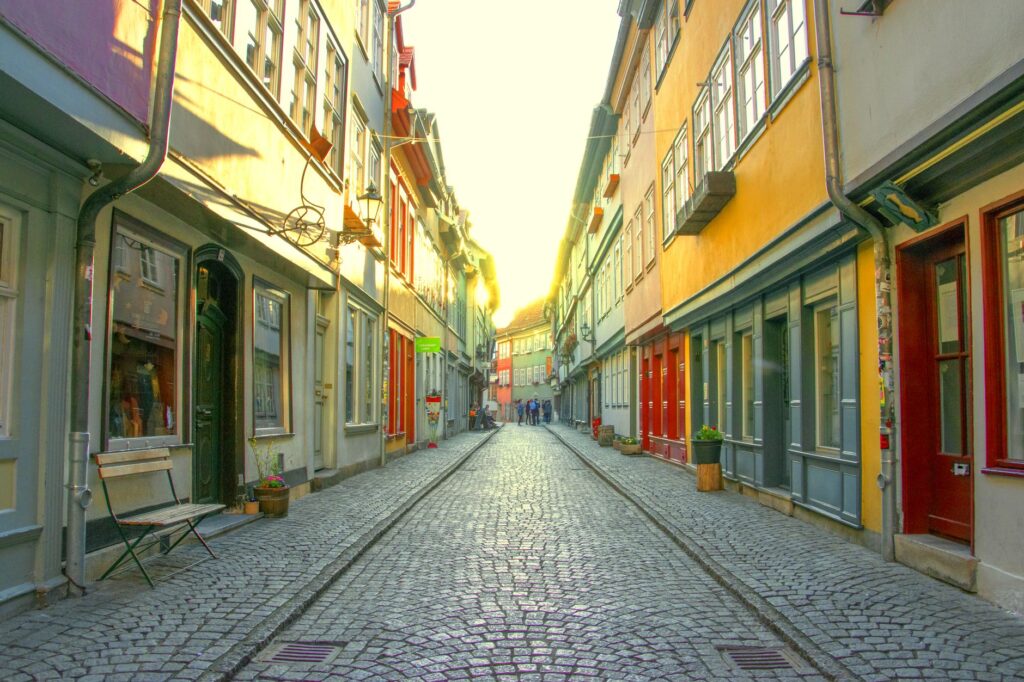
Valparaíso is a city best explored on foot once upper zones are reached via funicular. Comfortable footwear with non-slip soles is recommended to handle cobblestones and steep slopes. Visitors should avoid displaying expensive valuables and consult local accommodations regarding specific neighborhoods requiring greater caution during nighttime hours.
The Pacific Horizon: Memory and Future
Sunset over Valparaíso Bay offers one of the most poignant visual spectacles in South America. As the final rays of sunlight paint corrugated iron facades and centennial roofs in ochres and oranges, the city seems to pause time. At that precise moment, the electric hum of trolleybuses crossing Victoria Square and the faint squeak of cables in the funiculars remind observers that this amphitheater remains alive, breathing through its mechanical ingenuity.
blockquote>Preserving Valparaíso’s heritage mobility is not an exercise in aesthetic nostalgia, but the guarantee that its amphibious soul endures against the pressures of depersonalized modernization.
Facing the challenges of the twenty-first century will demand a firm commitment from authorities and citizens toward sustainable modernization of the transport network, integrating current electrical technology with absolute respect for architectural legacy. Valparaíso will continue to be that port where the earth plunges into the sea and where every resident, ascending or descending the slopes, daily defies gravity with the dignity of those who inhabit a living legend.