
In the northernmost reaches of Cáceres province, where the southern foothills of the Sierra de Gredos unfold a dense mantle of oaks, chestnut trees, and crystal-clear mountain streams, the landscape of La Vera assumes a singular dimension. Here, time seems measured by the constant murmur of brooks and the monumental weight of a history that irrevocably links this Extremaduran corner with the foundations of modern Europe. Yuste is not merely a geographical coordinate; it is the stage where an emperor weary of battles, Charles V, chose to seek his final rest, transforming a modest Hieronymite priorato into the political epicenter of the Old World during his final years.
Today, this territory reveals itself to the traveler not only as a sanctuary of imperial memory, but also as a dynamic beacon of transnational cooperation and cultural dialogue. Cuacos de Yuste and its immediate surroundings form a landscape where traditional timber-framed architecture and flower-adorned balconies coexist harmoniously with the pro-European vocation championed today by the monastery. Exploring these paths requires pause, a willingness to listen to the tales whispered by millennia-old stones, and an attentive eye toward the rich natural wealth that defines one of the most fertile and picturesque regions on the Iberian Peninsula.
The Monastery of Yuste: the emperor’s final retreat
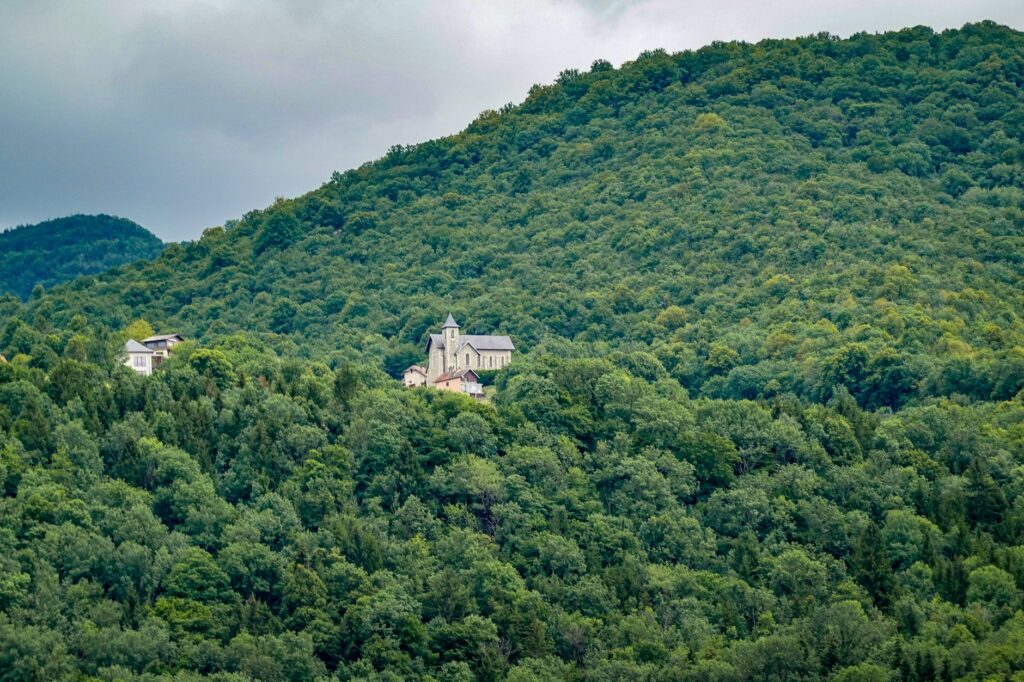
Built with a Franciscan sobriety that contrasts sharply with the opulence of the imperial palaces of Ghent or Vienna, the Monastery of Yuste integrates with absolute discretion into the lushness of the surrounding woodland. Founded in the 15th century by the Hieronymite order, this monastic complex owes its historical immortality to the decision of Charles I of Spain and V of the Holy Roman Empire to abdicate and retire within its walls in 1557. Seeking the physical and spiritual peace that his failing health demanded, the monarch chose this Extremaduran valley for its mild climate and relative isolation, unaware that from this remote retreat he would continue dictating the destinies of half the world.
A visit to the grounds allows travelers to explore the Gothic church, of single-nave and austere beauty, and to step into the palatial quarters expressly added for the emperor. Unlike the lavish chambers of palace life, Charles V’s rooms surprise visitors with their spartan simplicity. Particularly striking is the architectural detail that allowed the monarch, from his gout-afflicted bed, to directly attend the Eucharist celebrated at the high altar of the temple. A passageway and a strategic window united his privacy with the sacred liturgy, reflecting the deep religiosity that guided his final days until his death in September 1558.
Cuacos de Yuste: traditional architecture and living memory
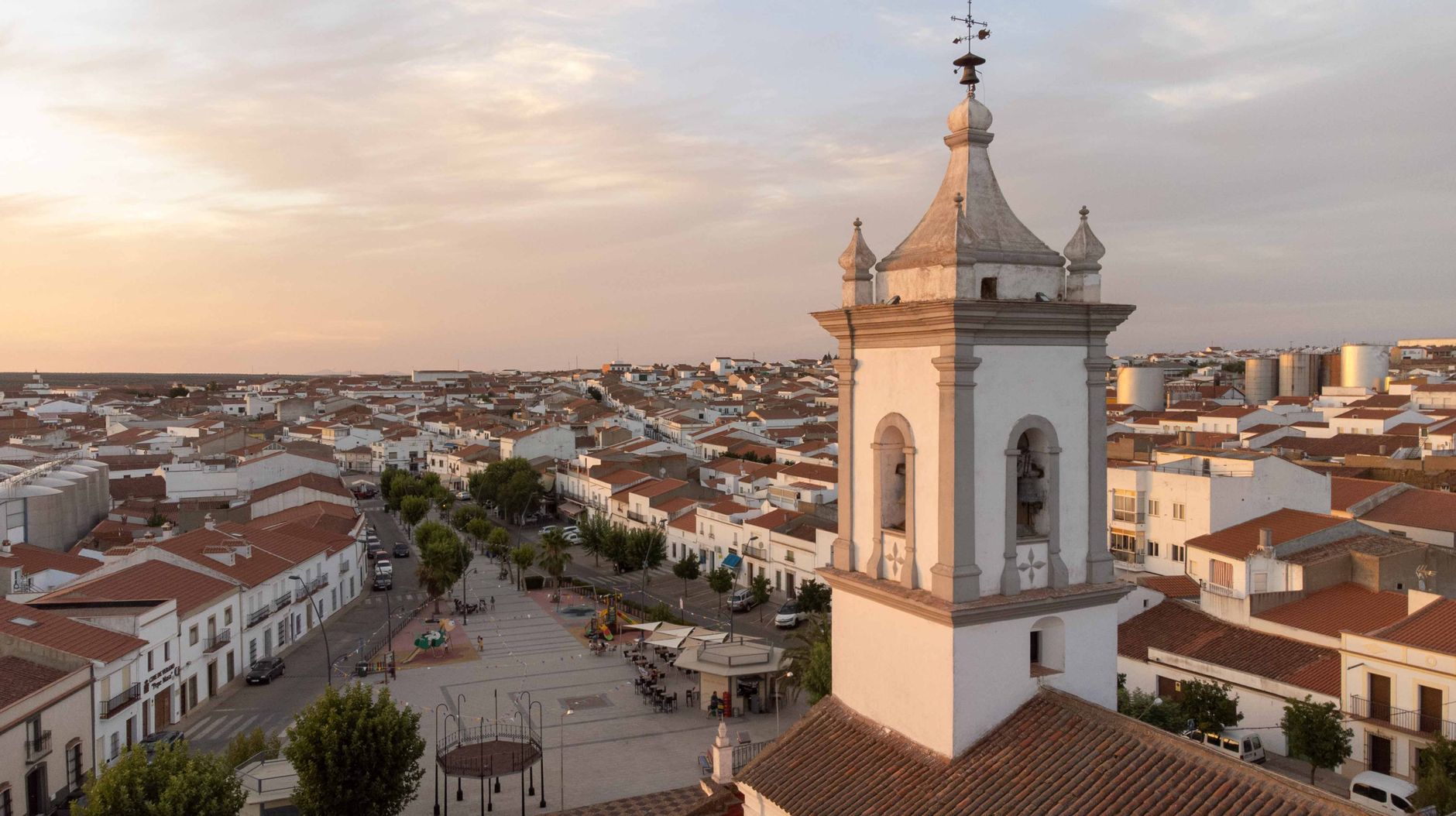
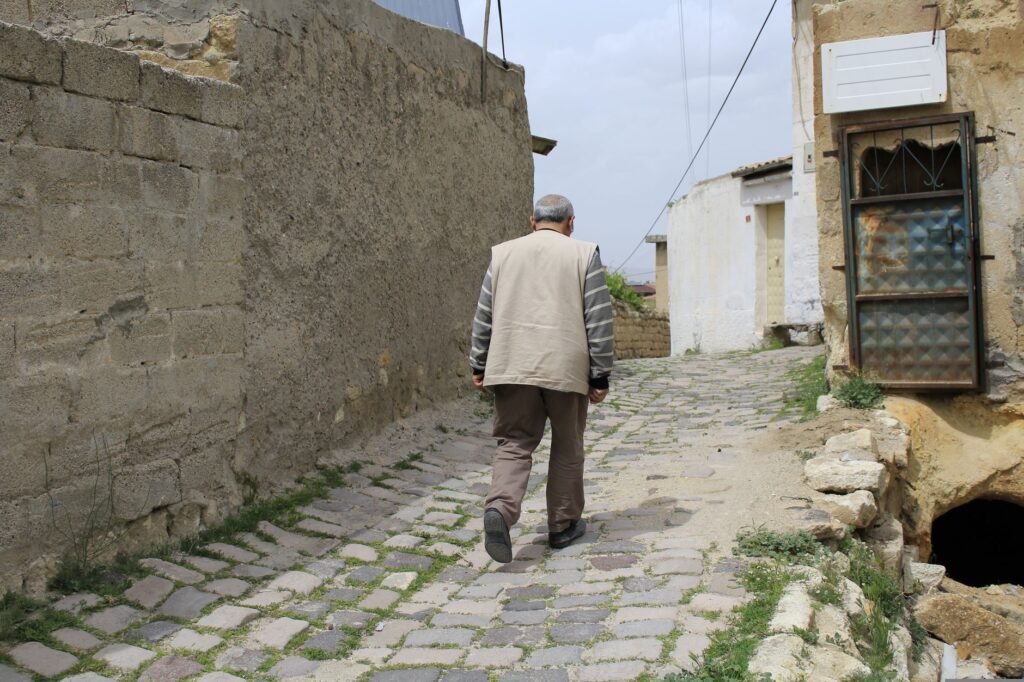
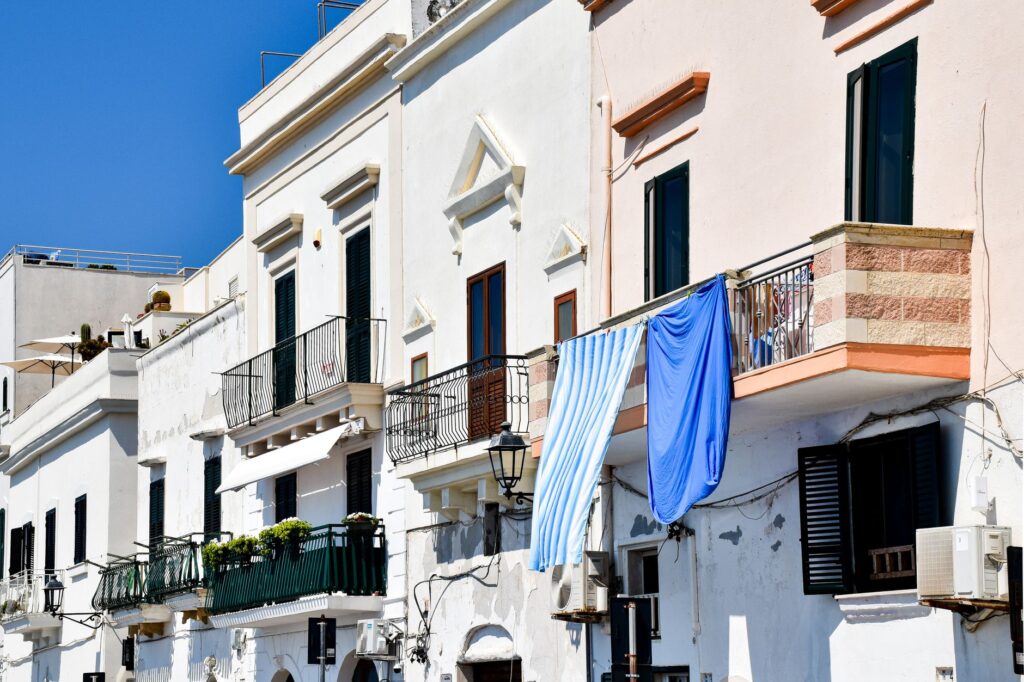
Just two kilometers from the monastery lies the village of Cuacos de Yuste, declared a Historic-Artistic Site. Strolling through its streets is an immersion into the vernacular architecture of authentic La Vera. Traditional dwellings, structured over two or three stories, combine adobe and masonry with chestnut wood frameworks and wide eaves designed to protect the walls from winter rains and summer sun. Granite porticoes and continuous wooden balconies, overflowing with flowers in the warmer months, create an urban fabric where community life continues to revolve around secluded squares like Plaza de España.
The municipality also holds a deep historical footprint linked to the childhood of Don John of Austria, the emperor’s illegitimate son, who was raised in the village before being officially recognized. In the Plaza de Juan de Austria stands the house where the infant resided, a tangible reminder of the close relationship that always existed between imperial power and the inhabitants of this valley. Walking through these alleys also means stumbling upon centuries-old fountains, such as Los Chorros, and witnessing how the community has managed to preserve its heritage without falling into unbridled tourism.
The history of Yuste does not belong solely to the books of the Habsburgs; it lives in the daily pulse of its people, in the respect for centennial timber, and in the conviction that this valley is a bridge extended toward European understanding.
The European pulse: the Charles V Prize and common values
Beyond its undeniable patrimonial and landscape value, Yuste holds high institutional dignity today as a European Seat. Since the creation of the European and Ibero-American Academy of Yuste Foundation, the monastery and its surroundings have become the reference stage for the presentation of the European Charles V Prize. This award recognizes the work of individuals, institutions, or projects that have distinguished themselves by their contribution to the European integration process or to the deepening of the continent’s cultural, social, and democratic values.

Figures of the stature of Jacques Delors, Simone Veil, Javier Solana, and António Guterres have passed through these cloisters to reflect on the challenges of multilateralism and integration. This pro-European seal permeates the daily life of the region, transforming it into a space for intellectual debate where the imperial past directly dialogues with the geopolitical challenges of the 21st century. The presence of this forum grants Yuste an international dimension that far transcends conventional tourism, attracting scholars, diplomats, and citizens interested in Europe’s political and social pulse.
Jarandilla de la Vera: castles, paradores, and ancient traditions
A few kilometers from Cuacos, Jarandilla de la Vera presents itself as an unavoidable stop on any itinerary through the region. The municipality is dominated by the imposing Castle of the Counts of Oropesa, a 15th-century fortress built of masonry and granite that now operates as a Parador tourism hotel. This castle temporarily sheltered Emperor Charles V while the definitive quarters at the Yuste monastery were being prepared, an episode the town commemorates each year through historical reenactments that mobilize locals and visitors alike.
Jarandilla’s urban fabric stands out for its numerous hermitages, medieval bridges such as the Parral bridge, and an intense festive tradition. Among all its celebrations, Los Escobazos stands out, declared a Festivity of National Tourist Interest. Every December 7th, the eve of the Immaculate Conception, the town’s streets are illuminated with thousands of burning codeszo brooms that residents wave in a procession of purifying fire. This ancestral cultural manifestation, transmitted from generation to generation, exemplifies the vitality of roots that resist the passage of time and enrich La Vera’s cultural offerings.
Overflowing nature: gorges, oak forests, and hiking trails
The experience in Yuste and its surroundings cannot be grasped without immersion in its natural environment. The southern slope of the Sierra de Gredos acts as a formidable water tower descending toward the Tiétar River through numerous river gorges. Watercourses such as Garganta Mayor, Jaranda, and Cuacos carve natural pools of transparent waters, flanked by lush vegetation dominated by deciduous forests, olive groves, and plantations of tobacco and paprika.
For hiking enthusiasts, the surroundings offer a network of perfectly marked historical paths. Outstanding among them is the route linking Cuacos de Yuste with the monastery, a cobbled pedestrian trail ascending gently among centennial oaks and dry-stone walls. Another option of great landscape value is the path leading to the Charles V Bridge, traversed by the imperial entourage on their final journey. These trails allow visitors to understand the geography of La Vera on foot, appreciating the historical harmony between human intervention and the conservation of mountain ecosystems.
The red gold of La Vera: gastronomy and the culture of paprika
The trip to this Extremaduran enclave equally stimulates the senses through its pantry. The La Vera region is world-famous for the production of its paprika with Protected Designation of Origin (PDO), a product obtained through the traditional smoking method using oak and holm oak firewood that gives the spice its characteristic, unmistakable aroma and flavor. Strings of red peppers drying in the sun on house facades are an irreplaceable folk image during the autumn months.
Local gastronomy draws upon this raw material to structure hearty, comforting dishes ideal for mountain winters. Verata migas (bread crumbs), ‘revolcas’ potatoes, pork cuchifrito, and artisanal sausages are usually accompanied by locally produced goat cheeses and regional wines. This culinary legacy reflects the survival and adaptability of a rural community that has successfully transformed the fruits of its land into top-tier gastronomic heritage.
Eating in La Vera is an act of communion with the landscape; every spoonful of migas flavored with paprika encapsulates centuries of peasant wisdom and the indomitable character of a valley watered by Gredos.
Practical guide
How to get there: The main access to the La Vera region is by road. From Madrid, the most direct route is the A-5 highway to Navalmoral de la Mata, continuing then along the EX-119 road toward Cuacos de Yuste. The nearest airport with international connections is Madrid-Barajas, located about 220 kilometers away.
When to go: Spring and autumn are the optimal seasons. Spring offers the spectacle of blossoming cherry trees and the peak flow of the gorges; autumn stands out for the chromatic palette of the chestnut forests and the traditional paprika harvest.
Monastery of Yuste: Visits to the historic site are managed by Patrimonio Nacional. It is advisable to check updated official schedules and the availability of guided tours before planning the trip, as they typically vary between winter and summer seasons.
Accommodation: Offerings range from charming hotels and restored rural houses in Cuacos and Jarandilla to the emblematic Carlos V Parador, located in the Jarandilla castle.
Gastronomy and shopping: Purchasing PDO paprika in local traditional shops and tasting Iberian pork derivatives and local cheeses in the region’s taverns is a must.
The invisible legacy of a valley looking to the future
Clinging to the mountain slopes, Yuste bids farewell to the traveler with the certainty of having traversed a space where continental history and human scale embrace without artifice. The respectful silence of the Hieronymite cloisters, the chiming of bells in the cobblestone squares of Cuacos, and the incessant murmur of pure water gorges form a symphony difficult to forget. At the end of the road, beneath the golden light filtering through centennial oaks, remains the conviction that this corner of Extremadura is not merely a monument to the past, but a living reminder that Europe’s great ideas were also forged in the quietude of its most secluded forests. Source in EN: El Viajero in EL PAÍS (https://elpais.com/elviajero/escapadas/espana/2026-09-15/que-hacer-en-yuste-un-enclave-con-alma-europea-en-el-corazon-de-extremadura.html)