
A contemporary oasis in the arid Emirati landscape
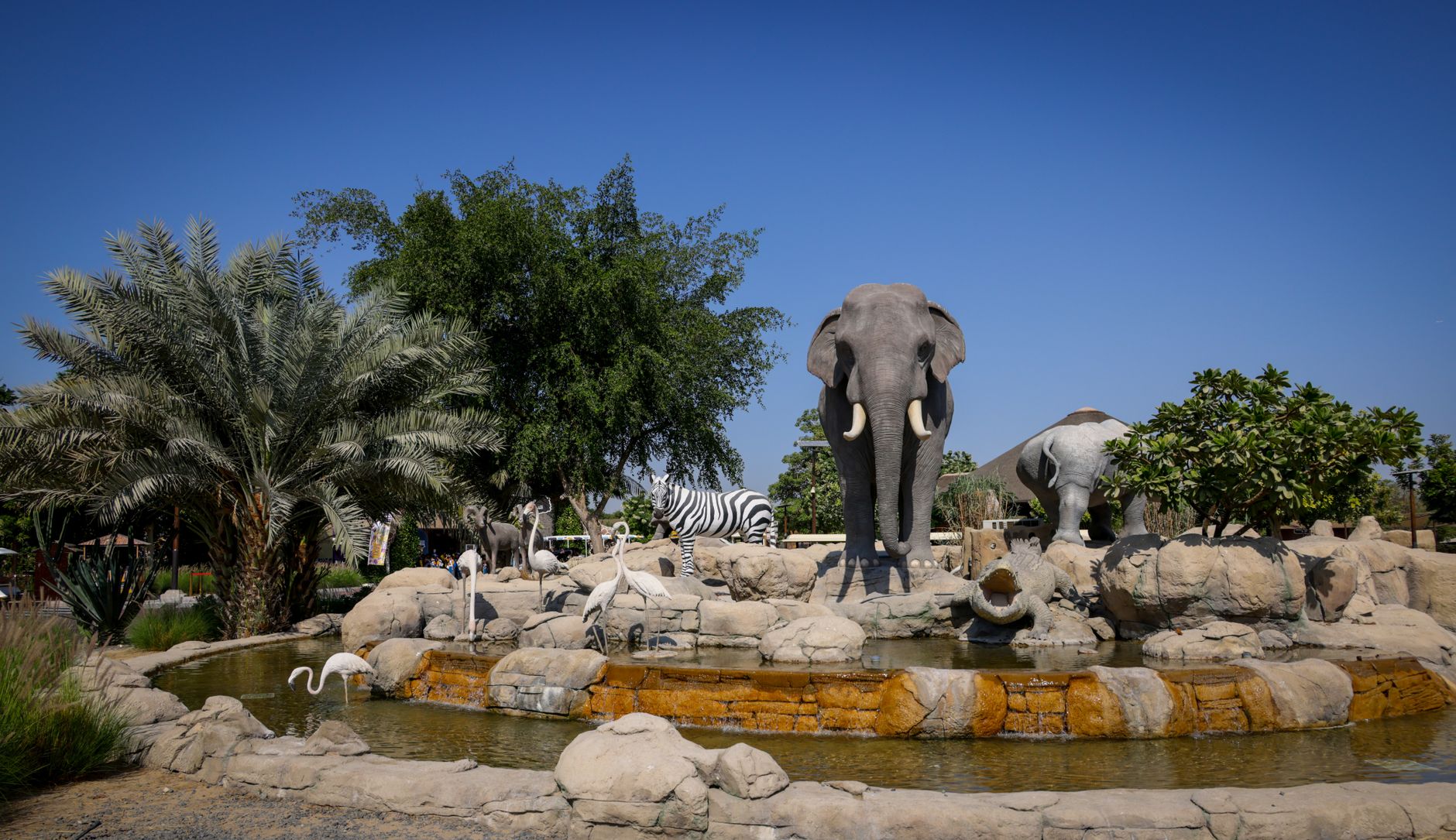
In the global collective imagination, Dubai is evoked almost exclusively through the hyper-vertical silhouette of its glass-and-steel skyscrapers, architectural opulence, and the relentless dominance of asphalt over sand. Yet, a few short kilometers from the urban bustle, an ambitious biogeographical transformation is redefining the relationship between metropolitan development and native and global biodiversity. The Dubai Safari Park is not simply a traditional zoological garden; it represents a complex ecosystem of rehabilitation, research, and ecological tourism that recently unveiled its Royal Safari and Wildlife expansions, seeking to shift the focus of tourist attraction toward scientific preservation and conscious immersion in controlled natural habitats.
This initiative responds to a contemporary urgency: reconciling the demographic and economic growth of the United Arab Emirates with the pressing need to educate new generations on the fragility of desert and subtropical biomes. Far from being a mere showcase for exotic animals, the park functions as an active rehabilitation center where cutting-edge veterinary science intersects with international endangered species breeding programs, establishing a new standard for wildlife management in arid regions.
The genesis of a sanctuary: from sterile desert to ecological corridor
To understand the magnitude of recent expansions, one must look back at the original terrain planning—a space reclaimed from the desert that demanded monumental hydrological and botanical engineering to sustain native and adapted flora. Foresters and biologists worked for years to replicate microclimates capable of housing species ranging from African savanna ruminants to Asian steppe predators. This reforestation and landscape conditioning effort turned the area into a functional ecological corridor, where native vegetation acts as a natural barrier against sandstorms and as a thermal regulator for resident animals.
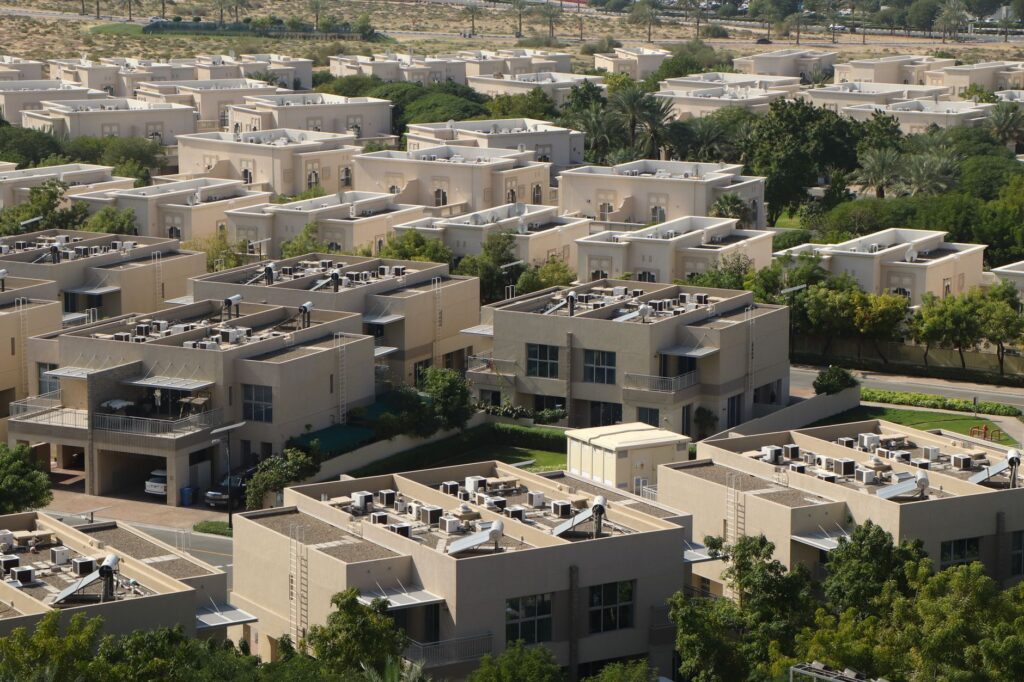
The park’s design prioritizes animal welfare through extraordinarily large enclosures that simulate the native topographies of each species. The separation between visitors and fauna is resolved through landscape barriers and invisible moats, allowing gazelles, oryx, and large mammals to move with apparent freedom that drastically reduces captivity stress. This architectural and landscape approach marks a turning point compared to 20th-century zoos, prioritizing the dignity of the species over immediate visual spectacle.
The Royal Safari experience: exclusivity, rigor, and outreach
At the core of the park’s recent announcements is the launch of the Royal Safari experience, a program designed to offer unprecedented access to restricted conservation zones. This modality does not seek mass tourism, but rather a deliberate and respectful approach, guided by expert zoologists who explain feeding protocols, health monitoring, and species behavior. Visitors participating in this program access all-terrain vehicles adapted with emission and noise reduction technology, minimizing the acoustic footprint in the park’s most sensitive areas.
During the tour, specialists detail the challenges associated with the acclimation of animals originating from latitudes very different from the Arabian Peninsula. Climate control and personalized nutrition are the foundational pillars that guarantee the longevity and vitality of the resident population. Each specimen has a detailed biometric record updated daily, reflecting the institution’s commitment to holistic welfare and ethological research applied to modern conservation.
The science behind the habitat: veterinary medicine and in-situ conservation
The operational heart of Dubai Safari Park beats in its veterinary hospital, an internationally benchmarked facility equipped with state-of-the-art diagnostic imaging technology, specialized surgical suites, and high-biosecurity quarantine areas. Here, a multidisciplinary team of veterinarians, pathologists, and laboratory technicians oversees the health of hundreds of animals. The research conducted within these facilities is not limited to daily clinical care; it actively participates in global genetic data exchange networks to prevent inbreeding in captive populations of critically endangered species.
Modern conservation cannot be conceived without the backing of advanced clinical science and international networked collaboration.
Likewise, the park collaborates with natural reserves in Africa and Asia, channeling funds and technical expertise toward natural habitat protection projects. These in-situ conservation initiatives demonstrate that the value of a contemporary wildlife center transcends its geographic boundaries, becoming an active ambassador of global biodiversity in one of the planet’s most economically dynamic regions.

Sustainable architecture and smart mobility within the grounds
The environmental impact of infrastructure of this magnitude has been mitigated through the implementation of sustainable engineering solutions. Administrative buildings and visitor reception areas employ passive cooling systems, green roofs, and solar panels that cover a high percentage of the complex’s daily energy demand. Water used in artificial lakes and irrigation systems comes from dedicated greywater treatment plants, closing a crucial water utilization cycle in a country with chronic scarcity of natural water resources.
In terms of internal mobility, the park has progressively replaced its internal combustion fleet with electric alternatives and solar trains traversing the different themed villages—such as the African Village, Asian Village, and the Arabian Canyon. This transition toward carbon neutrality in internal transport reinforces the coherence of the institution’s ecological discourse, proving that large-scale nature tourism can be managed under strict environmental sustainability parameters.

Environmental education and awakening youth awareness
A fundamental pillar of Dubai Safari Park’s strategy is its educational program targeting schools and local communities. Through interactive workshops, science camps, and guided tours designed by environmental educators, thousands of students experience firsthand the importance of ecosystem services. The pedagogical objective is clear: to banish the utilitarian view of nature and foster deep empathy toward animals and their habitats, using direct observation as a tool for civic transformation.
Park educators emphasize that the biodiversity crisis is not a distant problem, but an interconnected reality that also affects the fragile ecosystems of the Persian Gulf, from coastal mangroves to the Hatta mountains. Environmental education thus acts as the front line of defense to ensure future generations support more ambitious public conservation policies and more responsible consumption.
Practical guide
Planning a visit to Dubai Safari Park requires considering various logistical factors to optimize the experience and guarantee respect for the animals. The venue is located in Al Warqa 5, Dubai, and is primarily accessible by private vehicle or taxi services from the city’s main metro stations.

- Opening hours: The park typically opens from 9:00 AM to 5:00 PM, though hours may vary during the summer season due to high temperatures. It is recommended to check the official website before planning your visit.
- Tickets and options: There are various access tiers, from general admission to exclusive packages like the Royal Safari, which require mandatory advance booking due to daily capacity limits.
- Recommended equipment: Visitors are advised to wear light, breathable clothing, comfortable footwear for long walks, a hat, sunglasses, and broad-spectrum sunscreen.
- Rules of conduct: Feeding the animals, using flash in nocturnal observation areas, and littering outside designated bins are strictly prohibited.
Absolute respect for the biological rhythms of the resident animals is the unbreakable rule governing every visit to the park.
The final heartbeat of the recovered desert
At dusk, when the intensity of the desert sun subsides and shadows lengthen over the park’s artificial hills, the landscape regains a primordial calm. It is at that moment that the combined labor of biologists, caretakers, and conservationists attains its deepest meaning. The sounds of fauna echo in the twilight, reminding us that the transformation of this territory was not a conquest over nature, but a silent pact of coexistence and restoration. The Dubai Safari Park thus consolidates itself not as a monument to human artifice, but as a living reminder that responsible stewardship of biodiversity is the greatest legacy a society can offer the future.
Source: Nomad Lawyer / Nature Ecotourism Travel News.