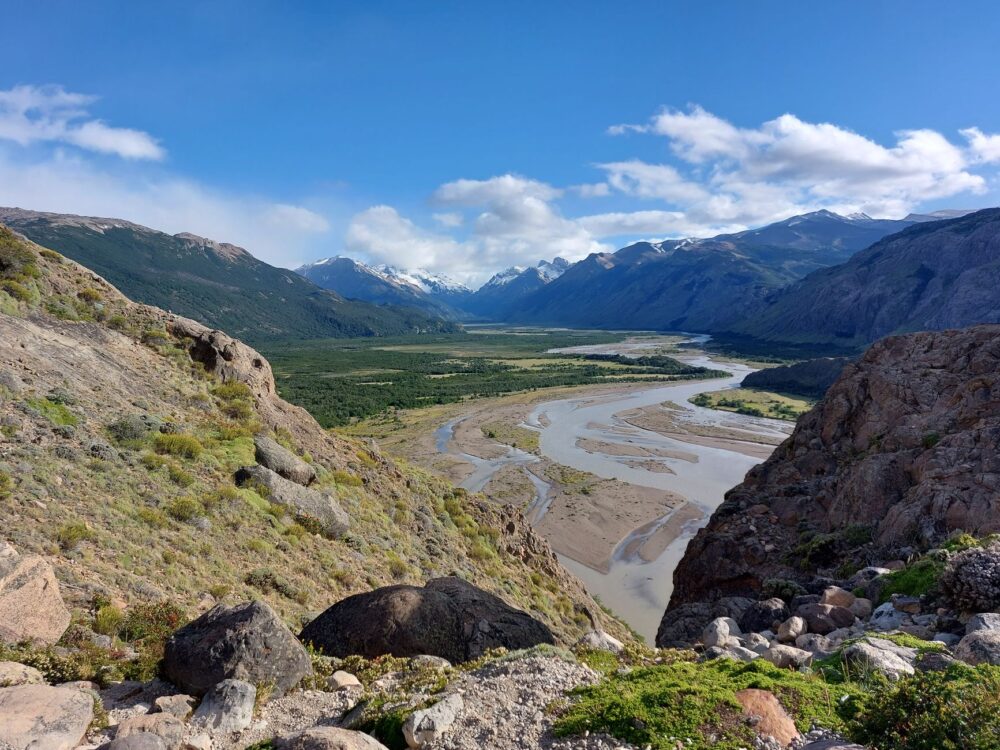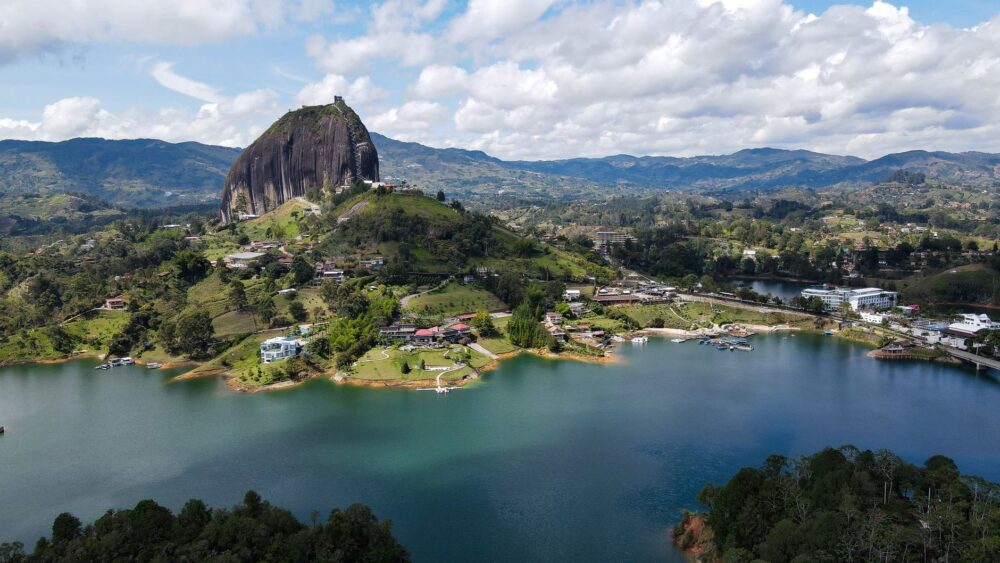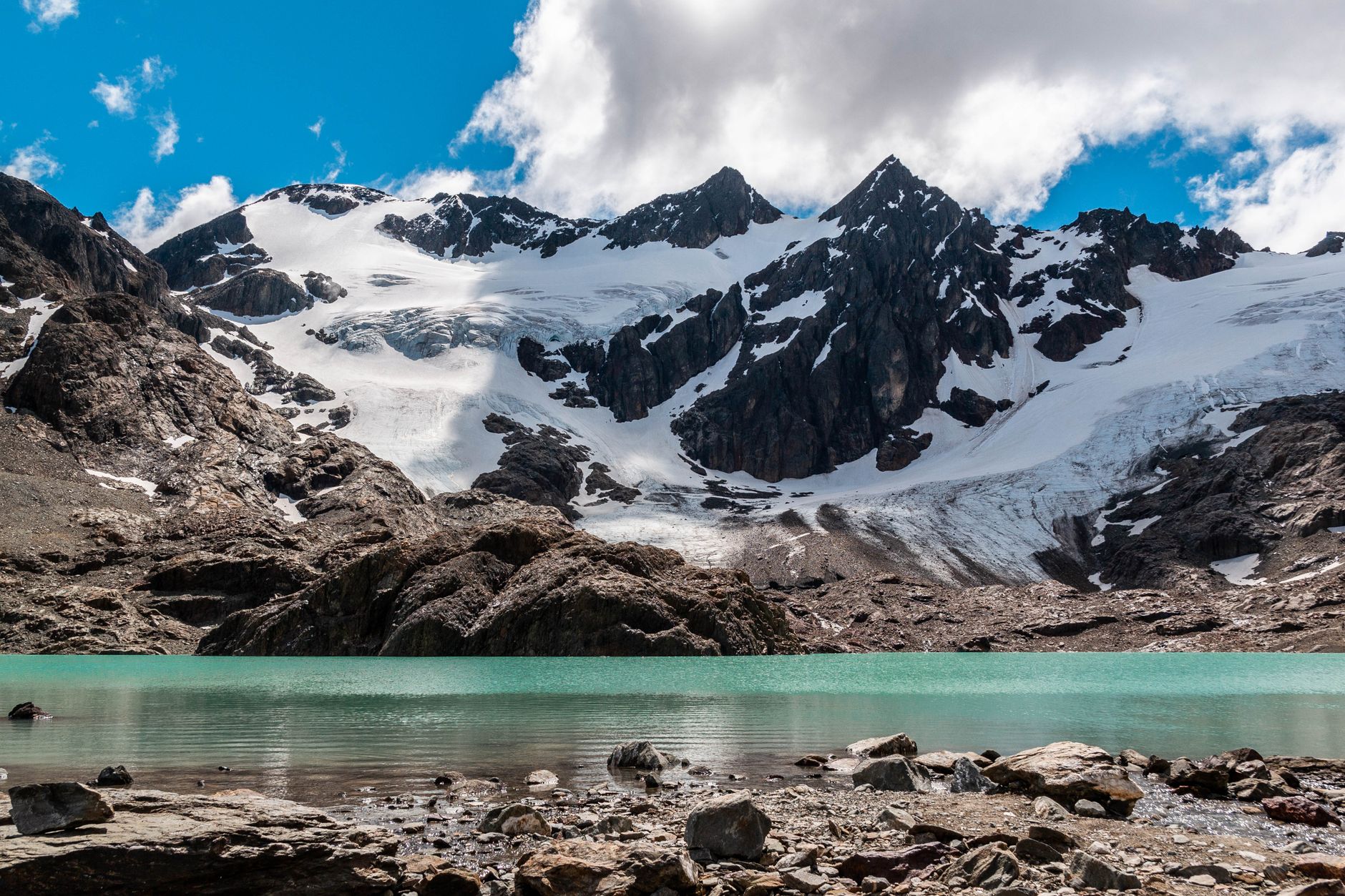

Across the vast and complex geographical expanse of Colombia, where the snow-capped peaks of the Andean mountain range fracture into deep valleys and staggering canyons, territories still exist that elude the radar of mass tourism. While cities like Cartagena or Medellín concentrate the main flows of visitors, a secluded Andean enclave has begun to register a steady increase in the arrival of international travelers eager to discover a less publicized yet profoundly genuine facet of the country. This phenomenon is not driven by aggressive advertising campaigns, but by the word-of-mouth recommendations of explorers seeking pristine landscapes, living traditions, and a hospitality far removed from standardized industrial hotel chains.
The appeal of this destination lies in its capacity to synthesize the nation’s natural and cultural complexity within an accessible yet rugged space. Here, morning mists descend upon ancient cloud forests, coffee plantations cling to near-vertical slopes, and villages preserve an architecture that appears frozen in time. To understand this rise, one must examine how local communities have taken ownership of their own tourism development, transforming historical challenges of geographical isolation into a competitive advantage rooted in exclusivity, sustainability, and respect for the environment.
The geography of neglect transformed into a natural sanctuary
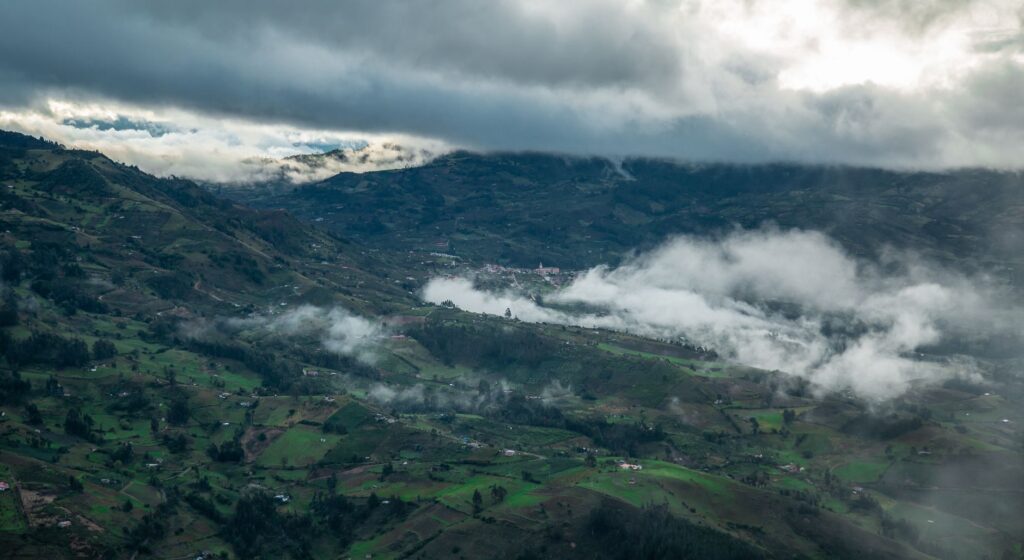
The topography of the region has historically acted as a protective shield against accelerated colonization and uncontrolled urban expansion. The winding roads carved into steep mountains demand patience and a capacity for wonder, rewarding the traveler with sweeping vistas where the intense green of the vegetation competes with the shifting palette of Andean skies. Within this territory, the cordillera is not merely a geographic feature, but a dynamic ecosystem harboring endemic species of flora and fauna, many of them threatened or endangered.
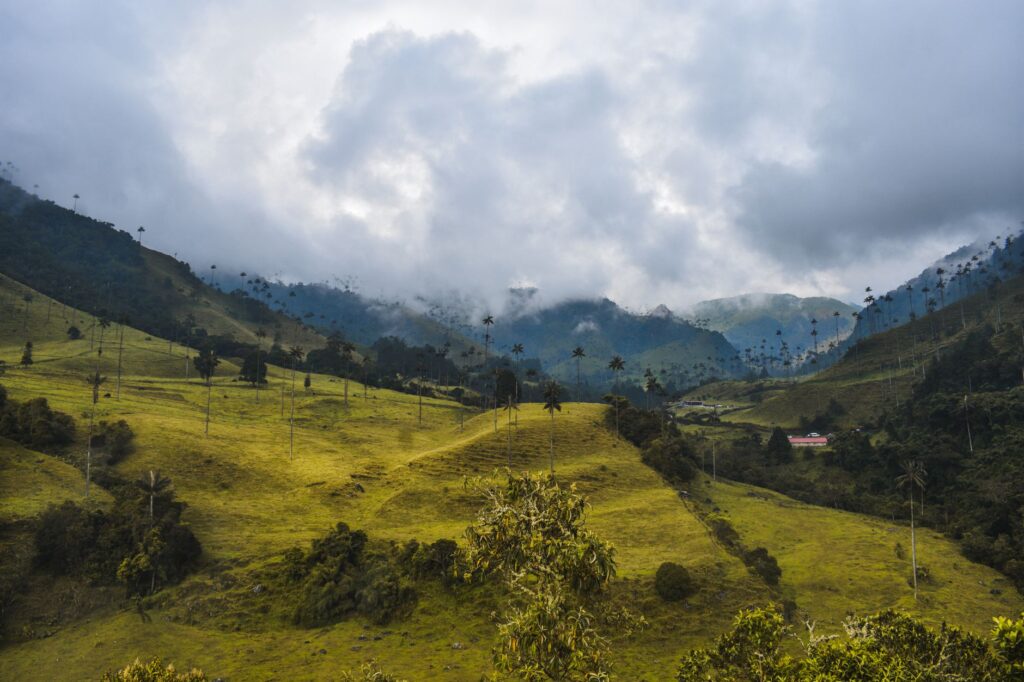
Environmental authorities and local organizations have documented the presence of vital ecological corridors essential for the transit of migratory birds and medium-sized mammals. The cloud forests, in particular, function as natural sponges that capture atmospheric moisture, feeding the crystal-clear streams that descend toward the main river arteries. This delicate ecological equilibrium has served as the cornerstone for the territory’s conservation vocation, preventing the growth of tourism from degrading the natural resources that draw foreign visitors in the first place.
Vernacular architecture and the pulse of colonial history
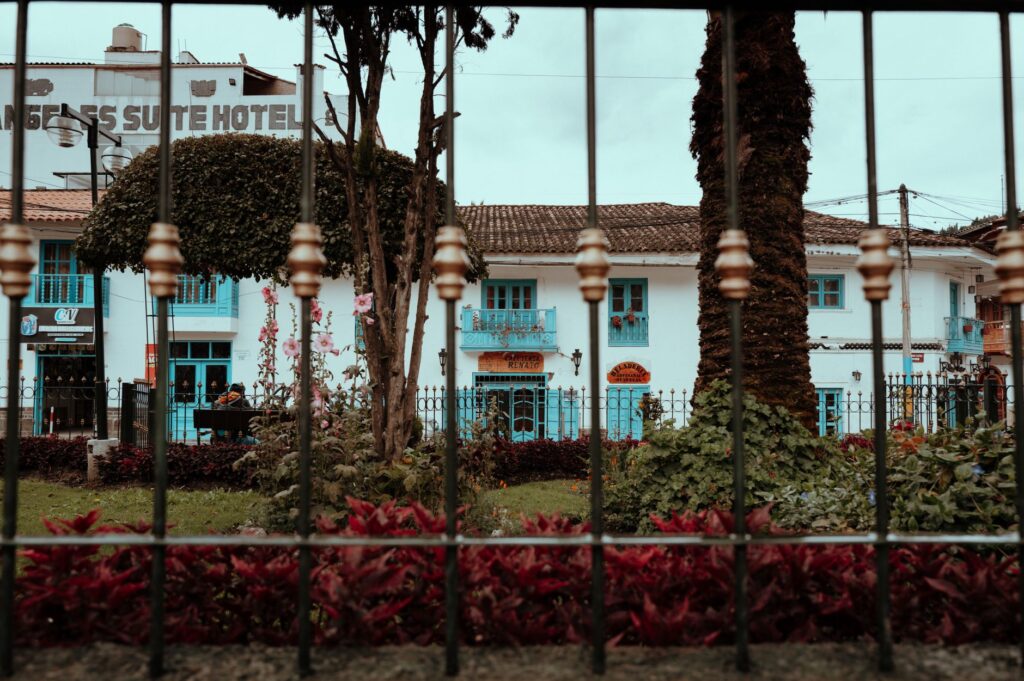
The urban center of this destination stands as a tangible testament to Colombia’s republican and colonial history. Unlike other hyper-connected tourist enclaves, here the brightly colored facades, carved wooden balconies, and handcrafted baseboards are not stage sets assembled for the tourist, but the everyday homes of families who have inhabited the same valley for generations. The cobblestone streets, designed to withstand heavy seasonal rains, invite slow-paced walking and detailed observation of daily life.
The preservation of this architectural heritage has been made possible through strict local regulations and the civic pride of its residents. Every house, square, and church retains traditional construction elements such as wattle-and-daub (bahareque) and fired clay tiles, techniques that not only ensure aesthetic integration with the mountainous landscape but also demonstrate ancestral wisdom in thermal management and seismic resistance. Strolling through these streets at dusk, when golden light bathes the rooftops, offers a first-rate aesthetic experience.
The social fabric: communities leading change
The true engine of this region’s international appeal is found not solely in its landscapes or colonial monuments, but in its social fabric. Following decades of isolation and the socioeconomic challenges that affected vast rural areas of Colombia, local communities have fostered agricultural cooperatives and community tourism associations that ensure the economic benefits of the activity remain within the territory.
Foreign visitors arriving at this destination are treated not as mere consumers, but as welcomed guests in an extended home. Local guides are farmers who know every trail, every medicinal plant, and every legend of the region. This egalitarian dynamic fosters a deep and meaningful cultural exchange, allowing travelers to understand firsthand the complexities of Colombian rural life, its daily struggles, and its inexhaustible capacity for resilience and joy.

True authentic tourism does not seek to transform the destination into the traveler’s image, but rather allows the territory to transform the traveler’s perspective.
The coffee route and artisanal precision agronomy
It is impossible to speak of the Colombian Andes without mentioning coffee, and this corner of the country is no exception, albeit with unique nuances that set it apart from the traditional Coffee Triangle. Here, farm plots are small, family-run, and situated on extreme slopes, necessitating strictly manual and selective harvesting. In recent years, local farmers have shifted toward specialty coffee production, implementing controlled fermentation processes and sun-drying methods that elevate grain quality to international standards.
Foreign tourists have the opportunity to tour coffee farms where the producer personally explains the complete cycle of the bean, from planting the seed to the final cup tasting. This sensory experience fosters an appreciation for the human effort behind every sip and explains why Colombian coffee maintains its international prestige. Traceability and fair trade are not abstract concepts printed on a commercial label here, but direct human relationships between the coffee grower and those who enjoy their harvest.
High-altitude gastronomy: flavors that rescue memory
The cuisine of this Andean destination reflects the generous pantry of its thermal zone. Far from the culinary standardization of major cities, local dishes rely on fresh ingredients harvested from home gardens: native tubers, ancestral corn varieties, artisanally smoked meats, and comforting soups designed to combat mountain chill. Local restaurants, often housed in restored colonial mansions, have reinterpreted these traditional recipes through a contemporary lens without losing their rustic essence.
Among the standout products are artisan cheeses aged in natural caves, wild fruit jellies foraged from surrounding forests, and fermented corn and panela beverages that accompany community celebrations. This gastronomic proposal forms a fundamental pillar of the travel experience, connecting visitors to the cordillera’s agricultural biodiversity through the palate.
Sustainability and challenges amid international growth
The growing interest from international agencies and specialized media has placed this destination at a complex crossroads: how to manage rising visitor numbers without compromising the fragile environmental and social harmony that grants it differential value. Local authorities, in collaboration with universities and environmental NGOs, have begun implementing carrying capacity limits on popular trails and promoting sustainable tourism certifications for rural lodgings.

The core challenge lies in preventing rural gentrification and the loss of community control over tourism resources. Unlike other Latin American destinations that have succumbed to over-tourism and corporate hotel dominance, this region pursues a human-scale development model where growth is measured by local well-being and long-term ecosystem conservation, rather than raw visitor volume.
The true measure of an emerging destination’s success is its ability to say no to predatory tourism in order to preserve its territorial dignity.
Practical guide
- How to get there: Primary access is by road from the regional capital, a journey lasting between three and four hours depending on weather conditions. Hiring authorized private transport or utilizing traditional shared utility jeeps (campesinos) is strongly recommended.
- Best time to visit: The months with lowest rainfall correspond to the periods from December to February and July to August, although mountain weather remains unpredictable and sudden rain showers should always be anticipated.
- Accommodation: Native guesthouses, adapted coffee haciendas, and small family-run boutique hotels located in the historic center and surrounding rural districts predominate.
- Gear recommendations: Sturdy trekking footwear with good grip, layered waterproof clothing, high-SPF sunscreen, biodegradable insect repellent, and a reusable water bottle to minimize plastic waste are essential.
- Code of conduct: Strict prohibitions apply regarding the removal of plant or animal material from trails, and visitors must request prior permission before photographing local residents engaged in daily labor.
Refuge for the soul: the green silence of the mountain
When travelers begin their journey back and leave behind the bluish profiles of the mountains, the prevailing sensation is not one of having accumulated attractions on a checklist, but of having tuned into a different rhythm of life. In this corner of the Andes, where time seems measured by the cycle of mists and the steady, unhurried efforts of its people, travel recovers its primordial purpose: opening windows onto human realities that challenge us, enrich us, and remind us that the true wealth of a journey lies in the depth of the encounter.
Context sources and institutional data compiled from rural development reports and Revista Semana features on tourism trends in Colombia. Source in English: Revista Semana.