Introduction to the Durmitor Massif and the Secrets of Its Vertical Geography
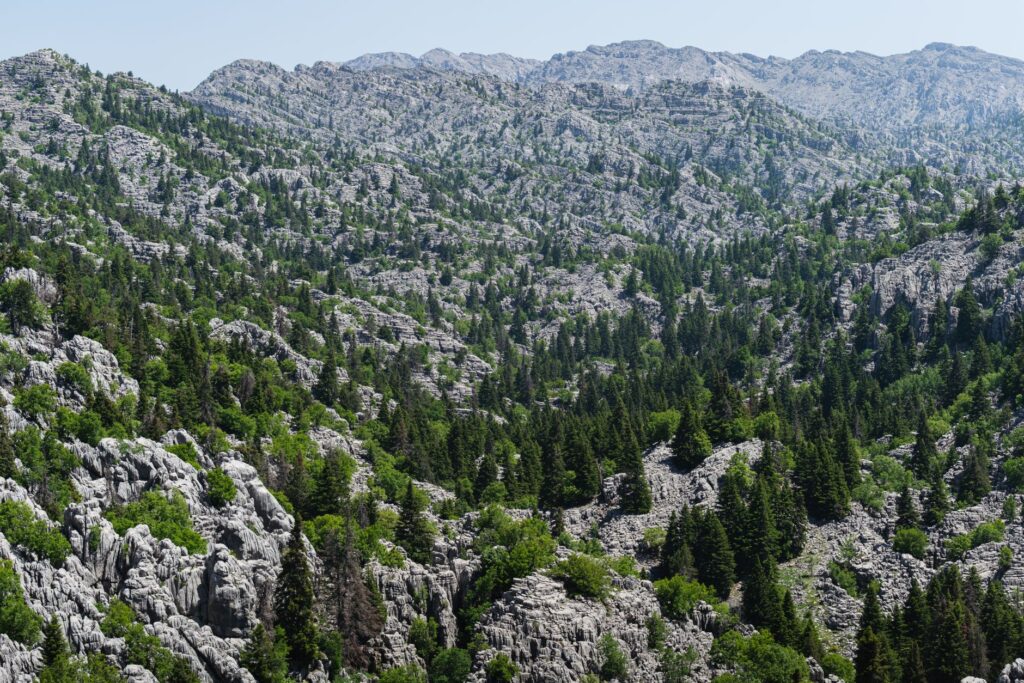
Durmitor National Park, located in northwestern Montenegro, represents one of the most rugged and best-preserved ecological strongholds in the Western Balkans. This limestone colossus, sculpted by the combined action of ancient glaciers and intense karst erosion, stands as a natural fortress where geology dictates the rules of survival. Here, summits frequently exceed two thousand meters in altitude, with Bobotov Kuk peak crowning the landscape at 2,523 meters. Between its vertical walls opens the Tara River canyon, Europe’s deepest river gorge, acting as an impassable biogeographic trench and simultaneously as a vital corridor for the region’s alpine biodiversity.
In this arena of grey rock, gale-force winds, and sparse vegetation, wildlife has found a refuge of incalculable scientific value. Far from conventional tourist routes skirting the Adriatic coastal zones, the highlands of Durmitor shelter a complex trophic web where endemic species and large mountain mammals coexist in delicate balance. Understanding this ecosystem demands a rigorous gaze that transcends mere landscape contemplation, delving into the geomorphological dynamics and physiological adaptations enabling fauna to subsist in one of the European continent’s most hostile habitats.
The Biology of the Balkan Chamois and Its Adaptation to Karst Terrain
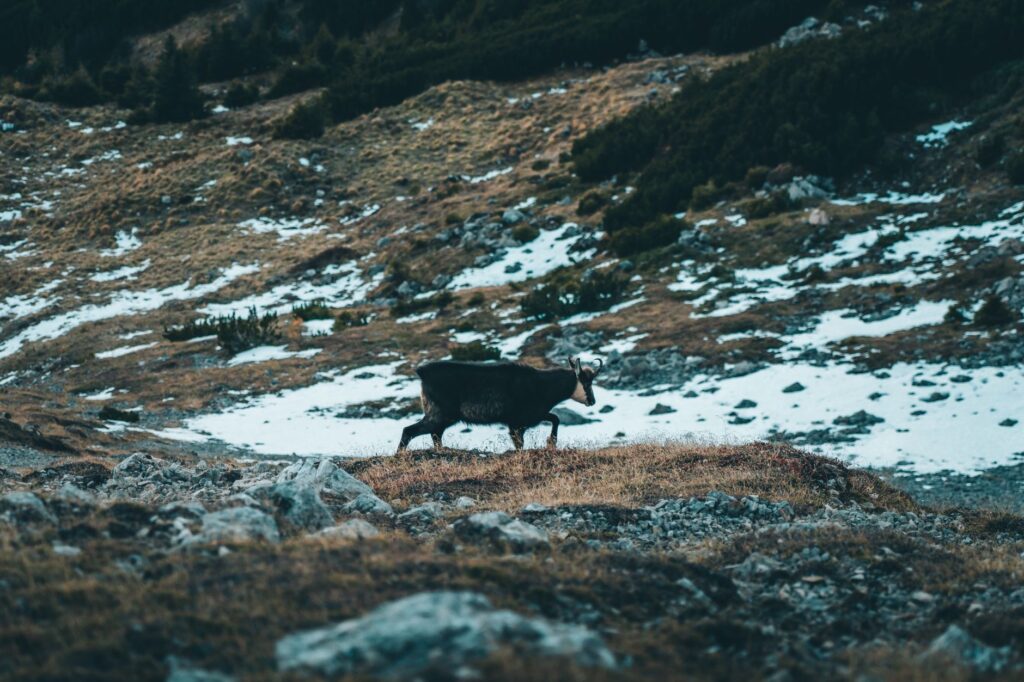
The subspecies of chamois inhabiting these crags, scientifically cataloged as Rupicapra rupicapra balcanica, constitutes an evolutionary model of alpine specialization. Unlike their relatives in the central Alps, this population has developed specific morphological adaptations to cope with the extreme dryness and fragmentation of the Balkan karst substrate. Their hooves, characterized by hard outer rims and elastic central pads, function as natural biological crampons, allowing them to move with startling agility across near-vertical rock ledges where a single miscalculation would prove fatal.
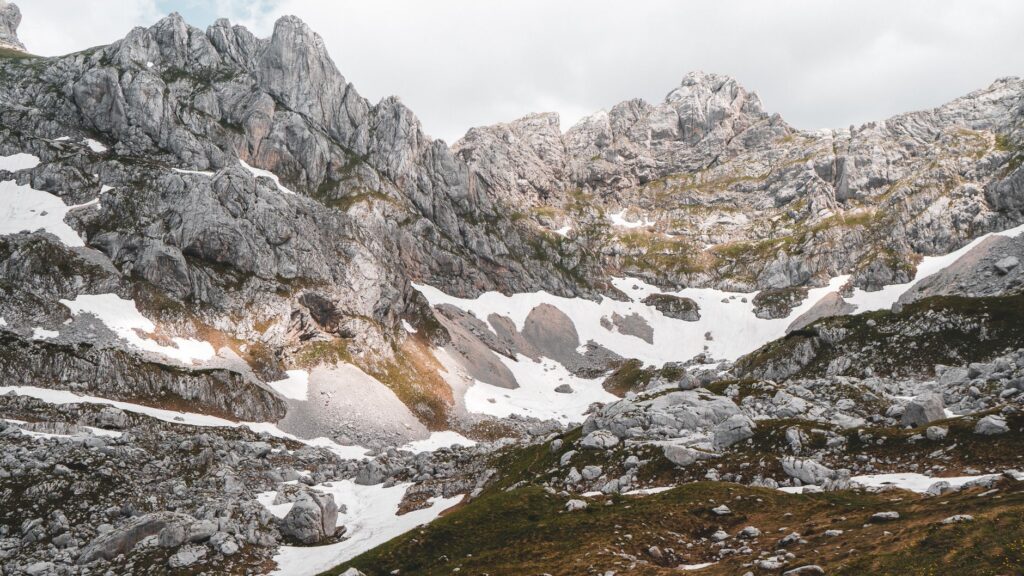
During the summer months, these herbivorous mammals concentrate their activity in high-altitude alpine meadows and lingering snowfields, feeding on a wide variety of grasses, lichens, and woody shoots. With the arrival of winter, when snowfalls choke upper ridges and drastically reduce trophic availability, the Balkan chamois undertakes short-range altitudinal migrations toward mixed beech and conifer forests situated in sheltered valleys. This seasonal migratory behavior is key to maintaining the basal metabolic rate and ensuring the survival of pregnant females during the most critical period of the year.
The demographic stability of the chamois in Durmitor does not depend solely on legal protection against poaching, but on the strict preservation of the ecological corridors connecting summer pastures with winter forest refuges.
Population Dynamics and Scientific Census in Inaccessible Terrain
Monitoring populations of Rupicapra rupicapra balcanica within Durmitor National Park represents a major methodological challenge for field biologists. The karst topography, riddled with chasms, sinkholes, and unreachable cliffs, precludes the use of traditional counting methods based on terrestrial linear transects. Consequently, research teams combine direct observation via powerful terrestrial telescopes from strategic viewpoints with the deployment of camera traps situated along obligatory ridge passes.
Coordinated censuses in recent years suggest a stable population oscillating between seven hundred and nine hundred individuals within the park’s protected core, though experts warn of the risks posed by genetic isolation. Being an insularized habitat—surrounded by anthropized valleys, road infrastructure, and fragmented forest areas—gene flow with other Dinaric Alps populations is severely limited. Latent inbreeding and lower resistance to emerging pathogens constitute invisible yet persistent threats that park managers attempt to mitigate through regional-scale territorial connectivity strategies.
The Impact of Climate Change on High-Mountain Habitats
Global warming is drastically altering the environmental conditions of alpine ecosystems in the Balkans, and Durmitor is no exception. The sustained increase in average annual temperatures has driven a drastic reduction in the volume and persistence of the winter snowpack, altering local hydrological cycles and drying up high-elevation springs that served as indispensable water sources for wildlife during summer months.
Likewise, this climatic phenomenon favors the altitudinal ascent of the shrub line and forest expansion into alpine meadow zones that traditionally remained open. For the chamois, this plant invasion reduces optimal grazing surface area and modifies environmental visibility, a critical factor for detecting natural predators such as the wolf (Canis lupus) and brown bear (Ursus arctos). The combined pressure of lost open habitat and increased frequency of extreme weather events demands a rethinking of long-term management and conservation plans.
Conservation Challenges Amid Unregulated Tourism
While Durmitor National Park enjoys maximum institutional protection and was declared a UNESCO World Heritage Site in 1980, anthropogenic pressure has experienced concerning growth in recent decades. The uncontrolled expansion of tourism infrastructure in peripheral towns, particularly Žabljak, and the rise of unregulated hiking during summer months generate notable acoustic and spatial disturbance in wildlife breeding territories.
Conservation experts emphasize the necessity of enforcing strict zoning that restricts human access to the park’s most sensitive sectors during periods of heightened biological vulnerability, such as the spring chamois calving season. The proliferation of unauthorized mountain trails and the presence of domestic animals in high-altitude pastures increase the risk of infectious disease transmission and displace native species toward marginal zones less productive from a nutritional standpoint.
The Recovery of Large Carnivores as Ecological Regulators
Durmitor’s ecosystem cannot be understood in isolation without the presence of the large predators sharing its habitat. Wolves and brown bears play a fundamental role in regulating wild ungulate populations, removing sick or weakened individuals and maintaining constant alertness preventing overgrazing in fragile high-mountain meadows. However, coexistence between these carnivores and traditional livestock activities practiced in surrounding valleys continues to generate significant social tensions.
Livestock damage compensation programs and the installation of subsidized electric fencing have proven effective tools for reducing conflict with local ranchers, though illegal hunting and the historical persecution of predators continue to undermine conservation efforts. Protecting the chamois thus implies guaranteeing the health of the entire trophic pyramid, recognizing that herbivore survival is intrinsically tied to the presence of their natural predators in the karst landscape.
Practical guide
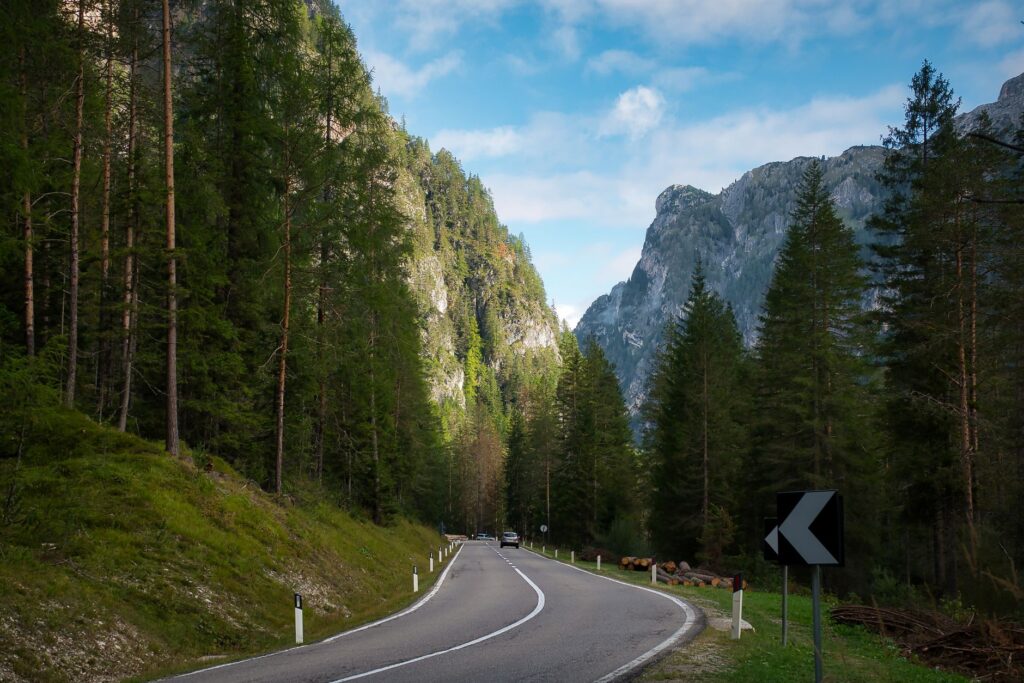
How to get there: The main access to Durmitor National Park is via the town of Žabljak. Podgorica International Airport is approximately 120 kilometers away and Tivat is 150 kilometers away. Renting an off-road vehicle or a car with good performance is recommended to navigate winding Montenegrin mountain roads.
When to visit: Optimal months for nature observation and scientific hiking fall between June and September, when high-mountain trails are snow-free. Avoid winter months unless equipped with advanced winter mountaineering experience and high-mountain gear.
Park regulations: Camping outside authorized campsites, lighting fires, collecting protected plant species, and leaving any type of waste are strictly prohibited. Always maintain a safe distance from wildlife using telephoto lenses or binoculars, avoiding alteration of their natural behavior.
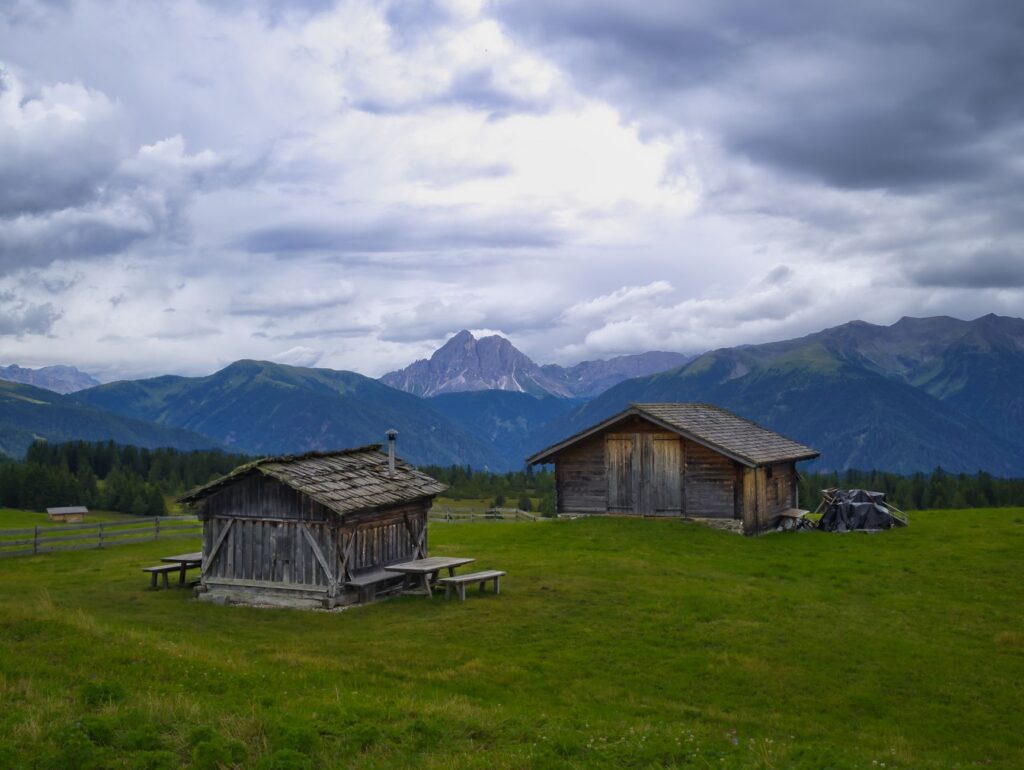
Accommodation and services: Žabljak offers a wide variety of lodgings ranging from small family-run rural houses to alpine hotels. Hiring local guides certified by the park administration is advised to access interpretive trails of highest ecological value.
The Silence of the Summits and the Future of Alpine Biodiversity
Contemplating the silhouetted profile of a Balkan chamois against a limestone ridge, with the abyss of the Tara canyon stretching at its feet, is an experience synthesizing the purest essence of the wild Balkans. In this territory where time seems measured by the slow wear of water upon rock, each individual represents the link in a millennial evolutionary chain that has successfully defied the limits of physics and mountain climatology.
The future of this natural refuge depends not exclusively on administrative decrees, but on our collective capacity to integrate scientific conservation with a truly sustainable development model. Only through absolute respect for the biological rhythms of wildlife and the rigorous preservation of their karst habitats will it be possible to ensure that the echo of wild nature continues to resonate across Durmitor’s high summits for generations to come.