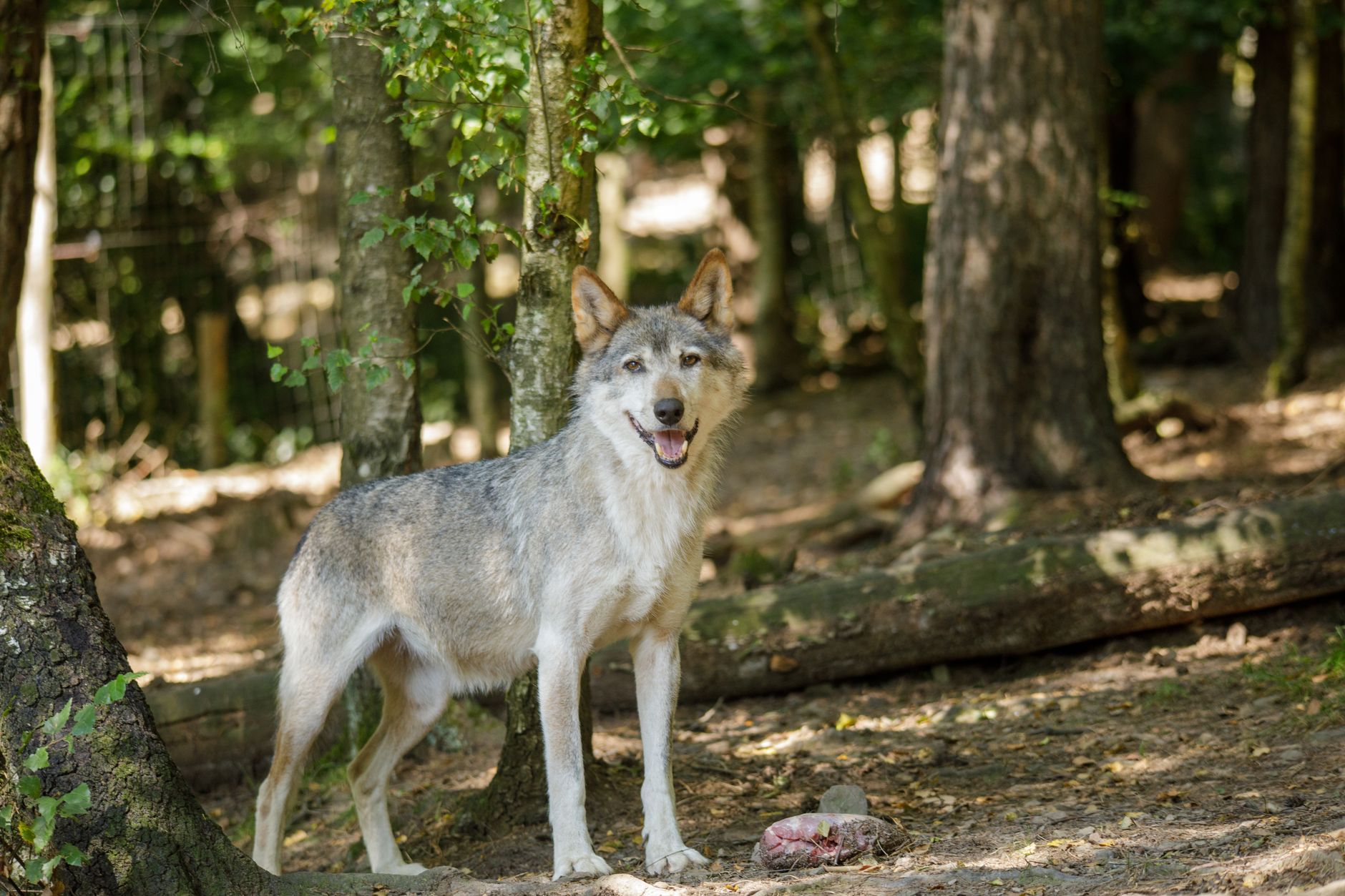

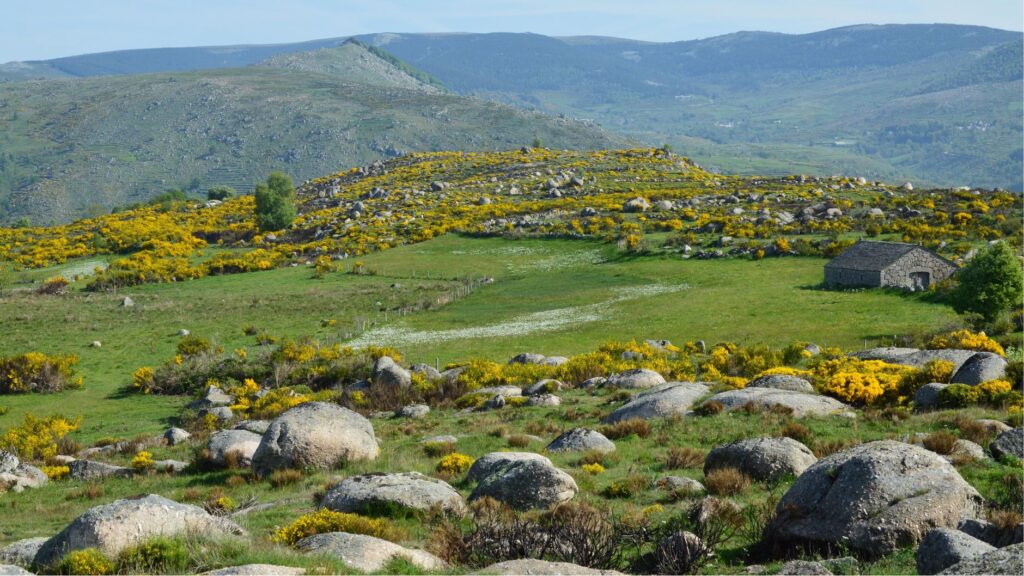
Dawn in the Sierra de la Culebra does not arrive with a sudden roar, but rather as a quiet drip of cold light descending over ridges of slate and quartzite. In this northwestern corner of the Zamora province, where the landscape ripples into gentle yet rugged crests, time seems measured by the cadence of natural elements and the elusive presence of one of Western Europe’s most iconic predators: the Iberian wolf. Here, the subspecies Canis lupus signatus finds one of its most critical historical strongholds, a territory where dense thickets of rockrose, gorse, and Pyrenean oak form a natural labyrinth that has enabled the secular persistence of the species amidst profound rural transformations.
Understanding the dynamics of this refuge requires stripping away any trace of bucolic romanticism to confront a complex reality where conservation biology constantly clashes with the demands of the local agro-pastoral economy. The Sierra de la Culebra is not a national park enclosed by invisible fences, but a living landscape—humanized in its valleys and wild on its summits—where the millennial coexistence between shepherds and canids has forged a delicate equilibrium. Through this report, we will examine the demographic keys of its packs, the importance of ecological corridors connecting this massif with Galician and Portuguese ranges, and new management models aimed at safeguarding biodiversity without stifling rural livelihoods.
Geography and Topography of a Refuge Massif
The topography of the Sierra de la Culebra is defined by a succession of moderately high mountain chains—with peaks rarely exceeding 1,250 meters, such as Peña Mira—sculpted by an intricate network of streams and minor rivers like the Tera and the Manzanas. These waterways have carved incised valleys that act as vital biological arteries. This modest elevation, far from being an obstacle, fosters a dense vegetative cover composed of extensive Pyrenean oak (Quercus pyrenaica) forests, reforestation pines, and an impenetrable understory dominated by heather, rockrose, and broom.
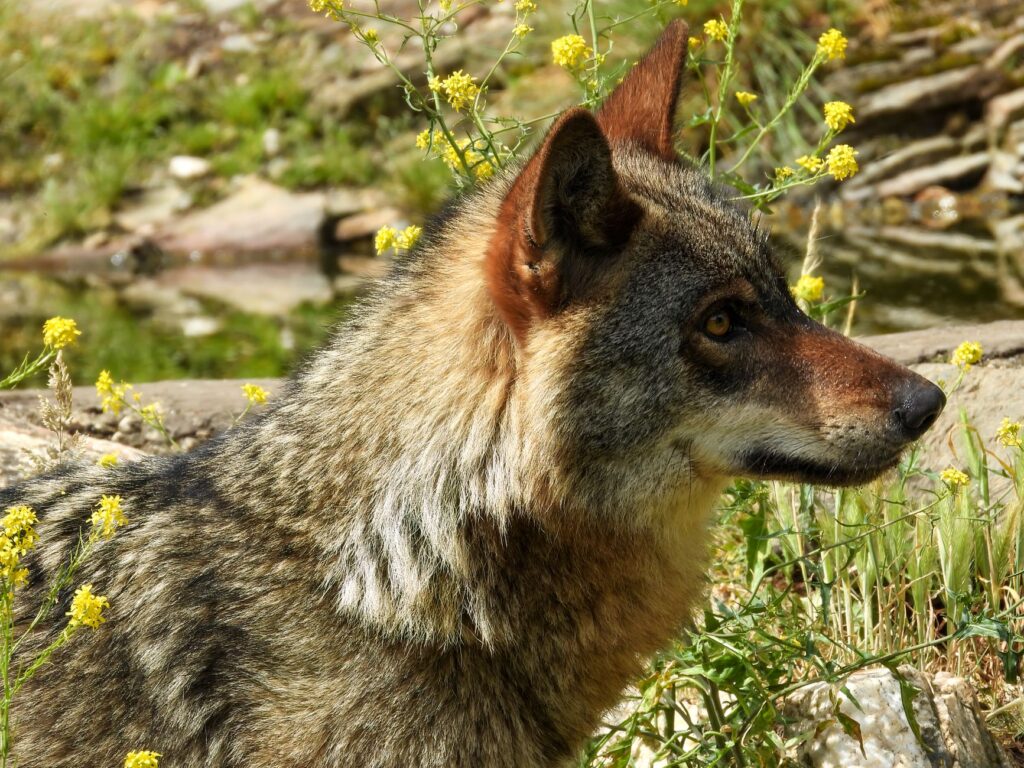
The siliceous lithology of the substrate produces acidic soils poorly suited for intensive agriculture, which has historically restrained human demographic pressure in the upper zones. This circumstance turned the massif into an ideal sanctuary for forest wildlife. North-facing slopes retain notable ambient humidity, creating microclimates where Atlantic and Mediterranean plant species thrive in unusual symbiosis—a landscape mosaic that optimizes secure refuges for resting and reproduction.
Demographic Dynamics and Pack Structure
Scientific monitoring of wolf populations in the Sierra de la Culebra, spearheaded for decades by naturalists and regional teams from Castilla y León, reveals a dynamic and highly adaptable demography. Unlike their northern European counterparts, Zamora wolf packs organize into stable family units ranging from four to ten individuals, led by an alpha breeding pair that monopolizes reproduction. The density of packs in this territory has historically been among the highest in the Iberian Peninsula, with estimates fluctuating between fifteen and twenty stable packs roaming fully or partially within the protected space and its surroundings.
The social stability of the pack is the cornerstone of its survival. Pups, typically born between May and June in dens excavated in embankments or hidden beneath dense gorse, learn complex cooperative hunting tactics and internal hierarchies during their first year of life. The dispersal of subadults upon reaching sexual maturity is a critical phenomenon: these young wolves leave their natal territory in search of mates and new domains, utilizing natural ecological corridors to avoid inbreeding and colonize adjacent areas in León, Orense, or northern Portugal.
Trophic Strategies and the Ecological Role of an Apex Predator
The role of Canis lupus signatus at the apex of the Iberian trophic web extends far beyond simple predation. In the Sierra de la Culebra, the wolf’s diet is extraordinarily plastic, heavily dependent on the seasonal availability of wild ungulates. Wild boar (Sus scrofa), roe deer (Capreolus capreolus), and, to a lesser extent, red deer (Cervus elaphus) form the fundamental sustenance of the packs. This predatory pressure exerts an indispensable regulatory function in maintaining the health of herbivorous populations by preferentially culling sick, weak, or immature specimens.
However, the presence of significant extensive livestock farming—primarily sheep and goats, alongside cattle—introduces an unavoidable variable of ecological friction. When wild ungulate densities fluctuate or adverse weather conditions hinder hunting in dense brush, domestic livestock becomes an accessible food source. It is precisely at this juncture that the biology of the species collides with the economic interests of the primary sector, demanding rigorous technical responses that go far beyond mere financial compensation for damages.
The wolf is not an abstract entity wandering through children’s tales, but an implacable manager of forest ecosystems whose biological survival depends entirely on our capacity to tolerate its presence in shared landscapes.
Ecological Corridors and Peninsular Connectivity
The long-term viability of wolf populations in the Sierra de la Culebra does not rely solely on the interior surface of the massif, but on its connectivity with other Iberian natural areas. Radiotelemetry and population genetics studies have demonstrated that this territory functions as a central node within the peninsular wolf metapopulation. To the north, mountain ridges connect with the Cantabrian Mountains; to the west, the canyons of the Duero and cross-border rivers pave the way toward Sierra da Nogueira and Montesinho Natural Park in Portugal.
Nevertheless, this connectivity is currently threatened by anthropogenic habitat fragmentation. The proliferation of linear transport infrastructures, such as highways and national roads not always equipped with adequate wildlife overpasses, coupled with the expansion of renewable energy projects—both wind farms and photovoltaic plants with their corresponding power lines and perimeter fences—acts as an invisible yet effective barrier against natural animal dispersal. Ensuring the permeability of these ecological corridors is the greatest technical challenge facing environmental managers today.
The Contentious Coexistence with Extensive Livestock
Analyzing wolf conservation in Zamora cannot bypass the deep social friction it generates among local livestock breeders. Extensive livestock farming, essential for preserving mountain pastures and preventing forest fires through natural grazing, directly absorbs the pressure of flock attacks. The loss of livestock represents not only a direct economic setback but also psychological fatigue for professionals whose traditional livelihood is threatened.
For decades, the game management of wolves—permitting controlled hunting quotas under the premise of placating the agrarian sector—was the regional administration’s primary tool. However, the subsequent inclusion of all Spanish wolf populations under the Special Protection Wildlife Regime (LESRPE) in 2021 banned sport hunting nationwide, sparking an intense legal and social debate. Staunch proponents of strict conservation and farmers now find themselves at a crossroads where preventive measures—such as mastiff guard dogs, nighttime enclosures, and electric fences—are put forward as the only peaceful path forward.
Faced with the traditional game management model, the Sierra de la Culebra has pioneered the development of wildlife observation tourism, commonly known as wolfwatching. For over two decades, nature enthusiasts, photographers, and naturalists from around the world have flocked to the massif’s summits and authorized viewpoints—such as those in Villardeciervos, Santa María de la Vega, or Molezuelas de la Carballeda—equipped with powerful spotting scopes to observe the canids in the wild during early morning and late evening hours.

This emerging economic industry proves that a living wolf can generate far greater revenue for the region than a culled one. Rural accommodations, specialized guides, active tourism companies, and local hospitality indirectly benefit from this stream of environmentally conscious visitors. The key to this model lies in strict activity regulation: avoiding approaching dens too closely, refraining from interfering with roaming routes, and fostering rigorous interpretation that educates visitors on the animal’s true ecology while banishing secular myths of wanton cruelty or unfounded danger to humans.
Watching a wolf cross a heather-covered slope with a firm stride at dusk is witnessing the persistence of true wildness within a hyper-technological continent.
The future of this Zamoran refuge will ultimately depend on institutional and social maturity to accept that biodiversity conservation is not an aesthetic whim, but a systemic necessity. The Sierra de la Culebra will continue to be home to the wolf to the extent that we are capable of shielding its corridors, supporting the livestock industry resisting in the mountains with real resources, and keeping alive the respect for a species that embodies, like no other, the wild memory of the Iberian Peninsula.
Practical guide
- How to get there: The natural gateway to the Sierra de la Culebra is the Zamora province. From Madrid, take the A-6 highway to Benavente and subsequently the N-631 or A-52 to access the heart of the region in approximately three hours. The closest international airport with high-speed rail (AVE) connections is Valladolid.
- Best time to visit: Autumn months (September to November) and spring (March to May) offer the best weather and lighting conditions for wildlife observation and hiking. Summer frequently brings very high temperatures and reduced daytime mammalian activity.
- Recommended accommodation: The region features a consolidated network of rural tourism. Traditional restored houses in municipalities such as Robleda de Cervantes, Puebla de Sanabria (in the western foothills), and Villardeciervos stand out, many managed by local residents linked to conservation.
- Observation rules: Approaching closer than one kilometer to known breeding areas or using acoustic lures is strictly forbidden. The use of binoculars and spotting scopes is mandatory; attempting to track animals on foot through the brush is discouraged and severely disrupts their behavioral patterns.
- Essential gear: Warm clothing in muted tones (camouflage or earth tones to avoid visual contrast), technical mountain footwear resistant to stony terrain, breathable waterproof wear, and adequate sun protection for long waiting hours at viewpoints.
- Institutional information: It is advisable to contact the Wolf Interpretation Center in Robleda de Cervantes beforehand or check regional visitor centers to verify the status of authorized paths and temporary restrictions due to nesting or fire seasons.
- Local gastronomy: The stay is complemented by rich Zamoran culinary traditions, highlighting products such as Aliste veal, seasonal wild mushrooms gathered in oak forests, artisanal sheep cheeses, and designation-of-origin regional wines.