
Introduction to Eastern Europe’s Aquatic Labyrinth
The Danube Delta is not merely a geographical accident at Europe’s eastern fringe, but a vast amphibious nation where water and solid ground continually negotiate their borders. In this Romanian enclave, where the continent’s second-longest river spills into the Black Sea, human existence has historically depended on cabotage navigation, hand-dredged channels, and a complex network of barges defying the silt. Understanding this territory requires abandoning continental perspectives to adopt the slow, steady rhythm of river tides and commercial traffic coursing through its liquid veins.
Far from conventional tourist circuits, the Sulina branch acts as the backbone of this biosphere reserve. For centuries, European powers contested the control of this maritime outlet due to its strategic value for the grain trade. Today, the connectivity of isolated settlements relies on a delicate balance between public service vessels, maintenance dredgers, and the ancestral knowledge of Lipovan fishermen who have turned the maze of reed beds into their permanent home.
The Genesis of the European Commission of the Danube
The modern transformation of the delta began to take shape in the mid-nineteenth century, when the Ottoman Empire and European powers realized that the natural mouth of the Danube was a sandbar bottleneck. The Treaty of Paris in 1856 gave birth to the European Commission of the Danube, a pioneering international body that undertook the colossal task of straightening the river’s course. British and European engineers cut through the sharpest meanders of the Sulina branch, dredging a deep-water artificial channel to allow large cargo steamers access to the interior.
This landmark feat of waterway engineering not only reshaped the commercial map of the Balkans but also profoundly altered the region’s sedimentary dynamics. Stone jetties built at the Sulina mouth, projecting into the open waters of the Black Sea, protected the channel from coastal sedimentation. Today, the vestiges of that golden age of international navigation are still visible in the old consular buildings flanking the Sulina waterfront, standing as testimony to an era when this frontier was a cosmopolitan free port.
The Cabotage Fleet and Everyday Transportation
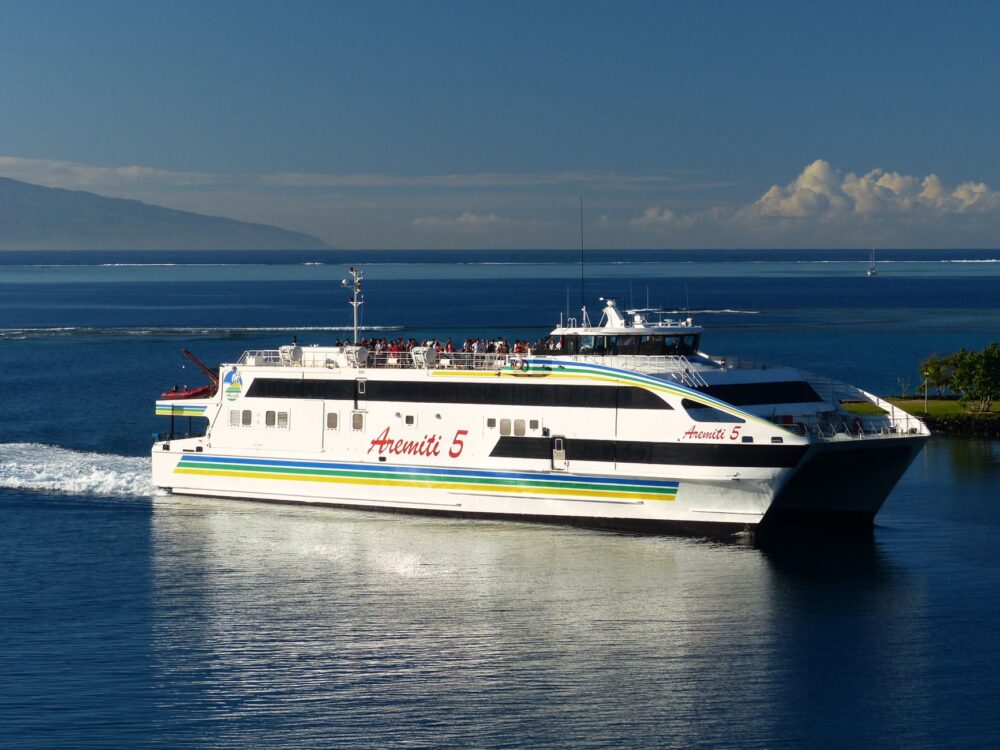
In the Danube Delta, conventional roads are conspicuously absent. The mobility of residents and the provisioning of riverside villages, such as Mila 23 and Gorgova, rest upon a heterogeneous fleet of passenger vessels and cargo barges. The Romanian state shipping company and private operators run regular services locally known as nave de pasageri, acting as true aquatic buses transporting everything from sacks of flour and construction materials to children attending regional schools.
This amphibious connectivity is governed by seasonal schedules and capricious weather conditions. Winter freezes locking secondary channels and spring floods force captains to constantly modify their routes. Aboard these vessels, the traveler experiences the true pulse of the region: a shared space where local fishermen exchange news with natural park officials, sharing tight deck quarters with essential goods for daily survival.
The delta is not crossed in a hurry; it is inhabited at the pace of the diesel engine pushing the barge against the muddy current.
Channel Maintenance: Dredging and Bathymetry
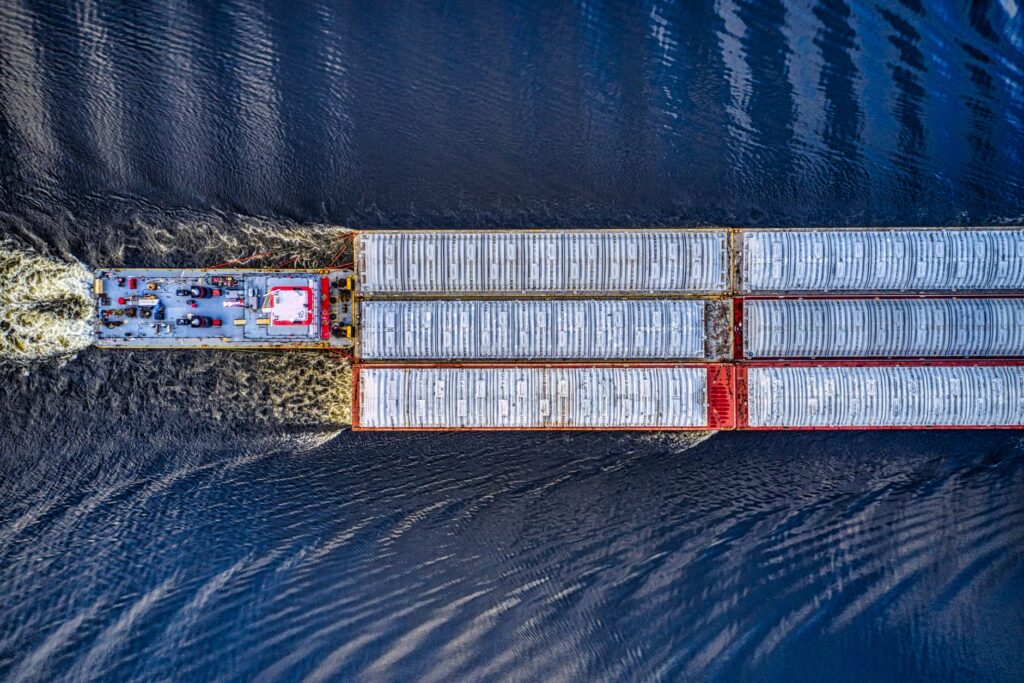
Keeping the Sulina branch open for commercial navigation requires continuous technological effort. Sediments transported by the river basin accumulate relentlessly on the riverbed, threatening to block the passage of maritime freighters connecting the inland river ports of Brăila and Galați with the Mediterranean. The Lower Danube River Administration constantly deploys suction dredgers that extract tons of mud and sand, depositing them in authorized zones to preserve shipping channels.
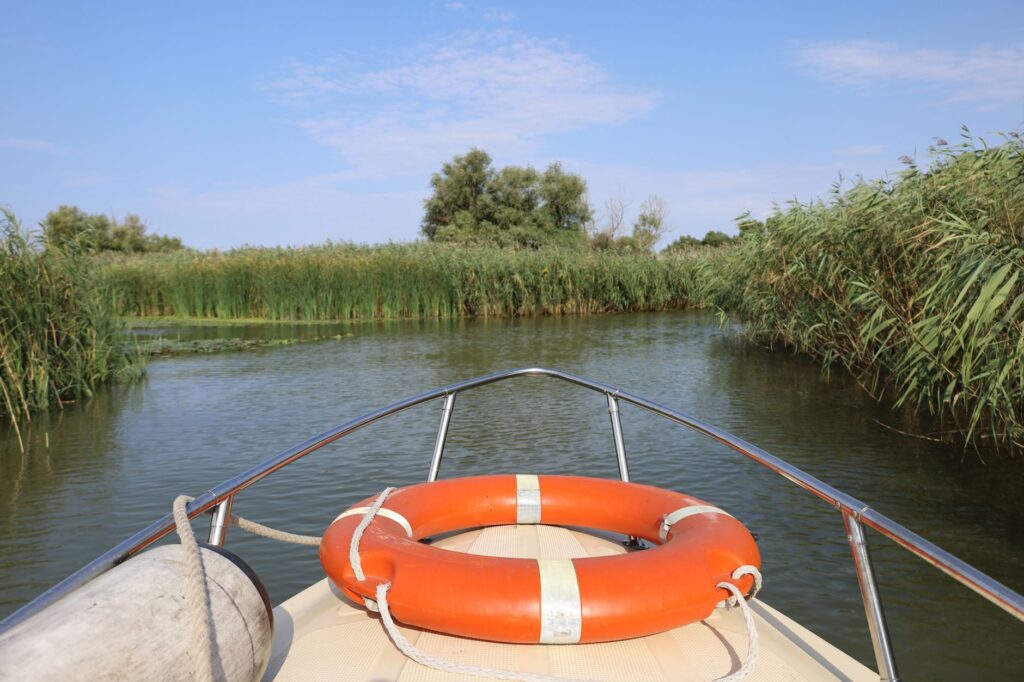
This industrial shuffling contrasts sharply with the fragility of surrounding ecosystems. Biologists and environmental technicians collaborate closely with naval engineers to minimize dredging impacts on Vallisneria meadows and sturgeon spawning grounds. Every cubic meter excavated is subject to strict bathymetric control, reflecting the constant tension between the need to maintain an international trade route and the obligation to protect one of the continent’s most vital wetlands.
Vernacular Architecture of Stilt Villages
Communities settled along the river channels have developed architecture perfectly adapted to terrain floodability. Traditional homes in delta villages are built with adobe walls and reed roofs, offering exceptional thermal insulation against harsh steppe winters and sweltering summers. These structures, raised on small elevations of alluvial soil or wooden stilts, reflect a symbiotic integration with the natural environment.
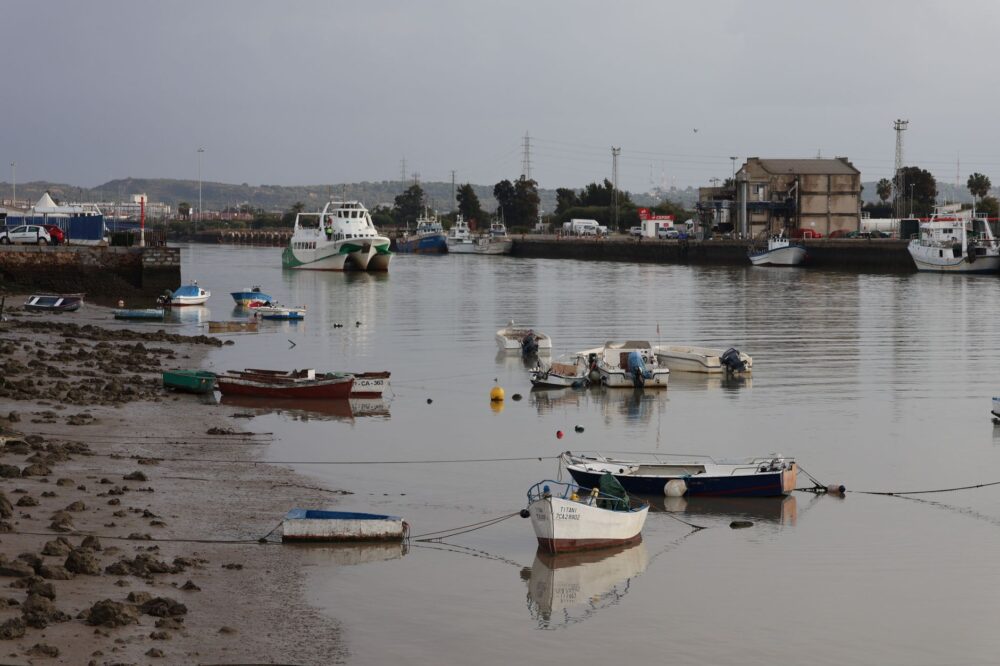
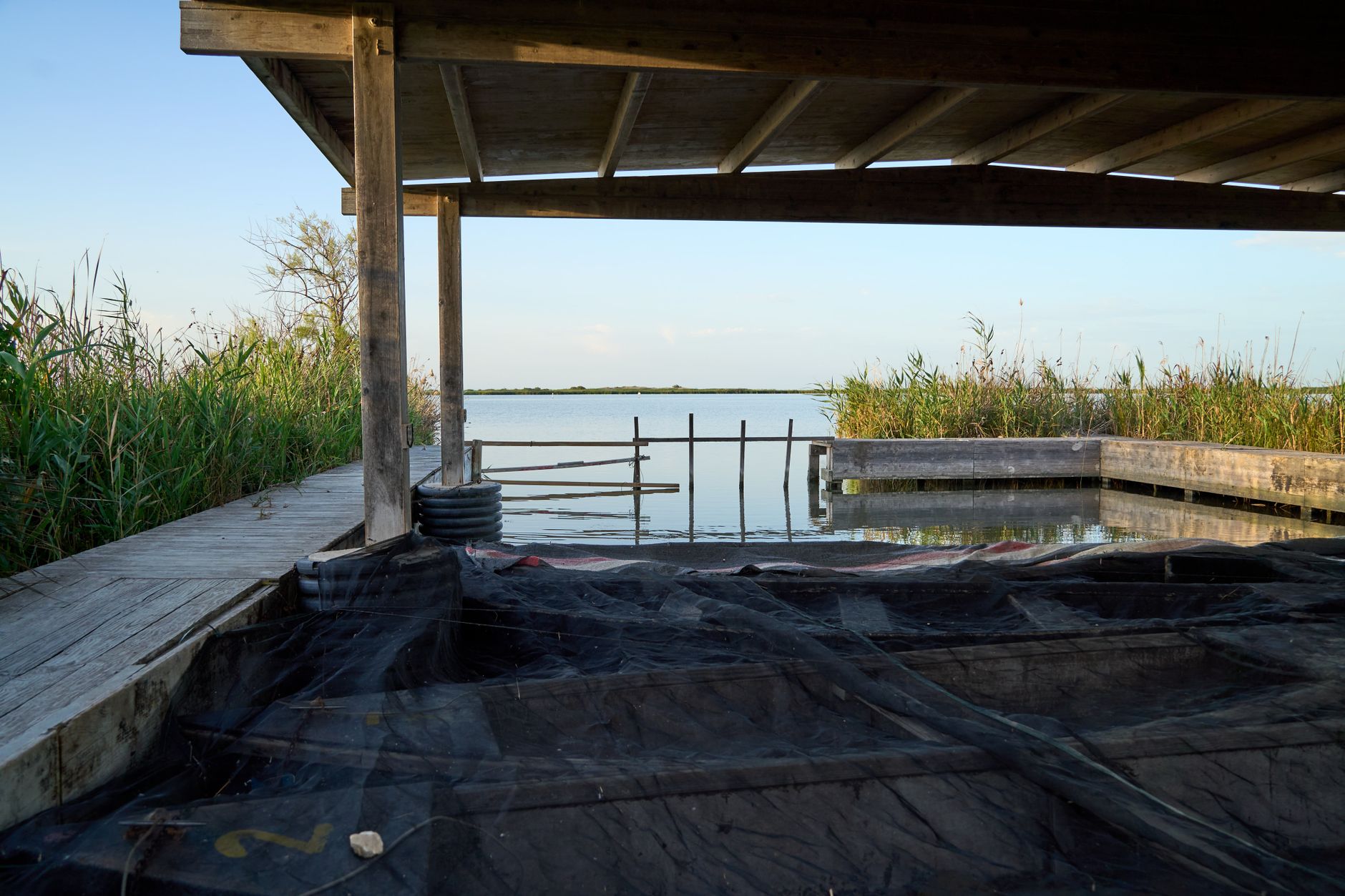
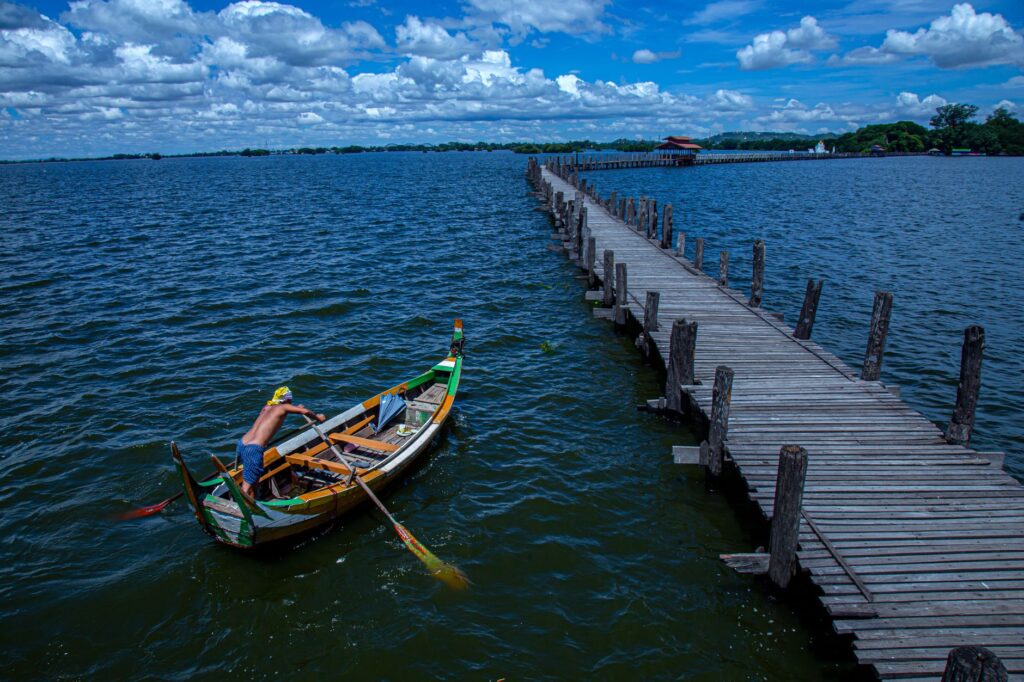
Access to these homes is invariably from the water. Each property features its own dock or floating pier, where rowboats and motorized speedboats are moored, functioning as the fluvial equivalent of a domestic garage. Village layouts follow the tracing of main channels, creating a linear urban network where the main street is unmistakably a waterway plied by all types of craft.
Lipovan Culture and Traditional Fishing
The human fabric of the delta is deeply marked by the presence of Lipovans, a community of Old Believer Russians who sought refuge in these wetlands in the late 17th century, fleeing ecclesiastical reforms in the Russian Empire. Their culture, rooted in liturgical rigor and deep seafaring wisdom, has endured thanks to the delta’s geographic isolation. For generations, men in these communities have mastered artisanal fishing for catfish, carp, and sturgeon, utilizing traditional techniques passed down from parents to children.
Local gastronomy is a faithful reflection of this cultural and fluvial symbiosis. Dishes like borș de pește, a fish soup prepared with multiple varieties and seasoned with local vinegar and greens, are traditionally simmered in iron cauldrons. This culinary heritage, accompanied by characteristic dark bread and produce from riverside gardens, constitutes a core element of community identity shared during local festivities and homes welcoming rare visitors.
Conservation Practices in the Biosphere Reserve
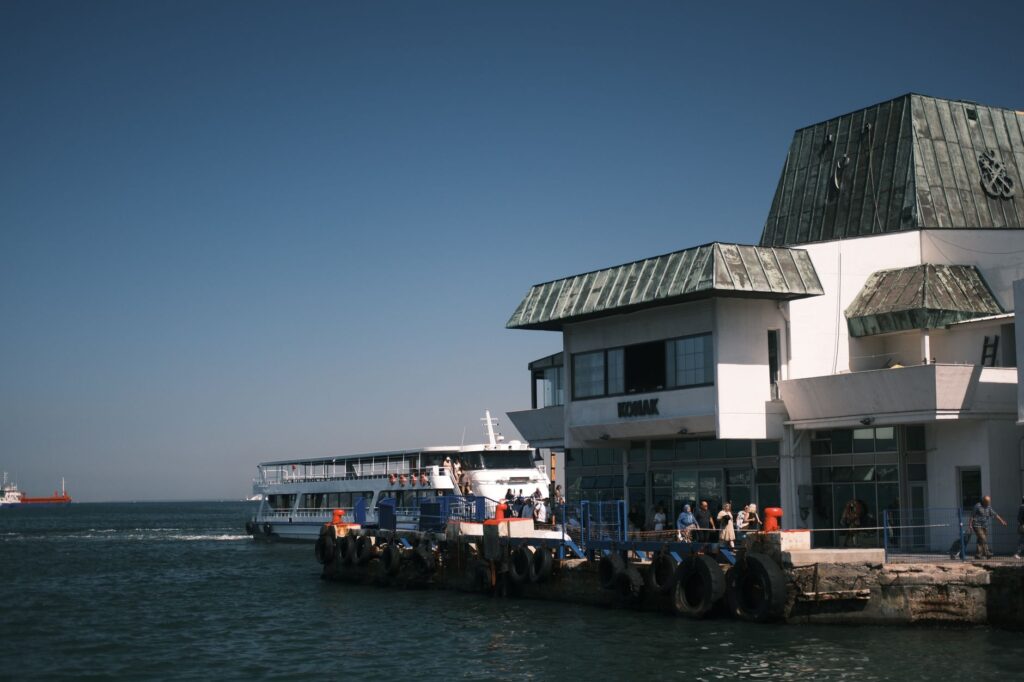
The designation of the Danube Delta as a UNESCO Biosphere Reserve in 1991 marked a turning point in managing this fragile territory. Romanian authorities implemented strict regulations to control commercial fishing, mass tourism, and motorboat traffic in zones of maximum ecological protection. Park rangers constantly patrol secondary channels to prevent poaching and ensure tourist boats respect speed limits, preventing shoreline erosion caused by wakes.
However, the balance between conservation and economic development remains a daily challenge. Local communities demand greater opportunities for sustainable employment through regulated ecotourism that does not compromise natural resources. Environmental education programs and the restoration of formerly drained meanders demonstrate that it is possible to reverse part of the ecological damage caused by past human interventions, returning to the delta its natural self-purification capacity.
Conserving the delta does not mean freezing it in time, but allowing its inhabitants to continue living from it without exhausting its vital breath.
Practical guide
How to get there: The main gateway to the Danube Delta is the port city of Tulcea, accessible by train or bus from Bucharest in approximately five hours. From Tulcea’s commercial port, state-operated ferries and speedboats run to the main delta settlements, including Sulina, Sfântu Gheorghe, and Mila 23.
When to go: Spring months (May to June) and early autumn (September to October) offer the best weather conditions and fewer visitors. Summer can bring very high temperatures and intense mosquito activity in the reed bed zones.
Travel requirements: Romania is part of the European Union, so European citizens only need a valid ID card or passport. Navigating the natural reserve requires acquiring an access permit, typically included in tour boat fees or available online via the reserve administration.
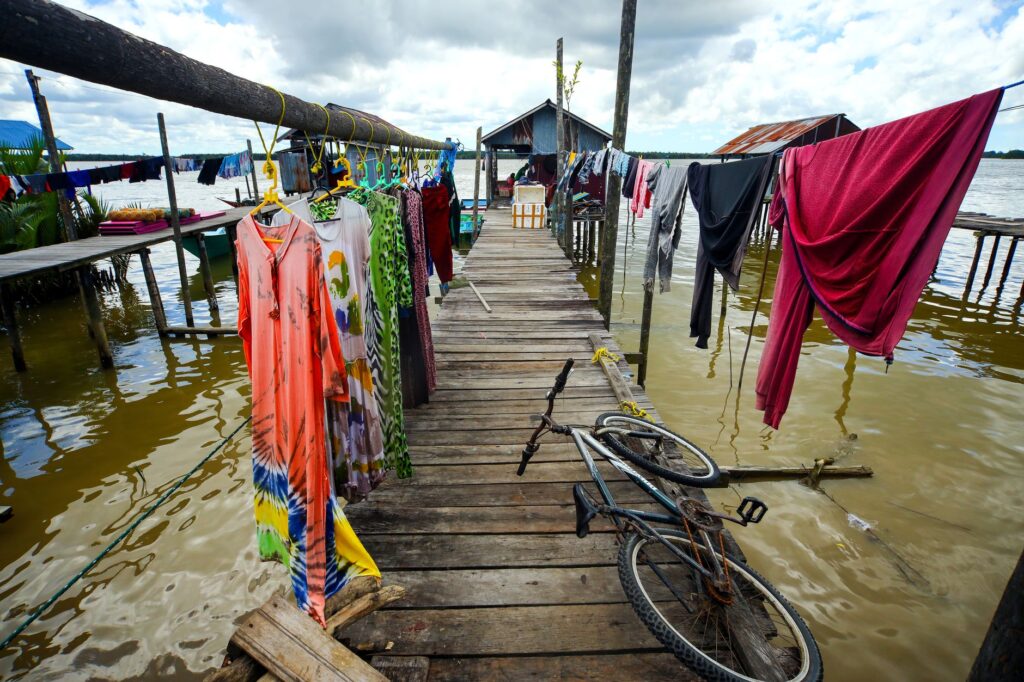
Internal transport: There are no roads between delta villages. Travel depends exclusively on public ferries, private speedboats known as water taxis, and cargo barges. Checking weekly ferry schedules is essential, as they vary by season and weather conditions.
Accommodation: Lodging is concentrated in small family-run guesthouses operated by locals, particularly in Sulina and Mila 23. These facilities generally offer half-board packages featuring traditional fresh fish gastronomy.
Final Reflections on the Liquid Horizon
At dusk, when the golden light of the Black Sea bathes Sulina’s vast reed beds, the delta regains an ancestral silence broken only by the distant splashing of waterbirds. This European frontier, sustained by the constant effort of engineers, dredgers, and amphibious inhabitants, reminds us that territory is not a static canvas, but a dynamic construct where human audacity and the indomitable force of water embrace in a delicate balance worthy of preservation for future generations.