
Origins in Nasrid Stone and Nineteenth-Century Iron
The traveler who crosses the marble threshold of the Atarazanas Market in Málaga does not merely enter a provision hall; they step into a living vestige of Nasrid architecture repurposed as a civic cathedral of fresh produce. What stands today as an exercise in harmony between historic masonry and nineteenth-century iron filigree was originally, under the reign of Muhammad V, a naval shipyard opening directly onto the sea that once lapped against the walls of the medina. Time, capricious and sedimentary, eventually receded the waters and left the building stranded on dry land, transforming the docks where galeasses were once caulked into a temple where Axarquía’s Muscat grapes are now sorted and the bay’s fish are displayed with the precision of a baroque still life.
This geographical and historical shift encapsulates the essence of Málaga: a constant negotiation between the verticality of the mountains plunging abruptly toward the Mediterranean and the flatlands won from the water. Upon passing through the monumental Nasrid gateway—the sole original vestige that survived centuries of neglect and urban redevelopment—visitors find themselves enveloped by a subdued murmur of weathered voices, the metallic echo of scales, and the dense aroma of sea salt, fresh mint, and toasted almonds. Here, daily marketing elevates itself to the category of a civic rite, a daily exchange where the grower and the buyer maintain a verbal choreography rooted in respect for seasonal produce and territorial memory.
The Architecture of Iron and Southern Light
The current building, redesigned by architect Joaquín Rucoba in the late nineteenth century, constitutes one of the most refined examples of iron architecture applied to public markets in southern Spain. The metallic structure, light and diaphanous, allows the relentless sunlight of the Costa del Sol to penetrate zenithally, filtering through monumental stained-glass windows depicting milestones of local history and the province’s emblematic goods. This spatial arrangement is not merely aesthetic; it generates a visual and environmental temperature that dictates how food is displayed and valued.
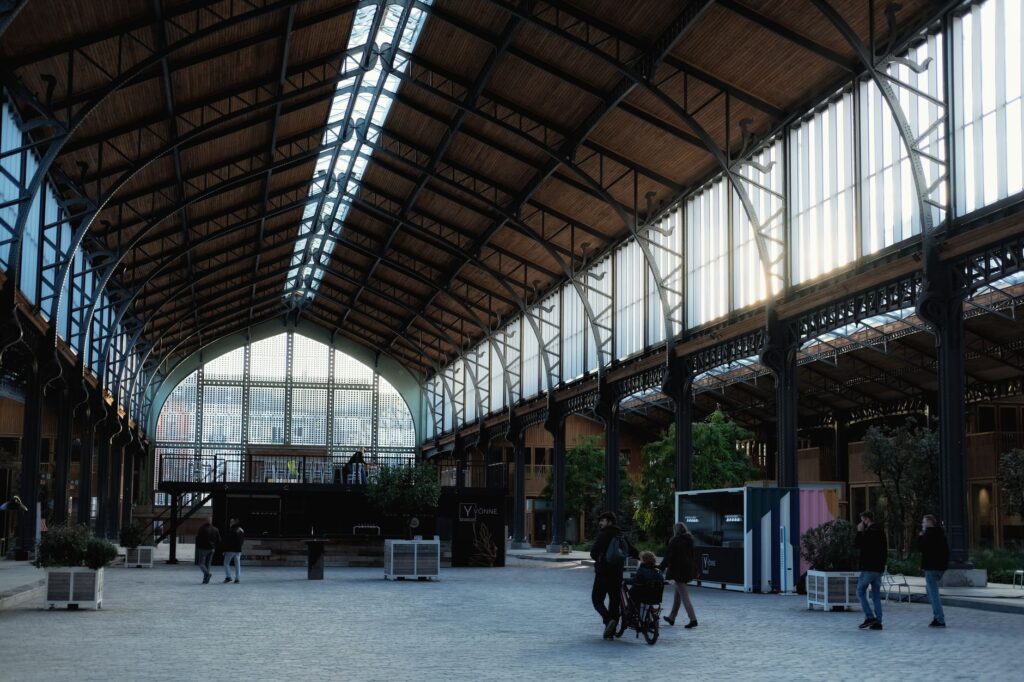
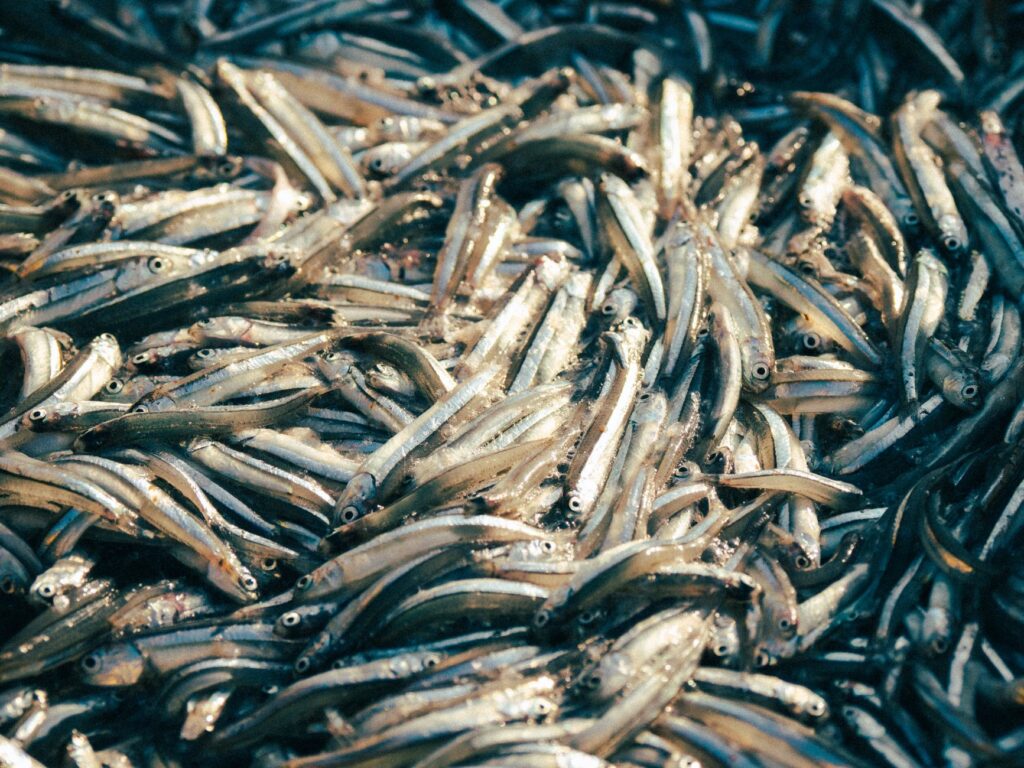
Beneath the cast-iron trusses, stalls are arranged with an almost taxonomic neatness that contrasts with the intensity of the chatter. In the fishmonger sector, silver-scaled fish—horse mackerel, anchovies, and the classic Málagan fry—gleam with specular reflections under the filtered light, while in the inner aisles, vegetables from the Guadalhorce Valley pile up in an earthy, vibrant palette. Rucoba’s architecture achieves a functional prodigy: ventilating a densely packed space via cross-breezes that mitigate summer heat and preserve the freshness of goods without contemporary artificial aids.
The Terraces of Axarquía and Heroic Viticulture
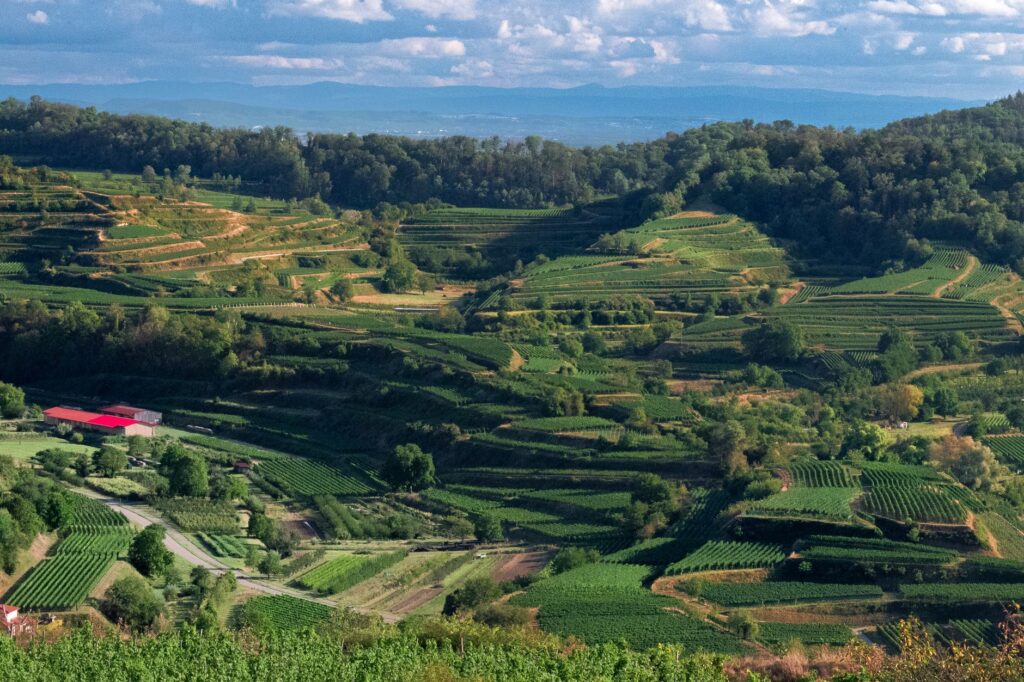
To fully comprehend what is displayed on the tables of Atarazanas, one must leave the urban bustle behind and ascend the winding roads leading to the Axarquía region. Here, in villages such as Cómpeta, Sayalonga, or Moclinejo, the rugged topography imposes a heroic agriculture where slopes of up to sixty percent render any mechanized farming impossible. Farmers continue to work the land with the same geometric patience with which their Andalusian ancestors designed dry-stone terraced systems—authentic ledgers suspended over abysses of slate and schist.
In these poor, dry soils battered by the scorching *terral* wind, the Muscat of Alexandria grape achieves extreme ripening that concentrates sugars and mineral nuances. Harvesting here is an exercise in extreme physical effort, carried out on muleback or hauling baskets across impossible footpaths. This agrarian landscape produces not only Málaga’s acclaimed sweet wines but also the prized raisins of Axarquía, internationally recognized for their sun-drying method on inclined structures known as *paseros*, where clusters rest on esparto mats under the watchful eye of climate and time.
The Centenarian Olive Groves and the Green Gold of the Mountains
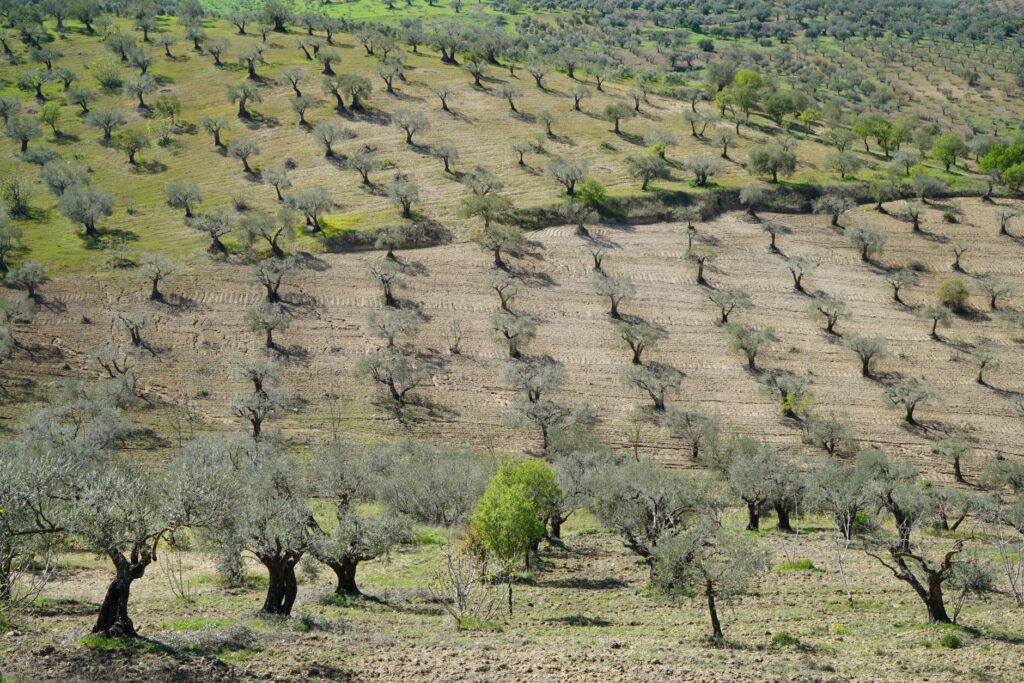
Alongside mountain viticulture, traditional olive cultivation holds a central place in the Málagan pantry, though far removed from the vast Jaén plantations. In the foothills of the Montes de Málaga and Upper Axarquía, centenarian olive trees of native varieties such as *verdial de Achuela* and *nevadillo de Alhurín* grow scattered among cistus and rosemary brushwood, clinging to steep hillsides. This geographical isolation has allowed the survival of centuries-old specimens whose twisted trunks serve as authentic natural sculptures molded by wind and partial agricultural abandonment.
The harvesting of this fruit is performed through traditional manual beating and dropping methods, avoiding damage to the drupe that would compromise the organoleptic quality of the oil. Traditional local mills, many modernized yet respectful of cold-extraction principles, yield juices of remarkable complexity characterized by green fruit notes, hints of freshly cut grass, and a balanced final bitterness that reveals a high polyphenol content. This oil is not merely a condiment in local cooking, but the guiding thread connecting seafood stews, cold soups like *gazpachuelo*, and small-game preparations.
The Liturgy of Must and Resistance Gastronomy
When winter arrives, the villages of Axarquía celebrate one of the most singular traditions of Andalusian food anthropology: the route and consumption of unfermented new wine, known as *mosto*, in rustic taverns and private cellars. These are not large commercial wineries, but domestic spaces or small wine presses where growers craft the year’s wine without additives or wood aging, yielding a cloudy, fresh, slightly tart beverage with moderate alcohol content that invites unhurried conversation by the hearth.
This young wine is paired with a cuisine of resistance conceived to counteract mountain chill and satisfy the appetites of field laborers. Hearty dishes such as semolina-based *migas*—served with grilled sardines, Aloreña olives, fried peppers, and orange pieces—form part of a culinary repertoire where every ingredient tells a story of survival and environmental adaptation. The fat of kid goat, nourished exclusively on maternal milk and aromatic scrubland pasture, melds with the subtle heat of garlic and bay leaves in black iron pans passed down through generations.
The Port and the Bay: The Marine Counterpoint
Returning to the coast, Málaga’s culinary universe undergoes a radical mutation upon encountering the Alboran Sea. The Port of Málaga and the fishing neighborhoods of El Palo and Pedregalejo maintain a symbiotic relationship with the fish market that supplies Atarazanas daily. Here, artisanal fishing—practiced via minor arts like purse seines, trammel nets, or longlines—ensures the arrival of species whose capture is intrinsically tied to the temperature of Atlantic currents penetrating through the Strait of Gibraltar.
The tiny, silver *boquerón victoriano* constitutes the undisputed emblem of this maritime culture, traditionally fried in extra virgin olive oil after a light dusting of flour or marinated in vinegar with abundant garlic and parsley. Alongside it, red mullet, dried octopus, and wild sea bream complete a gastronomic mosaic that beachside *chiringuitos* grill over boats filled with olive wood embers. This technique of skewering fish over open flames, executed with mastery by local *espeteros*, caramelizes the fish skin with sea salt while maintaining the interior juiciness of the flesh—a marvel of technical simplicity and absolute flavor.
Practical guide
Planning an enogastronomic journey through Málaga and Axarquía requires understanding the rhythms of the countryside and the tides. The best time to tour the region spans autumn and spring, when the climate allows both hiking along the terraces and enjoying the markets without summer crowds.
How to get there: Málaga-Costa del Sol International Airport (AGP) boasts excellent rail and flight connections with major European capitals. To venture into Axarquía, car rental is essential due to the dispersion of municipalities and the winding nature of secondary roads such as the A-7206.
Where to stay: In Málaga city, Hotel Molina Lario offers a prime location near the port and steps away from Atarazanas Market. In Axarquía, the most authentic choice involves rehabilitated rural houses in white villages like Cómpeta (Hotel Balcón de Cómpeta) or Sayalonga, ideal for connecting with the local agricultural rhythm.

Where to eat and shop: Atarazanas Market is open Monday through Saturday mornings; the fish stalls at the back and the central olive vendors are mandatory stops. In the villages along the *mosto* route, traditional taverns open on weekends between November and February; checking local schedules is recommended before heading up into the mountains.
The true flavor of a land is not found in the stridency of modernity, but in the silent patience with which its inhabitants transform the harshness of climate into sustenance and memory.
Epilogue in the Mountain Mist
As evening begins to descend over the province of Málaga, the light acquires a coppery hue that simultaneously bathes the city’s domes and the bare ridges of Axarquía. High up on the hillsides, where the air smells of dry cistus and damp earth, the final rays of sunlight pierce the wooden racks of the sun-drying fields, illuminating rows of grapes slowly transforming into desiccation gold. In that fleeting moment of transitional light, the traveler understands that Málagan gastronomy is not a static catalog of recipes, but an uninterrupted dialogue among human toil, limestone rock, and the blue immensity of the sea that sustains and bathes everything.