The Pulse of a Transformative Summer
June 2026 has been far from an ordinary month in the contemporary traveler’s calendar. As the Northern Hemisphere awakens under an increasingly rigorous sun, the dynamics of global movement have reached a significant turning point. For those of us who have made movement our way of life, this month represented a return to roots, albeit through a completely new prism. The journey began with a transatlantic crossing to the United States—a homecoming that, rather than being a mere pause in professional activity, became a privileged vantage point to observe how mass events and private life attempt to coexist in a precarious balance.
Arriving on the East Coast signaled the start of an intense fortnight. Visiting family in Boston and New York during this period meant diving into an ecosystem where nostalgia blended with the effervescence of a nation that, in 2026, finds itself at the center of the world’s sporting stage. The transition from European surroundings to the American bustle allowed for an analysis of not just the changing landscape, but the evolution of transport infrastructure and sustainability management in cities facing unprecedented climatic and logistical challenges.
The Peaceful Invasion: Scotland Lands in Boston
Boston, a city that breathes history through every red-brick corner, was transformed during the first half of June into an extension of the Highlands. The hosting of the 2026 World Cup brought half of Scotland to the streets of Massachusetts. It was a fascinating sociological phenomenon: witnessing a city with such deep Irish roots embrace the sea of blue from Scottish supporters. The economic impact is undeniable, but from an urban conservation perspective, the challenge was monumental.

Public squares and historic pubs became epicenters of a culture of encounter. However, this massive influx of people tests the carrying capacity of historical spaces. Waste management, the energy consumption of temporary infrastructures, and the pressure on local public transport are constant reminders that event-based tourism must evolve toward more respectful models. Boston largely succeeded in channeling this energy without losing its essence, proving that the human scale can be preserved even under the pressure of a global event.
«True sustainability in travel lies not only in the chosen mode of transport but in the ability to integrate into the local narrative without distorting it for personal gain.»
New York and the Reinvention of Public Space
Following the intensity of Boston, the journey continued toward New York. In 2026, the metropolis remains a laboratory for urban resilience. During my stay, I observed how the city has integrated green zones and pedestrian areas that were once unthinkable. Walking through Manhattan in June is to face a heat that is no longer an anecdote but a climatic reality conditioning urban planning. The city is responding with more conscious architecture, seeking to reduce heat islands through vegetation and reflective materials.
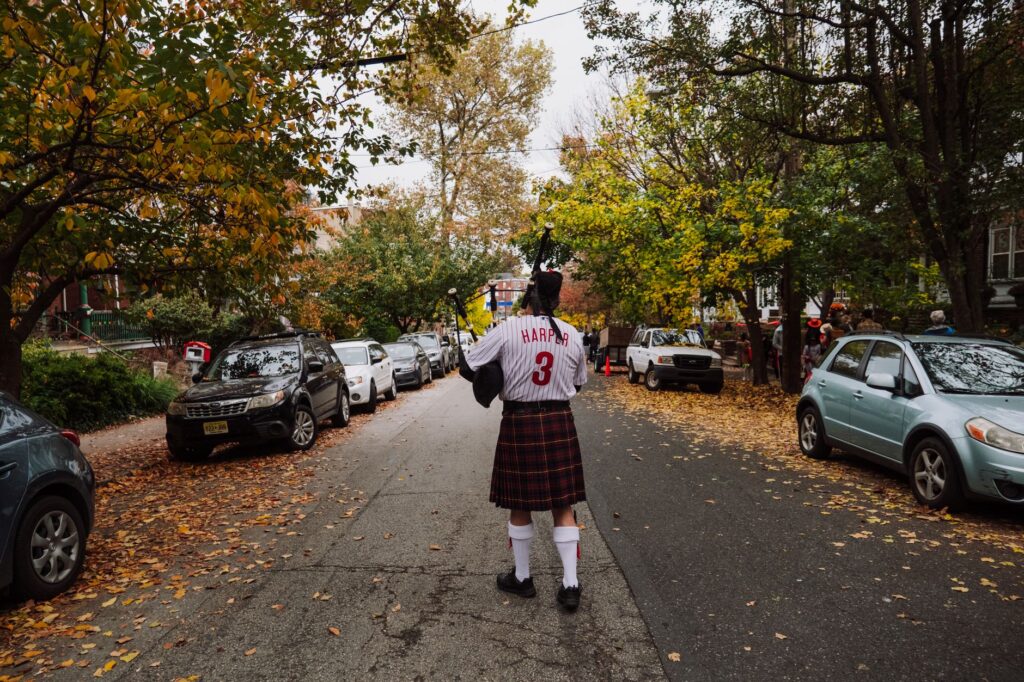
Reconnecting with family in this environment allows one to see the city not as a tourist destination, but as a collective home. Sustainability here is lived in local markets, in the extensive use of the subway, and in the reduction of plastic consumption—a trend that finally seems to have permeated New York culture. New York in June is a reminder that the largest cities also bear the greatest responsibility in leading the shift toward a more conscious lifestyle.
The Digital Phenomenon: Encounters with Internet Culture
In an unexpected turn of events, this month also facilitated a meeting with one of the web’s most beloved icons: my favorite internet cat. It might seem like a trivial anecdote, but in the context of modern travel, the touchpoints between the digital and physical worlds are fundamental. These encounters humanize technology and remind us that behind the screens, there are real communities with shared interests in animal welfare and the preservation of domestic biodiversity.
Internet culture has shaped our travel expectations, often creating pressure for the perfect image. However, this meeting was a lesson in authenticity. In a world saturated with filters, the simplicity of a genuine interaction with an animal that has brought joy to millions is a reminder of why we travel: to connect with what makes us feel alive, whether it is a natural landscape or a small creature symbolizing the warmth of a digital home.

Gastronomy and Ethics: The Lobster Dilemma
One cannot visit New England in the summer without confronting the lobster ritual. However, in 2026, this consumption comes with a much deeper ethical awareness. The North Atlantic fishing industry is at a crossroads due to warming waters and the need to protect endangered North Atlantic right whales. Eating lobster today is an act that requires knowledge of provenance and harvesting methods.
During my dinners along the coast, I sought out establishments that certified sustainable fishing practices. The flavor of a lobster roll is inseparable from the ecosystem that produces it. Marine conservation is not an abstract concept; it is the guarantee that future generations will be able to enjoy these traditions. Supporting local fishing communities that have adopted tracking technologies and rope-less gear is vital to maintaining the balance between culinary tradition and species survival.
Miles of Reflection: The Road in 2026
Two long road trips defined the logistics of this month. Traversing the East Coast states in an electric vehicle allows for a different connection with the landscape. The silence of the motor invites observation of seasonal changes in local vegetation and wildlife. Charging infrastructure has improved drastically, allowing the American road trip—a symbol of personal freedom—to now be compatible with reducing one’s carbon footprint.
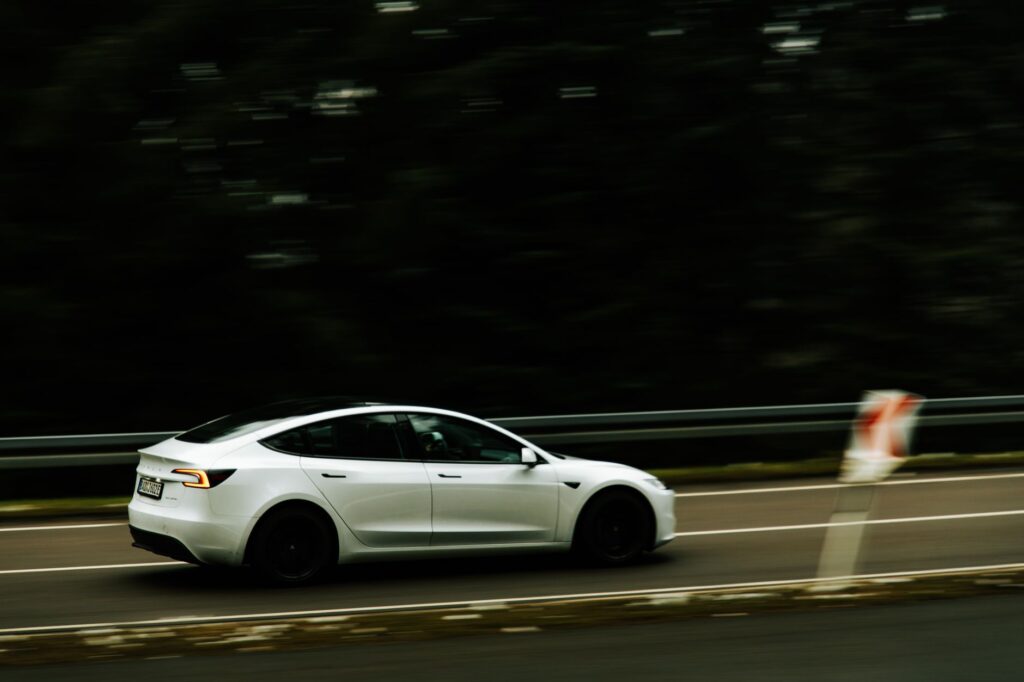
These journeys allowed me to reflect on the decentralization of tourism. By moving away from urban centers, one discovers small communities fighting to preserve their natural heritage against suburban sprawl. The road is not just a means to reach a destination, but a transitional space where experiences are processed. In 2026, traveling by land remains the best way to understand the real scale of the environmental challenges we face.
«Traveling home is often the most revealing journey; it allows us to measure how much we have changed while the world we knew tries to remain the same.»
Practical Information for the Conscious Traveler
If you plan to visit the U.S. East Coast during the high season, especially in years of major events, consider the following recommendations to minimize your impact and maximize your experience:

- Intercity Transport: Use the Amtrak rail network to travel between Boston, New York, and Philadelphia. It is efficient and significantly reduces emissions compared to short-haul flights.
- Accommodation: Look for hotels with recognized sustainability certifications that actively implement water and energy-saving policies.
- Local Consumption: Prioritize farmers’ markets and local cooperatives. In New England, this ensures your money directly supports the region’s producers.
- Crowd Management: Visit iconic landmarks at unconventional times (very early or at sunset) to reduce pressure on historic sites and enjoy a more intimate experience.
Toward a July of Greater Commitment
June has been a reminder that summer is a season of contrasts. Between the euphoria of a World Cup and the serenity of a family dinner, the traveler must act as a bridge. My time in Boston and New York has reaffirmed my belief that conservation is not just about protecting national parks, but also about caring for the social and cultural fabric of our cities.
As I close this chapter of June 2026, I prepare for the coming months with a suitcase full of new questions. How can we continue to celebrate our humanity through sports without compromising the planet’s future? The answer is built step by step, journey by journey. See you at the next destination, always with an eye on a greener and more equitable horizon.
Source: Adventurous Kate