
On the far side of the St. Lawrence, looking back at Montreal from the south, Longueuil occupies a flat strip of land that for generations was farmland, a crossing point and later a commuter city. Today it is the third-largest agglomeration in Quebec, yet it retains a scale that rewards unhurried exploration. It sits roughly 57 metres above sea level, and its continental climate sets the calendar: long winters, bright summers and a spring that arrives late but transforms the parks within weeks.
This report proposes a pedestrian reading of Longueuil, Canada: understanding how a city of 229,330 people organises its identity between the memory of its founding, its proximity to Montreal and a relationship with water that has not always been gentle. The category is experiences and wellbeing, because walking a city like this demands attention, time and responsible choices: which neighbourhoods to explore, which heritage to respect and how to move without adding noise to the daily life of those who live there.
A parish that became a city
The history of Longueuil reads in layers. It began as a rural settlement tied to the south bank of the St. Lawrence and grew to the rhythm of parishes, farm roads and early industries. For much of the twentieth century its fate was linked to Montreal: the Jacques-Cartier Bridge and later the Louis-Hippolyte-La Fontaine tunnel connected it to the metropolis and accelerated residential growth.
That proximity explains much of its current character. Longueuil does not compete with Montreal for monumentality; it offers something else: urban life on a smaller scale, with low-rise neighbourhoods, tree-lined streets and local services. For visitors, that condition is an advantage: it allows walking without the pressure of a saturated historic centre and observing how a city works, studies and ages within the same territory.
The river as landscape and as limit
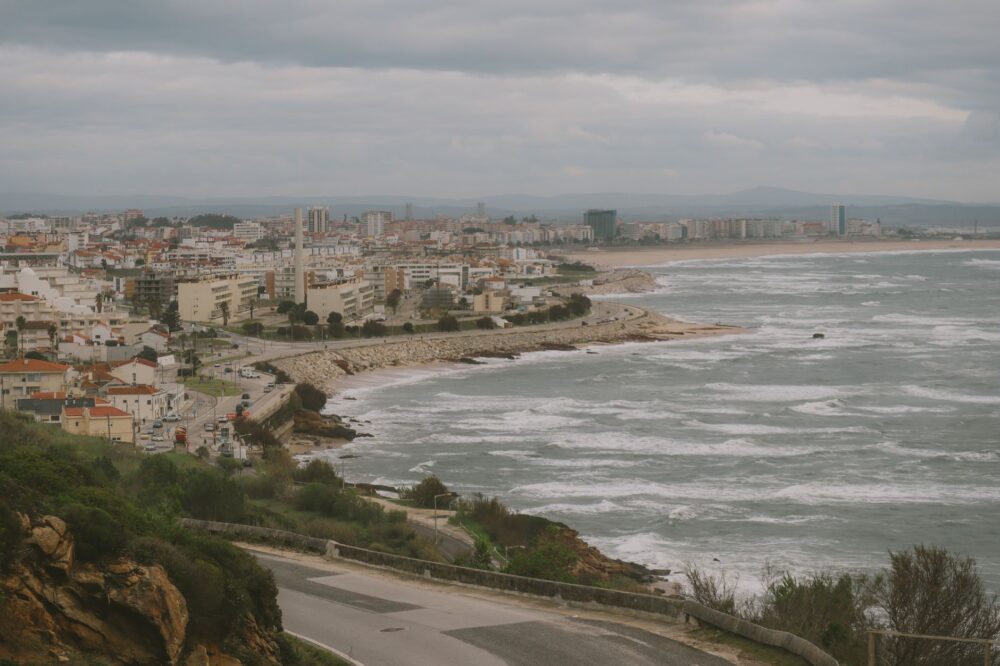
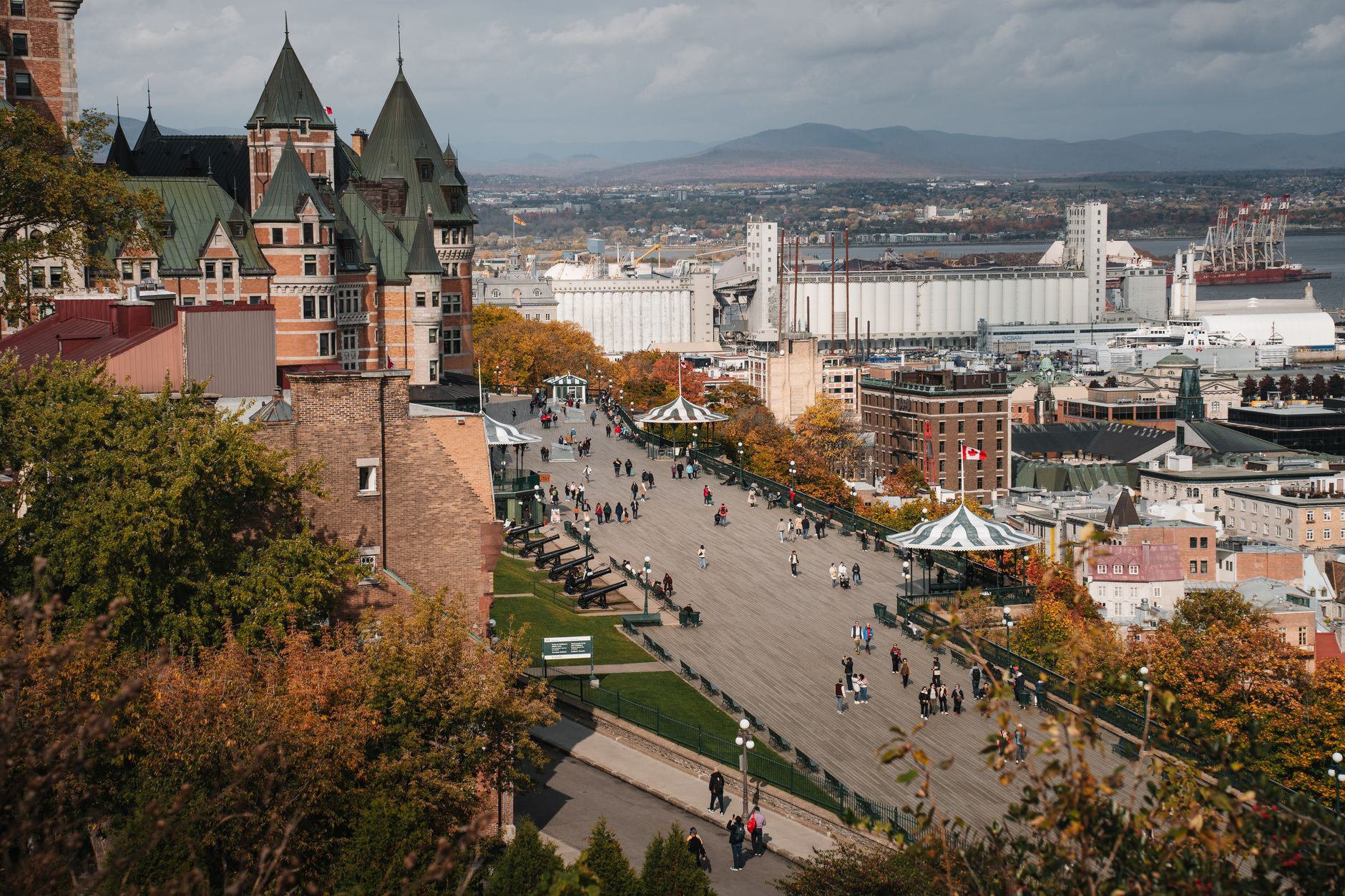
The St. Lawrence is not a backdrop in Longueuil: it is the element that orders geography and also urban decisions. The city has developed waterfront parks and viewpoints that convey the scale of the river, one of the widest in North America in its middle course. Walking these areas in spring or summer offers a different perspective on Montreal: the neighbouring city appears as a distant profile rather than an immediate destination.
That riverfront also raises questions. The relationship between the city and the water has oscillated between industrial use, shoreline protection and the creation of leisure spaces. Responsible visitors can read that debate in the landscape: docks, paths, renaturalised areas and old infrastructure coexisting within a few kilometres.
In Longueuil, the river is not contemplated from afar: it is walked, crossed and negotiated every day with the weather and with the time available.
Neighbourhoods where daily life is the attraction
Beyond the administrative centre, Longueuil is organised into neighbourhoods with distinct personalities: Vieux-Longueuil, with its parish memory and commercial streets; Saint-Hubert, shaped by its aeronautical tradition and an extensive residential fabric; Greenfield Park, with a historic anglophone identity; and newer sectors responding to the expansion of recent decades.
For those seeking wellbeing experiences, the key is to explore these neighbourhoods on foot or by bicycle, pausing at local markets, bakeries and parks. It is not about collecting monuments but about observing how a mid-sized Canadian city resolves the everyday: winter, mobility, an ageing population and coexistence among communities of diverse origins.
Religious heritage and local memory
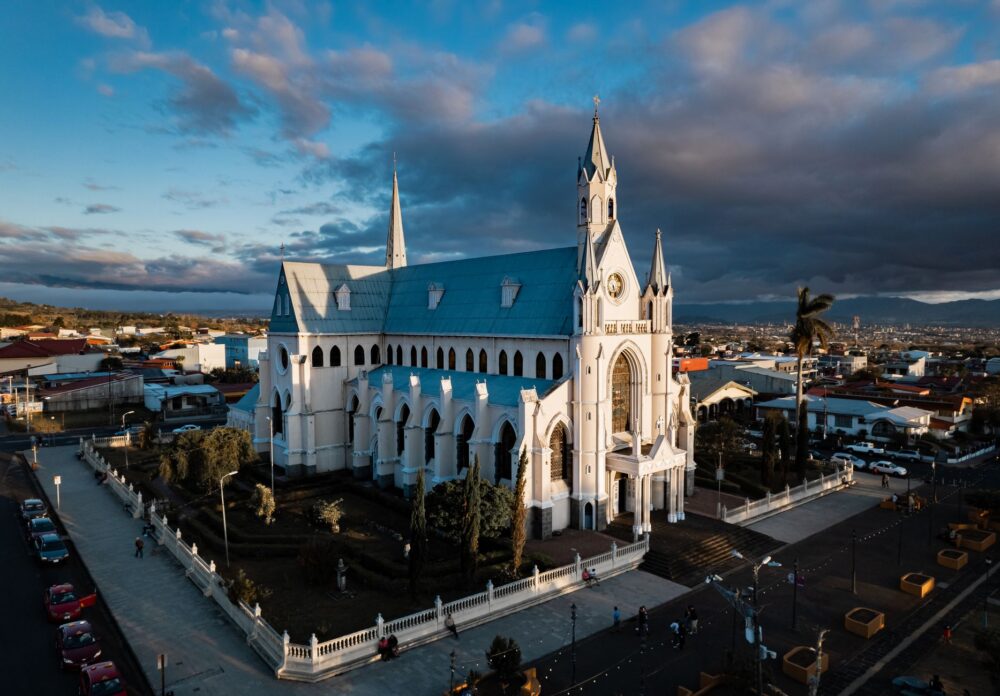
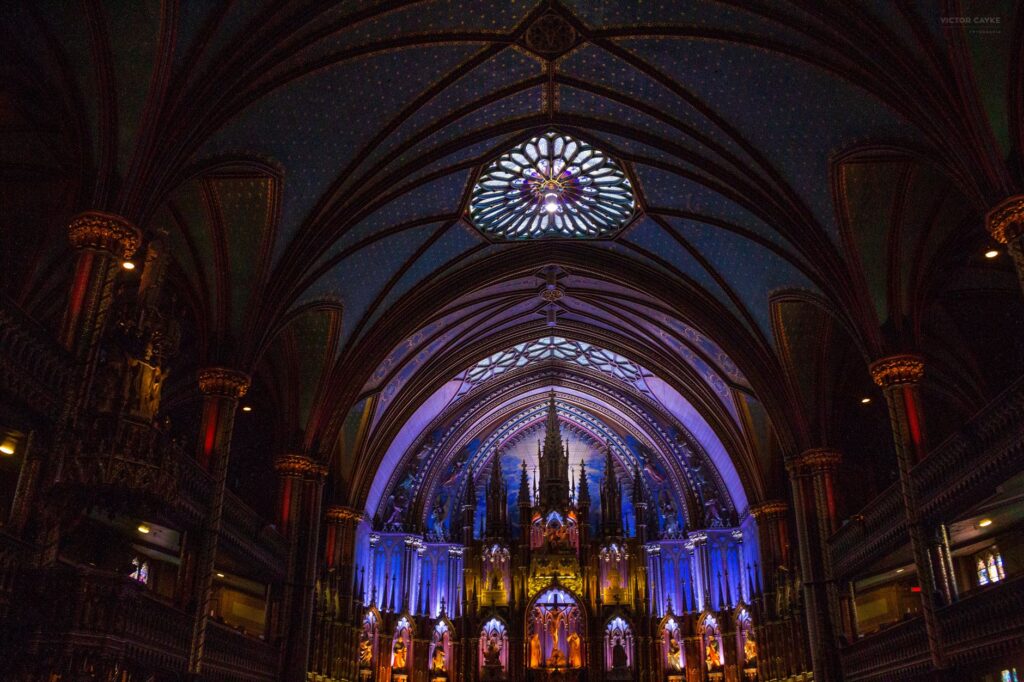
Longueuil’s heritage includes churches, manor houses and institutional buildings that testify to its past. The church of Saint-Antoine-de-Padoue, in the heart of old Longueuil, is one of the city’s visual reference points, along with the surroundings of the former college and streets that retain brick and timber houses.
This heritage should not be visited as a closed collection. Many of these buildings remain in community use or have been repurposed, and their value lies as much in their architecture as in the function they serve. Travellers interested in local heritage find a manageable scale here: few buildings, but embedded in a living urban fabric.

Moving without a car: a reasonable decision
Longueuil has a public transport network connecting it to Montreal, including a metro line that crosses the river. For visitors, this makes it possible to plan a stay without a private vehicle and to combine urban walks with short trips on public transport. Cycling is also an option in the warm season, though it is worth checking the cycle network and weather conditions before setting out.
Moving slowly is not only a wellbeing choice: it is also a way to reduce the impact of tourism on residential neighbourhoods. Walking, using public transport and shopping locally are decisions that distribute the benefits of a visit more evenly.
What to observe on an unhurried walk
- The transition between the old parish core and the residential neighbourhoods of the twentieth century.
- The waterfront parks and viewpoints over the St. Lawrence.
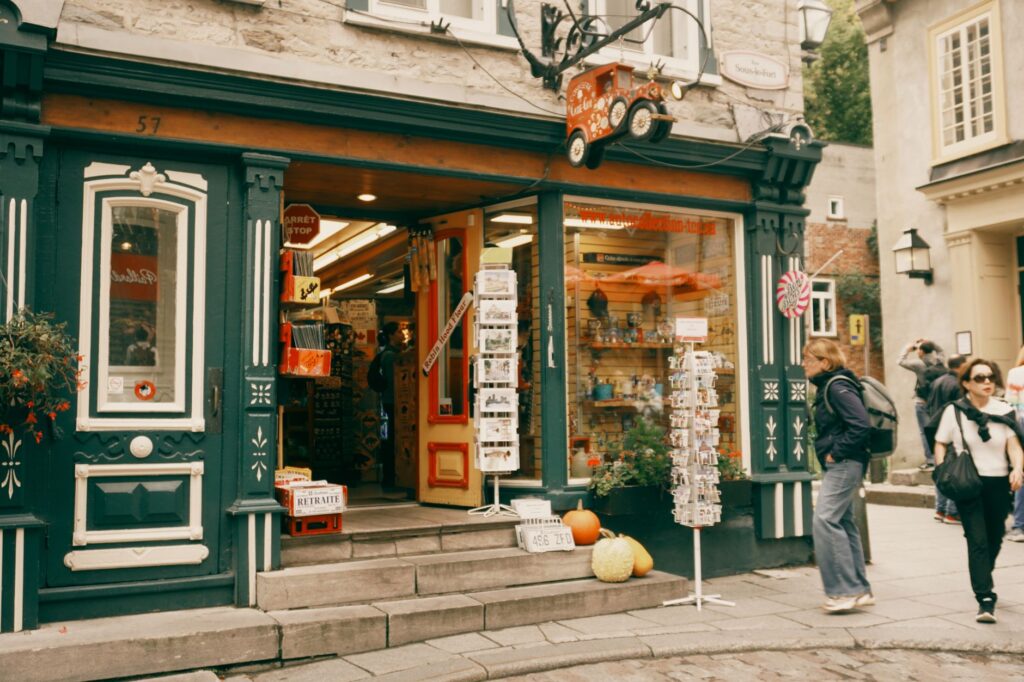
- Local commercial streets with bakeries, cafés and markets.
- Institutional heritage: churches, old schools and civic buildings.
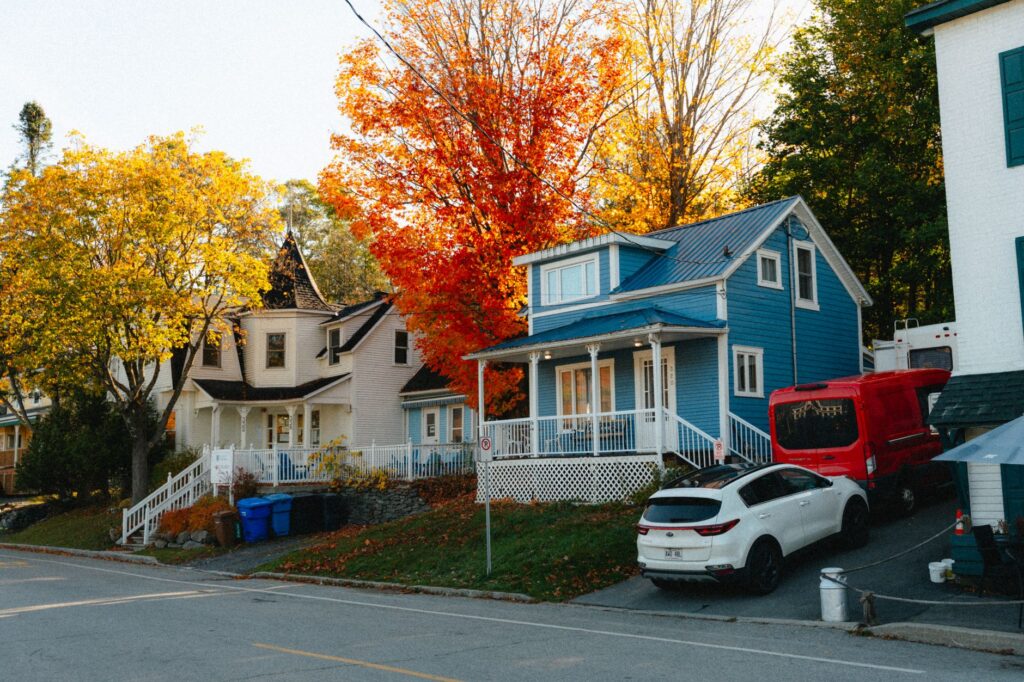
- Residential architecture, mixing single-family houses, small apartment buildings and more recent developments.
The city offers no single route or closed circuit. Its interest lies in the sum of details: the scale of the streets, the tree cover, the way residents use public space in each season.
Seasons and climate: when to walk
Longueuil’s continental climate conditions any visit. Summer is the most pleasant season for walking, with long days and mild temperatures; autumn offers colour and fewer crowds; winter demands planning and appropriate clothing but reveals the city in its most everyday form. Spring can be irregular, with bright days and others still cold.
For visitors seeking wellbeing, the recommendation is to adapt the pace to the season and avoid trying to cover too much. A well-chosen two- or three-hour walk is often more satisfying than an exhaustive tour. Street furniture, parks and the transport network make it easy to plan breaks.
The hospitality of a mid-sized city is not measured in attractions but in how easily a visitor can understand how life is lived there.
An identity between Montreal and the river
Longueuil maintains an ambivalent relationship with Montreal: it depends on it for work and transport but asserts an identity of its own. That tension is felt in its cultural life, its facilities and the way its neighbourhoods are named. For travellers, understanding that relationship helps read the urban landscape and avoid the temptation to treat Longueuil as a mere residential annex of the metropolis.
The city is also part of the Montérégie region, a territory combining agriculture, industry and urban growth. That condition as a frontier between the rural and the metropolitan is one of its most interesting traits and, at the same time, one of the least visible to those who only pass through by car.
Responsible choices for visitors
Visiting Longueuil responsibly means recognising that it is an inhabited city, not a theme park. A few guidelines help: respect the rest of residential neighbourhoods, avoid unnecessary noise, shop locally and do not enter private spaces without permission. It is also worth checking access rules for parks and shorelines, which may vary by season.
Local heritage is best preserved when a visit generates value for the community. Choosing small accommodation, taking part in local cultural activities and using public transport are concrete ways to contribute to that sustainability.
Practical guide
Getting there and moving around
Longueuil is connected to Montreal by public transport, including a metro line that crosses the river. For internal trips, the bus network and cycling in the warm season are reasonable alternatives. A car is useful for reaching peripheral areas but not essential for a visit focused on the urban core and waterfront parks.
What to bring
Clothing suited to the season, comfortable walking shoes and sun protection in summer. In winter, thermal layers and footwear adapted to snow and ice. Check the weather forecast before setting out and plan layers, as temperatures can change through the day.
Recommended time
A stay of one or two days allows exploring old Longueuil, the waterfront parks and a residential neighbourhood. For a more relaxed experience, three days allow combining walks, heritage visits and trips to other parts of the region.
Language and culture
French is the predominant language, with English present in some neighbourhoods and services. Greeting staff when entering a shop and asking permission before photographing people are appreciated gestures. Local cultural life is often organised around neighbourhood facilities and seasonal calendars.
Accessibility and safety
The city has a flat relief that facilitates walking, though the climate can complicate movement in winter. It is advisable to check accessibility in specific buildings before a visit. Longueuil is generally a safe city, but as in any urban environment, usual precautions apply.
Closing: a shoreline that invites you to stay
At the end of the journey, Longueuil is not remembered for an isolated monument but for the sense of having understood a way of living beside the river. The city offers visitors something increasingly rare: the chance to walk unhurried through a place designed not for tourism but for daily life. That is, perhaps, its best lesson in wellbeing.