
Navigating Toward an Emission-Free Future on the Norwegian Coast
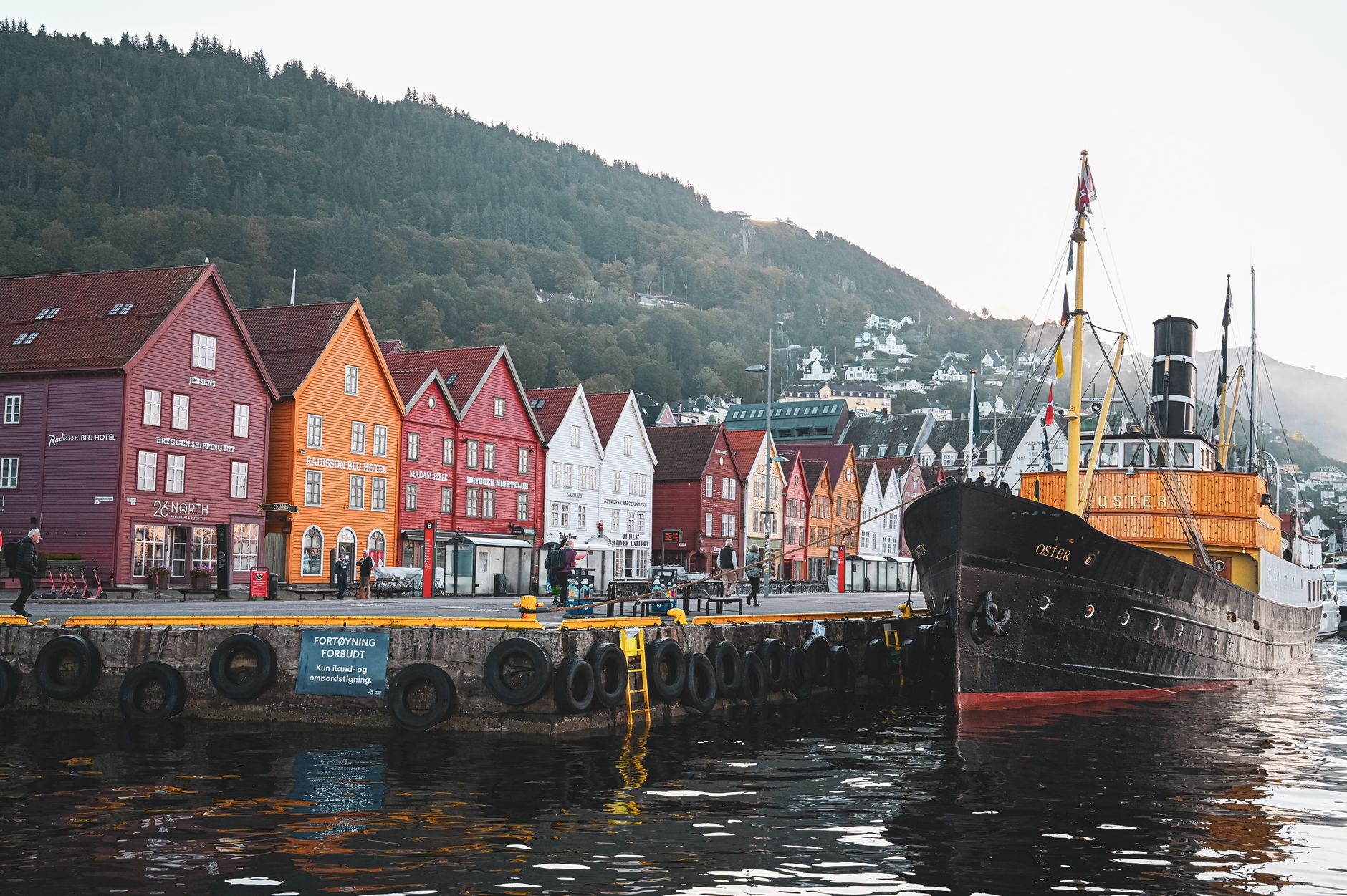
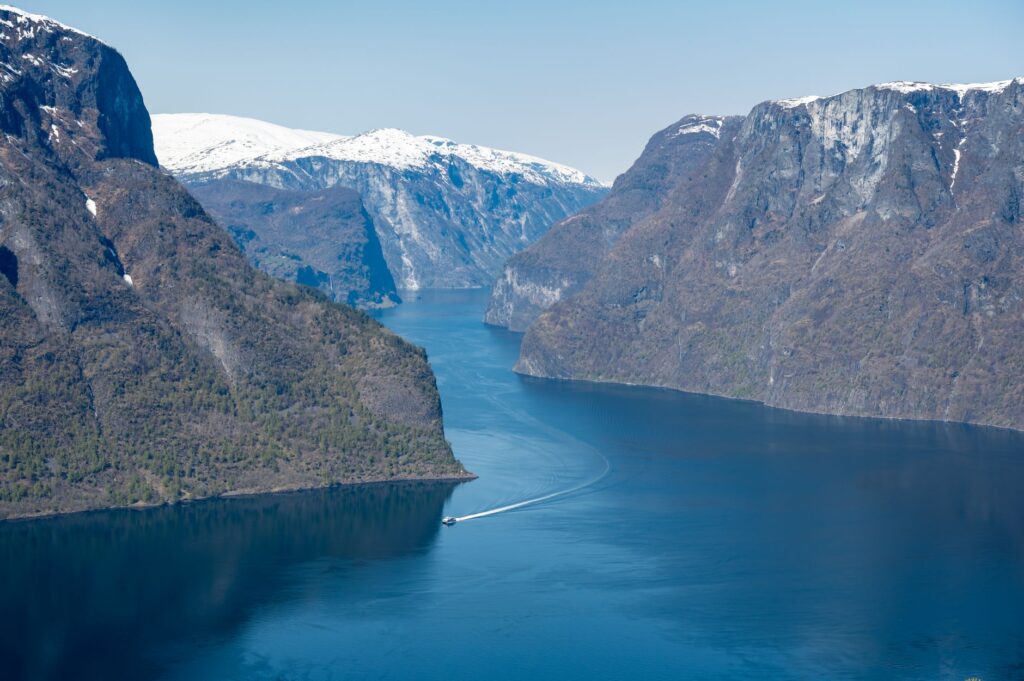
Norway’s geography is a masterpiece of glacial erosion, characterized by deep fjords slicing into the mainland and creating a labyrinth of islands, peninsulas, and sheer cliffs. For centuries, this monumental topography posed a formidable challenge to territorial cohesion. Overland routes often meant colossal detours through snow-prone mountain passes or the construction of complex tunnel and suspension bridge systems. In this context, short-sea maritime transport, known locally as ferjesamband, is not merely a tourist attraction or recreational luxury, but the indispensable thread holding coastal communities together, ensuring the supply of essential goods, and enabling daily commutes for workers and emergency services.
However, for decades, this vital system relied almost exclusively on high-power diesel engines, turning short-distance shipping into a significant source of greenhouse gas emissions and local pollutants such as nitrogen oxides and fine particulates. In recent years, the Norwegian administration, in collaboration with private operators and national shipyards, has driven a radical transformation of its fleet. The introduction of fully electric and plug-in hybrid ferries marks a turning point in naval engineering applied to sustainability, proving that decarbonizing complex segments of heavy transport is entirely feasible.
Regulatory Framework and Public Bidding as Catalysts
The success of the transition toward low-emission ferries in Norway is not a matter of chance, but the result of a methodical and courageous governmental strategy. Historically, ferry routes are awarded by regional administrations and the Norwegian Public Roads Administration (Statens vegvesen) through public tenders. At the beginning of the 2010s, the government introduced a crucial regulatory shift: rather than competing solely on the lowest price, public tenders began assigning substantial weight to energy efficiency and emissions reduction.
This guideline transformed the rules of the game for shipping lines. Suddenly, committing to clean technologies ceased to be an act of voluntary corporate social responsibility and became an essential commercial prerequisite to win long-term government contracts. Companies realized they had to partner with innovative shipyards to design vessels capable of operating with lithium-ion batteries and highly optimized energy management systems. The market responded swiftly, establishing Norway as the global testing ground for electric maritime mobility.
Naval Design Innovation: Lightweight Structures and Hydrodynamic Efficiency
Building an electric ferry capable of transporting dozens of cars and hundreds of passengers across fjords exposed to intense sea currents and harsh weather requires rethinking naval architecture from the ground up. Unlike traditional heavy steel ships, the new hybrid and electric ferries prioritize the use of aluminum and advanced composite materials to drastically reduce the vessel’s overall structural weight.
Every kilogram saved on the hull translates directly into lower resistance to forward motion and, consequently, more efficient energy consumption that extends battery autonomy. Furthermore, the hydrodynamic design of the hulls has been optimized through computer simulations to minimize wake and turbulence. Many of these vessels also incorporate high-efficiency LED lighting systems, waste heat recovery from auxiliary systems, and silicone-based foul-release coatings that prevent biofouling, reducing water friction without the need for toxic biocides.
The Challenge of Charging Infrastructure in Remote Areas
One of the greatest technical challenges in electrifying maritime transport lies not in the vessels themselves, but in the capacity of the onshore electrical grid to supply massive amounts of energy in a matter of minutes. When a ferry docks at a pier to disembark and embark vehicles, the time available for recharging is extremely limited, often under ten minutes.
The maritime energy transition is not merely a matter of replacing engines, but of completely redesigning the interface between onshore infrastructure and floating mobility.
To transfer megawatts of energy within such tight timeframes, engineers have developed automated connection systems utilizing robotic arms and high-power plug interfaces. Because many terminals are located in rural areas with fragile local electrical grids that would collapse under such instantaneous demand, stationary battery banks have been installed at the piers. These onshore accumulators charge slowly and continuously throughout the day from the general grid, and then deliver energy ultra-fast to the ferries during docking maneuvers, avoiding the need for costly upgrades to regional high-voltage transmission lines.
Direct Impact on Air Quality and Community Life
The benefits of this technological transformation are felt immediately in small coastal settlements where ferries operate on a daily basis. In the past, the arrival of a ferry at port was accompanied by dense black smoke and the persistent hum of diesel engines idling during loading and unloading operations, impairing air quality and generating constant noise pollution in otherwise pristine natural environments.

Today, the experience at Norwegian piers is radically different. Electric vessels dock in complete silence, broken only by the splashing of water and the metallic sound of boarding ramps. The elimination of local emissions of sulfur dioxide, nitrogen oxides, and soot has noticeably improved the respiratory health of local inhabitants and preserved the purity of the fjord air—an incalculable value for both local biodiversity and low-impact sustainable tourism.
Hybridization as a Technical Bridge on High-Demand Routes
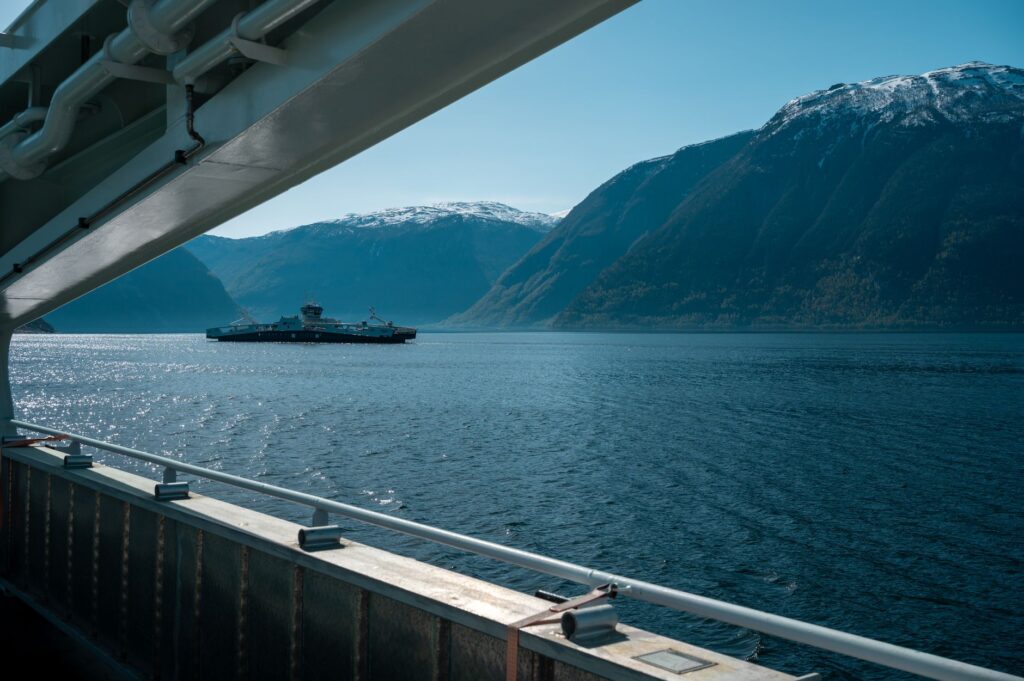
Although fully electric ferries dominate short-distance routes—such as the pioneering crossing between Lavik and Oppedal in the Sognefjord—longer routes or those exposed to extreme weather conditions in open sea require more robust transition solutions. On these routes, hybridization emerges as the most appropriate technological response.
Hybrid ferries combine large-capacity battery banks with state-of-the-art internal combustion engines operating on certified biofuels or liquefied natural gas. The ship’s intelligent control system automatically manages the energy source: it utilizes pure electric propulsion when entering and leaving ports and during moderate navigation stretches, and activates the thermal engine when maximum power is required against adverse ocean currents. This reduces fossil fuel consumption by up to eighty percent compared to conventional vessels.
The Human Factor: Crew Training and Adaptation
Such advanced technology requires highly qualified operators. The transition toward electric and hybrid propulsion has profoundly transformed the professional profile of onboard crews. Captains and chief engineers no longer merely supervise traditional mechanical systems, but manage complex energy control panels, high-voltage battery storage systems, and onboard electrical distribution networks.
Shipping companies and Norwegian educational institutions have developed specific training and certification programs to ensure sailors understand the safety protocols associated with lithium battery handling, electrical hazard prevention, and real-time energy consumption optimization. This investment in human capital ensures that fleet modernization is accompanied by the highest standards of operational safety and accident prevention at sea.
Persistent Challenges and Future Perspectives
Despite notable progress, the maritime transport sector in the Norwegian fjords still faces significant challenges that demand continuous innovation. Among these is the end-of-life management of the enormous battery packs used, a process that requires the development of circular supply chains for the recovery and efficient recycling of critical minerals such as lithium, nickel, and cobalt.
Furthermore, as the electric fleet matures, the sector is investigating the adoption of complementary energy sources, such as green hydrogen and ammonia fuel cells, for long-distance routes where the weight and volume of pure batteries remain an insurmountable logistical obstacle. The Norwegian government’s long-term goal is to achieve absolute climate neutrality across all domestic cabotage maritime transport by the year 2030.
Practical Information for Travelers and Interested Observers
For those interested in experiencing this technological revolution firsthand while traveling along the Norwegian coast, certain logistical guidelines are useful. The main electric ferry routes operate in the counties of Vestland, Møre og Romsdal, and Nordland, connecting key points of national tourist routes and scenic roadways.
- Route Planning: Most ferries accommodate both foot passengers and vehicles; schedules are regularly updated on official platforms such as Reise or the portals of regional operators (Fjord1, Torghatten).
- Navigation Season: Service operates 365 days a year, although frequencies in winter may adjust depending on weather conditions and ice status in northern fjords.
- Fares and Ticketing: The payment system is highly digitized through the national AutoPASS for ferries, allowing automatic discounts for registered vehicles and speeding up boarding without cash transactions.
- Access and Facilities: All new vessels strictly comply with international universal accessibility standards for passengers with reduced mobility, featuring spacious elevators, climate-controlled decks, and adapted panoramic areas.
The experience of traveling on an electric ferry through the Norwegian fjords proves that the ecological transition is not a renunciation of comfort, but an evolution toward a more respectful way of exploring the world.
Ultimately, the metamorphosis of maritime transport in Norway’s fjords transcends mere technical anecdote. It constitutes a replicable model of energy transition applicable to coastal and island regions across the planet, demonstrating that the combination of ambitious public regulations, intelligent economic incentives, and rigor in naval engineering can radically transform industrial sectors traditionally reluctant to change, ensuring human connectivity without compromising the health of natural ecosystems.