
Introduction to the Delta of Europe’s Great Rivers
The delta formed by the Rhine, Meuse, and Scheldt rivers represents one of the largest concentrations of multimodal transport infrastructure on the planet. In this territory shaped by history and engineering, where dikes compete with North Sea tidal levels, the mobility of goods and passengers relies not on a single technical fix, but on a seamless synchronization between inland waterway navigation, high-capacity rail networks, and massive port complexes. Understanding the operation of this corridor means delving into the economic engine of Western Europe, where every second counts to keep global supply chains running without interruption.
The scale of this system impresses even the most experienced engineers. Millions of tons of containers, dry bulk, and liquids flow annually through an invisible yet ironclad network of buoyed canals, monumental locks, and electrified rail lines. The cities of Antwerp and Rotterdam act as the two great magnets of this commercial magnetic field, while the Lower Meuse functions as the backbone irrigating the continental interior toward Germany and France. Far from being a purely industrial landscape, this intermodal corridor is a living ecosystem where local communities coexist with the constant transit of river barges and freight trains.
The Fluvial Backbone: Barges and Large-Gauge Canals
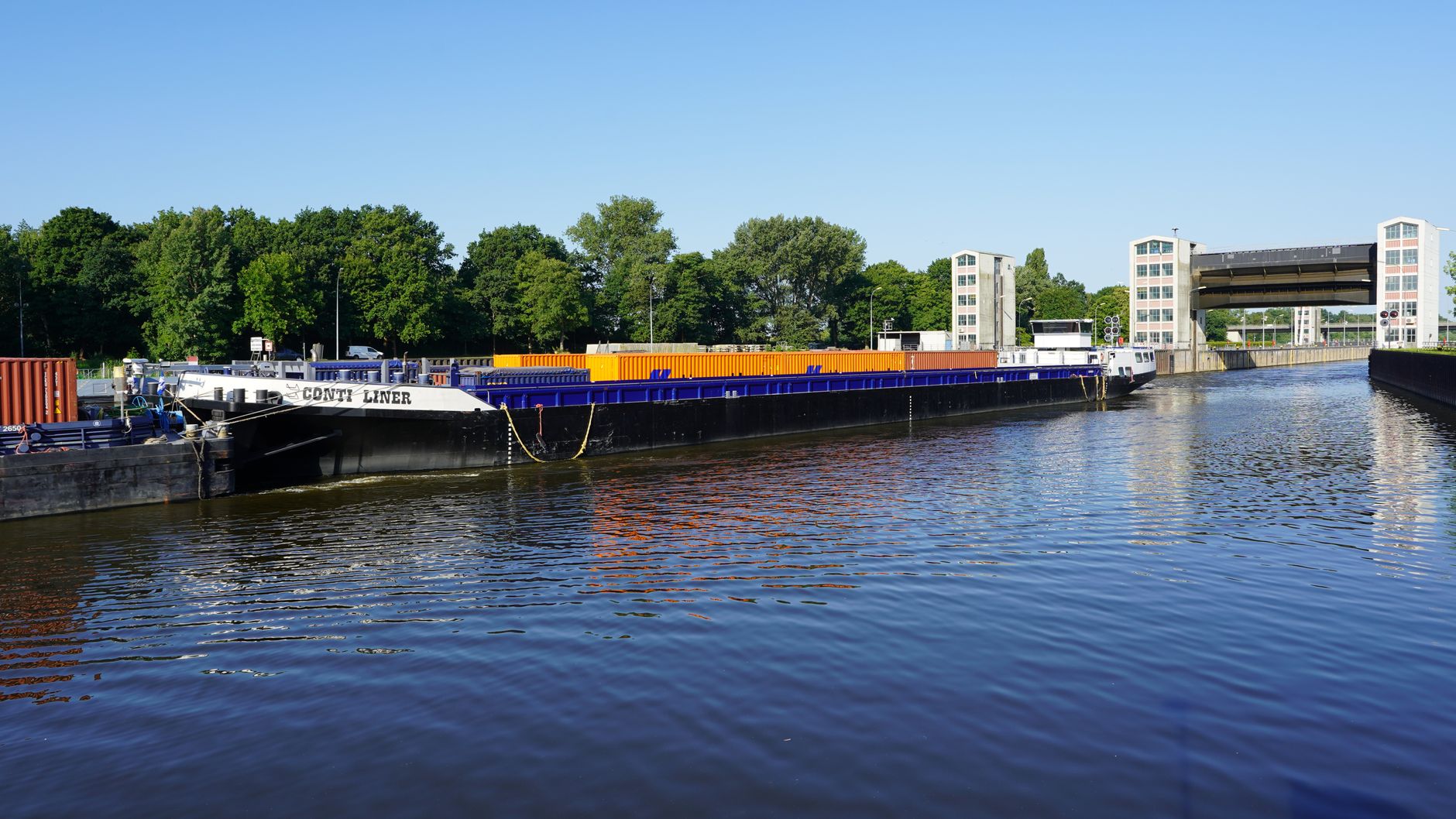
Inland navigation on the Lower Meuse and its adjacent canals bears little resemblance to the romantic imagery of nineteenth-century paddle steamers. Today, self-propelled barges and pushed convoys plying these waters can reach lengths exceeding 130 meters, carrying the equivalent of hundreds of heavy trucks. This transport modality stands out for its energy efficiency and exceptionally low carbon footprint per ton-kilometer, making it the preferred method for hauling heavy raw materials, chemical products, and standard containers.
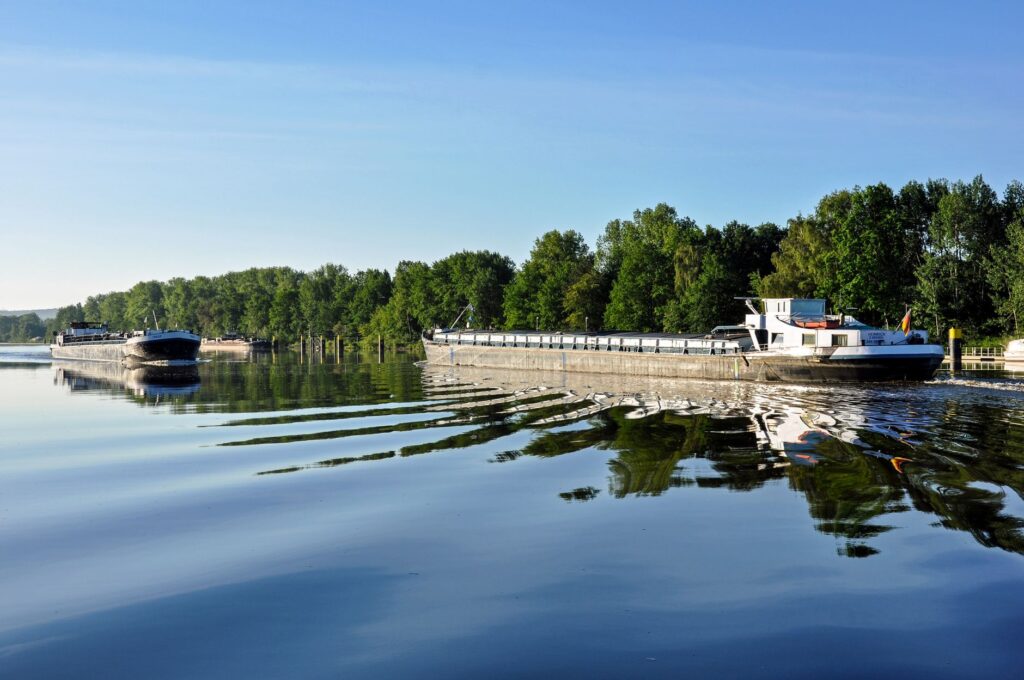
To maintain this steady flow, human intervention in the natural riverbed has been profound and continuous. The lock system, such as the monumental Haringvliet complex or facilities near Liège, regulates water level differentials and protects the mainland from storm surges. Captains of these vessels must hold specific certifications and master complex radar and river communication systems, as traffic density in certain stretches of the Albert Canal or the Juliana Canal rivals that of the busiest highways on the European continent.
The Engineering of Locks and Water Management
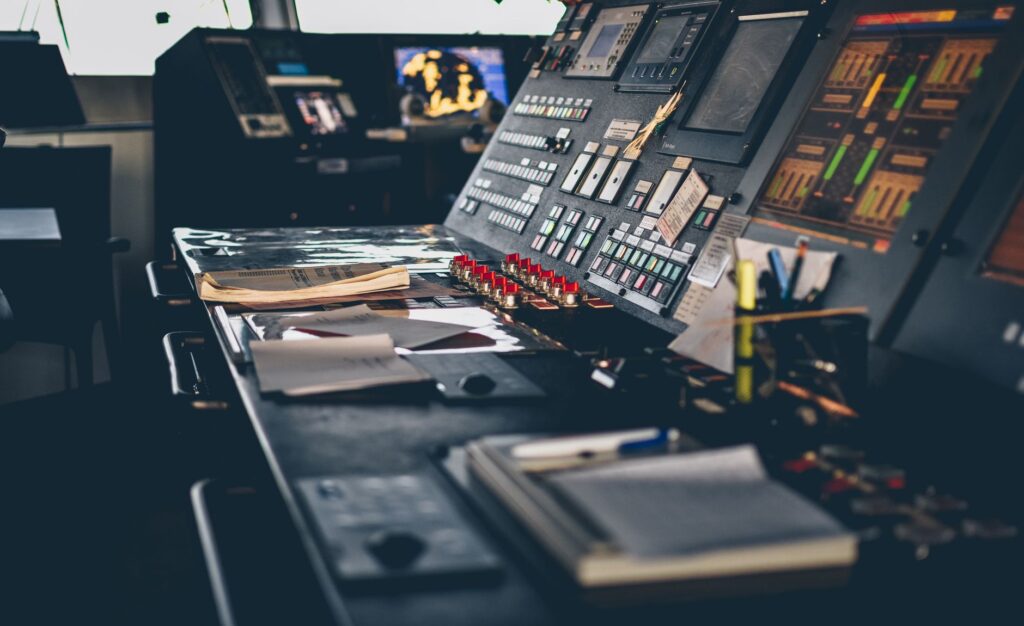
Water control in the Meuse delta is an exercise in millimeter precision combining modern automation technology with centuries-old hydrological principles. Locks are not merely containment gates; they act as hydraulic elevators allowing vessels to overcome height differences of several meters without disrupting their journey. Managing these infrastructures requires constant monitoring of water levels, tides, and weather conditions, coordinated from centralized control centers operating twenty-four hours a day.
During periods of summer drought or extraordinary flooding from heavy rains in the upper basins, waterway operators must enforce strict draft restrictions. These measures force barges to reduce their payload to avoid grounding in shallower stretches, directly impacting regional logistics economics. The resilience of this system is constantly tested, proving that river infrastructure requires as much investment in preventive maintenance as high-speed rail networks or interstate highways.
Water in the delta is not a geographical obstacle to be overcome, but the physical support upon which the entire logistical sovereignty of Western Europe is built.
The Railway Counterpoint: Freight Trains and High-Capacity Lines
If river barges dominate bulk transport at moderate speeds, railways inject agility and velocity into the Meuse corridor. Freight lines running parallel to the riverbeds form part of the trans-European freight transport corridors (RFC), designed to prioritize international transit without unnecessary stops at national borders. Multisystem electric locomotives cross borders between Belgium and the Netherlands with complete fluidity, hauling intermodal container compositions that connect maritime docks directly with logistics hubs in Germany’s interior.
The coexistence of passenger traffic and freight transport on these densely populated tracks represents one of the greatest technical challenges for infrastructure managers such as Infrabel in Belgium and ProRail in the Netherlands. Commuter and intercity passenger trains frequently share the same physical corridors as heavy freight convoys, demanding millimeter-precise schedule planning and the deployment of advanced signaling systems like ERTMS (European Rail Traffic Management System) to guarantee safety and maximize track capacity.

The Port Synergy: The Joint Pulse of Antwerp and Rotterdam
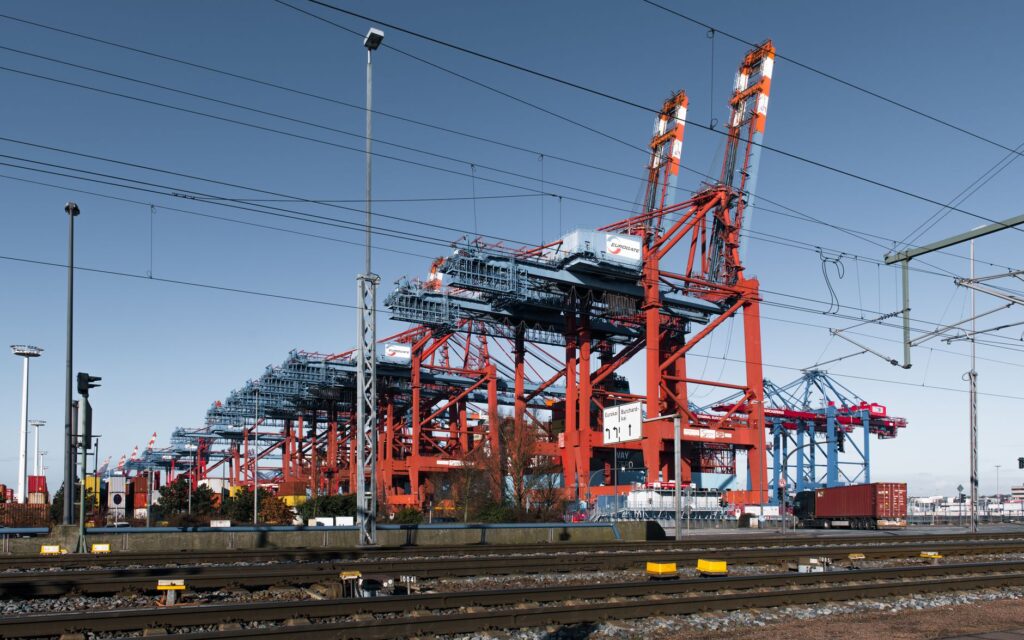
The relationship between the ports of Rotterdam and Antwerp navigates the delicate balance between fierce competition and indispensable strategic cooperation. Both maritime giants compete for leadership in container handling in Northern Europe, yet share an urgent need for efficient land and river connections to the European hinterland. State-of-the-art container terminals in these ports are designed to receive giant container ships exceeding 24,000 TEUs, whose rapid unloading generates massive demand spikes in secondary transport networks.
To prevent gridlock on local roads, port authorities have decisively promoted intermodality. Containers arriving at the docks are transferred directly to river barges or shuttle trains via automated gantry cranes, minimizing the use of trucks for long-distance connections. This strategy not only cuts pollutant emissions but optimizes equipment turnaround times and guarantees predictability in supply chains for the German automotive and manufacturing industries.
Life on the Banks: Communities and Industrial Landscape
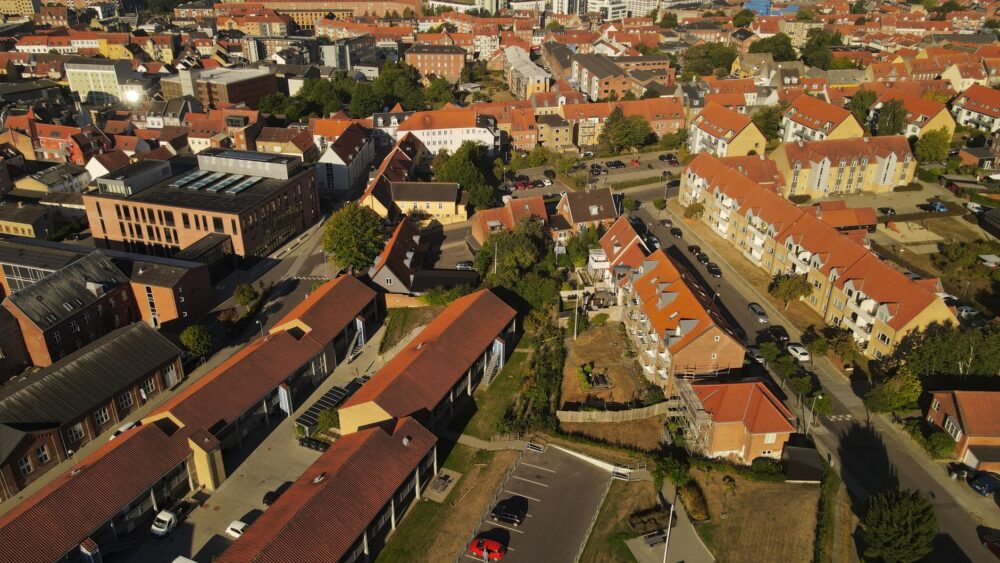
The impact of this intense logistical activity extends far beyond the walls of port terminals, shaping the daily lives of communities inhabiting the banks of the Lower Meuse. Cities like Dordrecht, Venlo, and Liège have grown to the rhythm of locks and docks, integrating the industrial landscape into their urban identity. Local residents coexist with the dull roar of barge diesel engines and the metallic clatter of freight trains crossing bascule bridges over the river.
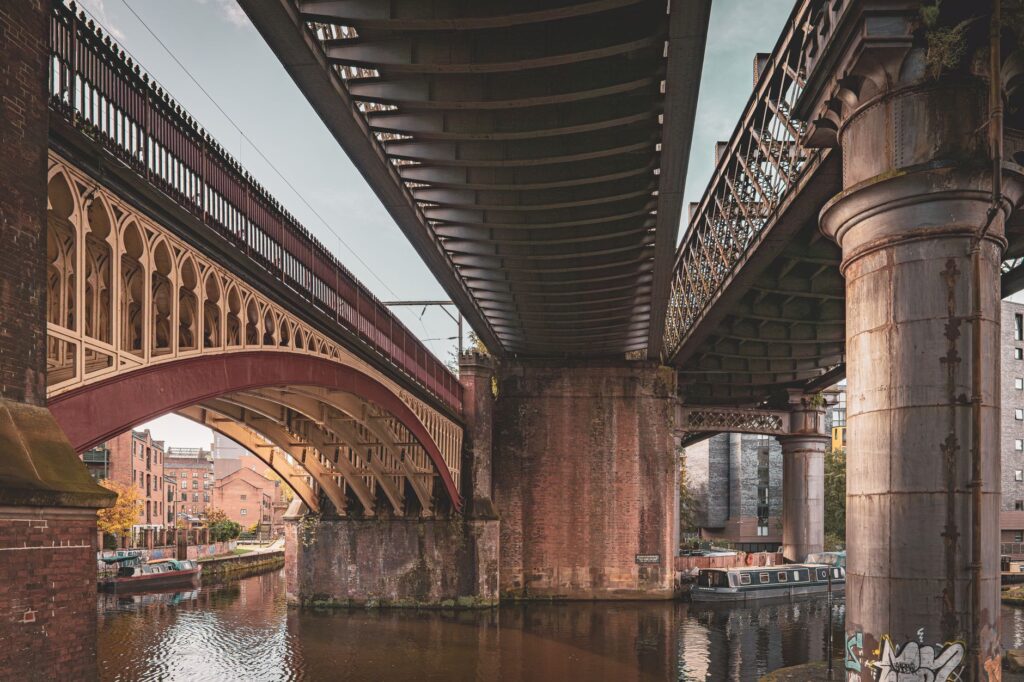
Despite the region’s distinctly commercial vocation, recent policies have sought an ecological balance by creating green corridors and water retention zones that mitigate the environmental impact of heavy infrastructure. Abandoned shipyards and industrial zones are gradually transforming into residential areas and recreational spaces, where citizens can observe firsthand the passage of logistical machinery moving the continental economy.
Practical Information for Engineers, Researchers, and Curious Travelers
Exploring the logistical corridor of the Lower Meuse requires planning that differs markedly from conventional tourism. The best way to understand the scale of this infrastructure is to visit the visitor centers of major lock complexes and ports, many of which offer detailed technical exhibitions and guided tours of operational facilities.
- Interpretation centers: The Portlantis center in Rotterdam and informative facilities at the Port of Antwerp offer an exhaustive view of port management and intermodal traffic.
- Cycling routes: Cycling paths along the Meuse dikes (Maasroute) allow travelers to explore river stretches safely, frequently crossing alongside locks and movable bridges.
- Regional rail transport: Local trains operated by NS (Netherlands) and NMBS/SNCB (Belgium) connect major corridor cities with high frequency, facilitating mobility without private vehicles.
- Visit planning: It is advisable to check opening hours for river navigation museums and book boat tours inside the port basins in advance.
The true greatness of the Lower Meuse infrastructure lies not in its monumental size, but in its absolute invisibility when functioning without error.
The Future of Cargo Mobility in the Delta
Looking ahead to the coming decades, the Lower Meuse corridor faces profound technological transformations driven by the energy transition and the digitalization of logistical processes. Autonomous barges powered by hydrogen or electric batteries are already being tested in pilot routes, aiming to completely eliminate carbon emissions in inland navigation. Likewise, implementing artificial intelligence in rail and river traffic management promises to reduce waiting times at locks and modal interchange nodes.
The integration of real-time data among port operators, shipping lines, and railway companies will enable complete supply chain visibility, optimizing cargo capacity and reducing operating costs. The Rhine-Meuse-Scheldt delta will continue to be the global laboratory where future transport solutions are tested, proving that efficiency and sustainability can go hand in hand in the most complex logistical environments on the planet.