
At a critical juncture for international mobility and the global service economy, the Maltese archipelago has become the epicentre of strategic deliberation regarding the future of travel. The World Travel & Tourism Council (WTTC) has convened more than 200 chief executive officers, corporate presidents, and senior government officials from across the globe in this central Mediterranean crossroads. The summit aims to formulate cohesive responses to structural challenges facing the industry: the urgent decarbonisation of global operations, the stewardship of heritage-rich destinations, and the adaptation of supply chains to geopolitical volatility.
The Mediterranean as a Crossroads for Geopolitical and Tourism Evolution
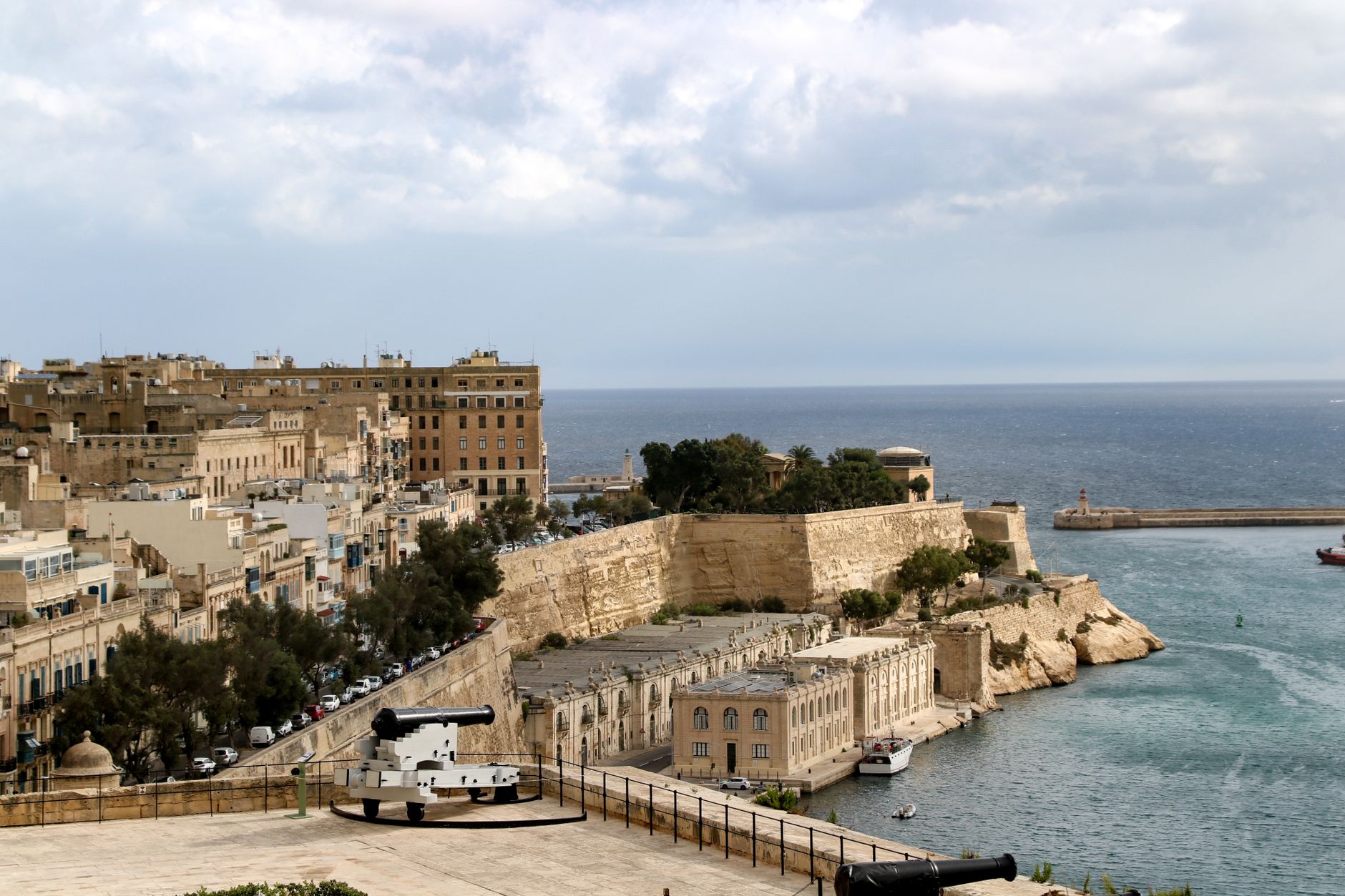
Malta’s selection as the host country reflects deliberate geopolitical and logistical reasoning. Positioned at the maritime nexus of Europe, North Africa, and the Levant, the island nation embodies both the immense economic vitality and the spatial constraints characteristic of modern global travel. With a delicate geographic footprint and an economy intimately intertwined with aviation and maritime networks, Malta serves as an authentic testing ground for next-generation tourism management.
Delegations from five continents are assessing how to reconcile macroeconomic growth with the preservation of cultural and environmental assets. Discussions emphasise that the sector can no longer rely solely on legacy metrics such as gross arrival volumes or overall expenditure; local community well-being, ecological carrying capacity, and net-zero progress are now emerging as the foundational benchmarks of long-term viability.
The summit in Malta signals a structural shift where financial performance in global travel must be inextricably bound to ecological accountability and local carrying capacity.
The WTTC, representing the global private sector in travel and tourism, structured this summit to facilitate direct engagement between commercial decision-makers and state policymakers. The objective is to dismantle regulatory fragmentation and establish collaborative frameworks that accelerate environmental transitions without compromising international connectivity.
Over Two Hundred Chief Executives Confront the Decarbonisation Challenge
The summit’s agenda brings together leadership from commercial aviation, international hospitality groups, technology platforms, maritime cruise operators, and institutional investment funds. More than two hundred corporate leaders are deliberating measurable commitments to accelerate the journey toward net-zero emissions across the travel supply chain. Achieving this ambition requires capital deployment into sustainable aviation fuels (SAF), shore-to-ship power infrastructure in ports, and regenerative building designs across hotel portfolios.
The discourse demonstrates a clear consensus: the operational window to overhaul transport and accommodation infrastructure is narrowing. Industry leaders note that divergent regional regulations and fragmented financial incentives impede the commercial-scale deployment of green technologies. Consequently, the Malta summit is advancing public-private financing models to co-fund energy innovations across transit corridors.
- Harmonisation of verifiable sustainability criteria across international procurement networks.
- Accelerated commercial scaling and distribution of non-fossil fuels for aviation and marine transport.
- Deployment of closed-loop waste management and advanced water desalinisation systems in coastal destinations.
- Transparent accounting and standardisation of carbon footprint disclosures across traveler itineraries.
Destination Carrying Capacity and Island Heritage Protection
With its centuries-old fortifications, megalithic architecture, and densely populated historic cores, the Maltese archipelago provides an acute framework for examining destination governance. Working sessions dedicated to island and coastal territories emphasise the imperative of temporal and spatial dispersion to alleviate pressure on sensitive historic centers.
Participating ministers and business executives are evaluating mechanisms to distribute the economic dividends of travel into secondary destinations, promoting craft traditions, rural itineraries, and regenerative cultural heritage experiences. There is widespread agreement that cultural integrity and civic livability are the fundamental assets of any mature destination, and their erosion directly undermines the value proposition of the travel sector.

The summit also examines algorithmic load management and predictive visitor modeling. Utilizing aggregated mobility datasets and dynamic reservation systems, several pioneering destinations have successfully flattened peak visitor curves, safeguarding historic monuments while enhancing the residential quality of historic districts.
Digital Innovation, Artificial Intelligence, and Human-Centric Hospitality
Technological transformation forms a cornerstone of the Malta proceedings. The rapid integration of generative artificial intelligence, predictive analytics, and automated processing across transport hubs and accommodation is redefining traveler expectations. However, leaders gathered in Valletta stress that technology must serve to enhance human hospitality rather than replace interpersonal connection.
Debates focus on streamlining international borders through secure biometric verification, significantly reducing transit friction and bolstering security without burdening travelers with bureaucratic delays. The convergence of predictive data infrastructure and hospitality management enables the anticipation of guest needs and the real-time optimisation of energy and water resources.
True technological progress in the travel industry does not lie in eliminating human connection, but in automating administrative friction to elevate authentic cultural exchange.
Concurrently, ethical frameworks surrounding consumer data governance and privacy are under scrutiny. In an increasingly connected travel ecosystem, enterprises must ensure that data collection adheres to rigorous international privacy standards, sustaining consumer trust across digital platforms.

Human Capital: Workforce Development, Equity, and Talent Retention
A central theme addressed by the WTTC leadership in Malta is the workforce realignment following recent global disruptions. Executive panels acknowledge that attracting and retaining qualified personnel requires an overhaul of career pathways, competitive compensation, and ongoing professional development in green and digital proficiencies.
The travel and tourism sector has historically served as a primary engine for socio-economic mobility, particularly for youth and women globally. To maintain this societal role, corporations must modernize employment practices, fostering safe working environments, predictable scheduling, and specialized vocational training.
- Establishment of cross-border educational partnerships focused on environmental and digital competencies.
- Active promotion of gender parity and diverse leadership across executive boards and operational management.
- Professional recognition and enhanced status for culinary, hospitality, and heritage interpretation professions.
- Strengthened social safety frameworks for seasonal personnel in coastal and winter destinations.
Capital Allocation and Sustainable Investment Frameworks
Long-term resilience in travel depends heavily on the industry’s ability to withstand external shocks, including climatic disruptions, macroeconomic cycles, and shifting geopolitical corridors. In executive financial panels, sovereign wealth funds, development banks, and institutional investors are examining capital restructuring strategies for climate-resilient infrastructure.

There is growing capital allocation toward green bonds and sustainability-linked credit facilities for commercial hospitality and maritime ventures. Environmental, Social, and Governance (ESG) criteria are no longer ancillary considerations; institutional asset managers now mandate rigorous metrics and independent verification prior to financing major tourism projects.
This financial discipline encourages project developers to integrate passive cooling architecture, on-site microgrids, and local agricultural sourcing from inception, mitigating future operational costs and insulating assets from shifting environmental regulations.
Toward a Unified Action Framework for Global Tourism Governance
The Malta summit culminates in a series of strategic undertakings designed to align private sector initiatives with national policy priorities over the coming decade. The consensus achieved in Valletta establishes cross-border policy harmonization and targeted green investment as the indispensable pillars for safeguarding the future of global travel.
Corporate leaders and public officials gathered in the archipelago affirm that the success of these resolutions rests on transparent monitoring frameworks and the political will to enact structural reforms in both source and destination markets. The WTTC will coordinate implementation through its regional working groups.

Strategic Priorities for Destination Managers and Enterprise Leaders
For tourism authorities and commercial operators aiming to integrate the outcomes of the summit, key operational priorities include:
- Conducting comprehensive baseline audits of carbon intensity and resource consumption across operations.
- Establishing structured, regular consultation channels with resident populations before initiating major hospitality developments.
- Investing in shared data platforms to provide small and medium-sized tourism enterprises with accurate demand intelligence.
- Facilitating continuous workforce training in digital guest management tools and environmental stewardship standards.
The Legacy of Malta: Charting a Resilient Path Forward
As the Malta gathering concludes, a unified consensus emerges among the more than 200 global leaders: travel and tourism has progressed beyond mere quantitative recovery toward a phase of deliberate, value-driven stewardship. The sector’s capacity to drive economic prosperity, foster cultural exchange, and build understanding between nations remains indispensable, but demands rigorous collective accountability.
Departing from Malta’s historic bastions, industry executives and policymakers return to their respective organizations tasked with translating the commitments made in Valletta into operational reality. The ultimate impact of this historic summit will be determined not by the stature of its participants, but by the tangible changes it catalyzes across global travel governance in the years ahead.
Source: Daily Travelling News