Introduction to the backbone of the Alps
The landscape of the Austrian Alps is defined not only by snow-capped peaks and deep valleys, but by a feat of engineering that has woven the social and economic life of the region for over a century: the mountain railway. Far from being a mere tourist attraction for skiers, these rail lines represent the primary artery that allows residents of remote valleys to access basic services, education, and employment without abandoning their homes. The alpine geography, historically characterized by isolation during long winter months, found in the train a definitive answer to the challenges of geographic isolation and rural depopulation.
Over the past decade, federal transport authorities and local communities have redoubled their efforts to modernize these historic routes. The objective is no longer solely to connect geographical points, but to do so under strict sustainability criteria that minimize the carbon footprint and preserve natural heritage. This report examines the socio-economic and ecological impact of the alpine railway network in Austria, analyzing how public transport has become the key to the survival and prosperity of local communities.
The demographic challenge and permanent connectivity
One of the greatest challenges facing central Europe’s mountain regions is the migration of young people to large urban centers such as Vienna, Salzburg, or Innsbruck. The lack of stable job opportunities and travel difficulties during winter have historically accelerated the aging of alpine villages. However, constant improvements in the frequency and speed of regional trains have radically transformed this dynamic.

Today, thanks to an integrated network of schedules and fluid connections, many residents of valleys such as the Zillertal or Pinzgau can work in medium-sized cities or tourist hubs without renouncing their traditional residence. This daily commuting dynamic has halted the depopulation of dozens of municipalities. Young families find in these villages a secure and connected environment, where the local school and medical clinic are sustained because residents continue to use the train as their primary mode of transportation.
Engineering and adaptation to extreme terrain
Building and maintaining railway tracks in alpine terrain requires extraordinary technical solutions. The engineers of the 19th and early 20th centuries overcame impossible gradients using rack-and-pinion systems, kilometer-long tunnels, and dizzying viaducts that today form part of Europe’s industrial heritage. Maintaining a delicate balance between technological modernization and the aesthetic preservation of these engineering monuments remains a priority.
Currently, maintenance tasks incorporate cutting-edge technologies to prevent avalanches, rockfalls, and the effects of water erosion, which have been intensified by climate variability. Geotechnical sensors installed along the slopes monitor terrain stability in real-time, allowing rail traffic to continue with high safety standards. This constant investment ensures that isolated communities are not cut off during adverse weather events.
The energy transition on rails
Austria’s environmental commitment is directly reflected in its railway network, one of the most electrified on the European continent. Almost all main and secondary lines operate on electrical energy generated largely by local hydroelectric power plants. This makes the alpine train a benchmark for carbon-neutral mobility, displacing thousands of private vehicles from mountain roads every day.

- Integral electrification of regional routes to eliminate direct carbon dioxide emissions.
- Use of indigenous hydroelectric energy managed by local energy cooperatives and regional public utilities.
- Energy efficiency programs in railway stations through the use of LED lighting and geothermal systems.
The gradual replacement of older diesel convoys with battery or hydrogen units on specific sections where catenary is unfeasible demonstrates a clear commitment to technological innovation. These solutions respect the protected landscape of alpine national parks, avoiding the noise and visual pollution generated by buses and private cars.
Sustainable tourism and the decarbonization of travel
Tourism is the indisputable economic engine of the Austrian Alps, but automobile congestion has put the integrity of its ecosystems and the quality of life of its inhabitants at risk. The crowding of mountain passes during peak winter and summer seasons generates air pollution episodes and severe parking problems in villages where space is a scarce commodity.
To counter this trend, regional tourism offices work closely with railway companies to offer combined tickets that include the train journey, ski pass, or access to hiking trails. The philosophy is clear: the journey begins the moment you board the train. Upon arrival at the destination station, visitors find networks of electric shuttle buses or bicycle rental services that complete the soft mobility experience.
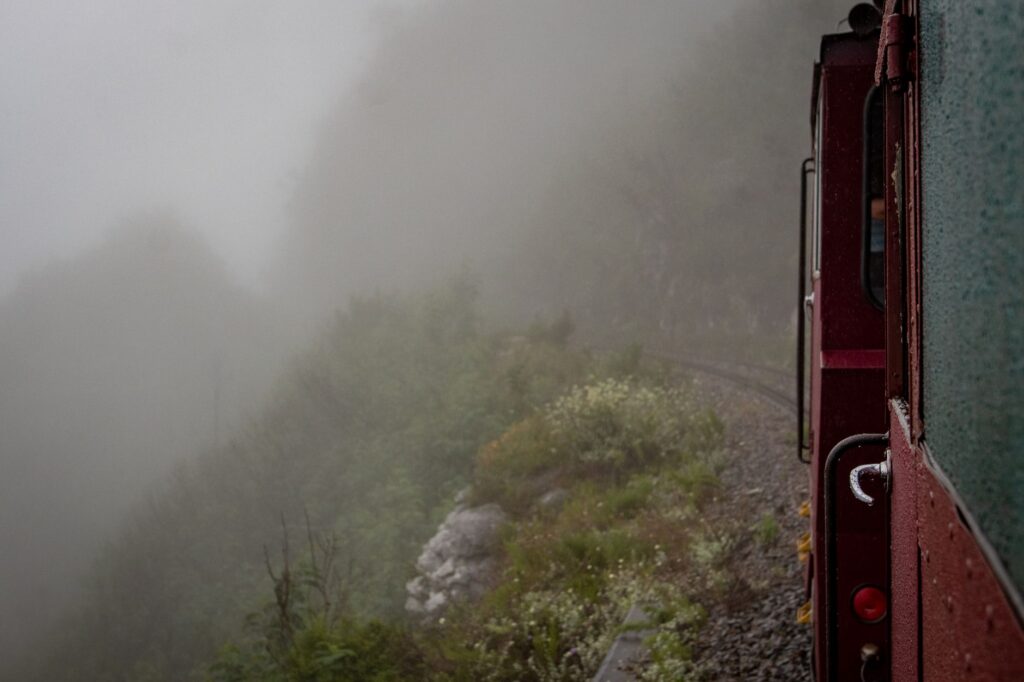
The train in the Alps is not merely a means of transport; it is the silent pact between human progress and the protection of an unrepeatable natural environment.
Circular economy and local employment
The impact of the railway transcends passenger mobility; it acts as a catalyst for the circular economy of the valleys. Railway stations have been redesigned in many cases as multifunctional centers hosting local agricultural markets, tourist information offices, and coworking spaces for professionals choosing to telework from the mountains.
Likewise, the management, maintenance, and operation of regional railway networks generate hundreds of highly skilled direct and indirect jobs for the local population. Mechanics, signaling operators, service personnel, and civil engineers find a source of job stability rooted in the territory within these infrastructures, avoiding the precariousness typical of purely seasonal tourism jobs.
Financial challenges and the role of public administration
Despite its multiple social and environmental benefits, maintaining a high-mountain railway network involves very high operating costs. The low population density in some sections means that ticket sales revenues do not cover the full costs of infrastructure maintenance.

For this reason, the Austrian model is based on solid public-private collaboration and strong state subsidies through the national climate ticket (*Klimaticket*), which allows citizens to use all public transport in the country for a very competitive annual flat rate. This policy has skyrocketed the number of annual users, demonstrating that when economic access to collective transport is facilitated, the citizenry responds en masse.
The future of alpine mobility in the face of climate crisis
Looking ahead to the coming decades, the alpine rail system faces the imperative need to adapt to the accelerated impacts of climate change. Glacier retreat and permafrost instability at high altitudes force a rethinking of routes and a strengthening of foundations in areas previously considered unalterable.
Engineers and urban planners work closely with environmentalists to ensure that future network expansions do not fragment wildlife corridors or damage delicate high-mountain ecosystems. The absolute priority is to consolidate what exists and optimize its performance through digitalization and intelligent traffic management.
Practical information for the responsible traveler
For those interested in exploring Austria’s alpine railway network under sustainability criteria, planning the trip in advance using official platforms of the national railway company (ÖBB) and regional networks is essential.

- Use the *Klimaticket* or regional transport passes to maximize savings and flexibility across all public modes.
- Combine train journeys with marked hiking trails that depart directly from the railway stations themselves.
- Support the local economy by consuming zero-kilometer products in markets and shops located near stations.
Respecting schedules and conservation regulations in national parks ensures that the travel experience is harmonious for both visitors and the communities permanently inhabiting the territory.
Visual closure: the slow rhythm of the summit
Traveling through the Alps by train offers a perspective that no other medium can match. The panoramic windows of the convoys act as constantly changing frames projecting ancient forests, crystal-clear torrents, and traditional villages resisting the passage of time. Far from the rush of highways, the railway imposes a slow and human rhythm that invites contemplation and respect.
Preserving mountain trains ensures that future generations continue to have access to the pristine beauty of alpine valleys without compromising their ecological balance.
Ultimately, the Austrian model demonstrates that territorial cohesion and ecological transition are not opposing objectives, but two sides of the same coin. By betting on the railway, mountain communities not only secure their economic and social viability but offer the world a masterclass in how to inhabit nature with intelligence, moderation, and a view to the future.